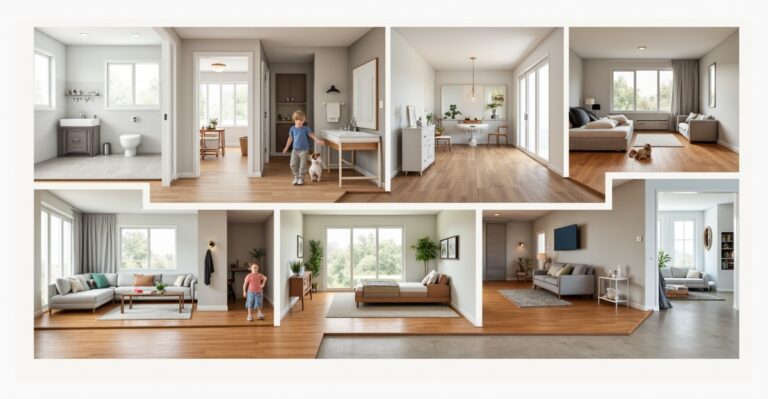
Remodeling vs Renovation: What’s the Difference?
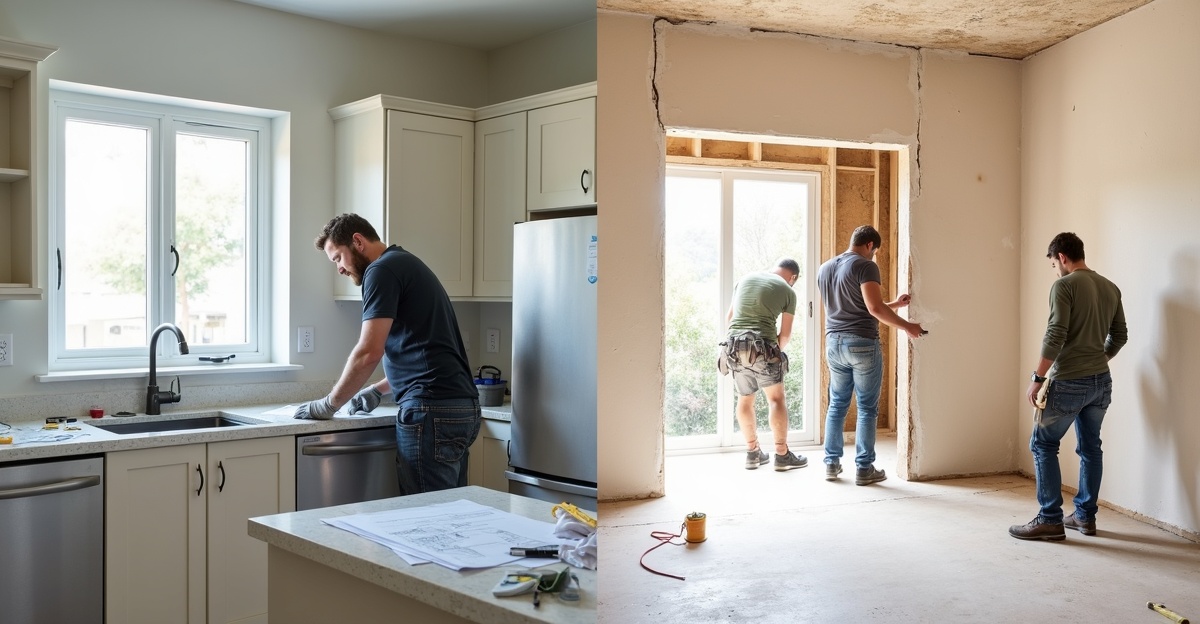
Understanding the difference between remodeling and renovation helps us plan effectively and avoid surprise expenses, delays, or compliance problems. Remodeling changes how a space functions or is laid out. Renovation upgrades what’s already there without altering the structure. Each option comes with distinct demands on time, money, permitting, and scope.
Key Takeaways
- Renovation updates finishes, fixtures, or surfaces without shifting walls or altering major systems. Remodeling involves changing the layout, structural elements, or relocating utilities.
- Most remodeling work needs permits and inspections. Many renovation efforts don’t, though local codes may vary.
- Remodels usually take more time and cost more because they involve structural changes and strict building rules.
- Home remodels often focus on improving the use of space, like better flow or improved accessibility. Renovations work well for visual or surface-level improvements.
- Commercial remodels frequently address major code-based requirements, such as new wall placements, plumbing upgrades, HVAC changes, or meeting ADA standards.
What Remodeling and Renovation Really Mean (And Why It Matters)
Understanding the difference between remodeling and renovation can save you time, money, and future headaches. These terms often get swapped around, but they mean very different things—and they impact your project in very different ways.
Renovation means restoring or updating parts of a space without changing how it’s laid out. You’re improving what’s already there. That might mean painting walls, replacing light fixtures, or refacing kitchen cabinets.
Remodeling, on the other hand, means changing the actual structure or layout of a space. It could be removing a wall to create an open-concept living area, reconfiguring plumbing to relocate a kitchen sink, or converting storage rooms into private offices.
Some specific examples:
- Residential renovation: Updating bathroom tile or painting a nursery.
- Residential remodel: Knocking out the wall between two bedrooms to create a suite.
- Commercial renovation: Refreshing a dental clinic’s finishes and lighting without adjusting walls.
- Commercial remodel: Transforming open office space into private medical exam rooms with new plumbing and partition walls.
In short, if spaces are staying in the same shape, you’re renovating. If you’re changing layouts or moving infrastructure around, you’re remodeling. Knowing the difference helps you plan smarter, especially when coordinating with a general contractor.
Side-by-Side: Key Differences in Scope, Cost, and Impact
Renovation vs. Remodeling: Quick Comparison
Here’s how renovation stacks up against remodeling on the key points:
- Scope: Renovation focuses on updates. Remodeling involves layout or structure changes.
- Permits: Remodeling usually requires permits. Renovations may not, depending on your city and scope.
- Timeline: Remodels often take longer due to inspections and structural work.
- Logistics: Remodeling is more disruptive. Temporary relocation might be necessary.
- Cost: Per square foot, remodeling is usually more expensive.
Understanding the renovation cost vs remodeling cost lets both homeowners and commercial property managers align their project with goals—whether that’s increasing resale value, complying with codes, or improving daily function. If your main focus is fresh looks or minor repairs, renovation makes more sense. If you’re solving layout frustrations or adapting to new uses, remodeling offers better long-term value.
Real-World Scenarios: What Each Looks Like on the Ground
Residential: Kitchen Project Comparison
Say a homeowner wants to modernize a dated 1990s kitchen. A renovation would include installing new floors, repainting walls, swapping out cabinet doors, and updating appliances—without changing plumbing or layout.
A remodel might involve tearing down a wall for an open concept, shifting the island, and relocating the fridge and sink to maximize function. That introduces plumbing, electrical, and structural work.
At RayPro, we’d assess how your kitchen functions now and where you want to take it. If the layout works but the materials are dated, we’d suggest renovation to save budget and time. If you’re constantly bumping into family members or feel boxed in, remodeling might be the better option.
Commercial: Office to Medical Conversion
A property manager wants to convert a traditional office suite into a medical clinic. If the floor plan stays the same and upgrades just include ADA-compliant finishes and new cabinetry, it’s a renovation.
But if walls need to be built for privacy, equipment requires dedicated plumbing, or the HVAC has to be redesigned for new function, that’s firmly a remodel.
For jobs like this, we bring in design-build coordination early, get upfront with city planning, and manage the inspection process end to end. This is where hiring experienced commercial renovation contractors makes the difference between hitting deadlines or getting bogged down in paperwork.
How Compliance and Construction Codes Change the Game
The tighter your local building codes and the bigger your layout changes, the more your project creeps from renovation into remodel territory.
Renovations often fly under the code radar—but the moment you touch walls, mechanical systems, or accessibility pathways, you’re in remodel zone. That means city permits, code inspections, and plans reviewed by licensed professionals.
Commercial remodels especially bring in layers of compliance. Turning an office into a clinic? Now you’re dealing with ADA layout rules, medical exhaust requirements, and more. Retrofitting a school or restaurant? Expect fire code upgrades and zone-use reviews. We’ve seen it play out on dozens of projects. That’s why we build compliance into every estimate and discussion from day one.
For residential jobs, even removing a non-load-bearing wall may need a permit depending on your city. Thinking about changing your home’s traffic flow or adding square footage? That’s structural. Budget time and money for plan reviews, engineering input, and permit fees.
Projects with structural scope should always begin with a clear understanding of local code. If you’re unsure how that breaks down, this guide on how to get permits for construction projects lays it out step-by-step.
Which One’s Right for You? Start with Your Goals
Before diving into costs or timelines, step back and ask what you’re trying to achieve. The right approach depends on your priorities, space limitations, and long-term plans.
Use this quick checklist to help guide your thinking:
- You want a quick facelift without moving walls or plumbing → Renovation
- You need more room, better function, or a new layout → Remodeling
- Project goal is resale value in the next 1–3 years → Opt for changes with market-friendly return
- Growing family or aging-in-place concerns → Consider accessibility remodels or layout reworks
- Shifting from retail to medical use in your building → Likely requires a full remodel with code changes
- Want better lighting, finishes, or energy savings → Renovation could be enough
Not sure where you land on the remodel vs update scale? Our residential renovation guide or project planning resources for commercial jobs can help clarify the path.
Smart Planning Starts Here: How RayPro Can Help
We’ve helped property owners, facility directors, and homeowners tackle both remodeling and renovation projects across Florida. Whether you’re expanding a medical facility or updating an old kitchen, we plan for impact, code, and cost from the beginning.
For residential clients, our residential remodeling services balance visual upgrades with daily function. In commercial settings, our reputation as trusted commercial renovation contractors comes down to our detail-focused planning, permit expertise, and clear communication.
We won’t steer you toward bigger jobs than you need. Our job is to make sure your scope fits your function and budget—and keeps stress low.
Ready to talk through what your space really needs? Contact us to schedule a consultation or check out past transformations in our Florida general contracting portfolio.
Whether you’re deciding on a small renovation or ready to start a full remodel, we’ll help you figure out the right path—clearly and confidently.