Roof Maintenance for Multi-Property Owners
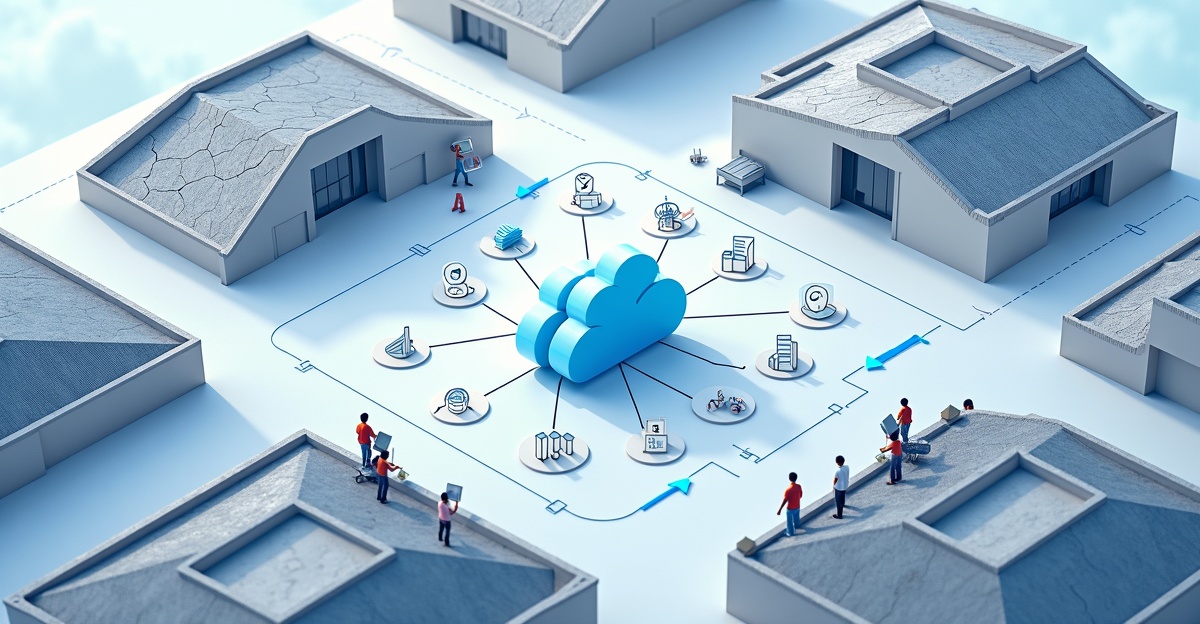
Managing roof maintenance across multiple properties brings higher stakes and added challenges—each roof presents distinct risks, repair records, and compliance rules. Without a preventive, standardized approach, costs rise, repairs vary in quality, and asset value suffers.
Key Takeaways
- Uneven maintenance from site to site raises the chance of safety concerns, budget overruns, and compliance failures.
- A consistent, proactive maintenance strategy extends each roof’s lifespan, cuts emergency spending, and supports predictable budgets.
- Centralized records and cloud-based tools offer clear oversight across all locations while making warranty and insurance claims simpler.
- Partnering with a scalable roofing team ensures uniform repair quality, smoother communication, and better control over long-term costs.
- Using data to guide planning and budgeting by roof lifecycle can boost returns and cut total ownership expenses by as much as 50%.
The Higher Stakes of Multi-Property Roof Maintenance
Owning and maintaining multiple properties brings challenges most single-location owners don’t encounter. Every building has unique variables—different roof types, materials, ages, repair histories, and weather exposure levels. That inconsistency adds risk.
Inconsistent care across your roofing portfolio can lead to more than just repair trouble. It can trigger safety risks, compliance issues, insurance complications, and unexpected shutdowns. Roofing problems account for nearly 40% of preventable property damage in commercial buildings, according to commercial property loss data from major insurance risk assessors. If you’re not using a consistent approach across sites, those odds get worse fast.
Without coordination, you end up with unpredictable maintenance bills, overlapping warranties, and emergency calls on weekends. Even worse, lack of standardization makes it harder to budget smartly or protect your overall asset value.
A unified approach to institutional roof maintenance is key to reducing risk, protecting operations, and preserving the long-term value of your real estate portfolio.
Building a Proactive Maintenance Framework for Scale
Preventative care pays off—but only when you manage it system-wide. A solid preventative roof maintenance plan creates clear, repeatable steps across all locations. That means fewer surprises and more predictability.
Core Elements of a Scalable Roof Maintenance Plan
A proactive framework should include:
- Standard inspection schedules (typically spring and fall)
- Post-storm evaluations
- Regular debris removal
- Drainage inspections
- Membrane and flashing checks
- Scheduled minor repairs to prevent escalation
To keep things organized, store everything in a centralized tracking system. That includes warranty details, service logs, repair photos, and inspection notes—matched to each property. A cloud-based tracker helps you catch problems early and stay ahead of costly damage.
Sample Checklist for Maintaining Roofs Across Properties
If you’re managing multiple facilities, your maintenance plan should include:
- Annual and semi-annual inspection calendar
- Emergency storm response workflow
- Lifecycle condition evaluations
- Repair and service history logs
- Warranty and material manufacturer data
You can find a full commercial roof maintenance checklist here to help standardize your efforts across properties.
Coordinating Vendors Across Locations
Using a patchwork of local roofers on different buildings might seem flexible. Long term, it causes headaches. Quality varies. Communication gets scattered. Records are inconsistent. That’s why multi-site portfolios benefit from centralized vendor management.
The right vendor for commercial roof care should operate at scale and understand regional code differences. They should keep communication clear and provide consistent standards across every building—whether you have five properties or fifty.
Working with a single roofing partner simplifies everything: accountability, scheduling, safety planning, documentation. You get unified quality standards and centralized reporting. We’ve seen firsthand how one partner can save time, reduce conflicts, and deliver long-term value by spotting problems early before they snowball.
Budgeting for Long-Term Performance, Not Short-Term Fixes
Chasing leaks and patching holes isn’t a strategy. It’s reaction. Solid roofing care keeps your assets leak-free, extends life cycles, and allows you to budget confidently for capital upgrades.
Proactive maintenance, especially across multiple sites, avoids chaos. It gives you control over when and how repairs or replacements happen. Industry studies show that planned maintenance can extend a roof’s life by up to 30% and cut total cost-of-ownership by nearly half, as documented in lifecycle research from the National Roofing Contractors Association (NRCA).
Set reserve funds for projected lifecycle events—not just emergency fixes. Tie replacements and coating schedules to your roofs’ actual condition. Prioritizing capital reinvestment based on wear, not just calendar age, leads to better outcomes.
A data-informed commercial roof asset management approach helps you stay ahead of issues and protect ROI across your full portfolio.
Documentation and Compliance: Staying Ahead of the Curve
Documentation is the backbone of good roof management—especially for institutional property owners. Having clear records across locations helps with insurance claims, budget tracking, vendor audits, and warranty enforcement.
Use unified, cloud-based reporting tools to track:
- Inspection findings
- Photos pre- and post-service
- Materials used
- Labor hours
- Warranty status
This gives you full visibility over your roofing portfolio and supports compliance with OSHA fall protection standards for roofing work, NRCA guidance, and local building codes. Regulatory bodies and legal teams love solid documentation. Leadership teams do too.
For regulated environments or campus-style properties, consistent, clean records are a must. They protect your obligations and simplify internal reporting. Strong documentation is more than paperwork—it’s proof that your roofs are being cared for intelligently and professionally.
Choosing the Right Roofing Partner for Your Portfolio
Not every roofing contractor is built for scale. Managing one roof well doesn’t mean managing twenty is a fit. You need a partner that’s equipped for scalable roofing solutions, not one-off patch jobs.
Vet your partners carefully. Ask about multi-state experience, centralized reporting tools, and commercial account references. If they can’t show proof of disciplined, coordinated service delivery, keep looking.
Here’s what to expect from an ideal partner:
- Property maintenance across regional or national territory
- Dedicated account management
- Clear process for scheduling, reporting, and emergency response
- Bundled service pricing to keep costs predictable
- Reinvestment planning and long-term performance tracking
Watch for red flags: no cloud-based logs, poor communication between office and field, or vendors requiring hands-on management by your team. That kind of oversight adds risk across multiple properties.
We support everything from small portfolio growth to building-wide repairs across regional locations. If you’d like to see example benchmarks, or understand how we protect consistency across large portfolios, we’re ready to talk.
Need help scaling your roof maintenance across regions? Let’s talk through your portfolio goals and how we can support them.