Roof Maintenance Plan for Businesses
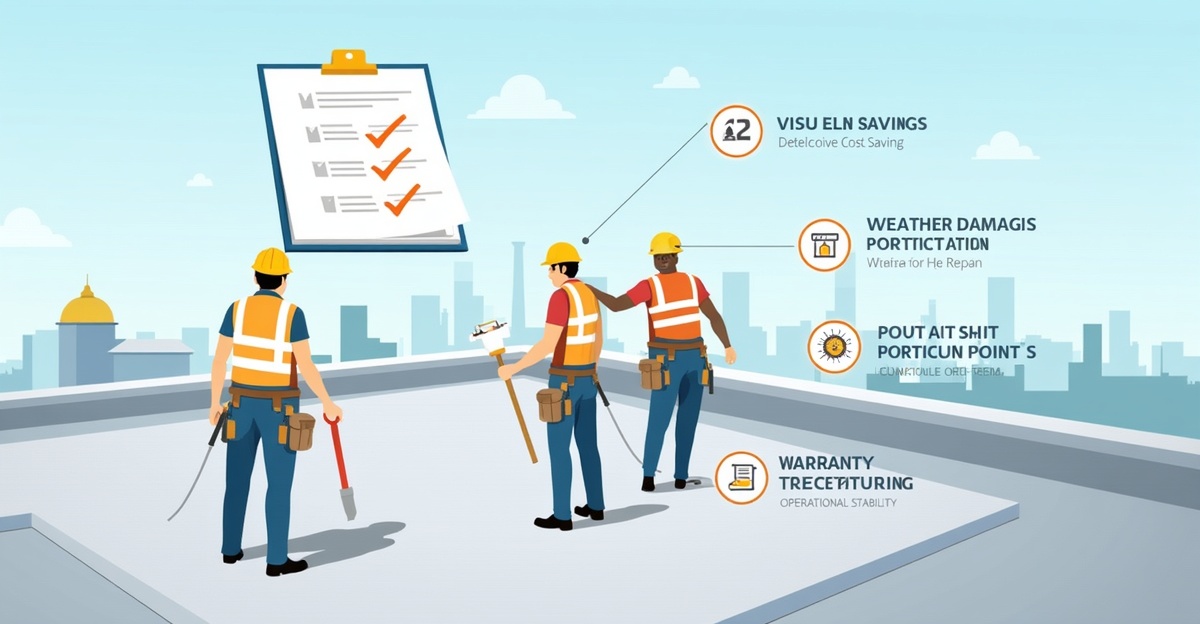
A business roof maintenance plan helps minimize disruptions, manage long-term expenses, and safeguard your property’s value through regular, scheduled upkeep. By spotting early signs of damage and following a consistent care routine, we avoid costly surprises and keep our operations steady.
Key Takeaways
- 80% of commercial roof issues result from skipped maintenance, not aging materials.
- Conducting inspections twice a year and after major storms forms the backbone of any solid plan.
- Staying ahead on maintenance can lower emergency repair expenses by as much as 50% over time.
- Ignoring routine service may void warranties and raise liability exposure, as outlined in most commercial roofing manufacturer warranty requirements.
- Uniform upkeep across buildings streamlines oversight and strengthens budget control.
Why Proactive Roof Maintenance Protects Your Business Investment
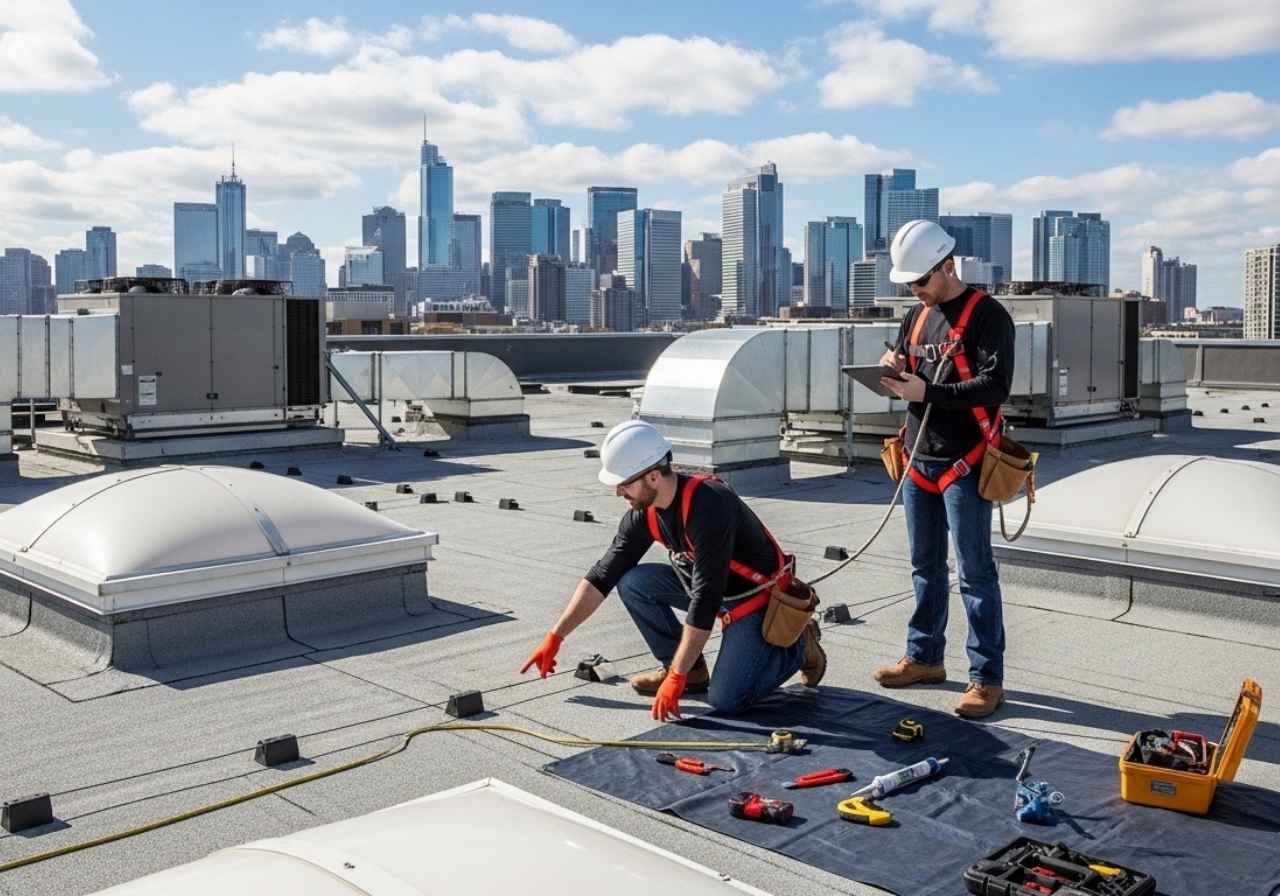
Commercial roofing systems fail more often from neglect than age. In fact, according to the National Roofing Contractors Association (NRCA), “80% of commercial roof failures are due to improper maintenance.” That stat says it all. A solid roof maintenance plan helps you avoid emergencies, extend service life, control costs, and protect your property value.
A planned approach also keeps your team ahead of issues that lead to downtime, liability, or tenant disruption—minimizing business interruption roofing risks significantly while keeping you aligned with roofing trends 2025. General preventive roof maintenance isn’t a luxury—it’s cost control, asset protection, and operational insurance rolled into one.
If you want stable budgets, fewer headaches, and safer buildings, investing in a business roof maintenance plan is the smart move.

What’s Included in a Commercial Roof Maintenance Plan
A maintenance plan is a structured agreement that protects your roof through routine service, clear documentation, and response strategies. It goes beyond “checking after storms”—here’s what’s included in a commercial roof maintenance plan:
Core components of a preventative roofing service plan
- Semi-annual roof inspections—typically spring and fall
- Post-storm assessments with response protocols
- Written condition reports and prioritized repair lists
- Leak tracking logs and early-stage damage fixes
- Roof warranty compliance reviews
- Budget planning for upcoming repairs or replacement
This structure helps you stay compliant, plan ahead, and cut down on surprise spending. You can also follow this detailed commercial roof maintenance checklist to stay organized.
When and How Often Your Roof Should Be Inspected
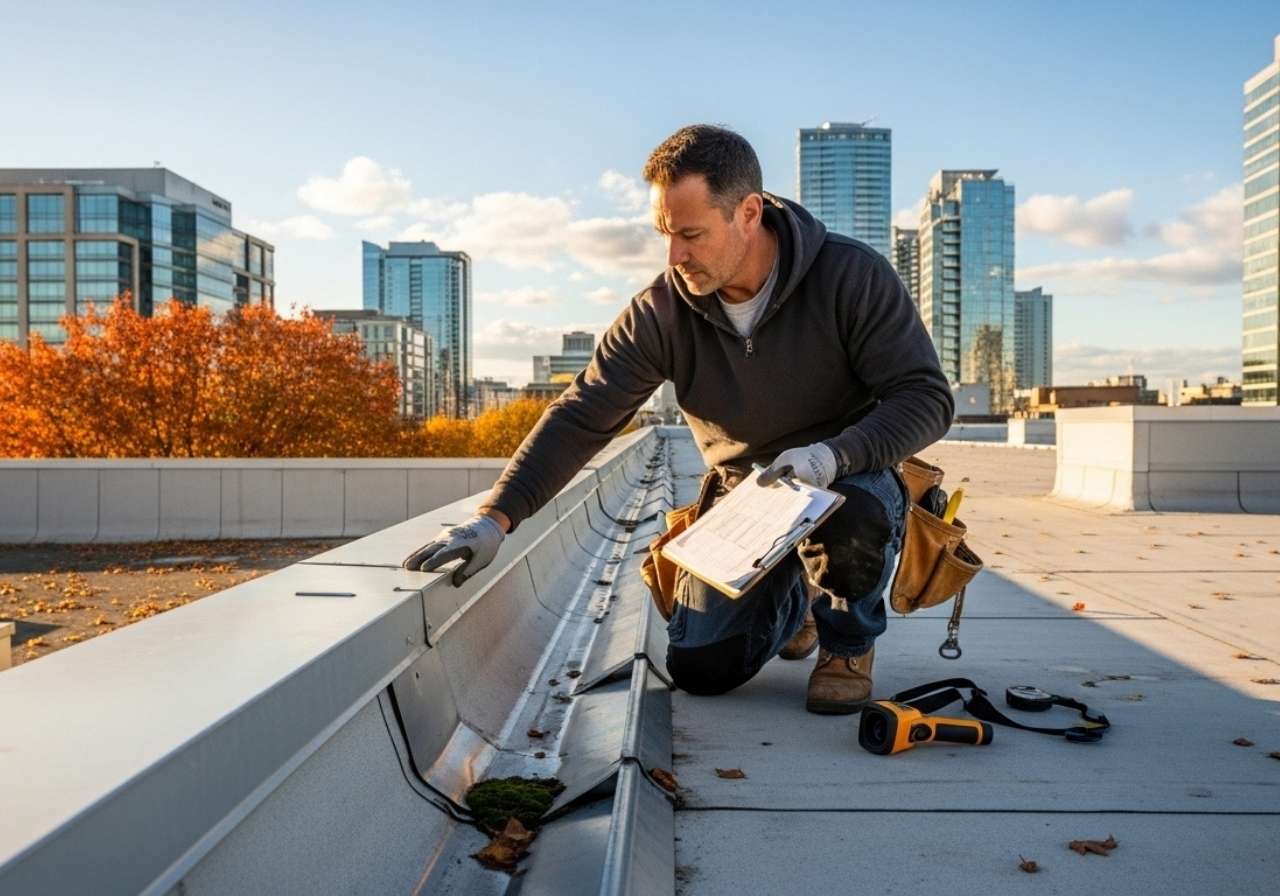
Every business should follow an annual roof maintenance plan as part of their regular commercial roof inspection schedule. The industry standard? Twice a year—once in spring and once in fall. Add an inspection after any major weather event like hail, high winds, or heavy snow.
These routine checks help catch issues early: ponding, flashing damage, blistered membranes. They also flag safety vulnerabilities and document conditions for code and warranty alignment. In fact, sticking to a regular inspection plan can cut reactive repair costs by up to 50% over your roof’s life span, as documented in preventive maintenance lifecycle cost studies.

The High Cost of Ignoring Maintenance
Letting roof issues slide can get expensive fast. A reactive approach leads to:
- Emergency leak calls that cost 3–5 times more than scheduled repairs
- Drenched insulation causing structural rot
- Mold concerns, air quality issues, and rising liability
- Warranties voided due to missing or bad documentation
Even worse, tenants or customers may face interruptions—hurting your brand and legal footing. With issues like these, industrial roof repair becomes an urgent need, not a planned solution. Proactive care isn’t just affordable—it’s the better long-term investment.

Managing Multiple Locations: Why Consistency Matters
If you manage multiple sites, predictability matters even more. You need consistent inspection protocols, centralized reports, and a go-to team that understands your portfolio.
We help clients streamline building maintenance plans across dozens of locations. One trusted commercial roofing contractor. One playbook. Fewer phone calls. Coordinated service saves you time, cuts down admin work, and safeguards your assets.
Proper tracking also powers smarter budget planning and faster insurance response. If you’re tackling multi-site commercial roofing, scalable consistency pays off.
What to Look for in a Maintenance Partner
Here’s what separates a solid maintenance partner from just another bidder:
- Long-term service experience, not just one-off installs
- Portfolio management for multiple properties
- Clear inspection reports and plain-language repair guidance
- Insurance and warranty know-how to keep your coverage intact
Responsiveness, communication, and digital documentation tools matter, too. If you’re ready for fewer surprises and better control, we’re ready to work with you. Check out our commercial roofing contractor services to get started. Or contact us—we’ll take it from here.
Frequently Asked Questions
A business roof maintenance plan is a scheduled program of inspections, minor repairs, and documentation designed to keep a commercial roof in good condition. It focuses on identifying small issues early, maintaining warranty compliance, and reducing the risk of unexpected leaks or failures that disrupt operations.
Most business roof maintenance plans include inspections twice a year, typically in spring and fall. Additional inspections are recommended after major weather events like hail, heavy rain, or high winds to identify damage early and prevent minor issues from becoming costly repairs.
Yes, a business roof maintenance plan helps lower long-term costs by reducing emergency repairs and extending roof lifespan. Routine inspections and minor fixes are far less expensive than reactive repairs, and consistent upkeep can cut emergency roofing expenses by up to half over time.
Skipping routine maintenance can void manufacturer warranties and complicate insurance claims. Many warranties require documented inspections and repairs. A business roof maintenance plan provides the records needed to prove proper care, helping protect coverage and reduce liability risks.
A business roof maintenance plan is especially valuable for companies with multiple locations. Standardized inspections, centralized reporting, and predictable budgets simplify oversight, reduce administrative workload, and ensure consistent roof performance across all properties.