Roof Repair After Hurricanes: What to Know
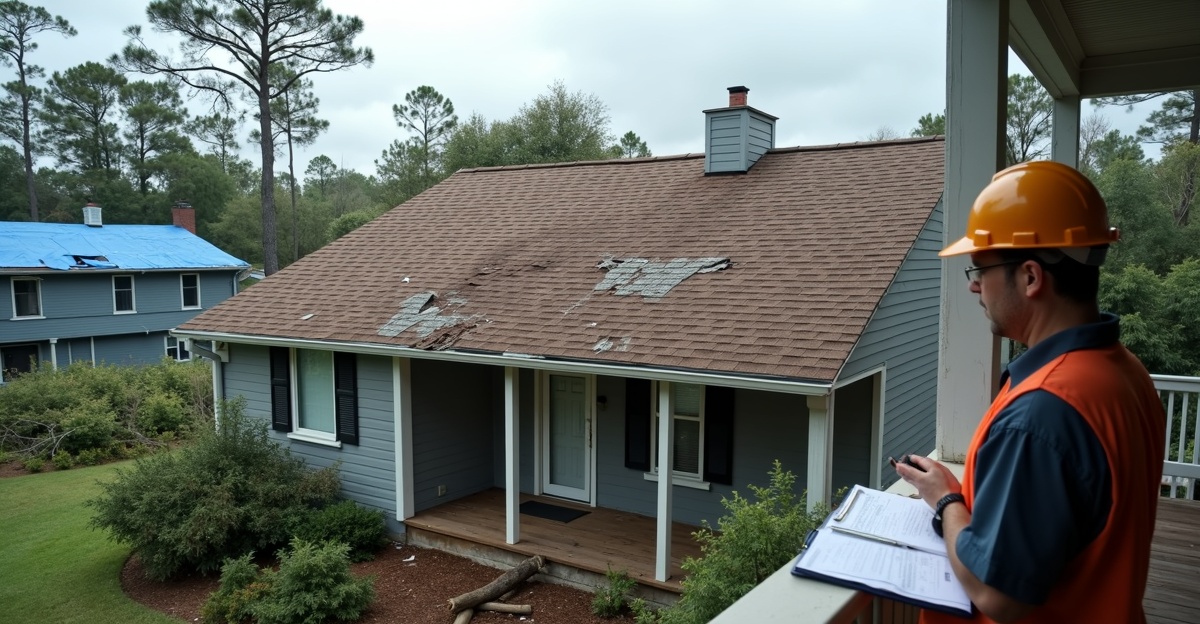
If your home or building suffered damage during a storm, this hurricane roof damage repair guide lays out the critical steps to follow once the hurricane passes. We cover everything from safety checks to insurance prep and contractor selection. With this approach, your recovery process can move forward with fewer delays and fewer setbacks.
Key Takeaways
- Avoid getting on the roof after a hurricane. Stay on the ground, take photos, and keep safety first.
- Watch for clear signs of roof damage—missing shingles, water stains, uneven rooflines, or punctures caused by debris.
- Snap detailed pictures and write notes before starting any cleanup. These records make the insurance claim process faster and more effective.
- Expect delays. Permit processes and contractor waitlists often extend timelines after major storms.
- Confirm that your contractor has the right license, active insurance, and proven experience with storm-related repairs before signing anything.
Safety First: What to Do Immediately After the Storm Passes
After a hurricane, safety should be your top concern. Don’t rush to inspect damage or attempt repairs yourself.
Stay clear of exposed power lines, broken glass, and any part of the structure that looks unstable, following FEMA’s post-hurricane safety recommendations. Avoid climbing onto the roof—it could be slippery or weakened. From the ground, use your phone or camera to document damage. Capture wide shots of the roof and structure, and zoom in for details like missing shingles, loose flashing, or wet patches on ceilings.
If you’re responsible for a commercial property, secure your site to reduce liability. Alert your maintenance team to assess utilities and contain water intrusion. Don’t apply makeshift tarps or sealants—those can make things worse without properly identifying the issue.
Need help with a professional inspection? RayPro is standing by. We provide prompt, qualified support for both homes and commercial buildings when you’re dealing with what to do after hurricane roof damage.
Inspecting the Damage: Signs to Look For on Residential and Commercial Roofs
Hurricane damage isn’t always easy to see. Some signs are obvious, others show up days later. Here’s what to watch for:
Common Hurricane Roof Damage Signs
Look for these red flags:
- Torn or missing shingles
- Bent or detached flashing around vents or chimneys
- Punctures from flying debris
- Water stains on ceilings or walls
- Sagging rooflines
- Overflowing or clogged gutters
On residential roofs—especially asphalt shingle systems—you might see curling shingles or exposed nails. Attic leaks or damp insulation can hint at underlayment breach. In commercial flat roofing, watch for membrane blisters, cracks, pooling water, or edge blow-off. Check drainpipes and rooftop HVAC units carefully.
Understanding your roof’s key parts helps: the underlayment is the moisture barrier beneath visible materials; decking is the structural base; flashing is the metal that seals joints and edges. Damage to any of these areas needs expert attention.
When damage isn’t visible or you’re unsure, get a professional hurricane damage roof inspection. Our team knows how to evaluate both surface issues and deeper structural impact after major storms.
Documenting for Insurance: Tips That Help Claims Move Faster
Before you clean anything up, take photos. Lots of them. Time-stamped photos from multiple angles go a long way in supporting your claim.
Write down details: date and time the storm hit, visible damages, and any steps taken to prevent further harm. Collect estimates from licensed contractors, and keep all receipts related to cleanup and emergency fixes.
Call your insurance provider within 24 to 48 hours, as recommended by the National Association of Insurance Commissioners’ disaster claims guidance. Don’t throw out damaged materials—they may need to be inspected. For better results, arrange for an independent inspection report. We’ve helped hundreds of homeowners and property managers through the roof insurance claims after hurricane process, and our detailed reports are built to meet insurance standards.
Understanding Repair Timelines, Permits, and Common Delays
Repair timelines vary. Light shingle repairs on a house might take a day or two. Extensive damage or full commercial roof replacements can stretch over weeks.
After big storms, inspectors, permit offices, and roofers get backed up. Cities often require permits for structural changes, in accordance with International Code Council building code standards, and those approvals can delay your project further.
Commercial property managers should also plan around building codes, insurer inspections, and operational downtime. At RayPro, we’re familiar with local requirements and can handle all permitting and inspection coordination for you.
For a deeper understanding of your building’s needs, check out our full hurricane roof repair guide.
Choosing the Right Contractor Without Getting Burned
Storm season attracts traveling contractors—some legit, many not. Watch for red flags like:
- No local license or insurance
- Demands for large upfront cash payment
- Pushy sales tactics or vague pricing
- Out-of-state license plates
Before hiring, confirm the contractor’s license and insurance. Ask about experience with storm recovery, not just standard roof jobs. For residential recovery, peace of mind matters most. For commercial jobs, expect documented scopes, long-term performance guarantees, and minimal disruption.
We’re a trusted, local storm damage roofing contractor with years of hurricane-specific experience. Talk with our storm recovery team today for licensed, insured support backed by real results.
How RayPro Makes the Recovery Process Easier
We follow a process that takes pressure off of you:
- In-depth inspection by experienced pros
- Complete photo documentation and condition report
- Support with insurance communication and adjuster meetings
- Code-compliant repairs using high-quality materials
Our staff knows FEMA standards, regional storm patterns, and the differences in residential vs commercial roof repair. From asphalt shingles to flat roof membranes, we’ve handled it.
Use our free hurricane roof repair checklist to stay on track, or contact us to request a call from our team.
Schedule Your Post-Hurricane Roof Assessment with RayPro Today.
Frequently Asked Questions
The first step is ensuring personal safety and documenting damage from the ground. Avoid climbing onto the roof, as storm damage can weaken structures and create fall hazards. Take clear photos of missing shingles, debris impact, leaks, or sagging areas. This documentation is essential for insurance claims and helps professionals assess the extent of hurricane roof damage accurately.
You should start the process immediately, but repairs may not happen right away. Contact your insurance company and a licensed roofing contractor within 24–48 hours to get on inspection lists. After major hurricanes, material shortages, permit approvals, and contractor backlogs often delay work, so early action helps reduce overall repair timelines.
Yes, improper temporary fixes can complicate insurance claims. While insurers expect you to prevent further damage, using unapproved tarps or sealants without documentation may hide issues or be considered unauthorized repairs. Always photograph damage first, keep receipts, and consult a professional before making temporary repairs to ensure compliance with insurance requirements.
The most common hurricane roof damage includes missing or lifted shingles, damaged flashing, punctures from debris, and water intrusion. Flat commercial roofs may experience membrane tears, pooling water, or edge failure. Some damage isn’t visible immediately and may appear later as leaks, stains, or structural sagging, making professional inspections critical.
Choose a contractor with a valid local license, active insurance, and proven experience with storm-related repairs. Avoid contractors who demand large upfront payments or pressure you into quick decisions. A reliable professional will provide written estimates, clear repair scopes, permit handling, and documentation that aligns with insurance and building code requirements.