Roof Replacement vs Roof Restoration
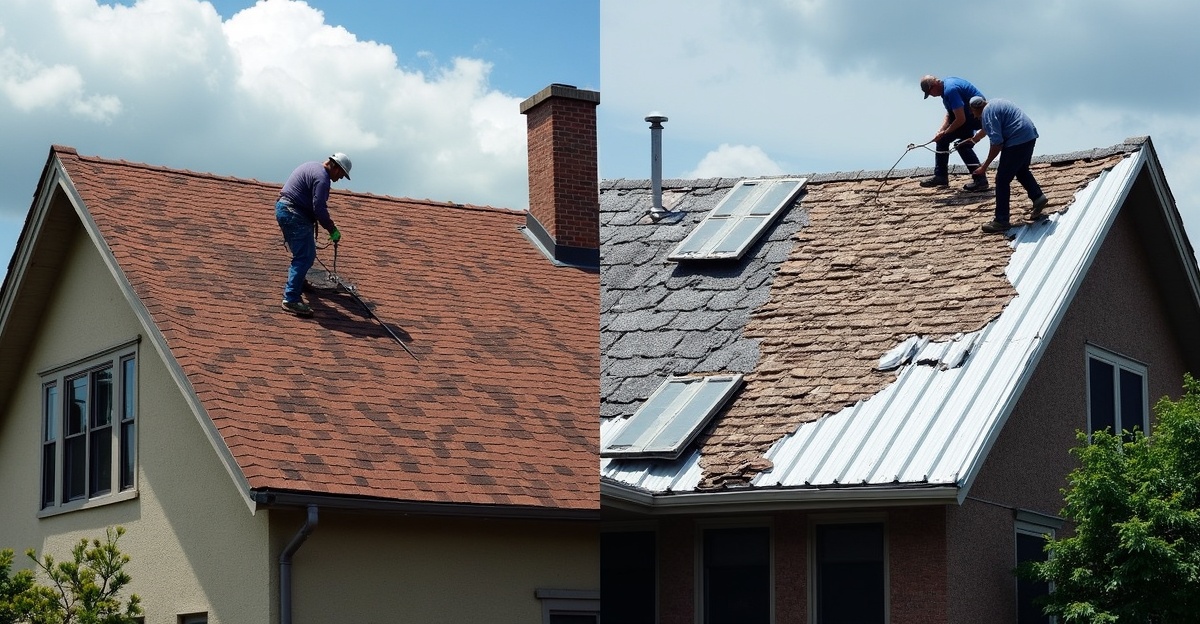
Figuring out whether to restore or replace a roof starts with a clear look at its current condition—from surface wear to deeper structural problems. Restoration can add years and save money if the core structure remains solid. But widespread decay, leaks, or sagging usually mean that replacement offers better long-term value.
Key Takeaways
- Restoration works best when damage stays on the surface and the roof deck and insulation remain strong.
- Replacement becomes essential when the structure sags, leaks repeatedly, or shows its age.
- Restoration costs less, finishes faster, and causes less disruption than full replacement.
- Residential roofs reaching 20–25 years with visible wear often need replacement to ensure ongoing protection.
- Commercial roofs can handle several rounds of restoration, but if insulation gets wet or seams fail, replacement makes more sense.
How to Know If Your Roof Needs Restoration or Full Replacement
Not every aging or leaking roof needs to be torn off and replaced. Sometimes, a restoration can give your current system a second life. Other situations call for starting fresh. Knowing the difference saves time, money, and a whole lot of headaches.
Here’s how to tell when to restore a roof versus when a full roof replacement is the smarter choice.
Common Signs You May Only Need a Restoration
Restoration makes sense when the structure under the roofing is still in good condition. You might spot:
- Minor to moderate leaks that haven’t repeated in the same spots
- Worn or fading surface materials, like cracked coatings
- Blistering, UV damage, or surface granule loss without core material failure
- Aged reflective coatings no longer performing but substrate still intact
Signs Roof Needs Replacement
Major problems aren’t fixed with a new coating. Watch for:
- Structural sagging or soft spots in the roof deck
- Multiple or recurring leaks, especially if they reappear soon after repairs
- Shingles or membrane pieces missing, curled, or severely cracked
- Roof older than 25 years and no recent updates
- Visible storm damage: punctures, impact marks, blown-off sections
These are the kind of signals we often spot during inspections that justify a full roof replacement.
Quick Guide for Residential and Commercial Roofs
Residential Property Clues: Water stains in ceilings, missing or curled shingles, attic moisture, and roofs nearing 20–25 years old often point to bigger issues. Don’t wait too long to check—getting ahead of damage keeps repair or replacement manageable.
Commercial Property Clues: Flat roofs with ponding water, visible membrane bubbles or splits, or lost reflectivity mean it may be time to ask about roof coating or full restoration. But if your insulation is wet or seams have failed, replacement could be next.
If you’re unsure where your roof stands, check out the clear signs you need a new roof or give us a call for an inspection.
Restoration vs Replacement: Side-by-Side Comparison
There’s no universal “better” option. Each building, roof system, and budget calls for a judgment call. Here’s how they stack up:
| Factor | Restoration | Replacement |
|---|---|---|
| Estimated Cost | $6–$10 per sq. ft. | $12–$20+ per sq. ft. |
| Lifespan Gain | 10–15 years | 20–50+ years |
| Time to Complete | Several days | 1–3 weeks or more |
| Disruption Level | Minimal, low noise | High, structural tear-off needed |
| Environmental Impact | Low—reuses materials | High—generates debris |
| Eligibility | Base must be solid | Required if deck is compromised |
For specifics on financial impact, see our detailed post on the cost breakdown of roof replacement and roof restoration pricing.
How Restoration Works—and When It’s the Smart Move
Roof restoration is a multi-step process that brings life back to worn but usable roofs.
What’s Involved in Roof Restoration
Here’s what a solid restoration typically includes:
- Spot repairs to flashing, seams, or cracks
- Thorough cleaning and prep of the existing roof surface
- Application of roofing sealants and pain points patched
- Layer of elastomeric or asphalt-based coating applied across full surface
This is especially common for flat or low-slope commercial roofs, but we also restore residential systems when appropriate.
When Restoration Makes Sense
Restoration is ideal when the roof deck is still strong, there’s no saturation in the insulation, and damage is superficial. Done right, restored roofs last another 10–15 years—often enough to defer major expense.
Benefits include:
- For homes: Lower cost, quicker turnaround, less disruption inside
- For businesses: Limited impact on operations, and potential tax write-offs in some regions
That said, we never suggest restoration if there’s widespread deck rot or water saturation. In those cases, a full replacement is the safer route.
What Happens During a Full Roof Replacement
A full roof replacement involves more than laying new shingles or membrane. Here’s the general process:
- Initial inspection and estimate
- Removal of all existing roofing down to the decking
- Deck repair if rotted or damaged boards are found
- Installation of new underlayment, material (shingles, tile, membrane, etc.), flashing, and vents
- Inspection approvals and final walk-through
- Issuance of material and labor warranties
Real-World Examples
On residential projects, we often handle asphalt shingle replacements, including deck repair and attic ventilation improvement.
On commercial properties, we manage flat roof replacements using TPO, EPDM, or metal systems—often upgrading insulation values and energy efficiency.
While costs can climb, the long-term ROI from full replacement includes decades of low maintenance, eligibility for extended warranties, and compliance with updated building codes.
Choosing the Right Path for Your Property
There’s no one-size plan. Here’s a quick way to evaluate:
- Under 15 years old, few leaks, solid base = Consider restoration
- Over 20–25 years, multiple issues, deck damage = Consider full replacement
Ask your contractor:
- Is the deck sound enough to support new coatings?
- Will restoration affect my material warranty?
- What’s the expected lifespan extension of each option?
At RayPro, we never push one method over another—we evaluate and recommend based on what truly fits your situation. If you’re torn between roof repair vs replacement, reach out for clarity.
Start with a no-pressure review by professionals who know both systems inside and out. Contact us here.
Special Considerations for Commercial vs Residential Projects
Different buildings come with different priorities. What makes sense for a family home might not fly for a retail warehouse.
What to Prioritize
Residential roofing prioritizes:
- Family comfort and safety
- Managing costs through smart phasing or financing
- Quick cleanup and neighborhood impact
- Curb appeal and home value for resale or refi
Residential roofing solutions often lean toward full replacement when aesthetics and long-term warranties matter most.
Commercial roofing tends to focus on:
- Keeping business operations running during work
- Staying compliant with insurance, fire, and energy codes
- Managing multi-building portfolios and budgets
- Tax-forward planning (restoration may be expensable)
In many commercial settings, commercial roof restoration can be applied more than once before replacement becomes necessary. That’s not often true in residential builds.
Whichever route you’re considering, make sure your contractor understands the nuances of each building type and secures permits and warranties that hold up.
For smart residential upgrades or commercial strategy calls, we’ve got the experience to guide you through the right fit—not just the fastest sale.