
Roof Ventilation: Why It’s Crucial for Every Property
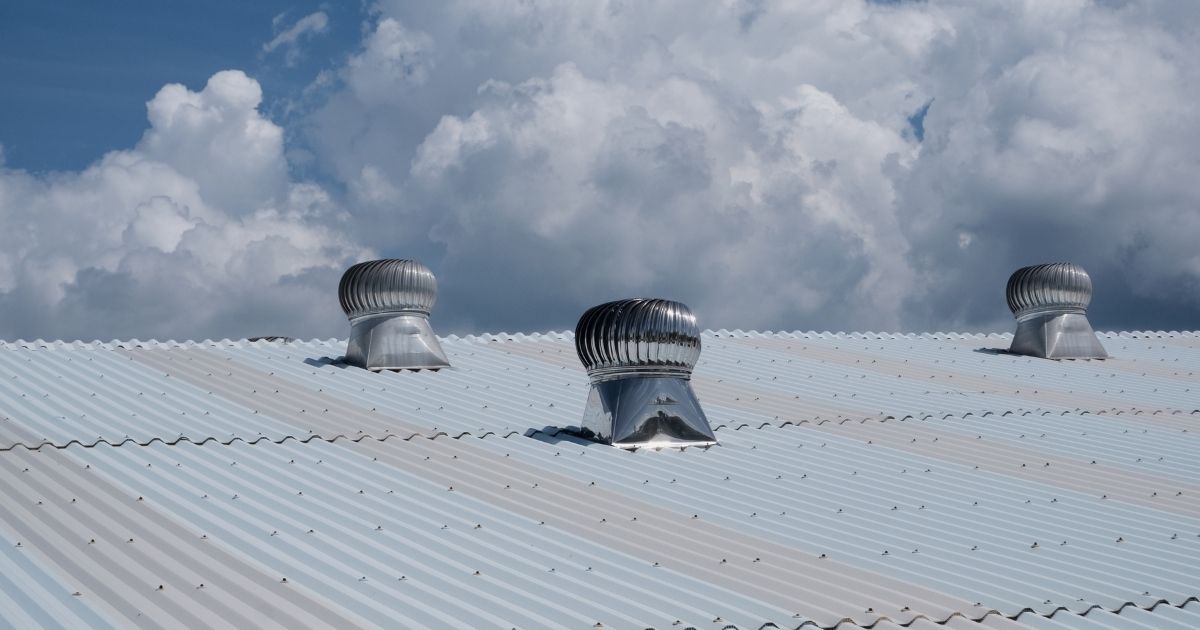
When most people think about roofing, ventilation isn’t the first thing that comes to mind—but it should be. Understanding roof ventilation importance is key to protecting your property, lowering energy bills, and preventing costly damage down the line. Whether you own a single-family home or manage a portfolio of commercial buildings, this guide will show you why proper airflow isn’t optional—it’s essential.
In this article, we’ll break down:
- What roof ventilation is and why it matters
- How poor ventilation impacts your property
- The biggest benefits of proper airflow
- The types of ventilation systems available
- When and why you should upgrade
- Why RayPro is a trusted expert in ventilation solutions
Let’s start by looking at what roof ventilation actually is—and why every property needs it.
What Is Roof Ventilation and Why It Matters
When we talk about the health of your roof, ventilation isn’t just a technical detail—it’s one of the most important systems working behind the scenes. Whether you’re maintaining a single-family home or managing a multi-building commercial portfolio, proper roof ventilation plays a critical role in protecting your property, your comfort, and your investment.
How Roof Ventilation Works
Every building needs a way to let fresh air in and push trapped air out—especially in the attic or roof cavity. That’s the job of a ventilation system. It works by balancing intake and exhaust: cooler air enters through soffit vents (typically located along the roof eaves), while warm, stale air escapes through ridge or roof vents at the top.
This process—called attic airflow—creates a continuous movement of air that helps control temperature and moisture levels under the roof surface, as described in the ENERGY STAR “About Attic Ventilation” guide. When ventilation is working properly, it prevents hot air from getting trapped in the summer and moisture from building up in colder months. That means fewer issues with condensation, mold, and heat-related roof wear over time.
Why It’s Important for Homes and Facilities
For homeowners, roof ventilation helps keep attics cooler, lowers energy bills, and extends the life of roofing materials—a point underscored by Owens Corning’s guidance on proper attic ventilation. It also helps prevent common problems like warped shingles, moisture damage, and insulation breakdown. If your attic feels like a sauna in the summer or you’ve noticed musty smells or frost in winter, your ventilation might not be doing its job.
In commercial buildings, the stakes are even higher. Poor ventilation can disrupt indoor climate control, overwork HVAC systems, and lead to premature roof deterioration—especially in flat or low-slope roof systems that trap heat. For facilities operating under strict compliance, code violations tied to inadequate airflow can create additional liability and cost.
Ventilation also ties directly into the building envelope performance—how well a structure resists heat, air, and moisture transfer. A well-ventilated roof helps regulate that balance, protecting everything from the interior drywall to the mechanical systems running behind the walls.
Key takeaway: Roof ventilation isn’t a nice-to-have—it’s a must-have. Whether you’re safeguarding your family’s comfort or protecting a multi-million-dollar asset, proper attic airflow is essential to keeping your roof (and your budget) in top shape.
How Poor Roof Ventilation Impacts Your Property
When roof ventilation is lacking or blocked, problems don’t always show up right away—but over time, the damage can be extensive and expensive. Poor airflow traps heat and moisture inside your attic or roof cavity, quietly putting stress on your home or building from the inside out.
Common Signs to Watch For
If you’ve ever asked, “Why is my attic so hot?”, that’s often the first red flag. During warmer months, a poorly ventilated attic can reach temperatures well above 130°F. That trapped heat doesn’t just make your upstairs rooms harder to cool—it can also bake your shingles from below, causing them to age faster than they should.
Other warning signs include:
- Musty odors or visible mold around the attic or ceiling
- Frost or condensation in the attic during colder months
- Uneven indoor temperatures or HVAC systems that run constantly
- Peeling paint, warped decking, or soft roof spots
- Higher-than-normal energy bills, especially during peak seasons
In commercial buildings, poor ventilation can lead to overheating in mechanical rooms, tenant comfort complaints, and added wear on HVAC infrastructure. These issues are often subtle at first but can quickly escalate into costly repairs or compliance headaches.
Risks of Neglecting Ventilation
When airflow is restricted, warm moist air has nowhere to go. This leads to condensation buildup, which can soak insulation, weaken roof structures, and create the perfect environment for mold and mildew roof damage. Left unchecked, moisture may rot wood framing, rust nails, and even compromise fire-rated assemblies.
In hot climates, heat buildup in attics forces cooling systems to work harder. This not only increases wear and tear on HVAC units, but it also has a direct impact on your monthly costs. Poor ventilation can contribute to significant spikes in utility bills—especially in large buildings or homes with attic ductwork.
Commercial or residential, the outcome is the same: without proper roof moisture prevention, what starts as a hidden issue can lead to structural damage, reduced roof lifespan, and increased long-term costs.
Key takeaway: Poor ventilation quietly chips away at the integrity of your property. Recognizing the signs early and addressing airflow issues can prevent major repairs, reduce energy waste, and protect the structure for years to come.
Benefits of Proper Roof Ventilation
Good roof ventilation isn’t just about avoiding problems—it’s about maximizing your property’s performance, comfort, and long-term value. Whether you’re managing a commercial facility or maintaining your family home, a well-designed ventilation system delivers real, measurable benefits.
Lower Energy Costs & Better Comfort
Proper airflow helps regulate attic temperatures year-round. In summer, it reduces heat buildup, easing the load on your air conditioning. In winter, it prevents warm indoor air from condensing in the attic, protecting insulation and air quality. This balance supports HVAC efficiency and ventilation, which directly translates to more consistent indoor temperatures and less strain on your heating and cooling systems.
For both homeowners and building managers, this means lower utility bills and fewer complaints about uncomfortable rooms or overworked thermostats. It’s also a key component of energy-efficient roofing, especially when paired with proper insulation and reflective materials.
Longer Roof Life & Fewer Repairs
Heat and moisture are two of the biggest enemies of any roof. When these elements are left unchecked, they speed up material deterioration, warp decking, and cause leaks. But with the right ventilation in place, your roof can “breathe”—releasing trapped air and moisture before it becomes a problem.
The result? Less stress on shingles, underlayment, and framing materials. Over time, this translates to fewer repairs, better performance in extreme weather, and a longer overall roof lifespan. For commercial portfolios, extending roof service life across multiple buildings can significantly reduce capital expenses.
Code Compliance & Insurance Support
Proper ventilation isn’t just a best practice—it’s often a requirement. Building codes in many states mandate minimum ventilation standards for health, safety, and energy efficiency. Ensuring your property meets or exceeds roofing code compliance can help avoid inspection failures, permit delays, or retrofit requirements during future renovations.
Additionally, ventilation can play a role in roof ventilation and insurance claims. If storm damage or moisture issues are made worse by poor airflow, some insurers may push back on coverage. Demonstrating that your system is up to code—and proactively maintained—can strengthen your case and support smoother claims processing.
Key takeaway: Investing in roof ventilation isn’t just about preventing damage—it’s about building smarter. From energy savings to system longevity and regulatory confidence, proper airflow supports the health and value of your entire property.
Ventilation System Types: What Are Your Options?
If your roof isn’t ventilated properly—or at all—knowing your options is the first step toward a smarter, more efficient system. While the specifics will vary based on property type, layout, and local climate, most systems fall into two categories: passive and active. Each has its advantages, and the right solution often comes down to the size and design of your building.
Passive vs. Active Ventilation Systems
Passive ventilation relies on natural air movement—using the principles of warm air rising and cooler air entering from below. The most common setup includes soffit vents (at the roof’s eaves) to pull in fresh air and ridge vents (along the roof peak) to release hot, moist air. Because there are no moving parts, these systems are quiet, low-maintenance, and highly effective when properly installed.
Active ventilation, on the other hand, uses mechanical fans to push or pull air through the attic or roof cavity. These can be electric, solar-powered, or wind-driven and are typically used in buildings where natural airflow alone isn’t strong enough. While active systems offer more control—especially in large or complex roof structures—they require power, ongoing maintenance, and careful calibration to avoid over-ventilating.
Both systems can be highly effective, and in some cases, they’re used together to enhance airflow in tricky roof designs or larger spaces.
Choosing the Right Fit for Your Property
For residential homes, passive systems with soffit and ridge vent systems are usually sufficient—especially for standard pitched roofs with proper attic space. They’re energy-efficient, unobtrusive, and cost-effective for long-term performance.
In multi-family housing or larger commercial buildings, the strategy shifts. Flat roofs, tight ceiling cavities, or high-occupancy environments often demand active components to maintain air balance. These properties may also require custom ventilation layouts to meet building codes or accommodate infrastructure like HVAC units and solar arrays.
The best approach is always tailored. A professional inspection can determine whether your current system is doing its job—and if it’s not, what type of upgrade will provide the best return on investment.
Key takeaway: Whether you go passive, active, or a hybrid of both, the right roof ventilation system should match your property’s size, structure, and performance goals. What matters most is getting clean, balanced airflow that protects your building from the inside out.
When to Inspect or Upgrade Your Roof Ventilation
Roof ventilation often goes unnoticed—until there’s a problem. But like any critical system, it works best when it’s proactively maintained. Knowing when to inspect or upgrade your ventilation can save you from bigger, costlier issues down the line.
Trigger Events to Watch For
There are a few clear signals that it’s time to schedule a professional inspection:
- Storm damage: High winds, hail, and heavy rains can damage vents or shift roofing components, disrupting airflow. Even if your roof looks intact from the ground, internal damage can restrict ventilation and lead to storm-related ventilation damage that gets worse over time.
- Renovations or attic build-outs: If you’ve recently added insulation, finished an attic space, or made structural changes, your existing ventilation may no longer be adequate. Sealed-up air pathways can lead to moisture buildup and poor energy performance.
- Solar installations: Adding solar panels? This is the perfect time to evaluate your ventilation system. Many homes require a solar panel detach and reset process for roof upgrades, and combining this with a ventilation assessment can optimize energy performance and reduce future disruptions.
- Rising utility bills: A sudden spike in heating or cooling costs could point to poor airflow. If your HVAC system is working overtime and comfort is still an issue, ventilation might be the missing piece.
Integration with Other Services
Roof ventilation isn’t a stand-alone feature—it ties directly into other systems and upgrades. During roofing inspections and assessments, a trained contractor can evaluate whether your current ventilation is meeting code, functioning correctly, and supporting energy efficiency.
At RayPro, ventilation reviews are commonly bundled with:
- Roof replacements or repairs
- Solar panel projects that require safe panel removal and reinstallation
- Energy audits that assess insulation, HVAC loads, and air movement together
These services don’t just identify problems—they help create a comprehensive, cost-effective solution that improves your building’s performance from the roof down.
Key takeaway: Don’t wait for visible damage to check your ventilation. If you’re planning a roof project, solar install, or seeing signs of energy inefficiency, now’s the time to assess your system. An expert inspection today can prevent major issues tomorrow.
Why Choose RayPro for Roof Ventilation Assessment and Service
When it comes to something as important as your roof’s ventilation, experience and trust matter. At RayPro Roofing & General Contracting, we’ve spent over 17 years helping homeowners and commercial property managers across 17 states protect their investments with smart, reliable roofing solutions—and ventilation is a critical part of that.
We’re fully licensed, insured, and backed by hundreds of five-star reviews from customers who value our transparency, craftsmanship, and follow-through. Whether you own a single-family home, manage a multi-site portfolio, or operate an institutional facility, our team understands the unique ventilation needs of each building type—and how to solve them without disrupting your daily operations or family life.
Our ventilation services are often integrated with:
We don’t believe in quick fixes or guesswork. Instead, we provide clear assessments, honest recommendations, and quality workmanship that stands the test of time. From identifying airflow blockages to designing systems that meet code and improve performance, we help you make informed decisions that support both comfort and cost savings.
Key takeaway: If you’re concerned about poor ventilation or planning a roofing or solar project, RayPro is the partner you can count on. We bring the right mix of expertise, scale, and personal service to get the job done right—across residential and commercial properties alike.
Conclusion: Ventilation Is a Smart, Preventive Investment
Roof ventilation isn’t just a technical detail—it’s a key part of protecting your property from the inside out. As we’ve covered, proper airflow reduces energy costs, supports HVAC performance, prevents moisture damage, and extends the life of your roof. On the flip side, ignoring ventilation issues can lead to higher bills, structural wear, and even insurance complications.
Whether you’re managing a commercial facility or caring for your home, ventilation is one of the smartest—and most cost-effective—investments you can make in long-term property health.
If you’re unsure about your current system or planning a roofing, solar, or renovation project, our team at RayPro is here to help. We’ll assess your property, explain your options, and make sure your ventilation is doing what it’s supposed to—quietly protecting your building every day.
Need expert advice or a no-pressure inspection?
Reach out to RayPro and get the clarity you need to move forward with confidence.
Frequently Asked Questions
Common signs include an overly hot attic, musty smells, mold growth, frost or condensation in the attic, peeling paint, and unusually high energy bills. In commercial buildings, tenant discomfort or HVAC strain may also indicate poor airflow.
When heat builds up in the attic, your HVAC system works harder to cool or heat the building, leading to increased utility bills. Inadequate ventilation also reduces insulation effectiveness, making your property less energy efficient overall.
Yes, it’s a smart time to evaluate your ventilation. Solar panel installation often involves a solar panel detach and reset process, which creates a perfect opportunity to inspect or upgrade ventilation to ensure optimal energy performance and code compliance.
Absolutely. Trapped moisture can lead to mold and mildew roof damage, rot in wooden structures, rusting hardware, and general degradation of roofing materials. It can also impact indoor air quality and insulation performance.
Passive ventilation uses natural airflow through soffit and ridge vent systems to circulate air, while active ventilation involves mechanical systems like fans to move air in and out. The best system depends on your roof design, property size, and ventilation goals.