Signs Your HVAC System Needs Replacement
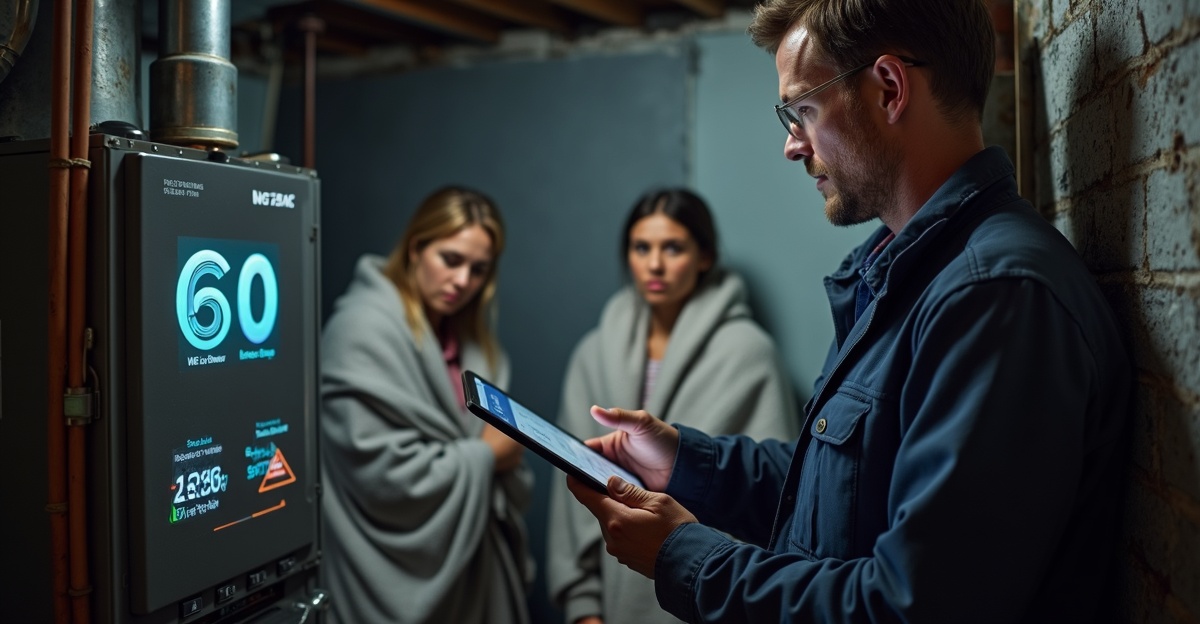
Noticing short cycling, uneven temperatures, or rising energy bills means your HVAC system could be nearing the end of its life. Frequent breakdowns, weak airflow, and moisture buildup aren’t surface-level issues—they often reflect deeper failures that grow more expensive over time.
Key Takeaways
- Unsteady airflow, strange noises, and short cycling signal a possible need for HVAC replacement.
- Steady increases in energy bills usually mean less system efficiency and higher running costs.
- Musty odors, humidity problems, and inconsistent comfort throughout your space often point to internal wear or broken parts.
- If your system is over 10 to 15 years old and repair quotes come close to half the cost of a new unit, replacement makes more financial sense.
- Homes and businesses face different challenges, but regular checkups help avoid costly disruptions in both environments.
Can’t-Ignore Signs Your HVAC System May Be Failing
If your HVAC system can’t keep up on hot days or struggles to keep your space warm in winter, it’s time to pay attention. These are clear symptoms of HVAC failure. When these signs show up repeatedly, they point to deeper issues that won’t go away on their own.
Watch for these common red flags:
- Inconsistent airflow between rooms
- Frequent breakdowns or the need for service calls
- Loud or strange noises like rattling, grinding, or popping
- Sudden spikes in your energy bill
- Poor temperature regulation or uneven heating and cooling
If the AC kicks on and off constantly (known as short cycling), or if certain rooms never reach the right temperature, something’s off. Rising utility bills can also signal that your system is no longer operating efficiently—costing you more every month while delivering less comfort.
Ignoring these signs your HVAC system is failing can lead to expensive repairs or complete breakdowns. Spot them early, and you’ll have more options—and fewer emergency headaches.
Often Overlooked Warning Signs That Lead to Bigger Problems
Some HVAC problems fly under the radar. They don’t stop your system entirely but chip away at performance, indoor air quality, and long-term reliability.
Here’s what many property owners miss:
- High humidity inside, even when your AC is running
- Stuffy or uneven airflow—if some rooms always feel off
- Musty or burning smells coming from vents (this could be mold or electrical issues), especially since the EPA notes that uncontrolled indoor humidity can contribute to mold growth
- Short cycling, where the system starts and stops repeatedly
- A growing to-do list of minor repairs every year
If you’ve noticed any of these signs but aren’t sure whether they’re serious, don’t brush them off. These can point to leaks, clogged drain lines, or failing components that are harder (and more expensive) to fix later.
We recommend scheduling annual inspections—or twice a year if your system gets heavy use. A professional HVAC inspection checklist will pick up on the issues behind the symptoms and give you clarity before small fixes become big replacements.
Repair vs. Replace: How to Know What Makes Financial Sense
Deciding on HVAC repair vs replacement doesn’t have to be complicated. There’s a basic rule of thumb that works as a starting point:
If your system is over 10–15 years old and repairs cost 30–50% of what a new system would cost, replacement usually makes better financial sense.
Here’s a quick comparison to help:
- Repair: Lower upfront cost, but may be a short-term fix. Risk of needing more service.
- Replacement: Higher initial cost, but much better efficiency and fewer breakdowns.
- Age factor: HVAC system lifespan is usually 15–20 years, according to guidance from the U.S. Department of Energy. Nearing the end? Replacement is worth considering.
- Operating costs: Older systems waste energy. A new unit can lower bills significantly, especially when upgrading to ENERGY STAR® certified equipment.
Not sure where your system stands? Start by reviewing your service history and energy costs. If you’re still torn, check out our guide on how to decide between repair and replacement.
Residential vs. Commercial HVAC: What’s at Stake
The consequences of HVAC problems aren’t the same for every building. For homeowners, it’s about comfort, safety, and utility bills. For commercial spaces, there’s more on the line—like tenant satisfaction, operational stability, and code compliance.
Impact of HVAC issues by property type:
- Residential: Poor airflow or a unit that struggles in extreme weather can affect your sleep, your energy use, and your family’s health. If you’re dealing with high humidity or stale air, it’s time for a closer look at your system.
- Commercial: HVAC failure affects more than comfort. Missed maintenance can violate environmental codes, shut down operations, or even trigger legal complaints. For buildings with zoned HVAC, a failed unit in a single area may allow for partial replacement—avoiding business-wide disruption.
Whether you’re facing commercial HVAC replacement or residential HVAC issues, downtime costs more than dollars. Overheating in a medical office or undercooling in a restaurant can damage your business’s reputation. Keep the system healthy and compliant before it causes problems.
What to Ask Before You Commit to a Replacement
Before investing in a new HVAC system, ask the right questions. A quality contractor should walk you through every option clearly and openly.
Ask these before signing off:
- What’s the warranty coverage for parts and labor?
- Can the existing ductwork be reused, or does it need changes?
- What energy-efficient features are included?
- Are there any rebates or tax credits available?
- How long will installation take, and what’s the disruption?
This is where a professional inspection matters. During an evaluation, we’ll look at airflow, pressure levels, refrigerant condition, thermostat accuracy, and system age. It’s more than a quick once-over—it’s a thorough evaluation rooted in data, experience, and your long-term needs.
And if you’re still weighing options, contact us for a no-pressure walkthrough. We’ll look at your space, explain the issues, and offer recommendations you can trust.
Next Steps: How RayPro Helps You Make the Smart Call
We help property owners across Texas make smart, informed calls when their HVAC systems start slipping. Whether you manage a commercial facility or just want to keep your home comfortable, our team focuses on facts—not upselling.
If you’re noticing HVAC replacement signs like rising bills or uneven temperatures, let us help you sort through what’s next. We offer detailed inspections, second opinions, and honest assessments. And if replacement makes sense, our HVAC services include energy-efficient options designed to make your system perform better and last longer.
For commercial maintenance plans or upgraded residential systems, RayPro’s team brings the right tools and knowledge to get it done right.
Need a little extra help? We’ve also created a handy checklist of the top signs it’s time to replace your HVAC, available as a print-friendly guide. Just let us know and we’ll send it over.
Whether it’s time for a replacement or just a few repairs, we’re here to find the right fix for you.
Frequently Asked Questions
Many homeowners miss subtle HVAC replacement signs like rising humidity, weak airflow in certain rooms, or systems that run constantly without improving comfort. These issues often point to worn internal components or poor efficiency rather than simple maintenance problems. Over time, ignoring these signs leads to higher energy bills, more frequent repairs, and reduced indoor air quality.
If your HVAC system is older than 10–15 years and repair costs are approaching 30–50% of the price of a new unit, replacement is usually the smarter option. Frequent breakdowns, declining efficiency, and inconsistent temperatures indicate deeper system wear. Repairs may offer temporary relief but won’t restore long-term performance or reliability.
Yes, steadily increasing energy bills are a major HVAC replacement sign. As systems age, they lose efficiency and require more power to deliver the same heating or cooling. Even if the unit still runs, worn parts, airflow issues, or outdated technology can significantly increase operating costs compared to newer, energy-efficient systems.
Short cycling doesn’t always require immediate replacement, but it’s a serious warning sign. It can result from failing compressors, incorrect system sizing, or control issues. If short cycling continues after basic repairs or occurs alongside other problems like uneven temperatures and high energy use, replacement may be the most cost-effective long-term solution.
The best time to replace an HVAC system is before it fails completely—often during mild seasons like spring or fall. Planning ahead allows you to compare options, avoid emergency installation costs, and schedule work with minimal disruption. Replacing early can also prevent sudden breakdowns during peak heating or cooling demand.