The Benefits of Installing Solar Roofing Systems
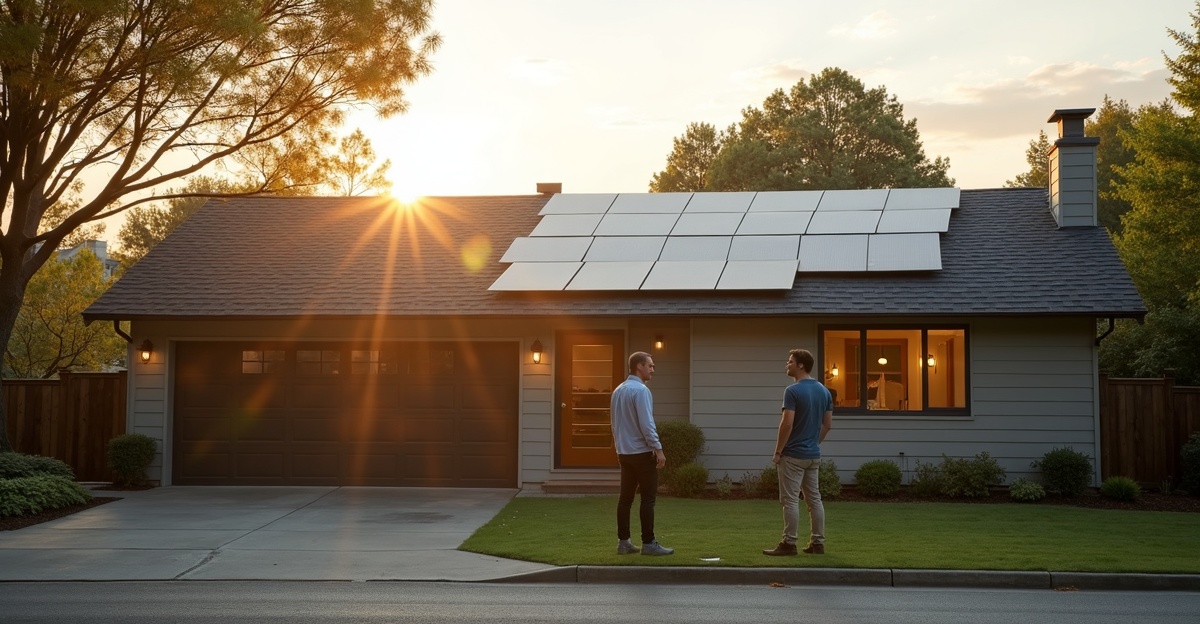
Installing a solar roofing system delivers measurable solar roofing benefits, including lower monthly utility bills, stronger long-term ROI, and increased property value for residential and commercial properties. When we align solar with roof condition, tax incentives, and energy usage, we create predictable savings, operational stability, and long-term asset protection.
Key Takeaways
- Most solar roofing systems achieve practical ROI within 6–12 years, while delivering 25+ years of performance and extended long-term savings.
- Federal, state, and local solar tax incentives, along with depreciation for commercial properties, improve financial returns significantly.
- Integrating solar during roof replacement eliminates duplicate labor and protects system lifespan and warranties.
- Commercial owners reduce operating expenses, strengthen NOI, support ESG goals, and increase potential asset value.
- A thorough evaluation of roof condition, sun exposure, utility rates, and energy usage ensures accurate system sizing and realistic savings projections.
Immediate Energy Savings and Predictable Long-Term ROI
Solar roofing benefits are straightforward. We lower monthly utility bills and protect our properties from rising energy costs.
Electric rates rarely move in our favor. Generating power on our own roof gives us control. Whether we own a business or a home, that control translates into consistent solar roofing cost savings year after year.
Most systems reach a practical solar roof ROI within 6–12 years. The exact timeline depends on system size, location, utility rates, available solar tax incentives, and how much electricity we offset. After that break-even point, the electricity produced over the remaining 15–20+ years often represents substantial savings.
Solar panels commonly carry 25-year performance warranties. Over a 25–30 year solar roof lifespan, cumulative savings can far exceed the initial investment, especially in areas with higher power costs.
Federal, state, and local solar tax incentives improve the picture. Depending on location, those may include tax credits, rebates, net metering programs, or for commercial properties, accelerated depreciation. Incentives change periodically, so we always confirm current programs before modeling a project.
For commercial property owners, solar roof return on investment reaches beyond utility savings. Lower operating expenses reduce OpEx and can improve Net Operating Income (NOI). Because valuation often ties directly to NOI, energy savings can raise asset value. Depreciation benefits further strengthen the financial case.
Homeowners experience it differently. Predictable monthly savings bring stability to the household budget. Over time, we offset rate hikes and reduce long-term utility dependence. For deeper insight into how solar panels directly affect energy spend, see how solar panels can lower energy costs.
Stronger Property Value and Long-Term Asset Protection
Property improvements should work on two levels: protection and performance. Integrated solar roofing systems do both.
So, does solar roofing increase property value? In many markets, yes. Buyers pay attention to lower projected utility bills and modern energy upgrades. We see stronger resale interest and added competitiveness for properties equipped with well-installed systems. We break this down further in how solar roofing boosts home value.
Integrated solar roofing systems combine weather protection and energy generation into one coordinated assembly. The roofing material shields the structure. The solar component produces electricity. Planning both together avoids conflicts between trades and extends the system’s long-term reliability.
Timing matters. If the roof is near the end of its service life, installing solar without addressing the roofing first often leads to duplicate labor later. Aligning solar installation with a roof replacement prevents paying twice to remove and reinstall panels. In some cases, a new roof installation creates the cleanest, most efficient starting point.
Panels generally carry 25+ year performance expectations. The solar roof lifespan of the underlying material varies. Asphalt shingles differ from standing seam metal roofing, and flat commercial membranes follow another timeline. We evaluate both systems together so they age in sync.
Commercial buildings benefit from increased asset valuation and improved building positioning for ESG-focused investors. Lower operating costs can positively influence capitalization rates. Solar roof return on investment includes financial and strategic value.
Homeowners gain curb appeal and modern aesthetics. Energy-efficient homes often draw stronger buyer interest. Just as important, families enjoy the benefits of solar roofing every day they live in the home.
Operational Stability for Businesses and Peace of Mind for Homeowners
Commercial solar roofing systems create operating stability. Reducing exposure to utility rate volatility helps stabilize margins. For owners managing multiple sites, solar energy for commercial buildings allows consistent energy planning across the portfolio.
Many organizations also face sustainability reporting requirements. Solar installations support ESG initiatives and demonstrate measurable progress without sacrificing financial performance.
Project coordination matters. Permitting, inspections, and utility approvals require planning. We stage installations to limit operational disruption, especially for active facilities. Our team evaluates structural load, roof condition, attachment method, and electrical integration before making recommendations for any commercial roofing system tied to solar.
Homeowners experience a different benefit: peace of mind. Residential solar roof installation reduces dependence on external power sources and softens the impact of high-demand seasons. We confirm roof condition and structural capacity before moving forward. Safety and longevity come first.
We also coordinate installation through our solar panel installation services to maintain clear accountability from roofing to electrical work. That unified approach avoids finger-pointing and protects warranties.
Environmental Impact That Supports Long-Term Strategy
Solar roof advantages include measurable environmental gains. Generating electricity on-site reduces reliance on fossil fuels and lowers overall carbon output.
For businesses, sustainability can be a competitive differentiator. Tenants increasingly favor energy-efficient spaces. Investors value responsible asset management. Solar energy for commercial buildings supports brand perception and aligns with regulatory trends without ignoring financial metrics.
Homeowners appreciate contributing to a cleaner environment while protecting their family’s future. The benefits of solar roofing extend beyond cost. Reduced emissions and smarter energy use create long-term community value.
Environmental performance should complement financial analysis, not replace it. We weigh projected solar roof ROI alongside emission reductions. That balanced view protects both profitability and responsibility.
Energy-efficient upgrades in general deliver lasting returns. For broader context, see the benefits of energy-efficient roofing and consider how solar fits into the bigger picture.
Understanding Costs, Limitations, and Solar Roofing Pros and Cons
Solar roofing requires higher upfront investment than traditional roofing alone. That reality deserves clear discussion. Equipment, inverters, design, permitting, and labor add cost. Over time, solar roofing cost savings and available solar tax incentives typically offset much of that investment, but the payback window varies.
Roof condition is critical. Installing solar on a failing roof rarely makes financial sense. The ideal timing is during roof replacement or when the current roof has plenty of structural life remaining. We analyze expected solar roof lifespan alongside the roofing material’s remaining service life.
Key Performance Factors
Before projecting savings, we evaluate:
- Sun exposure and roof orientation
- Shading from trees or adjacent structures
- Local climate and seasonal variation
- Utility rate structure and net metering availability
- Historical energy usage patterns
Maintenance is manageable but real. Solar roof maintenance includes periodic inspections, cleaning when debris affects output, and monitoring system performance. We help clients understand expectations so there are no surprises. If concerns arise about how solar installation interacts with roofing materials, review how solar panels impact roof lifespan.
Insurance carriers may require documentation of professional installation and updated property values. Permitting timelines vary by jurisdiction. We guide that process from start to finish and reinforce a balanced view of solar roofing pros and cons. Overpromising helps no one. Accurate projections build trust.
What to Evaluate Before Installing a Solar Roofing System
Solar roofing systems generally refer to two approaches: traditional panels mounted on an existing roof and integrated solar roofing systems built directly into roofing materials. Both generate power. The right choice depends on structure, budget, and long-term goals.
Clarity starts with purpose. Are we focused on short-term bill reduction or long-term asset strategy? Commercial solar roofing systems often require formal ROI modeling, depreciation planning, and coordination with capital improvement schedules. Residential solar roof installation often prioritizes comfort, predictability, and family savings.
We always begin with a professional roof inspection. We assess age, material, structural capacity, and remaining lifespan. If upgrades are needed, our residential roofing services or broader roofing services address issues before panels go up.
Accurate sizing depends on real data. Reviewing 12–24 months of utility bills allows precise system design. Overbuilding wastes capital. Underbuilding limits solar roofing benefits and slows solar roof ROI.
Solar makes the most financial sense when ownership plans are stable, energy costs are trending upward, and applicable incentives are available. We walk clients through what to know before moving forward in what to know before installing solar panels.
The next logical step is simple. Schedule a solar-ready roof assessment or reach out through our contact page to discuss whether solar aligns with your property goals. We’ll evaluate structure, usage, incentives, and long-term plans, then provide clear recommendations grounded in experience and solid numbers.