The Environmental Impact of Roofing Materials
Roofing plays a major role in how efficiently a building runs. It’s more than just aesthetics—it affects energy use, environmental impact, and how a structure performs over time. Sustainable roofing options help us save on utilities, lower emissions, and build smarter, more durable properties—whether we’re working on residential homes or commercial buildings.
Key Takeaways
- Sustainable roofing materials like metal, clay tile, and recycled shingles help lower energy use and minimize landfill waste for decades.
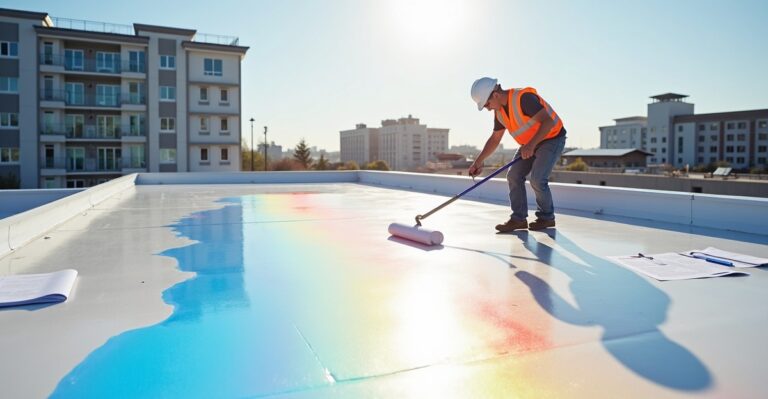
- Cool roofs and reflective coatings can reduce cooling bills by as much as 15%, especially in warmer regions.
- Commercial spaces gain a strong advantage using green roofs and energy-saving systems that align with ESG goals and ease the load on HVAC systems.
- Climate and geography matter—materials must suit local weather patterns, follow building codes, and hold up over time.
- These options may cost more upfront, but they deliver strong long-term value through energy savings, longer life, and available incentives.
Why Roofing Material Choice Matters for the Environment and Your Bottom Line
Roofing isn’t just a building’s cap—it’s one of the biggest factors in environmental impact. The material you choose shapes energy use, waste output, and even how your neighborhood handles heat. Eco-friendly roofing materials help lower utility bills, cut down carbon emissions, and make roofs last longer, which means less waste over time.
If you’re in a warm climate, energy-efficient roofs can reduce cooling costs by up to 15%. That’s real savings year after year. Plus, sustainable materials can increase your property’s value and help meet green building standards like LEED. For commercial properties, green roofing isn’t just smart—it’s often necessary to meet codes, tax incentive terms, or corporate ESG goals. Choosing smart now leads to less spending later and stronger long-term performance. We break it all down in our full roofing sustainability guide.
Roofing Material Comparison: Environmental Pros, Cons, and What Fits Where
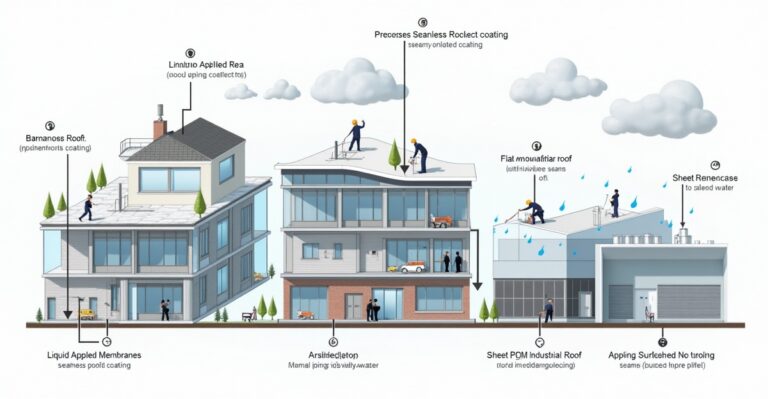
Here’s how popular roofing materials stack up when it comes to sustainability, lifespan, and use cases:
| Material | Environmental Advantages | Average Lifespan | Best For |
|---|---|---|---|
| Metal Roofs | Recyclable, made with up to 95% recycled content, strong solar reflectivity | 40–70 years | Most residential and commercial jobs |
| Recycled Shingles | Repurposed content (rubber, wood, asphalt), diverts waste from landfills | 20–30 years | Budget-conscious homeowners |
| Clay/Slate Tile | Natural material, minimal processing, extremely long-lasting | Up to 100 years | Homes in hot, dry climates |
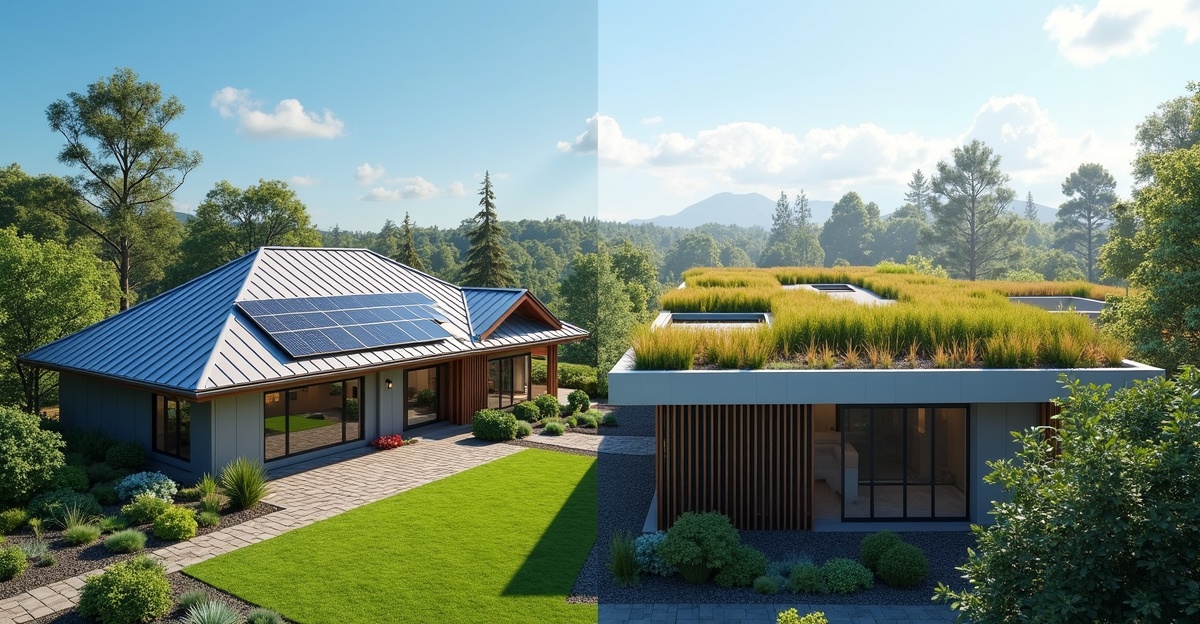
| Green Roofs | Improves air quality, controls runoff, reduces urban heat islands | 40+ years (with upkeep) | Flat-roof commercial properties |
| Cool Roofs | Reflect heat, ENERGY STAR® options, lightens building cooling loads | 20–50 years | Sun-heavy areas, all property types |
Need help deciding? This article on metal vs. asphalt shingles provides even more insight.
Sustainable Roofing Options for Homeowners
Good news—making an eco-conscious roofing choice at home is easier than ever. Some of the most effective and popular residential green roof options include:
Top Residential Eco Materials
- Cool asphalt shingles: Work well with traditional designs and drop attic temps. Learn about energy-saving options in our post on cool roof asphalt shingles.
- Painted metal roofing: Can be made to mimic shakes or tiles, reflects solar heat, and lasts much longer than shingles.
- Recycled shingles: Safe, affordable, and cut landfill use. Good for low-budget upgrades.
- Clay tile: Natural material with standout heat resistance, especially useful in dry regions like the Southwest.
Keep in mind that some options cost more upfront but win out in reduced bills and less frequent repairs. For pet- and child-friendly homes, non-toxic and low off-gassing materials are available too. We install long-lasting, eco-conscious shingle roofing that blends performance and curb appeal.
Commercial Eco Roofing That Pays Off Over Time
Green roofing systems make strong business sense. Commercial buildings benefit greatly from options that reduce HVAC strain and minimize repairs over decades. Let’s break down a few strategies:
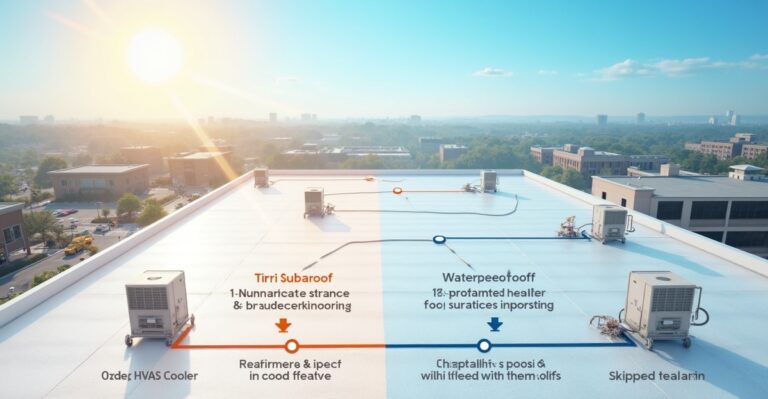
- Cool and reflective membranes (like TPO) reduce absorption and cut rooftop temperatures, helping HVAC systems last longer.
- Green roofs handle stormwater well and meet municipal sustainability requirements—plus, they boost a company’s eco credibility.
- Metal is highly durable and recyclable. Great for warehouses, schools, and office complexes.
- Rubber roof systems offer low VOC emissions, energy efficiency, and easy repairs.
Whether upgrading an existing roof or beginning design for a new facility, we can help you navigate options that meet ENERGY STAR® and LEED standards while anchoring long-term savings. Our flat roofing services cover the most efficient and durable choices for business properties.
Regional and Climate Considerations: Choosing Roofing That Works Where You Are
Not every eco roof is a fit for every region. Climate shapes what works—and what causes problems down the line.
- Hot Southern areas: Go with cool roofing or light-colored metal. These reduce attic heat and AC loads.
- Cold, snowy regions: Slate, metal, or concrete tile helps manage snow load and prevents ice damming.
- Dry, high UV zones: Clay tiles or coated metal endure better under brutal sun.
Some roofing types may conflict with local building codes, or require materials not readily available nearby. That’s why working with a knowledgeable contractor matters. We’ll help you find roofing that fits your property’s needs and your region’s demands.
Things to Keep in Mind When Choosing the Right Roof
Every project has its own details. Whether you’re budgeting for a home or running logistics for a facility, consider these:
- Total budget vs. lifecycle cost over 20–50 years
- Maintenance needs and frequency
- How the roof matches your structure and architecture
- Comfort and safety (e.g., does the material produce chemical off-gassing?)
- Local incentives or tax credits for cool roofs and ENERGY STAR materials
We’re here to help you make confident, informed choices. Download our roofing sustainability guide or schedule a consultation with our team. A smart roof upgrade today can mean fewer expenses, better comfort, and stronger resale in the future.
Frequently Asked Questions
Eco friendly roofing materials include metal roofing, recycled shingles, clay or slate tile, and cool roof asphalt shingles. These options reduce environmental impact by using recycled or natural materials, lasting longer than standard roofs, and improving energy efficiency. Many also reflect sunlight, which helps lower cooling costs and reduces overall energy demand.
Eco friendly roofing materials often cost more upfront, but they usually provide better long-term value. Longer lifespans, lower maintenance needs, and reduced energy bills help offset the initial investment. In some areas, tax credits, rebates, or energy incentives further reduce the total cost over the roof’s lifetime.
Many eco friendly roofing materials are designed to reflect solar heat or provide better insulation. Cool roofs and metal roofing reduce heat absorption, keeping indoor temperatures lower. This decreases the workload on air conditioning systems, which can cut cooling expenses by up to 15% in warm climates.
Eco friendly roofing materials work best when matched to local climate conditions. Metal and slate perform well in snowy regions, while clay tiles and cool roofs excel in hot, sunny areas. Choosing the right material ensures durability, energy efficiency, and compliance with local building codes.
Eco friendly roofing materials generally last longer than conventional options. Metal roofs can last 40–70 years, clay and slate can exceed 100 years, and green roofs can last decades with proper maintenance. Longer lifespans reduce replacement frequency, saving resources and minimizing landfill waste.