The Importance of Proper Electrical Wiring
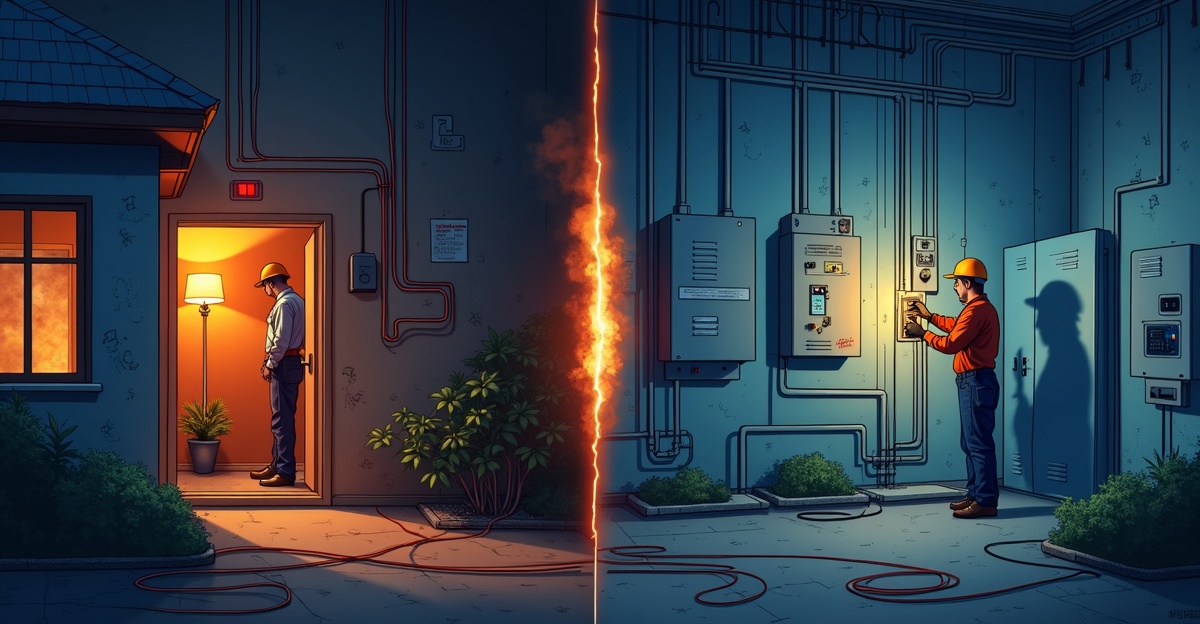
Electrical wiring safety goes beyond stopping sparks—it shields lives, protects property, and keeps expenses in check. Old or damaged wiring causes many house fires and disrupts business operations. That’s why proper installation and ongoing code compliance matter for long-term protection and performance.
Key Takeaways
- Old or faulty wiring poses a major fire risk and may lead to denied insurance claims if ignored.
- Warning signs in homes include flickering lights, a burning odor, or warm outlet covers.
- In commercial spaces, wiring problems can damage equipment, create legal trouble, and lead to expensive delays.
- Aluminum or fabric-insulated wiring is outdated and increases the chance of electrical hazards.
- Licensed inspections confirm compliance with electrical codes and help maintain consistent, safe power in your building.
Why Wiring Safety Matters More Than You Think
Electrical systems are easy to overlook—until something goes wrong. According to the National Fire Protection Association’s latest U.S. home fire statistics, electrical issues are among the leading causes of home structure fires. That puts faulty wiring on par with major household hazards.
Outdated electrical wiring risks more than flickering lights. It can trigger fires, cause electric shock, destroy electronics, and jeopardize your insurance coverage. Wiring that doesn’t meet modern electrical code opens you to code violation fines, lost property value, and unsafe living or working conditions.
In commercial spaces, a single faulty wire can disrupt daily operations, wreck equipment, and expose you to legal trouble. Failure to stay compliant with local codes doesn’t just delay inspections—it can shut your business down.
Investing in proper wiring protects lives and property, strengthens insurance claims, avoids costly downtime, and ensures your home or building performs safely for years to come.
Top Signs Your Wiring May Be Unsafe
Knowing how to spot unsafe wiring can prevent major problems. Whether you’re a homeowner or facility manager, stay alert to these signals.
Visual and Performance Cues
You don’t need to pull wires out of the wall to know there’s a problem. Unsafe systems show themselves in everyday signs:
- Flickering lights or outlets that spark
- Discolored or scorched switches and outlet covers
- A burning smell near outlets or switch plates
- Wall plates that feel warm to the touch
- Circuit breakers that trip frequently
Red Flags in Aging Systems
Older systems weren’t built to handle today’s electrical demand. Here’s what to look for:
- Aluminum wiring in homes built before the 1970s
- Fabric-insulated wiring or knob-and-tube systems
- Multiple extension cords or power strips in one outlet
- Devices that overheat even with light use
Here’s a quick-reference checklist of common signs of faulty electrical wiring:
- Frequent breaker trips
- Buzzing lights or panels
- Warm or discolored outlets
- Burning or plastic smells
- Lights dimming during appliance use
- Cracked or frayed wiring insulation
- Missing GFCI outlets near moisture zones
- Suddenly high electric bills without increased usage
- Loose outlet plugs
- Shock or tingling from switch plates or appliances
If you notice more than one of these, it’s time for a professional inspection. Learn what to expect from an electrical safety inspection for homes or facilities before small issues turn severe.
Residential Electrical Hazards: Safety Starts at Home
Older homes can be charming, but their wiring may not handle modern demand. High-powered appliances, smart systems, and home offices all pull more power than wiring from decades ago was designed to carry.
Outdated panels, overloaded circuits, and missing ground fault protection aren’t just inconvenient—they’re safety risks. The National Electrical Code (NEC) now requires GFCIs in kitchens, bathrooms, garages, and outdoor outlets to reduce shock hazards. Missing those protections leaves homes vulnerable.
Upgrades aren’t just about safety. They can also lower your insurance premium, boost resale value, and prepare your home for future needs.
Schedule an inspection if:
- Your wiring hasn’t been updated in over 10 years
- You’re planning a remodel, EV charger, or power-hungry appliance
- Lights regularly dim or flicker
- You smell burning or feel heat from switches
Wiring Risks and Requirements in Commercial Buildings
Poor electrical wiring in commercial buildings does more than trip a breaker. It can cripple operations, damage equipment, and raise serious questions like is faulty wiring in your small business a liability risk?
Facilities are subject to strict compliance rules. The NEC and OSHA’s electrical safety standards for commercial facilities set national requirements, while local codes often expand on load balancing, circuit labeling, ground clearances, and system accessibility.
Warning Signs in Commercial Systems
If your building experiences any of these issues, your wiring may not meet safe standards:
- Buzzing or hot electrical panels
- Power fluctuations that crash systems or reboot equipment
- Failed fuse boxes or constantly resetting breakers
- Unlabeled or undocumented wires in ceiling spaces or wall chases
- High-load equipment causing frequent overloads
For property managers and business owners, routine inspections keep electrical code violations from becoming costly disasters. They also help protect against insurance denial and ensure long-term occupancy viability.
Work with a licensed contractor who understands commercial building electrical compliance, especially if your facility includes production lines, computing systems, or public areas.
Understanding Your Wiring System: Common Terms, Explained
You don’t need to be an electrician to understand how your system works. Here are some plain-English definitions to help you spot problems and understand upgrades.
- Ground fault: When electricity strays from its intended path and finds a shortcut to ground, usually through a person or metal object. This causes shocks and fires.
- Breaker overload: When a circuit pulls more electricity than it’s rated for, the breaker cuts power to prevent overheating.
- Aluminum wiring—widely installed in the 1960s and 1970s—has been identified by the U.S. Consumer Product Safety Commission as a potential fire hazard in older homes due to connection failures caused by thermal expansion.
- GFCIs: Ground fault circuit interrupters shut power off instantly if they detect a fault. Required in all wet areas by current code.
- AFCIs: Arc fault circuit interrupters detect more dangerous arcing-type faults, which can lead to fires, and are now required in bedrooms and other living areas.
Modern systems use grounded outlets, copper wire, and breakers that match the load of each circuit. Replacing outdated components helps reduce the risk of failure and extends your system’s lifespan.
If you’re unsure what kind of wiring you have or what the next step is, you’ll find help on our general contracting services page where we cover full inspections, upgrades, and renovations.
When to Call a Licensed Electrical Contractor
Electrical work isn’t the place to cut corners or experiment with DIY fixes. Mistakes in this area can be deadly and often violate building codes. Broken connections, exposed wiring, or the wrong breaker type can all spark disaster.
Here’s when you should bring in a licensed electrical contractor:
- Buying or selling any type of property
- Planning a remodel, expansion, or major appliance upgrade
- Living with frequent breaker trips or power surges
- After flooding, storm damage, or rodent infestations
Licensed contractors can pull permits, file code compliance documents, and make sure your insurance won’t leave you high and dry after a hazard.
We handle everything from outlet upgrades to full-system rewiring with minimal disruption. Whether you’re modernizing a house or bringing a commercial building up to code, our electricians work smart, fast, and safe.
Considering doing it yourself? Before you grab a screwdriver, read our reminder on the dangers of home repair shortcuts, especially with complex systems.
For safer homes and buildings, schedule a licensed inspection. Use our contact page to request an evaluation or get specific answers about your electrical system.
Frequently Asked Questions
The most important electrical wiring safety tips include avoiding overloaded outlets, replacing damaged cords, and ensuring your wiring meets current electrical codes. Homeowners should also install GFCI outlets in wet areas, keep extension cord use temporary, and schedule regular inspections. These steps reduce fire risk, prevent electric shock, and help identify hidden wiring problems early.
Unsafe electrical wiring often shows clear warning signs such as flickering lights, burning smells, warm outlets, or frequent breaker trips. You may also notice discolored switch plates or buzzing sounds. These symptoms usually indicate loose connections, overloaded circuits, or outdated wiring that should be inspected by a licensed professional.
Outdated wiring is dangerous because it was not designed to handle modern electrical loads. Older systems may lack grounding, use aluminum or fabric insulation, and overheat under today’s appliance demand. This increases the risk of electrical fires, shocks, and equipment damage while also causing issues with insurance coverage and code compliance.
Yes, faulty electrical wiring can affect insurance claims if it is found to be a known but unaddressed hazard. Insurance providers may deny coverage for fire or damage caused by outdated or non-compliant wiring. Regular inspections and timely upgrades help demonstrate due diligence and reduce the risk of claim denial.
You should call an electrician if you experience frequent breaker trips, burning odors, warm switches, or power fluctuations. Electrical work is also recommended before remodeling, installing high-demand appliances, or buying an older property. Licensed electricians ensure repairs meet code requirements and reduce long-term safety and legal risks.