The Ultimate Guide to Commercial Construction Projects
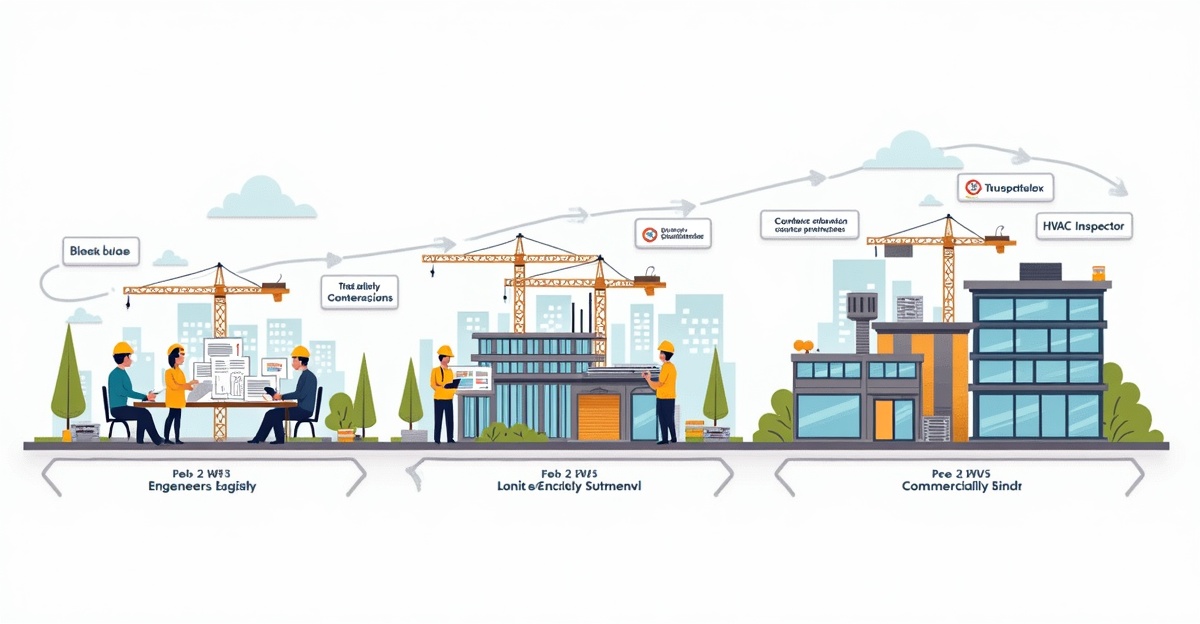
A successful commercial construction project starts with more than drawings and a budget. It begins with a solid strategy. This commercial construction guide walks through each phase of development—starting with planning and permits, moving through site execution, and ending with final inspections and maintenance. We help steer clear of costly errors and set the foundation for strong outcomes.
Key Takeaways
- Early planning shapes every outcome—including cost, code compliance, and scheduling. Strong pre-construction work can reduce expenses by up to 20%.
- A full project budget must include permit fees, labor, rising material costs, and at least a 10% contingency buffer.
- Accurate, code-compliant permit drawings keep projects moving. ADA requirements, fire codes, and stormwater rules must be built into every plan to avoid fines and delays.
- Picking the right general contractor goes beyond pricing. We recommend focusing on clear communication, fast response times, and how well they manage vendors.
- Long-term value depends on decisions made during construction. Proper maintenance planning and smart material selection both lower future costs.
What You Need to Know Before You Build: Commercial Projects from the Ground Up
Commercial construction isn’t just residential work on a larger scale—it’s an entirely different undertaking. These projects carry higher financial stakes, involve longer timelines, demand coordination between multiple contractors, and face more intense regulatory oversight. A hospital, retail plaza, or logistics warehouse has far more moving parts and risk exposure than a home build. That’s why having a reliable commercial construction guide helps you avoid costly mistakes early on.
In commercial jobs, everyone involved—from owners and investors to facility managers—affects budget, compliance, and long-term asset value. Decisions made during project planning directly impact whether you stay compliant, stay on track, or go over budget. According to McKinsey & Company, owners and property managers can reduce total project costs by up to 20% with thoughtful planning during the pre-construction phase.
Quick Glossary: Common Terms
- RFI (Request for Information): A formal question sent by a vendor or subcontractor to clarify project details.
- GC (General Contractor): The firm responsible for overseeing the construction project from start to finish.
- Permit Set: Final architectural and engineering drawings used for permitting and inspections.
- Punch List: A list of last tasks or fixes before final project sign-off and payment.
- Is the site zoned for this type of building?
- What’s our actual budget ceiling, including buffer for surprises?
- How will we maintain the property to preserve value after handoff?
Pre-Construction Planning and Budget Realities
Every successful project starts with asking the right planning questions early. That includes site analysis, environmental reviews, zoning checks, and confirming utility access. Skipping these steps almost always leads to delays.
A dependable pre-construction checklist forces tough discussions about code, cost control, and performance standards before breaking ground. Having the hard conversations now helps avoid problems later.
What Should Be in Your Commercial Construction Budget?
Make sure your budget includes these key elements:
- Pre-construction studies and permit fees
- Material cost escalation buffers
- Labor rates and worksite security
- Contingency fund (at least 10% is recommended)
- Plans for parking, signage, and landscaping
KPMG reports that 85% of commercial projects go over budget or schedule—mainly due to early planning gaps. We’ve seen cost overruns caused by missed third-party inspections or underscoping interior build-out needs. These risks are avoidable with solid prep.
If you want a more detailed look at budgeting, check out our guide on construction budgeting for businesses, especially if roofing is a major line item.
Design, Permitting, and Compliance: Avoiding Costly Delays
Design and permitting go hand-in-hand. Your architect’s sketches need to meet ADA standards, stormwater rules, and fire codes. Zoning limits height, parking, and noise. And every revision adds time.
Delays caused by incomplete drawings or rejected permits can freeze your schedule and burn cash. Permit sets must be clean, accurate, and on time. There are no shortcuts here.
We’ve worked on jobs across multiple states, managing tricky review cycles and licensing hoops. That experience matters—it keeps your momentum going as permits get submitted and approved.
Your Permitting & Code Compliance Essentials
Here’s what you’ll need to track:
- Full site plan and utility layout
- Fire suppression and egress review
- Storm drainage and erosion control plan
- Structural engineering sign-offs
- Accessibility check (ADA)
- Environmental and EPA criteria
Watch out for the common traps.
- Submitting incomplete permit sets—leads to rejection and rework
- Forgetting about federal stormwater regulations—can result in steep fines
- Skipping ADA compliance checks—puts occupancy approvals at risk
Choosing the Right Contractor and Managing Vendors
The right commercial general contractor brings more than workers—they bring accountability. You want someone who can stick to a schedule, manage change orders without drama, and keep everyone aligned.
Low bids aren’t always smart picks. Look for transparency in how change orders are proposed, how RFIs get logged, and how updates are shared. A strong GC will lead the flow between engineers, suppliers, and specialty trades.
We recently completed a multi-state project with staggered contractor crews, rolling inspections, and tight deadlines. Coordinating that came down to experience, proactive scheduling, and transparency across every layer.
- Vague contracts with minimal project scope
- Slow RFI response times or skipped documentation
- No clear vendor coordination process
Need help choosing a commercial contractor with proven multi-phase execution? Our commercial roofing and construction teams are here to help.
From Groundbreaking to Final Walkthrough: How Execution Works
Once permits are issued and crews are mobilized, execution begins. Here’s the typical path:
- Site mobilization and erosion control
- Foundation and utility trenching
- Framing, envelope, and weatherproofing
- MEP (Mechanical, Electrical, Plumbing) install
- Interior buildout and finishing
- Final inspections, punch list items, and handoff
Safety remains a top priority, especially as trades overlap. Communication tools and real-time updates keep everyone accountable.
We keep clients looped in through every milestone. From framing progress to fire sprinkler inspections, we provide live updates to reduce missteps.
What to Check Before You Sign Off on a Commercial Job
Before final approval:
- Walk the site with your GC and facilities team
- Confirm that the punch list is complete
- Verify you’ve received the occupancy certificate
- Review the closeout package: permits, product data, warranties
Final review is where hidden issues often surface. Don’t rush it. Have your facility management ready to flag anything that doesn’t meet expectations.
Supporting Long-Term Value: Maintenance Planning & ROI
The build doesn’t end when the ribbon gets cut. Warranties only work when systems are maintained. HVAC, flat roofs, sprinkler heads—they all need regular attention to stay efficient and code-compliant.
The U.S. Department of Energy reports that preventive maintenance can reduce lifecycle operating costs between 12% and 18%. That’s ROI you don’t want to throw away.
Early decisions—like choosing durable roof membranes or specifying sealed wiring—can save thousands down the road. Maintenance should be factored into your specs, not tacked on after the fact.
Want to protect your investment? Plan ahead with seasonal inspections and a strong handoff strategy. We can help set up a maintenance checklist or assess upgrades, such as impact-resistant windows and doors.
Need guidance on long-term asset care or ready to break ground? Contact us for a commercial project consultation or maintenance review that fits your goals.