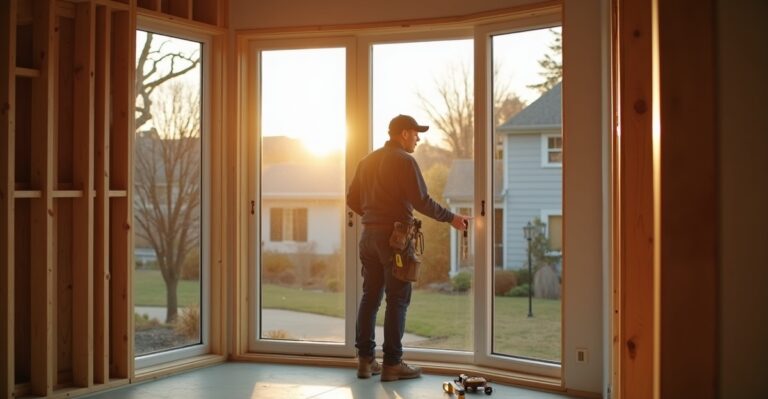
What to Expect During a Home Renovation
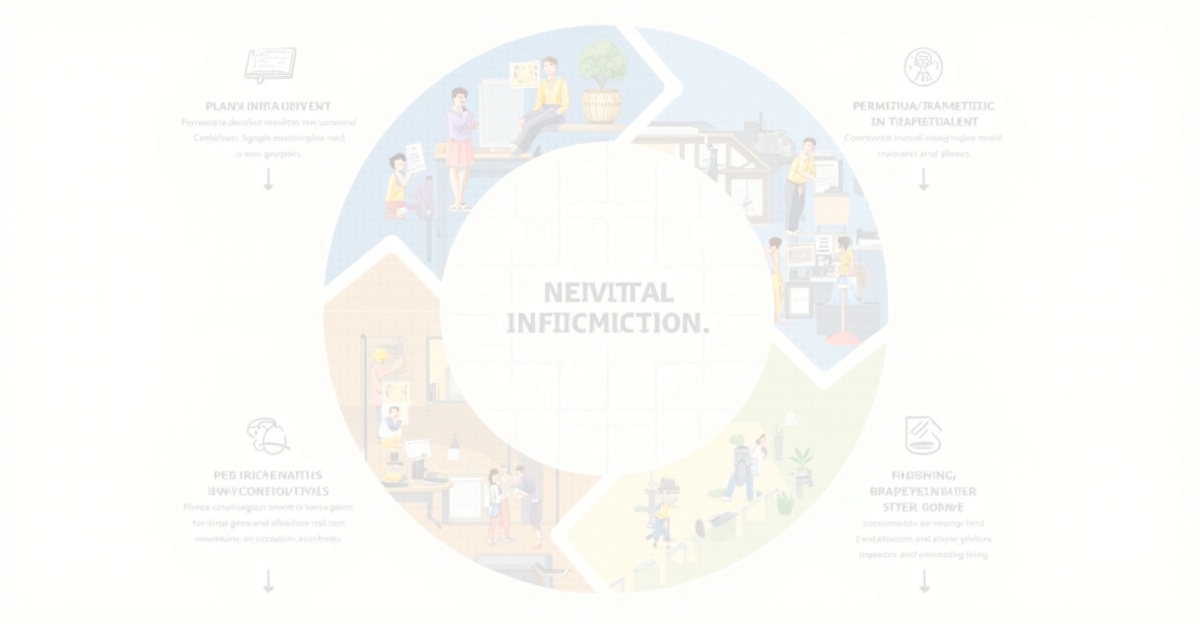
The home renovation process runs through six main stages—planning, permitting, demolition, construction, inspections, and finishing. Each step brings unique demands and timelines. By understanding each phase in advance, we make smarter choices, manage costs more effectively, and limit unexpected setbacks.
Key Takeaways
- Most home renovations last between 4–12 weeks, depending on scope and detail.
- A reliable budget includes detailed estimates for materials, labor, permits, and adds 10–20% for unexpected costs.
- Getting permits and approvals often takes several weeks; starting early helps avoid holdups.
- Construction impacts daily life with noise, dust, and limited access—clear communication minimizes stress.
- Delays and surprises happen; a dependable contractor will keep us updated and adjust as needed to stay on course.
Setting Expectations: What Renovation Really Looks Like from Start to Finish
A home renovation is a major investment—both in dollars and in peace of mind. Knowing what you’re stepping into makes the whole process smoother. The home renovation process generally follows six key stages: planning, permitting, demolition, construction, inspections, and final finishes.
No two jobs are exactly alike. Still, the overall renovation timeline tends to land between 4–12 weeks for a mid-sized residential project, which aligns with industry-reported averages for residential remodeling timelines. Bigger jobs, like full-home remodels or commercial upgrades, often run longer. It’s normal to hit delays along the way, especially with permits, weather, or material shortages. With the right contractor and preparation, most challenges can be handled without derailing progress.
If you’re wondering what to expect during home remodeling, the key is staying informed and keeping communication open. Knowing each phase ahead of time helps you stay in control and avoid surprise costs or setbacks.
Budgeting Smart: Planning for What You Know (and What You Don’t)
One of the first and most critical steps in any renovation is creating a solid budget. Renovation budget planning starts with understanding five major categories:
Key Things to Include in Your Budget
Here’s what should factor into every budget:
- Materials: flooring, fixtures, finishes, and all the visible items
- Labor: paying skilled trades—framers, electricians, plumbers, and more
- Permits: city fees and inspections can add up fast
- Contingency: extra padding for surprise repairs or changes
- Big Unknowns: mold, outdated wiring, or hidden structural damage
We recommend setting aside 10–20% of your total for unexpected issues. So, if your estimated costs are $50,000, have another $5,000–10,000 on hand just in case.
Whether you’re a homeowner or a property manager, it all comes down to value—how much you’re putting in, and what you’re getting out. A smart budget balances ROI, timeline, and quality. Always review contractor bids with a close eye. Clear line items matter. Vague lump sums can hide cut corners you’ll pay for later.
As we like to say: “We always walk clients through their estimate to make sure it matches their expectations—no surprises later.”
You can find more advice on reviewing bids and planning costs in our guide to home improvement project steps.
Permits, Paperwork, and Codes: What You Need Before Day One
Before anyone swings a hammer, there’s groundwork to cover. Getting the right permits, confirming building codes, and scheduling inspections are all part of the general contractor renovation process.
In most cities, permits can take 2–6 weeks. Busier jurisdictions or larger commercial projects often take longer. That’s why we stress starting early.
For residential jobs, permits usually cover structural, plumbing, and electrical changes. For commercial projects, the requirements grow: zoning clearances, ADA compliance requirements for accessible design, architectural drawings, and possible occupancy updates.
Skipping or rushing this process can kill a timeline fast. Worse, it can lead to fines, stop-work orders, or having to redo completed work. Whether it’s a simple addition or a large facility upgrade, this stage deserves your full attention.
Understanding the residential vs commercial renovation differences early gives you a clear path before construction begins.
What Happens During Construction (And How to Stay Sane)
Once construction starts, things get real—loud, dusty, and disruptive—which is often what to expect during a home remodel. But this phase follows a steady sequence: demo, framing, mechanicals (plumbing, HVAC, electrical), insulation and drywall, followed by flooring, paint, and trim.
You’ll feel the most disruption during demolition and rough framing. Don’t worry—it’s controlled chaos. Most issues uncovered, like old plumbing or damaged framing, show up during demo. A good contractor won’t panic; they’ll show you the issue, explain your options, and keep the job on track.
Expect day-to-day inconveniences:
- Noise and vibrations
- Dust and air quality changes, which can impact indoor environments according to construction-related indoor air quality guidance from environmental health agencies
- Limited access to certain areas
- Parking impacts
- On-site safety concerns
We keep work sites clean, crews professional, and communication steady. Our team wears uniforms, maintains daily site order, and responds quickly to questions. Clients receive photo and status updates every week—we believe you shouldn’t have to chase someone down for answers.
If you’re preparing for construction, here’s a practical guide on how to prepare your property that walks through how to limit disruptions.
Dealing with Hiccups and Delays Without Derailing the Entire Project
Every renovation has its curveballs—permit slowdowns, supplier backlogs, bad forecasts, labor gaps. The best way to deal with delays is to plan for them.
Build flexibility into your schedule. A few extra days can make the difference between a smooth handoff or a deadline scramble. Stay in regular contact with your contractor; steady updates make it easier to pivot when needed.
We adjust our job flow to stay productive—re-sequencing tasks, finding approved material substitutes, or drawing extra crews when possible. Our aim is simple: keep things moving.
Common Questions We Hear
- How long will construction take?
It depends on scope, but 4–12 weeks is typical for residential spaces. Major projects can run longer. - Do I need to move out?
Not always. For full renovations or if key utilities are down, it might be safer and faster. - What if something unexpected is found?
Your contractor should walk you through solutions and updated costs—professionally, without fear-mongering. - Can work continue if the permit is delayed?
Some prep work may proceed, but structural or mechanical work usually must wait.
A good team brings you into the loop, doesn’t hide bad news, and keeps the schedule realistic.
Need help managing oversight? See our post on how to manage a remodeling project for practical tips on staying proactive.
Finishing Strong: Final Walkthroughs, Cleanup, and Peace of Mind
As construction winds down, your project enters the “substantial completion” phase. That’s when most major work is done, crews start removing tools, and the space starts looking like home again.
This phase includes:
- Final municipal inspections and code sign-offs
- Contractor walkthroughs to catch and fix anything left undone
- Cleanup and removal of all building materials
- Testing of new systems—plumbing, electrical, HVAC, and more
We walk our clients through a complete home renovation checklist. That includes checking each room, confirming punch-list items, providing warranties, and reviewing essential documents.
Warranty periods vary, but don’t hesitate to ask about what’s covered and how support works after handoff. Good contractors don’t disappear at the finish line—they follow up and stand by their work.
If you’re looking to upgrade your space—whether you’re tackling a residential update or a commercial overhaul—you can count on us. Reach out today. We’re happy to talk through your options and see if we’re the right fit for your renovation.
Frequently Asked Questions
The home renovation process typically takes 4–12 weeks for mid-sized residential projects. Smaller updates may finish sooner, while full-home remodels often take longer. Timelines depend on project scope, permit approval speed, material availability, and inspection schedules. Building in extra time helps manage delays without added stress.
The most common delays in the home renovation process include permit approvals, material backorders, unexpected structural issues, and weather-related disruptions. Older homes may reveal hidden problems during demolition, such as outdated wiring or plumbing. Planning a flexible schedule and maintaining clear contractor communication helps minimize timeline impacts.
You should budget an additional 10–20% of your total renovation cost for the home renovation process. This contingency covers unexpected repairs, design changes, or code compliance upgrades discovered during construction. Having reserved funds prevents project delays and avoids rushed decisions that can compromise quality.
You can often live in your home during the renovation process if work is limited to certain areas. However, major renovations involving kitchens, bathrooms, electrical, or plumbing systems may require temporary relocation. Noise, dust, and limited access are common, so safety and comfort should guide the decision.
Homeowners should prepare for the home renovation process by finalizing designs, securing permits early, clearing work areas, and setting communication expectations with the contractor. Protecting valuables, planning alternate living arrangements if needed, and understanding the construction sequence helps reduce disruptions and keeps the project running smoothly.