What to Know Before Installing Solar Panels
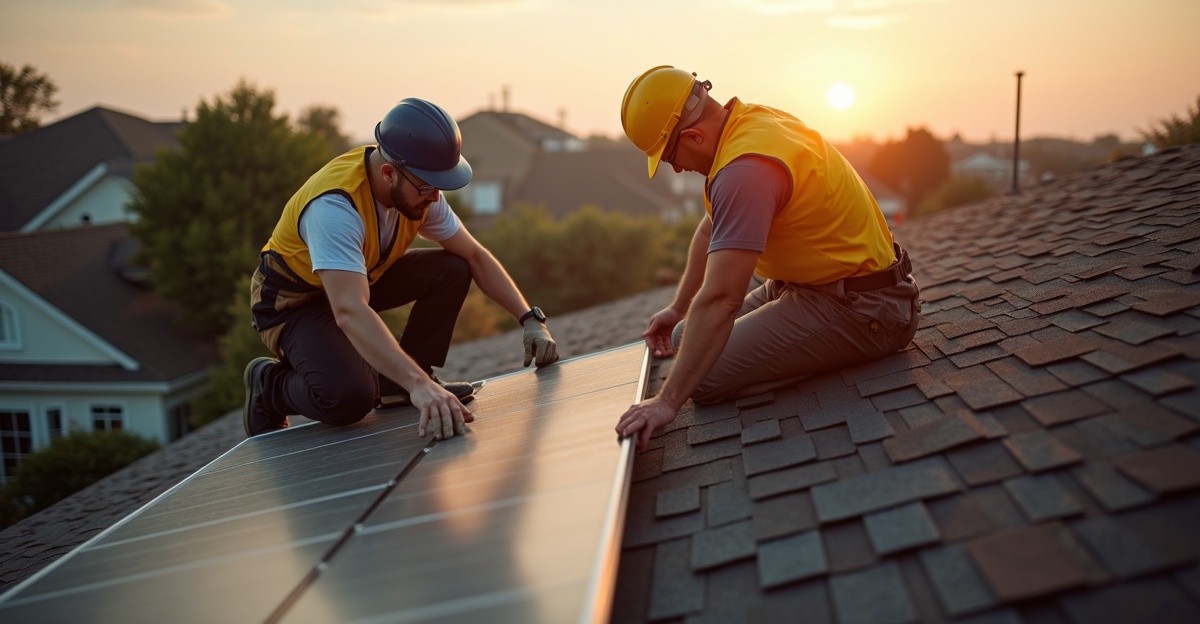
A thorough solar installation guide begins with a full evaluation of our roof’s condition, structural strength, and long-term durability before we install any panels. In this overview of what to know before installing solar panels, we outline how roof readiness, true project costs, permitting timelines, ROI factors, and warranty coordination shape whether solar becomes a smart, protected investment for our property.
Key Takeaways
- We complete a roof-first and structural evaluation to confirm remaining lifespan, load capacity, and correct attachment methods before we install solar.
- We account for more than panel pricing—engineering, permits, electrical upgrades, roof improvements, and realistic ROI projections based on usage and local incentives all affect total cost.
- We plan for permits, inspections, fire code compliance, and utility interconnection approvals, as these steps often define the true installation timeline.
- We approach residential and commercial projects with clear planning to limit disruption, coordinate phased work, and keep operations running smoothly.
- We protect long-term performance with monitoring, preventive maintenance, and tight coordination between solar and roofing warranties.
Is Your Roof and Structure Truly Ready for Solar?
Solar starts with the roof. We evaluate your roof and structure first because solar should protect and strengthen your asset—not create problems you’ll pay for later.
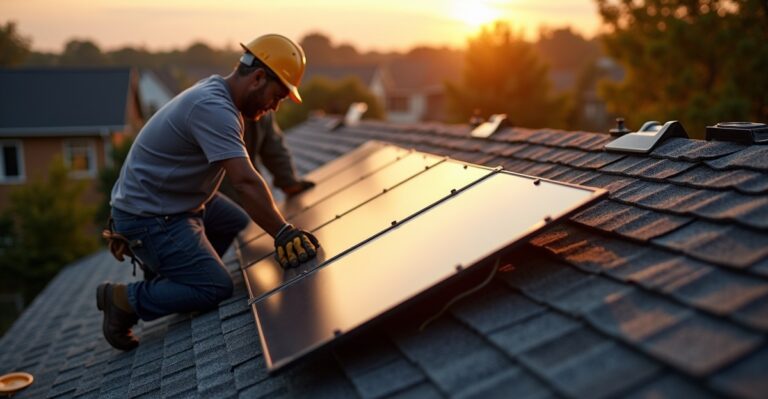
A proper roof-first evaluation is step one in any serious solar installation plan. That applies to a single-family home and to a large commercial facility.
Roof Condition and Remaining Lifespan
Before panels go up, we assess:
- Roof age and remaining service life
- Current damage, leaks, or weak decking
- Drainage patterns and ponding areas
- Roof material and attachment compatibility
If we’re unsure how much life is left, we review guidance similar to our breakdown on how long a roof lasts. As a general rule, if the roof has fewer than 10–15 years of life remaining, we recommend replacement before installing panels.
Pulling a solar array off in seven years just to re-roof is expensive. It adds labor, extends downtime, and increases risk of damage. In many cases, combining solar with a new roof installation or full roof replacement makes more financial sense.
We also consider how solar interacts with roofing materials. Metal systems, for example, often allow clamp-based attachments that reduce penetrations. That’s one reason many commercial owners consider metal roofing before large solar builds.
Structural Capacity and Attachment Standards
Solar panels add weight and wind exposure. The structure must support both.
We confirm:
- Roof weight load capacity, including panels, racking, and any ballast
- Proper attachment methods for the roof type
- Wind uplift ratings based on local wind zone
- Snow load requirements where applicable
If you want a deeper look at load factors, review our article on roof weight load capacity. Roof pitch also matters for drainage, production, and wind behavior, which we outline in understanding roof pitch and its impact.
Skipping structural review creates real risk. We’ve seen leaks from improper flashing, framing stress from overloaded decking, and voided roofing warranties due to bad penetrations. In the worst cases, panels had to be removed so the roof could be repaired with proper roof repair work.
Solar panel warranty considerations are also critical. Many roofing manufacturers require approved attachment methods. If solar isn’t installed correctly, a roof warranty can be voided. We coordinate roofing and solar warranties so work stays protected from day one.
For commercial facilities, documentation and engineering review are even stricter. That’s why integrated planning between roofing, structural review, and solar design is essential before any solar panel installation moves forward.
What Solar Really Costs—and What Impacts Your ROI
Solar installation cost varies by property type, system size, and infrastructure condition. We break costs down clearly so you understand where the investment goes.
A typical cost structure includes equipment such as panels, inverters, and racking. Add to that system design, engineering, labor, permitting, inspections, and utility interconnection.
Potential hidden costs can include roof reinforcement, electrical panel upgrades, trenching for commercial systems, battery storage, and monitoring equipment. If your building needs service upgrades, our electrical services team handles that coordination.
For businesses, solar ROI is rooted in long-term operational savings. Benefits can include:
- Predictable energy costs
- Depreciation advantages
- Reduced exposure to utility rate hikes
- Scalable designs for multi-site portfolios
Multi-property owners often standardize systems across facilities to streamline procurement and maintenance.
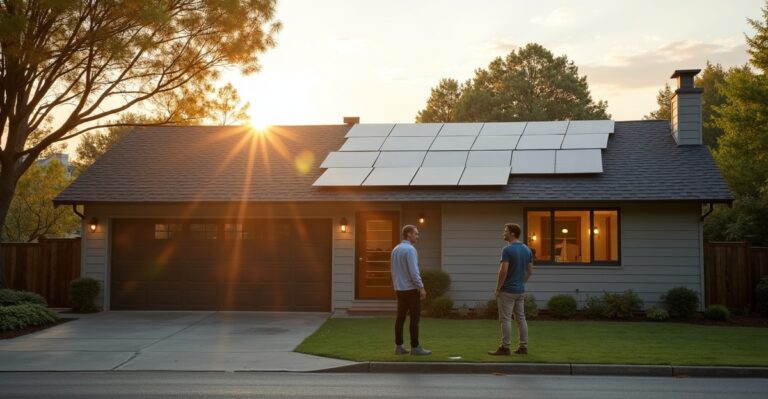
Residential owners typically focus on utility savings and insulation from rising rates. We’ve outlined how solar panels can lower energy costs in real-world conditions. Increased home value can also factor in, depending on market demand.
Performance varies. Weather, shading, roof orientation, and your usage patterns all affect output. No honest contractor guarantees fixed savings without analysis.
Payback periods differ by region, system size, and available solar tax incentives. Federal credits and local programs change over time. We always recommend verifying current incentives and rebate eligibility before making financial projections.
Net metering, explained simply: in many areas, utilities credit you for excess power sent back to the grid. Those credits can offset energy used at other times. Program rules vary, so we confirm structure and compensation rate before modeling returns.
Clear numbers build trust. We focus on realistic projections instead of exaggerated promises.
Permits, Inspections, and Utility Approvals: What Slows Projects Down
Solar panel permits and inspections are required almost everywhere. Permitting delays are one of the most common reasons a solar installation timeline stretches.
Most jurisdictions require:
- Building permits
- Electrical permits
- Fire code compliance review
- Structural sign-off
After installation, inspections verify code compliance before the system can be energized.
Utility interconnection approval is another step. The utility reviews system design and confirms that your installation can safely connect to the grid. Net metering plays into this phase, since credit agreements often require separate approval.
For commercial solar installation projects, requirements typically expand to include stamped engineering drawings, AHJ coordination, detailed load calculations, and facility impact planning. Larger systems can involve utility studies that add time.
Corrections can also affect timelines. Common issues include missing labels, grounding adjustments, or documentation gaps. We avoid delays by submitting complete plans up front and coordinating inspections early.
Transparency keeps expectations realistic. Careful pre-planning shortens approval timelines and reduces surprises.
Understanding the Solar Installation Timeline and On-Site Disruption
A standard solar panel installation process follows several stages:
- Consultation and energy review
- Roof and structural assessment
- Engineering and system design
- Permitting and utility approval
- Installation
- Inspection and activation
Residential projects often complete physical installation within a few days once permits are approved. The full solar installation timeline, including design and approvals, may span several weeks depending on jurisdiction.
Expect limited disruption at home. Crews will need driveway space, access to the attic and electrical panel, and rooftop workspace. There will be daytime noise during mounting and wiring. Most families remain in place throughout the process without major impact.
Commercial properties require more coordination. We plan staging areas, follow strict safety procedures, and align work with facility operations. Phased installation is common in occupied buildings to reduce downtime.
Portfolio or multi-site rollouts demand standard specifications and consistent procurement. For those clients, we develop scalable installation and maintenance strategies to simplify long-term management.
Clear communication prevents confusion. We outline each stage before work begins so there are no surprises on install day.
Long-Term Maintenance, Monitoring, and Warranty Coordination
Solar panels are durable—but they aren’t maintenance-free.
Solar maintenance requirements typically include periodic inspections, debris removal where necessary, system monitoring checks, and inverter review or replacement over time. Performance monitoring tools help flag issues early.
For commercial owners, preventive maintenance programs play a key role in asset protection. Tracking performance across facilities ensures expected production matches design assumptions. Underperforming strings or inverters can be corrected before losses stack up.
Residential owners benefit from monitoring apps and scheduled inspections. That visibility builds peace of mind and confirms the system is working as intended.
Solar panel warranty considerations must be coordinated with roofing warranties. Panel manufacturers, inverter manufacturers, and installers each provide coverage on specific components. Roofing warranties often require proper flashing and approved penetrations.
We align all parties so coverage remains intact. That protects both your roof and your energy investment for the long term.
When Solar May Not Be the Right Fit—and How to Make a Safe Decision
Solar isn’t right for every property.
Heavily shaded roofs, aging roofing systems, insufficient structural capacity, restrictive HOA or zoning rules, or very low energy consumption relative to system cost can all reduce financial or technical viability.
An honest evaluation matters. High-pressure sales tactics ignore long-term performance and asset protection. We take the opposite approach. If the numbers or structure don’t support solar, we’ll say so.
In many cases, completing roofing improvements first—through comprehensive roofing services or dedicated residential roofing upgrades—sets the stage for a stronger installation later.
A professional solar-readiness evaluation protects your investment. If you’re considering solar, connect with our team through a roof assessment and solar review before signing any contract. We’ll give you straight answers so you can move forward with confidence.