Why Proper Roof Ventilation Saves Energy
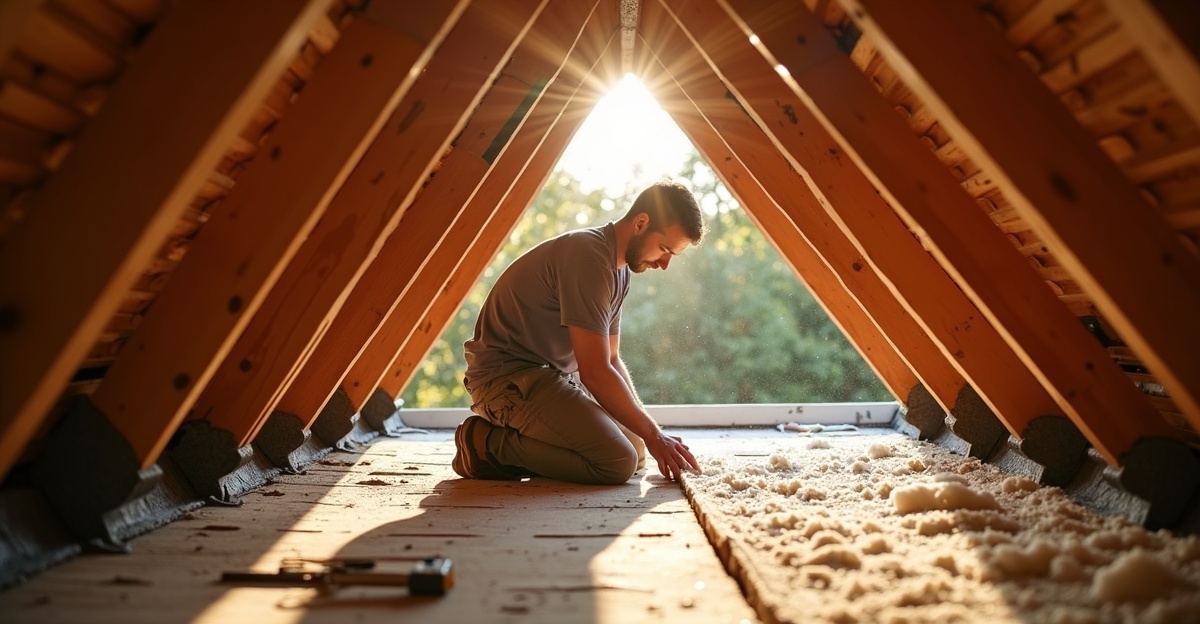
Proper roof ventilation energy savings begin with controlling heat and moisture in the attic. We keep air moving so trapped heat does not force our HVAC systems to run longer and drive up utility bills. Balanced intake and exhaust airflow lowers summer cooling demands, protects insulation performance in winter, and strengthens long-term roof durability. As a result, we improve indoor comfort while reducing strain on the entire building system.
Key Takeaways
- Inadequate attic airflow extends HVAC runtime, increases energy expenses, and speeds up equipment wear.
- Balanced intake and exhaust vents help insulation hold its rated performance and keep indoor temperatures steady.
- Built-up heat and moisture reduce roof lifespan and can trigger early shingle or membrane breakdown.
- Climate, roof design, insulation depth, and building use all influence energy savings, so we always start with an inspection.
- Ventilation improvements often pay for themselves through lower utility costs, fewer moisture-related repairs, and longer roof service life.
Rising Energy Bills Often Start at the Roof
Energy loss often begins above the ceiling line. Poor airflow in the attic or roof cavity can drive up heating and cooling costs without any obvious roof leaks.
Roof ventilation affects energy use in direct ways. During summer, heat gets trapped under the roof deck and radiates into the building. That forces HVAC systems to run longer cycles just to hold a set temperature. Longer runtime means higher utility bills and extra wear on equipment.
Winter brings a different issue. Warm indoor air rises and carries moisture with it. If that moisture can’t escape, it condenses in the attic. Damp insulation loses its effectiveness, which raises heating demand and increases energy costs.
Ventilation plays a role in:
- HVAC efficiency
- Insulation performance
- Overall energy consumption
Many property owners ask us, “Is poor ventilation causing my high energy bills?” Sometimes it is. Sometimes it’s part of the problem along with insulation gaps or aging HVAC systems.
There’s no universal percentage for savings. Energy impact depends on climate zone, attic insulation levels, roof type, roof color, building size, HVAC condition, and occupancy patterns. A warehouse in a hot climate behaves differently than a two-story home in a cold region.
We look at ventilation as one piece of an energy strategy. Balanced airflow, solid insulation, and efficient mechanical systems work together. When those systems are aligned, we see measurable improvements in comfort and operating costs.
How Roof Ventilation Works: Balanced Intake and Exhaust
Roof ventilation is based on simple building science. Air moves from high pressure to low pressure, and warm air naturally rises.
A balanced system pulls in cooler outside air through intake vents—usually soffit vents near the eaves. At the same time, exhaust vents at or near the ridge let hot, humid air escape. That continuous cycle reduces heat buildup and moisture accumulation.
The key is balance. More vents don’t automatically mean better performance. If exhaust greatly exceeds intake, the system can pull conditioned air from the living or occupied space. That disrupts attic ventilation and energy efficiency rather than improving it.
Common residential systems use ridge vents paired with continuous soffit intake. Box vents and turbine vents also show up on some homes. In commercial facilities, we may see powered ventilators or large-scale exhaust systems working across expansive roof decks.
Ventilation also influences roof lifespan. Excess heat can age shingles, membranes, and underlayment faster. Over time, poor airflow contributes to cracking, blistering, or premature failure. We often address ventilation upgrades during a new roof installation to ensure the system performs as intended from day one.
For a deeper breakdown of system types and performance, we cover it in detail in our guide on why roof ventilation is crucial.
How Poor Ventilation Drives Energy Waste and Roof Damage
In summer, attic temperatures can climb 40–60°F above outdoor air. That heat transfers downward into insulation and framing, increasing the cooling load on HVAC systems. Air conditioners then run longer and cycle harder, which raises monthly bills.
Insulation also suffers under extreme heat. When it overheats or traps moisture, its R-value drops. That weakens the building envelope and reduces the return on your original insulation investment. Our breakdown on why roof insulation matters explains how insulation and ventilation must work together.
Moisture is another major factor. Warm air rises into the attic and condenses on cooler roof decking. Over time, that leads to mold growth, wood rot, and metal corrosion. If moisture persists, structural components weaken. We’ve seen cases that required extensive roof repair simply because the ventilation system was out of balance.
Residential impacts often show up as uneven comfort. Upper floors feel hot and stuffy in summer. Utility bills spike during heat waves or cold snaps. In cold climates, attic heat can melt roof snow, which refreezes at the eaves and forms ice dams.
Commercial properties face larger-scale effects. Warehouses and manufacturing facilities accumulate massive heat loads under wide-span roofs. Multi-family and institutional buildings may experience condensation across shared roof systems. Increased HVAC runtime across multiple sites directly affects return on investment for ventilation improvements.
Over the long term, poor airflow shortens roof lifespan. Shingles curl faster. Flat roof membranes age prematurely. Ventilation imbalance can push a roof toward replacement years earlier than expected.
Commercial Requirements, Codes, and Multi-Site ROI
Commercial roof ventilation requirements are shaped by building codes and energy standards, including ASHRAE guidelines. These standards influence insulation ratios, airflow calculations, and moisture management strategies.
Facility directors and developers need documentation. Code compliance protects occupancy approvals and reduces long-term liability. It also supports predictable capital planning.
We approach commercial roofing with ventilation performance in mind. Large mechanical systems depend on stable roof and attic conditions. When ventilation supports mechanical design, HVAC systems operate under less strain and maintain design efficiency.
For multi-site operators, ventilation should be evaluated as part of a portfolio-wide energy strategy. One building might show modest savings. Across ten or twenty properties, reduced mechanical wear and longer membrane life add up quickly.
We focus on measurable outcomes:
- Lower mechanical strain on rooftop units
- Extended roof membrane life
- More predictable maintenance budgets
Ventilation ties directly into broader energy goals. It supports initiatives tied to energy-efficient roofing and long-term asset protection.
Signs of Poor Roof Ventilation and When an Upgrade Makes Sense
Certain signs of poor roof ventilation show up quickly. Others develop over years.
In residential properties, warning signs include:
- High summer cooling bills
- Hot, stuffy upper floors
- Moldy attic odors
- Rusted nails or damp insulation
Commercial managers may notice condensation on the underside of roof decking, premature membrane wear, or energy intensity that stays higher than similar facilities.
Moisture warning signs often connect with mold growth. Our guide on preventing roof mold and mildew explains how trapped humidity accelerates damage.
Ventilation is not always the root problem. Insulation gaps, poor air sealing, reflective surface degradation, or aging HVAC systems can also drive energy waste. We start with a full inspection before recommending changes.
An upgrade makes sense when:
- Intake and exhaust are imbalanced
- A major roof replacement is already planned
- Renovations trigger updated code requirements
- Persistent moisture issues appear in the attic or deck
During a roof replacement, we often correct airflow design to prevent repeating the same problems. An inspection-first approach protects your budget.
Cost, Payback, and What the Upgrade Process Looks Like
Roof ventilation upgrade cost varies. Roof size, vent type, accessibility, and labor complexity all affect price. A simple soffit and ridge correction on a home differs from installing mechanical exhaust on a large commercial facility.
Return on investment from roof ventilation comes from combined benefits: energy savings, longer roof lifespan, and fewer moisture-related repairs. We don’t promise exaggerated savings. Results depend on building condition and system balance.
A professional inspection typically includes:
- Measuring airflow balance between intake and exhaust
- Checking soffit, ridge, or mechanical exhaust performance
- Inspecting insulation condition and signs of trapped moisture
- Reviewing commercial code and ventilation requirements
From there, we outline clear options. Passive systems may solve the issue in some properties. Mechanical ventilation may be appropriate in larger or more complex structures. We plan work to minimize disruption to homeowners, tenants, or daily operations.
If energy bills keep rising and comfort feels inconsistent, the roof deserves a closer look. A professional roof and ventilation assessment helps determine whether you can reduce energy bills with roof ventilation based on your specific property conditions.