
Why Regular Electrical Inspections Matter
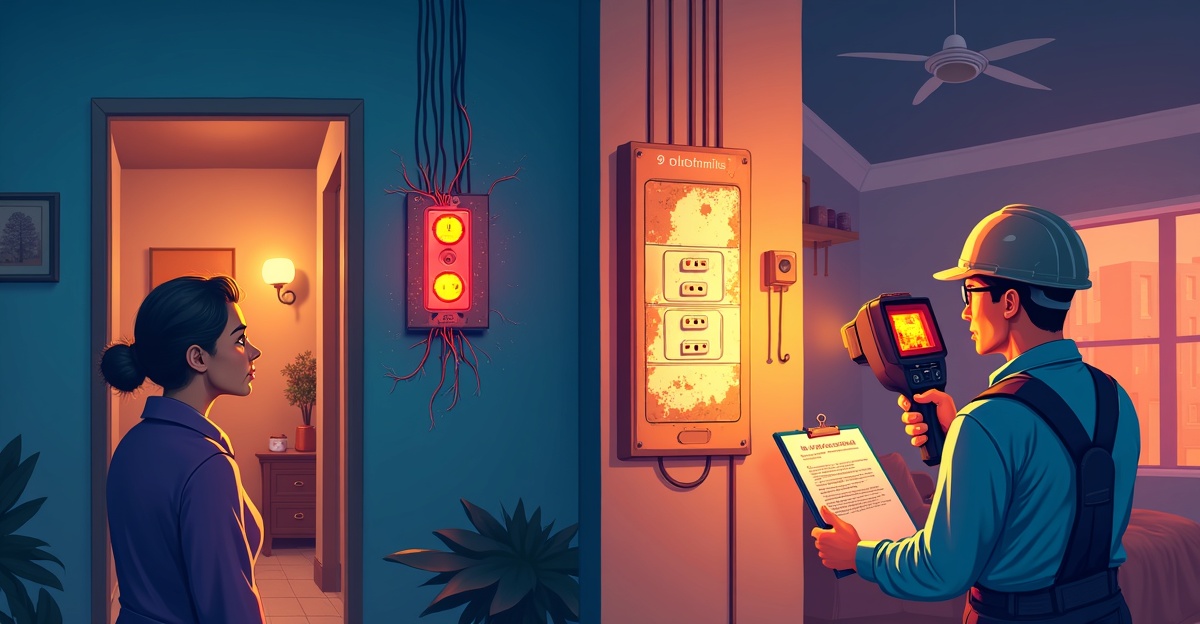
Spotting problems like flickering lights, hot outlets, or aging wiring protects more than comfort—it protects safety and performance while helping to avoid expensive repairs. Regular electrical inspections prevent fires, ensure legal compliance, and keep operations running smoothly at home or work.
Key Takeaways
- Breakers that trip often, warm outlets, or inconsistent lighting signal the need for a professional electrical check.
- Older buildings or those without electrical updates in 5+ years face a greater risk for hidden system faults.
- These inspections confirm electrical safety and help meet requirements for insurance, renovations, and property sales.
- Consistent reviews reduce fire hazards, limit disruptions, and increase energy efficiency across residential and commercial sites.
- A routine schedule—every 3–5 years for homes and once a year for businesses—promotes safety and helps manage long-term costs.
Common Signs You’re Due for an Electrical Inspection
Certain problems around your property are quiet alarms—you just have to know how to listen. Frequent circuit breaker trips, flickering lights, or outlets that feel warm to the touch aren’t just annoying—they’re serious signs you need an electrical inspection. Ignoring them invites long-term safety risks.
If you’ve recently added appliances, machinery, or upgraded your HVAC system, your wiring might not be keeping up. Homes and commercial properties with older infrastructure especially shouldn’t wait. Anything built 30+ years ago, or places that haven’t had an inspection in over five years, should be checked—older systems can hide dangerous wear.
Some situations almost always call for a professional look:
- Planning renovations—electrical loads change
- Buying or selling property—insurance might depend on it
- Switching insurance policies—carriers may require proof of safety
Not sure how often to get an electrical inspection? While the timing depends on age, usage, and updates, routine inspections help flag trouble before it becomes costly.
What an Electrical Inspection Involves (And What We Look For)
An electrical inspection isn’t a quick glance—it’s a full evaluation of your system’s safety and performance. We follow a reliable process that prioritizes both code compliance and real-world function.
Our electricians start at the panel, then work through every major element:
- Verify load capacity and proper distribution
- Inspect wiring connections, insulation integrity, and grounding
- Test outlets, switches, and breakers for function and heat
- Look for corrosion, damage, or signs of overuse
- Identify code issues or past shortcuts
For homeowners, our residential inspections focus on keeping your family safe while ensuring energy systems run efficiently. For businesses, we emphasize performance, safety, and compliance—because an outage on the floor can mean lost revenue.
Common Inspection Red Flags
We often uncover problems that can’t be seen with the naked eye:
- Overloaded circuits trying to handle too much
- Aging fuse boxes long past their lifespan
- Outdated wiring like knob-and-tube or aluminum
- Ground faults where protection should exist
- DIY fixes that introduce risk instead of solutions
“We’ve seen systems that look fine but fail at the panel—inspections prevent that surprise.” – RayPro Electrician
To get an exact feel for what to expect during electrical inspection, we recommend reviewing a full system checklist. Every job is documented and explained clearly. It’s part of our approach to honest, informed service. Learn more through our dedicated RayPro electrical services page.
Safety, Compliance, and Cost Savings: Why Inspections Pay Off
Electrical inspections aren’t just maintenance—they’re long-term protection. Catching issues now means avoiding downtime, emergencies, or worse. And inspections help you stay current with National Electrical Code (NEC) safety requirements, protecting your finances as much as your property.
According to the National Fire Protection Association’s fire statistics research, electrical failures or malfunctions are among the leading causes of U.S. home fires. That’s a big reason routine inspections should always be part of your preventative property maintenance.
Residential vs. Commercial Electrical Inspection Benefits
Residential Electrical Inspection Benefits:
- Reduce fire risk by catching damaged wiring or overloaded circuits
- Cut energy waste by identifying inefficient systems
- Improve resale value and pass home inspections
- Avoid last-minute repairs with planned budgeting
Commercial Building Electrical Inspection Benefits:
- Ensure electrical code compliance and avoid fines
- Prevent operational downtime from system failures
- Meet insurance requirements to protect liability
- Extend lifespan of high-tech equipment and infrastructure
For both settings, an inspection keeps your property safer and your costs lower. You’re better off catching a problem in the box than replacing burnt-out appliances or dealing with insurance claims.
How Often Should You Schedule an Inspection?
We’re often asked how often to get an electrical inspection—and the answer depends on how your property works day to day.
A safe starting point:
- Homes: Every 3–5 years
- Commercial properties: Annually or per local regulations
But that doesn’t tell the whole story. High-load locations like production floors or data centers need inspections more often. So should older homes with original wiring, and any property after a major storm, renovation, or equipment install.
If you’re planning work that ties into power—like kitchen remodels or solar installs—it’s smart to inspect before and after the job. Our electricians can help you decide the right schedule. It’s part of the ongoing care we offer through general contracting services.
Staying Ahead of Hazards: Hidden Issues We Commonly Find
Even places that “seem fine” can hide serious problems. Regular routine electrical safety inspections are your first defense against issues behind walls or buried in panels.
Here are some common problems that inspections uncover:
- Aluminum wiring in older homes—identified by the U.S. Consumer Product Safety Commission as a potential fire hazard— is prone to overheating
- Scorched outlet boxes—often covered with paint or trim
- Loose bus bars or neutral wires in panel boxes
- Missing or faulty GFCI protections, especially in wet zones
- Rodent damage—chewed wires are a quiet hazard
- Overloaded circuits trying to do too much on too little
For commercial buildings, undetected issues like unbalanced loads or poor grounding can quietly destroy equipment or inflate operating costs. Fact is, hidden problems stay hidden—until something fails. Regular checks are the least expensive way to avoid that.
Working with Pros You Can Trust
Your electrician should treat your property like they’d treat their own. We believe in clarity, not scare tactics. That’s why our team always explains findings, answers questions, and makes sure you understand both the risk and the fix.
Every RayPro inspection ends with a clear, written report. We show what we checked, what we found, and what (if anything) should be done next. You’ll never be left guessing.
But not all inspections are equal. Quick in-and-out checks or technicians who overlook key systems can cost you more down the line. Hiring a qualified inspection team like RayPro means the difference between a passable form and actual peace of mind.
We support both residential and commercial clients throughout Florida—view our service areas including teams in Miami and Orlando.
To get your next check scheduled or ask a question, reach out to RayPro anytime. Your safety deserves more than guesswork—and that’s what we deliver.
For more on how inspections protect your home, visit the inspection report guide or see our frequently updated blog on tools for property managers here. We’re here to help you stay informed, safe, and fully powered.
Frequently Asked Questions
The main benefits of an electrical inspection for homeowners are improved safety, lower fire risk, and early problem detection. Inspections identify issues like overloaded circuits, outdated wiring, or faulty outlets before they cause damage. They also help ensure code compliance, improve energy efficiency, and reduce the chance of costly emergency repairs or insurance claim complications.
An electrical inspection helps prevent fires by identifying hazards such as loose connections, overheating components, damaged insulation, and overloaded circuits. These issues are common causes of electrical fires but are often hidden behind walls or panels. Addressing them early significantly reduces the risk of sparks, overheating, and system failure that can lead to fires.
Electrical inspections are worth the cost because they reduce long-term expenses and financial risk. Catching minor issues early prevents expensive repairs, appliance damage, or full system replacements later. Inspections can also lower insurance risks, prevent downtime in commercial spaces, and help avoid fines or failed property transactions due to non-compliance.
Electrical inspections benefit commercial buildings by ensuring code compliance, reducing downtime, and protecting expensive equipment. They help identify unbalanced loads, grounding issues, or overloaded systems that can disrupt operations. Inspections also support insurance requirements, improve workplace safety, and extend the lifespan of electrical infrastructure critical to daily business operations.
To maximize benefits, electrical inspections should be done every 3–5 years for homes and annually for commercial properties. Older buildings, high-energy-use facilities, or properties after renovations may need inspections more frequently. Regular scheduling ensures consistent safety, better system performance, and early detection of issues before they become costly or dangerous.