Why Roof Inspections Save You Money
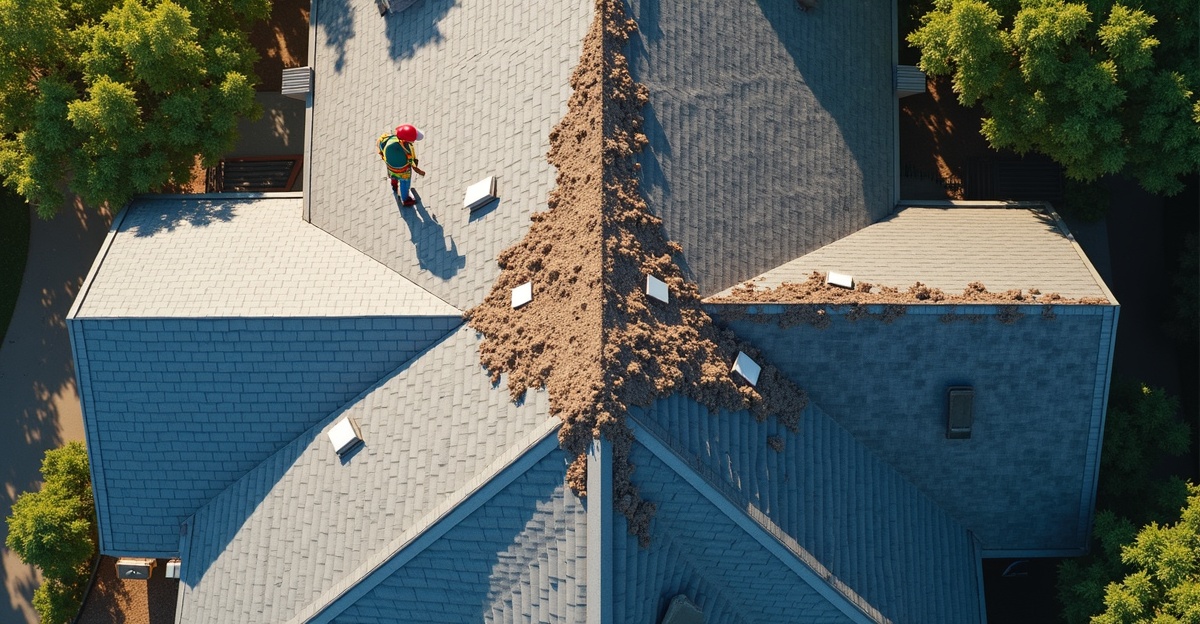
Regular roof inspections might appear minor, but their value stands out fast when we weigh a $300 fix against a $10,000 repair caused by water damage. Spotting small problems early guards the structure and keeps our budget intact.
Key Takeaways
- Minor roof issues often grow into costly repairs when ignored.
- Yearly or twice-yearly checks can add 5 to 10 extra years to a roof’s lifespan.
- Catching problems early helps us prevent water leaks and mold caused by excess moisture, as explained by the Environmental Protection Agency, along with damaged insulation.
- For commercial buildings, inspections cut risk and shield important systems.
- Many roof warranties require documented inspections to remain in effect, as outlined in manufacturer warranty maintenance requirements published by GAF Roofing.
Early Detection = Major Savings
Small roofing problems rarely stay small. A cracked shingle, a loose vent, or even a clogged drain might seem harmless, but they’re often the start of something bigger. That’s where regular inspections pay off. Proactive checks catch these issues before they turn into major, expensive repairs.
Take this example: sealing a minor leak might cost around $300. Leave it alone, and that leak could cause long-term water damage, mold, and even rot—costing $5,000 to $10,000 to fix. One of our residential clients saved $7,200 on ceiling and drywall repairs just by spotting flashing separation during their yearly inspection.
Beyond the cost savings, many roof warranties require regular inspections to stay valid. Skipping them could void your coverage entirely. That alone makes an inspection worth the time. If you need a broader view of what to watch for, check out our guide on how to spot hidden roof damage.
Protecting Your Biggest Investment—Home or Building
Homeowners: Safety, Comfort, and Value
Your home is more than a place to live—it’s probably your biggest asset. Scheduling a reliable residential roof inspection keeps your roof in fighting shape. That means fewer energy leaks, better protection during storms, and a stronger resale value down the line.
As one of our inspectors put it, “People think about curb appeal and kitchens when selling, but a roof problem will stop a home deal in its tracks.” Annual inspections help keep you ahead.
Commercial Properties: Risk Management and ROI
For commercial buildings, business roof inspection benefits shine through as risk gets multiplied — flat roofs, large drain systems, and sensitive equipment below make early detection critical. One loose membrane seam could damage HVAC units, stock, or tenant property. That’s why commercial roof inspection isn’t an optional line item—it’s part of preserving your building and your operational budget.
What Happens During a Professional Roof Inspection?
A full inspection checks the entire system—gutters, flashing, underlayment, seams, fasteners, and drainage. We check for obvious issues, then take a closer look for anything hiding below the surface. Moisture readings, photographic evidence, and hands-on testing are all part of the process.
A residential inspection generally takes 1–2 hours. For large commercial properties, it can run 2 to 4+ hours based on size and accessibility. Our trained team—not generic handymen—handles every inspection with precision and documented results.
The outcome? You get a written report showing what’s in good shape, where attention’s needed, and when action should be taken. For a more detailed breakdown, view our roof inspection checklist guide.
Extend Roof Lifespan and Lower Overall Costs
Routine inspections lead to longer-lasting roofs. Regular attention—clearing debris, resealing joints, fixing minor damage—can add 5 to 10 years to your roof’s life, a benefit supported by preventive maintenance guidance from the National Roofing Contractors Association (NRCA). That’s time you can use to plan, save, and avoid hasty replacements.
For business properties, a roof replacement can run $8 to $20 per square foot. Stretching your roof’s life by a few extra years can mean holding off on a six-figure capital project. In fact, pairing inspections with consistent upkeep can trim lifecycle maintenance costs by 30–50%.
We cover smart upkeep practices in our roof maintenance tips guide, whether you’re trimming branches or resealing membranes.
Residential Peace of Mind vs. Commercial ROI: Different Needs, Same Value
Two Perspectives, One Smart Strategy
Roof inspections make sense in every setting, but the end goals are different:
- Homeowners benefit from peace of mind. One client spotted worn shingles before snow caused a leak and attic insulation damage. We repaired the section within days—saving them a winter full of stress.
- Facility managers see direct return on investment. One commercial customer flagged early ponding in a loading area. Fixing the slope and drain issue saved three HVAC compressors from water exposure and shutdown.
Myth vs. Fact: Clear This Up Now
Misunderstandings create expense. Here’s a common one:
- Myth: “You only need inspections after a storm.”
- Fact: Regular roof checks—storm or no storm—are the best way to catch everyday wear before it turns critical.
Even routine sun exposure takes a toll, so staying ahead is better than reacting late. If you’re wondering how long your current roof might last, we break that down in our post on how long a roof lasts on average.
Next Steps: How to Take Action Before Small Problems Grow
Here’s how often we recommend inspections:
- For homes: once a year, ideally in spring or fall. Add another if your area gets hit by major weather.
- For commercial properties: at least twice a year—spring and fall—and after any severe storm or construction work.
This inspection frequency guide gives more clarity if you’re planning ahead.
If peace of mind or budget protection matters to you, don’t wait until leaks soak the ceiling or inventory is at risk. We’ve seen roofs with 10 more years of life—if they’d just had attention early.
Download our checklist or get in touch for a no-pressure look at your roof’s condition. You can also check out our roof repair services if something’s already not quite right. Acting early could save you thousands down the line.
Frequently Asked Questions
Roof inspection benefits for homeowners include early problem detection, lower repair costs, and longer roof lifespan. Regular inspections identify small issues like loose shingles or flashing before they cause leaks or structural damage. They also help maintain energy efficiency, protect insulation, and support higher resale value by showing buyers the roof has been properly maintained.
A roof inspection saves money by preventing minor issues from becoming major repairs. Fixing small leaks, seal failures, or drainage problems early costs far less than repairing water damage, mold, or structural rot. Routine inspections also help delay full roof replacement, reducing long-term ownership costs and avoiding unexpected emergency expenses.
Most experts recommend scheduling a roof inspection once a year for residential properties and twice a year for commercial buildings. Additional inspections are advised after severe weather events. Regular timing allows consistent monitoring of wear and tear, ensuring problems are caught early and maintenance is planned instead of reactive.
Many roofing warranties require documented roof inspections to remain valid. Skipping inspections can void coverage, leaving property owners responsible for costly repairs. Regular inspections provide proof of proper maintenance and show that issues were addressed promptly, which is often a condition for warranty claims.
A professional roof inspection can detect early signs of leaks, cracked or missing shingles, flashing separation, clogged drains, membrane damage, and hidden moisture buildup. Identifying these issues early prevents water intrusion, mold growth, insulation damage, and premature roof failure that could otherwise go unnoticed until costly repairs are needed.