Why Roof Insulation Matters More Than You Think
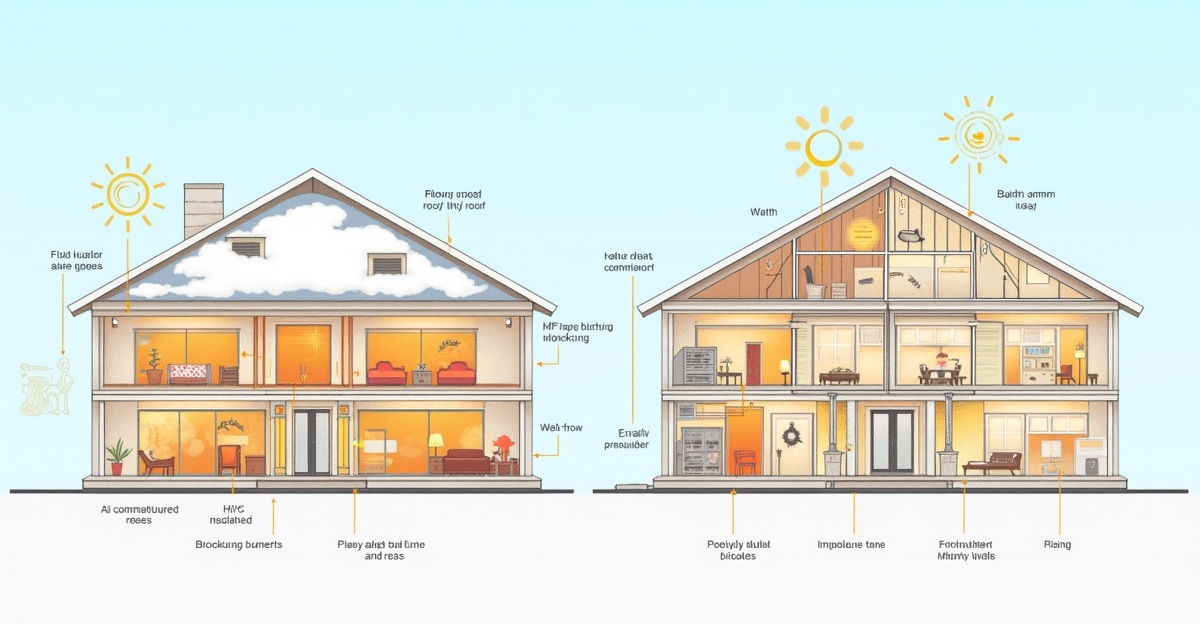
Understanding why your roof insulation matters reveals that it offers more than just lower energy bills—it boosts HVAC efficiency, increases indoor comfort, and strengthens overall building performance. Whether we run a large commercial property or live in a colder home, upgrading roof insulation helps solve costly, daily issues.
Key Takeaways
- Effective roof insulation can cut heating and cooling expenses by up to 15%. In commercial settings, savings often rise even higher.
- It keeps indoor temperatures consistent, which adds comfort across seasons and eases the load on HVAC systems.
- By blocking moisture, deterring pests, and preventing roof deterioration, insulation helps extend the life of the entire roofing system.
- For commercial properties, insulation upgrades help meet building codes, keep tenant disruptions minimal, and lower long-term upkeep costs.
- Signs like inconsistent room temperatures, noticeable drafts, or sudden increases in utility bills usually indicate poor roof insulation that needs attention.
What Roof Insulation Really Saves You (And It’s More Than Just Energy Bills)
If you’re wondering why your roof insulation matters, consider that smart insulation saves more than just money—it protects your entire building from top to bottom. According to the U.S. Department of Energy, homeowners can cut heating and cooling costs by up to 15% with proper insulation. For businesses, that number translates into bigger operational savings and smarter asset planning.
But the real value goes further. Roof insulation improves indoor comfort, extends the life of your HVAC system, reduces noise, adds resale value, and protects your roof. It’s one of the most cost-effective upgrades available for both residential and commercial properties.
Let’s break down a few terms you’ll hear a lot:
- Thermal envelope: This is your home’s or building’s shield against outdoor temperatures. Insulation strengthens that barrier.
- Heat loss/gain: This measures how much warmth escapes in winter or enters in summer. Controlling it is key.
- R-value: This shows how well insulation resists heat flow. The higher the R-value, the better—if it’s matched to your roof type and climate.
When you understand what insulation does, the return on investment becomes clear. You get energy savings from roof insulation, fewer repairs, and better performance across your entire building system.
Residential Roof Insulation: Comfort, Efficiency & Peace of Mind
If your home has cold spots in winter, hot rooms in summer, or energy bills that don’t make sense, roof insulation might be the missing link.
Proper residential roof insulation efficiency keeps your home warmer in winter and cooler in summer—without overworking your furnace or AC. It balances indoor temperatures, lowers monthly utility costs, and prevents issues like frozen gutters, attic mold, and pest entry.
Even better, quality insulation helps extend the lifespan of both your roof and your HVAC systems by reducing thermal and mechanical stress. That means fewer breakdowns and a more comfortable living space all year.
Let’s clear up that technical term again: “R-value” measures how well insulation slows heat transfer. Higher R-values are usually needed in colder areas, but match the right R-value to your home’s design and regional climate—not just the number.
For extreme climates, insulation makes an even bigger impact. This is a clear example of why your roof insulation matters—homeowners gain peace of mind and protection where it matters most—your roof. Learn more about how insulation supports your entire system by reading about roof ventilation and its importance.
Commercial Roof Insulation: Performance, Compliance & Long-Term ROI
In commercial buildings, stakes are higher and costs are bigger. Facility managers don’t just want lower bills—they need compliance, consistent interior temps, structural protection, and minimal tenant or business disruption.
Roof insulation for commercial buildings delivers on all fronts. It helps meet energy codes, smooths out heating and cooling across large or multi-zone spaces, and cuts down on the HVAC system load. This is critical whether you’re managing a healthcare facility, office space, or university building.
Over time, insulation reduces repair costs on both the roof membrane and mechanical systems. A better-insulated roof reduces expansion and contraction cycles that weaken roofing materials. That makes commercial roof energy efficiency a strategic investment.
We’ve worked with property developers across 17 states to improve building envelope insulation and deliver real-world savings on long-term maintenance. If your facility is overdue, there’s no better time to upgrade. Explore our commercial roofing services to see how we can help.
Is Your Roof Insulated Enough? Spotting the Red Flags
You don’t need a thermal camera to know if your insulation isn’t cutting it. Pay attention to these common signs:
5 Signs Your Roof Insulation Needs Attention
- Rooms that stay too hot or too cold, even with HVAC running
- Sudden or unexplained spikes in energy bills
- Ice dams, frost buildup, or mold in the attic
- Drafts near ceiling fixtures or along upper exterior walls
- Signs of pests or birds entering through the roofline
In commercial spaces, you might notice uneven temps between floors, HVAC systems cycling non-stop, or occupant complaints about comfort. These aren’t just annoyances—they’re real roof insulation upgrade signs that affect performance and cost.
It’s worth comparing your property against this list. If two or more apply, it’s time for an insulation health check. If left unresolved, poor insulation can impact other areas of your building, including ventilation, HVAC runtime, and even indoor air quality.
How Roof Insulation Actually Works (Without the Jargon)
At its core, insulation slows down the transfer of heat through your roof. It helps stop warm air from escaping in winter and keeps hot air out in summer. That balance keeps energy use stable—and saves wear on your HVAC systems.
The efficiency of that thermal barrier depends on the type of material used, the R-value, and how well it’s installed. Spray foam, batts, or blown-in insulation all have specific uses based on your roof’s shape and age.
R-value plays a big role, but it isn’t the only factor. You also need to consider your climate and how your roof connects to the rest of the building envelope. Poor installation, compressed insulation, or uncovered gaps will reduce thermal performance and send HVAC costs soaring.
Well-planned insulation ensures the entire system works together. Fewer heat leaks mean fewer HVAC cycles, lower utility bills, and longer equipment life. That’s how insulation impacts HVAC costs and protects your bottom line.
To go a step further, consider pairing insulation with protective upgrades like roof coating solutions designed to reflect heat and seal roof surfaces. Learn more in our article on why roof coating matters.
What to Consider Before an Upgrade—And Why It Pays Off
Before taking the next step, here are a few things to think about:
- What’s your current insulation level? Start with an attic or roof inspection.
- What kind of roof do you have—flat, pitched, or something else?
- Which insulation materials are best for your structure?
- What’s your budget—not just for install, but for long-term value?
The right roof insulation ROI goes beyond monthly savings. Done right, it reduces repairs, lowers risk, and adds performance for decades. For residential properties, prioritize comfort, safety, and seasonal readiness. Need more info? Our residential roofing experts can walk you through it.
For commercial buildings, timing is everything. Plan insulation upgrades for low-traffic seasons to avoid disruption. Focus on compliance, energy code alignment, and long-term building health.
We’ve helped thousands of homeowners achieve year-round comfort, and we’re trusted by businesses across the country for performance-focused upgrades. Whether you’re dealing with sky-high energy bills or planning a roofing overhaul, insulation deserves a place in your strategy.
Need more information or ready to schedule a free inspection? Visit our contact page or check out available roofing solutions with RayPro. Let’s make your roof work smarter.