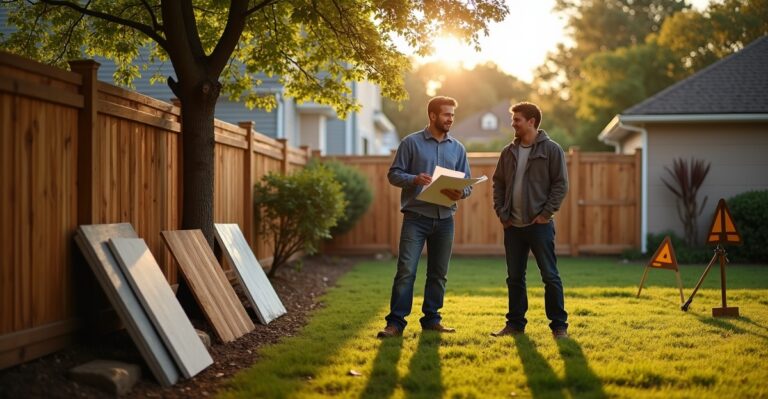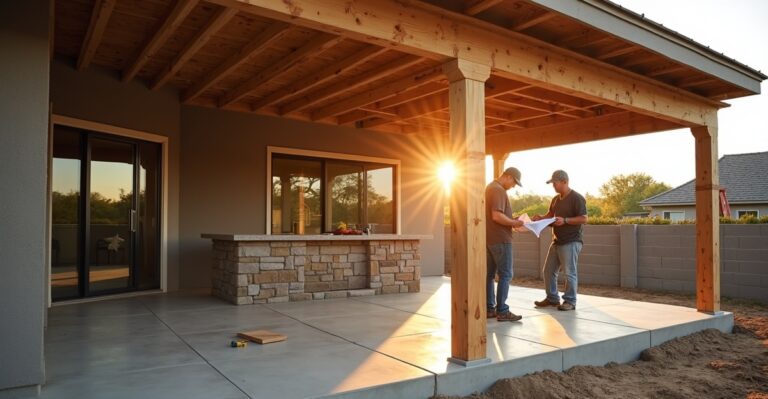
Benefits of Adding a Fence to Your Property
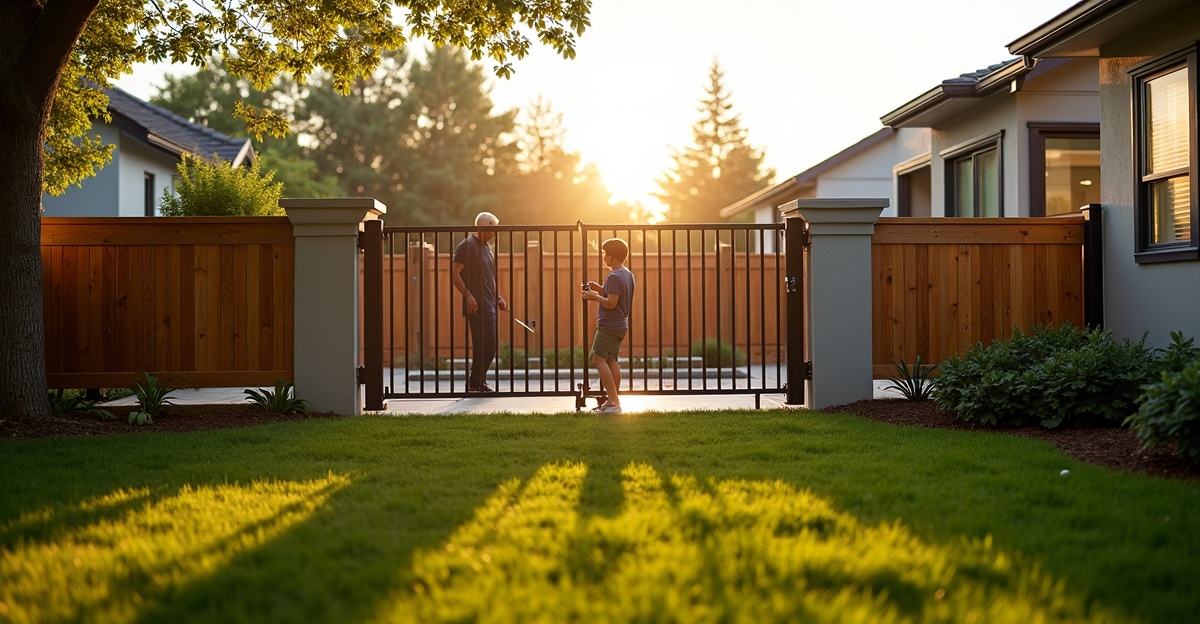
Adding a fence delivers clear fencing installation benefits. We strengthen security, reduce liability, increase property value, and improve daily functionality. Whether we own a home or manage a commercial site, a well-planned fence gives us controlled access, defined boundaries, regulatory support, and long-term return through lower risk and better site organization.
Key Takeaways
- A properly installed fence strengthens perimeter control, deters trespassing, and reduces theft, vandalism, and unauthorized access.
- Liability decreases when we clearly enclose restricted areas like pools, equipment yards, and hazardous zones.
- Fencing improves curb appeal, supports tenant retention, and raises overall property value when we align it with site use and market expectations.
- Privacy, clear boundaries, and defined outdoor areas make residential properties safer, more functional, and more comfortable.
- Long-term return on investment depends on material selection, site conditions, compliance with local codes, and skilled installation practices.
Security, Liability Reduction, and Immediate Risk Control
Fencing installation benefits begin with stronger perimeter control. A properly built property security fence creates a clear physical barrier that protects assets, people, and operations from day one.
Trespassers look for easy access. When a defined boundary is in place, it acts as a visible deterrent against theft, vandalism, and unauthorized entry, consistent with principles outlined by the Whole Building Design Guide on Crime Prevention Through Environmental Design. That deterrent alone lowers risk. For both residential and commercial sites, installing a fence shifts the property from open access to controlled entry.
For commercial properties, the impact goes further. Commercial fencing installation protects high-value equipment, fleet vehicles, outdoor storage, and inventory. Multi-site operators gain consistency across locations. Gates and access control systems allow management to monitor who enters and exits. That improves operational efficiency and reduces both internal and external loss.
If we are selecting the best fence for business property, we focus on durability, controlled entry points, and long-term reliability. Perimeter fencing can also improve loading dock management and keep pedestrian traffic separate from equipment zones.
Liability reduction fencing is another major advantage. A fence defines restricted areas and limits exposure to claims. Pools, mechanical yards, construction zones, and hazardous equipment areas should not be freely accessible. When those areas are clearly enclosed, risks drop. In many cases, insurance carriers consider a property security fence part of a responsible risk management plan, aligning with guidance from the Liberty Insurance Associates on property risk mitigation.
For homeowners, the priorities differ but remain equally important. Residential fence installation helps keep children and pets safely within the yard. It reduces unwanted solicitation and brings peace of mind, especially in neighborhoods with heavy traffic or nearby commercial activity. Many families choose the best fence for home security with prevention and visibility in mind.
A fence is not a cosmetic upgrade. It is part of a broader property management strategy that protects people, limits exposure, and strengthens control over who and what enters the space.
Long-Term ROI and Property Value You Can Measure
Fence ROI depends on context. It is not automatic or inflated. It is tied to location, material choice, neighborhood standards, and how the fence supports the overall use of the property.
Property value fence installation can improve curb appeal and strengthen perceived security, a factor often reflected in reports from the Custom Craft Contructors on home improvement impact. Buyers and tenants often view a defined perimeter as a sign of responsible ownership. That perception matters. It can increase interest and shorten time on market, although value increases vary by market and property type.
On the commercial side, fencing installation benefits include improved tenant retention and clearer site organization. Large sites benefit from defined perimeters that separate public access from operational areas. A well-executed commercial fencing installation may also support compliance posture with insurers and municipalities. Defined boundaries make it easier to demonstrate risk control and safety planning.
Residentially, a fence makes outdoor space more usable. It creates defined backyard zones for entertaining, gardening, pets, or play. That kind of functionality often aligns with broader home renovation ideas that add value. When fencing is integrated into overall site improvements, the result feels cohesive and intentional.
Fence ROI should be evaluated with a long-term perspective. Durability, reduced incident frequency, lower exposure to claims, and stronger resale appeal all contribute. The benefits of adding a fence accumulate over time through reduced risk and consistent performance, not just short-term resale gains.
Privacy, Boundary Clarity, and Everyday Function
Privacy fence benefits are especially important in residential settings. A solid fence reduces visibility from neighboring homes, adjacent properties, and busy streets. That added separation allows families to use outdoor space comfortably without feeling exposed.
Privacy also improves everyday comfort. Backyard gatherings, pool areas, and outdoor kitchens feel more controlled with clear enclosure. When these spaces are designed thoughtfully, fencing can complement layouts inspired by outdoor living space design ideas rather than compete with them.
For commercial properties, boundary clarity serves a different purpose. A property security fence establishes exact property lines and separates public zones from operational areas. It controls access to equipment yards, dumpster enclosures, and material staging areas, reducing confusion and discouraging disputes with adjacent property owners.
A visible boundary also reduces neighbor conflicts in residential settings. Clear lot lines limit misunderstandings about shared space, landscaping, and encroachments. That clarity protects relationships and prevents costly corrections.
Residential fence installation improves functionality across the board:
- Fenced play areas provide safer environments for children.
- Pet containment becomes simple and reliable.
- Equipment and trash enclosures look organized instead of temporary.
Site evaluation plays a significant role in long-term performance. Grading, drainage patterns, and soil conditions must be assessed before installation. Poor drainage or shifting soil can affect post stability and fence alignment. Planning for these factors upfront protects usability and extends service life.
Compliance, Permitting, and HOA Considerations
Permitting and fence regulations vary by municipality. Height limits, setback requirements, and zoning rules must be reviewed before construction begins. Pool enclosures often require specific gate hardware and self-closing mechanisms to meet code.
Ignoring these requirements can lead to fines, delays, or forced removal. Proper planning prevents rework and unexpected costs.
HOA fence restrictions add another layer of oversight. Architectural review boards may limit material types, colors, or fence heights. Submitting accurate drawings and specifications early helps avoid rejection.
Commercial fencing installation also involves additional compliance considerations. Certain properties must meet municipal access requirements for emergency services. Regulated facilities may have specific perimeter standards. In some environments, OSHA-related considerations affect layout and separation of pedestrian and equipment zones.
Working with a licensed and insured contractor reduces exposure. At RayPro, local permitting and fence regulations are researched before installation begins. Designs are aligned with municipal and HOA requirements to protect timelines and maintain operational focus.
Fence Types, Cost Factors, and Material Selection
Fence installation cost factors include linear footage, terrain, grading, soil conditions, material type, customization, gates, automation, and access control systems.
Material Options and Best Use Cases
- Chain link: Cost-effective and durable. Ideal for commercial fencing installation, utility spaces, and large perimeters where visibility is acceptable.
- Wood: Traditional appearance with strong privacy fence benefits. Requires regular maintenance but works well for residential fence installation.
- Vinyl: Low maintenance and clean appearance. Popular for suburban applications where durability and minimal upkeep are priorities.
- Aluminum: Decorative and corrosion-resistant. Frequently used around pools and front-yard enclosures.
- Steel: High-security solution for facilities that demand strength and long service life. Often selected as the best fence for business property in higher-risk environments.
Selecting the best fence for home security often comes down to balancing visibility and privacy. Solid panels provide seclusion, while metal systems with controlled gates emphasize deterrence and strength.
Ground conditions are also evaluated carefully. Sloped yards may require stepped panels or custom grading. Poor soil may require deeper post setting. These technical details influence both upfront cost and long-term durability.
Transparent pricing helps property owners understand what drives investment and what protects value over time. Material choice, layout complexity, and automation features all contribute to final cost.
What to Expect From a Professional Fence Installation
A structured process keeps projects efficient and predictable. Whether commercial or residential fence installation, a professional approach includes clear planning and communication.
- Consultation and site assessment, including goals, usage patterns, and security concerns.
- Measurement and boundary verification to confirm accurate placement.
- Zoning and permitting research before final material selection.
- Scheduling and coordination designed to minimize disruption.
- Final walkthrough to confirm alignment, hardware performance, and gate function.
For commercial properties, installation may be phased to maintain access and daily operations. For homeowners, landscaping and routine activities are carefully considered. Clean job sites and defined timelines reflect professional standards.
As part of broader general contracting services, commercial fencing installation is approached as an asset protection strategy. Fencing plans are aligned with site planning, paving, drainage, and overall facility management.
Every property presents unique fencing installation benefits. The right solution depends on risk tolerance, site usage, and long-term goals. Property owners ready to evaluate options can request a detailed estimate through the contact page. A focused consultation helps identify the best approach for security, privacy, compliance, and measurable return on investment.
Frequently Asked Questions
Fencing installation benefits for homeowners include improved security, privacy, and property definition. A properly installed fence deters trespassers, keeps children and pets safely enclosed, and clearly marks lot boundaries. It also enhances curb appeal and makes outdoor areas more functional for entertaining, gardening, or relaxation.
Fence installation can increase property value by improving security, usability, and visual appeal. Buyers often view a defined perimeter as a sign of responsible ownership and risk management. While the exact return varies by market, a well-designed fence can attract more interest and help properties sell faster.
Yes, installing a fence is often a strong long-term investment when materials and design match the property’s needs. Durable fencing reduces theft, vandalism, and liability exposure over time. Lower incident risk, improved tenant retention, and enhanced functionality contribute to measurable return on investment.
The best fence for security and privacy depends on the property’s layout and risk level. Solid wood or vinyl panels provide strong visual privacy, while steel or aluminum systems with controlled gates emphasize strength and deterrence. Choosing the right material involves balancing visibility, durability, and maintenance requirements.
In most areas, a permit is required before installing a fence. Local zoning codes often regulate height limits, setbacks, and placement near property lines or pools. Homeowners associations may also impose design restrictions. Checking municipal requirements in advance prevents fines, delays, or costly modifications after installation.