How to Add Value with Outdoor Renovations
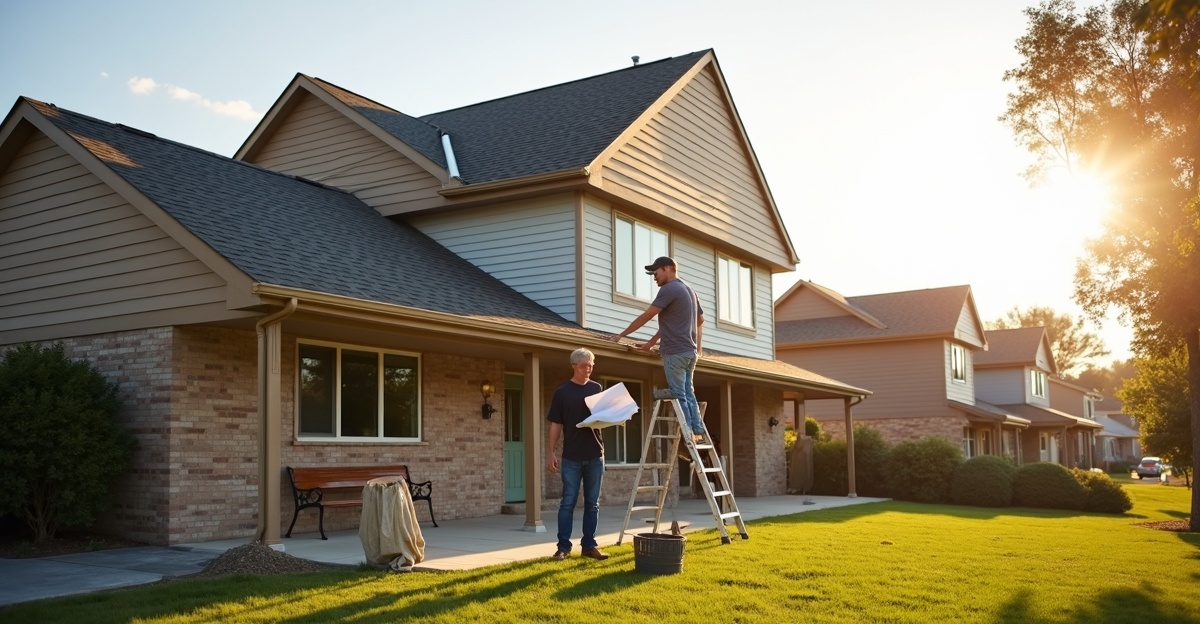
Outdoor renovation value goes far beyond curb appeal. We strengthen structural integrity, boost energy performance, improve safety, and support code compliance when we plan upgrades with intent. Strategic exterior work increases long-term property value. Whether we manage a home or a commercial building, we use roofing, drainage, façades, and outdoor living upgrades to protect our investment, lower risk, and increase resale or income potential.
Key Takeaways
- Outdoor renovation value covers durability, lifecycle savings, code compliance, risk reduction, and stronger buyer or tenant perception.
- High-ROI upgrades often include roof replacement, façade upgrades, drainage corrections, outdoor living areas, and safe, well-lit paving.
- Commercial projects emphasize NOI, tenant retention, compliance, and operating efficiency, while residential projects focus on comfort, protection, and visual appeal.
- ROI shifts with market conditions, geography, property type, material quality, maintenance history, and timing rather than fixed percentage promises.
- Smart outcomes require professional evaluations, clear prioritization, documented scopes of work, and consistent maintenance to preserve long-term value.
What “Outdoor Renovation Value” Really Means for Your Property
Outdoor renovation value goes far beyond surface-level updates. It means improving curb appeal, structural integrity, energy efficiency, safety, code compliance, revenue potential, and long-term property value improvements.
For homeowners, that value shows up as peace of mind, family comfort, weather protection, and stronger buyer perception. Most buyers form an opinion within seconds of pulling up. A clean roofline, solid drainage, and well-kept exterior signal that the home has been cared for.
For commercial property owners, outdoor renovation value ties directly to tenant retention, operating income, insurability, and risk control. Property upgrades support compliance with Americans with Disabilities Act (ADA) accessibility requirements, safety codes, and zoning regulations. They also reduce downtime and unexpected repair costs.
Value isn’t just appearance. It’s durability. It’s performance. It’s lifecycle cost. It’s reduced liability.
We always caution against blanket ROI promises. The return on any exterior or outdoor improvement depends on market conditions, geography, building type, tenant base, and buyer expectations. A coastal property faces different demands than an inland one. A medical office building has different priorities than a multifamily complex. Smart property maintenance planning and capital improvement planning make the difference between smart spending and wasted dollars.
The Upgrades That Deliver the Strongest ROI
Some exterior projects consistently deliver stronger roof replacement ROI, performance gains, and asset protection than others.
High-Impact Exterior Investments
Below are upgrades we consistently see drive measurable returns:
Roof replacement and energy-efficient roofing
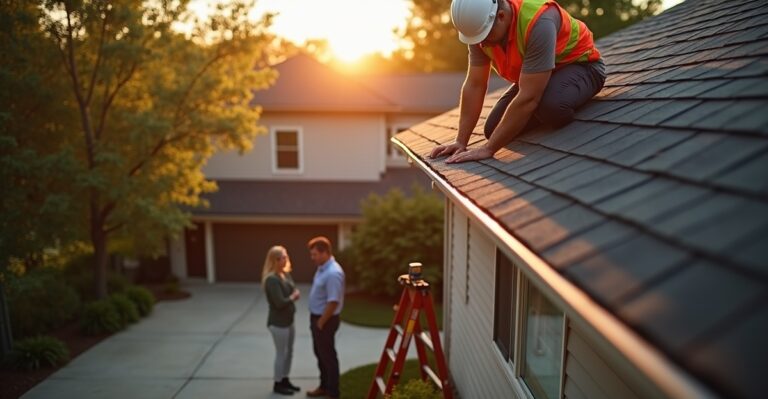
An aging roof weakens property value and can put insurance coverage at risk, as home insurance underwriting guidelines often factor in roof age and condition. A proactive roof replacement prevents water damage claims and operational shutdowns in commercial buildings. For homeowners, new residential roofing services increase buyer confidence and often improve appraisal outcomes. Energy-efficient roofing systems can also reduce cooling loads and operating costs, as outlined by the Environmental Protection Agency guidance on cool roofs.Façade renovation benefits
Updated façades improve brand image for commercial properties and boost curb appeal for residential exterior improvements. Structural repairs stop moisture intrusion and prevent code violations. Clean lines, updated materials, and fresh finishes send a clear message: this property is well managed.Drainage improvements property value
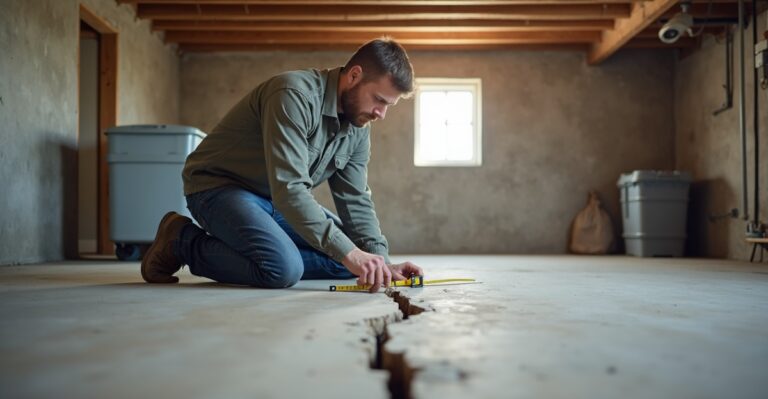
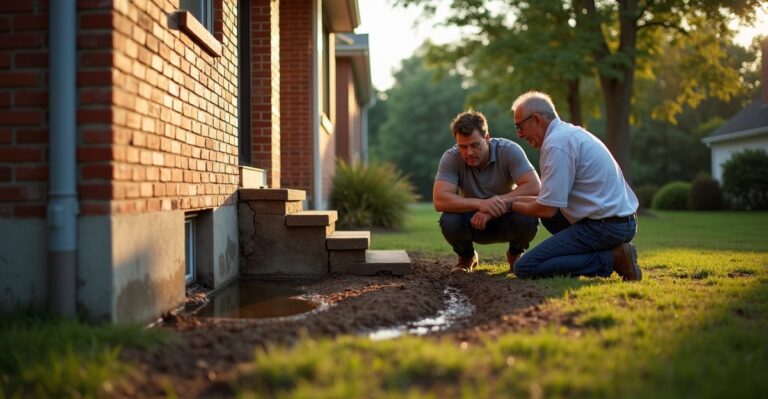
Water is one of the most destructive forces around a building. Poor grading at a home can cause basement flooding and foundation shifts. In commercial settings, standing water creates slip hazards and liability claims. Professional gutter installation and drainage corrections protect foundations, parking areas, and landscaping.Outdoor living space ROI
Decks, patios, and covered structures increase usable square footage without expanding the building footprint. Homeowners gain entertainment space and daily comfort. Multifamily and mixed-use properties can justify higher lease rates with upgraded amenities. Strategic upgrades often align with ideas from outdoor living space design trends that buyers already expect.Parking lots, walkways, and lighting
Exterior paving and lighting upgrades improve safety, accessibility, and user experience. For commercial sites, professional paving services help meet ADA standards and lower liability exposure. Clearly marked paths and well-lit spaces reduce accident risk and strengthen tenant satisfaction.
These improvements work because they address structural performance, safety, and user experience at the same time.
Commercial vs. Residential ROI: What Drives Value in Each
Commercial property upgrades and residential exterior improvements follow different decision logic. Blending the two leads to poor planning.
For commercial property upgrades, priorities include compliance, durability, operational efficiency, and tenant retention. Facility upgrades ROI often ties directly to Net Operating Income. Lower energy use, reduced maintenance costs, and improved tenant retention increase financial performance. Capital improvement planning cycles guide timing, budgeting, and phasing. We often break projects into stages to minimize downtime and protect revenue.
Risk reduction also plays a major role. Replacing a failing roof before a major leak protects tenants, inventory, and business operations. Upgrading impact-rated openings through impact-resistant doors and windows can reduce damage exposure in storm-prone regions.
Residential exterior improvements focus on aesthetics paired with structural reliability. Buyers notice visible wear immediately. An aging roof, stained siding, or poor drainage lowers perceived value. Insurance carriers also pay close attention to roof age and storm protection.
Energy upgrades, including solar panel installation, improve efficiency and long-term savings. Many homeowners explore how solar roofing boosts home value while protecting against rising utility costs.
For families, the goal is simple: increase property value while protecting comfort and safety. For investors, the focus stays on return, compliance, and predictable performance.
What Impacts Your ROI on Outdoor Renovations
ROI on outdoor renovations depends on several moving factors.
Market conditions and geography come first. Storm zones demand higher wind ratings and drainage capacity. Hot climates reward reflective, energy-efficient roofing. Local buyer expectations influence how much value improvements add.
Property type matters. Multifamily assets, retail centers, medical offices, and single-family homes each respond differently to the same upgrade. Tenant expectations and neighborhood standards set the baseline.
Material quality and workmanship are critical. Lower bids often mean shorter lifespans or weaker warranties. Lifecycle cost beats upfront cost in most cases.
Compliance requirements also affect returns. ADA regulations, safety codes, and zoning rules can turn minor updates into major liabilities if ignored.
Energy performance and sustainability improve long-term property value improvements. Efficient roofing, proper insulation, and solar integration reduce operating costs over time.
Maintenance history plays a role. A property with deferred maintenance will absorb early renovation dollars just stabilizing conditions before real improvements show measurable return.
Timing impacts everything. Market demand, interest rates, and local inventory can amplify or mute returns. Promised fixed ROI percentages should raise red flags. Performance varies based on execution quality and strategic alignment.
Smart Planning Framework: From Assessment to Long-Term Maintenance
Strong results start with disciplined planning.
Step 1: Professional property assessment.
We begin with roof inspections, drainage evaluations, and façade condition reports. This identifies urgent repairs versus strategic upgrades. Structural and water intrusion issues take priority.
Step 2: Prioritization.
Stabilize the building first. Address leaks, foundation drainage problems, and safety hazards before cosmetic projects. Visual improvements should support structural integrity.
Step 3: Budgeting and capital improvement planning.
Account for lifecycle costs, warranties, disruption, and phasing. Commercial projects may require coordinated scheduling to limit tenant impact. Residential projects should minimize disruption to daily life.
Step 4: Contractor vetting.
Confirm licensing, insurance, and a clearly defined scope of work. Avoid vague proposals. Material specifications, timelines, and compliance responsibilities should be documented.
Step 5: Execution and quality control.
Set clear timelines and safety standards. Monitor compliance throughout the project. Communication prevents surprises.
Step 6: Ongoing property maintenance planning.
Routine inspections protect outdoor renovation value. Clean gutters. Check sealants. Maintain roofing systems. Small adjustments prevent major failures.
Strategic upgrades often connect with broader improvements. Many homeowners pair exterior updates with ideas from top home renovation ideas that add value to maximize impact across the property.
Common Outdoor Renovation Mistakes That Erode Property Value
Even well-funded projects can reduce value if handled poorly.
Focusing only on curb appeal improvements while ignoring structural integrity creates hidden risk. Fresh paint won’t stop water intrusion.
Choosing the lowest bid without reviewing lifecycle value or warranties often leads to premature failure.
Overbuilding for the neighborhood can limit resale upside. Align upgrades with market expectations.
Ignoring drainage improvements property value impacts invites foundation damage and mold.
Overlooking compliance requirements in commercial property upgrades opens the door to fines and lawsuits.
Failing to plan for downtime disrupts tenants and revenue. Poor scheduling harms facility upgrades ROI.
Skipping maintenance after upgrades shortens lifespan and weakens long-term property value improvements.
Making decisions based on hype instead of measurable performance rarely delivers sustainable returns.
A disciplined assessment is the best next step. We recommend scheduling a professional property evaluation to review your specific outdoor renovation value opportunities and define a clear path forward. Connect with our team through our contact page and build a plan that protects your investment for years to come.
Frequently Asked Questions
Outdoor renovation value varies by market, property type, and project scope. Structural upgrades like roofing, drainage correction, and façade repairs often deliver stronger returns than cosmetic changes alone. Well-planned exterior improvements can increase resale price, reduce insurance risk, and improve operating efficiency. The actual return depends on execution quality, local demand, and ongoing maintenance.
High-ROI exterior upgrades for homeowners usually include roof replacement, proper drainage systems, updated siding, and functional outdoor living spaces. These improvements enhance structural protection while improving curb appeal. Buyers prioritize homes with solid roofing, safe walkways, and usable patios or decks. Projects that combine durability and visual appeal tend to strengthen long-term property value.
Yes, outdoor renovations can directly impact net operating income for commercial properties. Improvements such as energy-efficient roofing, compliant paving, exterior lighting, and façade upgrades support tenant retention and reduce liability risk. Well-maintained exteriors also strengthen brand perception and insurability. Strategic capital improvements often improve lease rates and reduce long-term maintenance costs.
The best time to invest in outdoor renovations is before visible deterioration leads to structural damage or insurance issues. Proactive upgrades prevent costly emergency repairs and operational disruption. Market timing, interest rates, and seasonal construction conditions also influence returns. Addressing roofing and drainage before peak storm seasons helps protect property value and safety.
Outdoor renovation value declines when projects focus only on appearance and ignore structural performance. Choosing the lowest bid without evaluating materials, warranties, and compliance can lead to premature failure. Over-improving beyond neighborhood standards may limit resale gains. Skipping drainage corrections or delaying maintenance after installation also weakens long-term return on investment.