

Common Causes of Foundation Damage
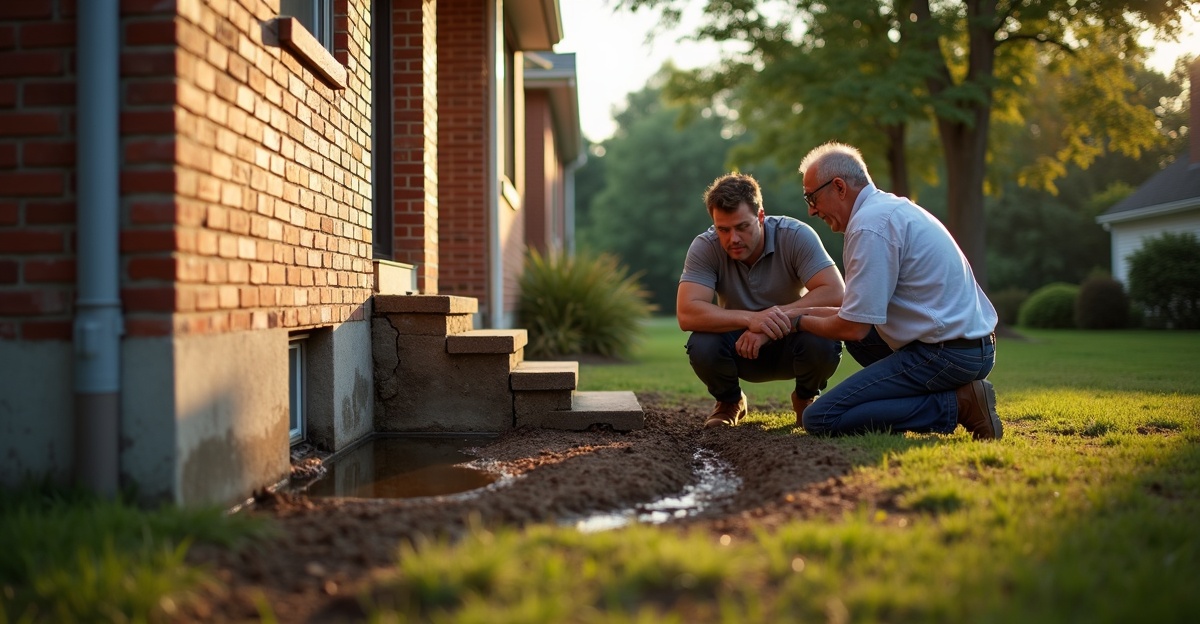
Foundation damage usually starts with soil movement, moisture imbalance, construction defects, or environmental stress that place uneven pressure beneath and around a structure. Water intrusion, hydrostatic pressure, expansive soils, plumbing leaks, and poor drainage often combine with differential settling. Small cracks then grow into structural instability and expensive repairs if we ignore the early signs.
We see this pattern in both residential and commercial properties. Soil shifts. Moisture changes. Structural loads react. Foundations respond fast and rarely in our favor.
Key Takeaways
- Uneven or excessive soil movement drives most foundation cracking and differential settling. We often trace structural issues directly back to shifting or poorly compacted soils.
- Water intrusion and hydrostatic pressure usually stem from poor drainage, short downspouts, clogged systems, or negative grading. We correct these issues early to reduce lateral pressure against foundation walls.
- Early warning signs include cracks wider than 1/8 inch, stair-step masonry cracks, sloping floors, sticking doors, and pooling water. We treat these indicators as actionable signals rather than cosmetic flaws.
- Plumbing leaks, tree roots, and design or compaction flaws can weaken soil support and speed up structural movement. We recommend prompt inspections when these risks appear.
- Delaying repairs raises stabilization costs and, for commercial properties, may affect liability exposure, code compliance, tenant occupancy, and long-term asset value. We address root causes early to protect both structure and investment.
The Most Common Foundation Damage Causes We See in the Field
Foundation damage causes usually come down to one simple truth: the ground under and around a structure is always moving. Foundations are built to handle some movement, but trouble starts when that movement becomes uneven or excessive.
Most problems begin small. A hairline crack or sticking door may not seem urgent. Left alone, those minor issues can turn into major structural repairs.
The biggest foundation damage causes include soil movement and foundation damage, water intrusion, construction defects, and environmental stress. Each one affects how the structure bears weight and responds to pressure.
What Causes Foundation Cracks?
When clients ask what causes foundation cracks, we walk them through the mechanics in plain terms.
Soil expands when it absorbs water and shrinks when it dries out. That expansion and contraction create pressure under and along foundation walls. Over time, that pressure leads to cracking. This is one of the most common forms of soil movement and foundation damage.
Hydrostatic pressure foundation issues occur when water builds up in saturated soil and pushes against foundation walls. That pressure can force cracks open or bow walls inward.
Foundation settling is another major factor. All buildings settle to some degree. Problems develop when settling is uneven, which we call differential settling.
We’ve seen it play out in real situations:
- Stair-step cracks in brick from differential settling.
- Slab settlement after a drainage failure flooded and softened supporting soil.
- Expansion and cracking during freeze-thaw cycles, where trapped water expanded inside small cracks.
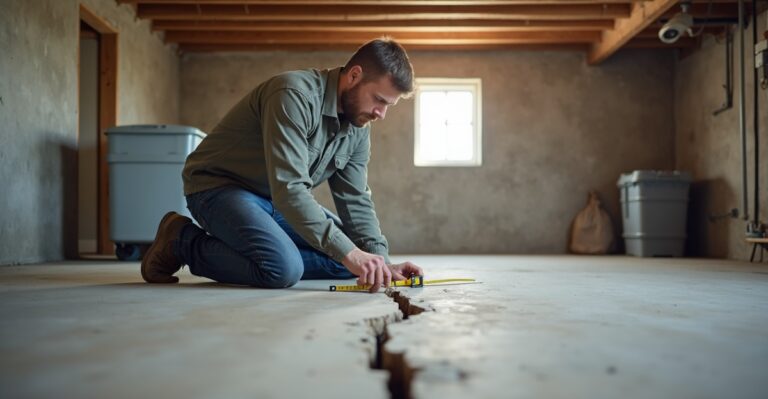
Not every crack is structural. Some are cosmetic shrinkage cracks from normal curing. That said, every crack deserves evaluation. Early assessment is what keeps small repairs from turning into major reconstruction.
Early Warning Signs: How We Tell Cosmetic from Structural
Spotting signs of foundation damage early allows for simpler fixes. We always connect symptoms back to underlying causes rather than treating surface issues alone.
Vertical and diagonal foundation cracks often point to movement or settlement. Stair-step cracks in masonry usually signal differential foundation settling. Uneven or sloping floors may indicate shifting support beneath the slab.
Doors and windows that stick or won’t latch properly are common red flags. Gaps around window or door frames often follow structural movement. Pooling water near the foundation suggests poor drainage foundation problems. Basement moisture or musty odors can mean water pressure is building behind walls.
Foundation Inspection Checklist
When we perform or recommend a foundation inspection checklist, we look for the following:
- Cracks wider than 1/8 inch
- Cracks that are growing or changing direction
- Stair-step cracking in brick or block
- Bowing or leaning walls
- Sloping floors or visible floor separation
- Sticking interior doors and windows
- Recurring basement moisture or active leaks
- Water pooling within a few feet of the foundation
Hairline shrinkage cracks are often cosmetic. Cracks wider than 1/8 inch, expanding cracks, or cracks accompanied by visible movement typically fall into the structural vs cosmetic cracks category where professional evaluation becomes necessary.
Delaying action can shift the repair scope quickly. What starts as simple crack sealing can escalate into structural stabilization if movement continues.
Water and Soil: The #1 Drivers Behind Most Foundation Problems
Water and soil are tightly connected. Soil movement and foundation damage often trace back to poor moisture control.
Expansive clay soils swell when wet and shrink when dry. That constant cycle stresses foundations from below and along the sides. Structures built on variable soils are especially vulnerable.
Hydrostatic pressure foundation issues begin with water buildup:
- Soil becomes saturated after heavy rain or poor drainage.
- Pressure increases against foundation walls.
- Cracks form, walls bow, or leaks appear.
Poor drainage foundation problems frequently come from short gutter downspouts, clogged drains, or negative grading that slopes toward the structure instead of away. Surface water should always be directed several feet beyond the foundation’s perimeter.
For property owners reviewing drainage options, our guide on roof drainage system types breaks down how different systems move water away from the structure. Understanding the basics helps connect roof runoff to foundation protection.
Gutters also play a major role. We’ve outlined how gutters protect your roof and property in detail at how gutters protect your roof and property. Redirecting water properly is one of the simplest steps in preventing foundation problems.
In high rainfall areas, hydrostatic pressure risk increases. Regions with frequent freeze-thaw cycles face additional stress as trapped water expands. Soil type variability further affects performance. Two properties on the same street can behave very differently depending on what lies beneath them.
Structural Stressors: Plumbing Leaks, Tree Roots, and Design Flaws
Water from above isn’t the only concern. Plumbing leaks beneath slabs can erode supporting soil. Over time, voids form. Once the slab loses support, settlement follows.
Our plumbing services team has seen slow leaks undermine foundations for years before surface symptoms appeared. By the time cracking becomes visible, soil displacement is already significant.
Tree roots foundation damage is another frequent contributor. Roots draw moisture from soil near the foundation. Uneven drying creates differential foundation settling, leading to cracking patterns that widen over time.
Design flaws also play a role. Additions that aren’t properly integrated into the existing structure can create uneven load distribution. Poor compaction during original construction allows for compression later. Inadequate footings for soil type leave foundations vulnerable from day one.
We distinguish between isolated issues and systemic concerns. A single shrinkage crack may remain stable for years. Widespread settling, repeated cracking, and movement across multiple areas suggest structural problems that require engineering-level solutions.
What Happens If Repairs Are Delayed?
Foundation damage rarely corrects itself. It almost always progresses.
A minor shrinkage crack can allow water intrusion. That moisture increases soil movement. Localized settlement can lead to widening cracks and door misalignment. Continued hydrostatic pressure may cause wall bowing or require structural reinforcement.
The cost to repair foundation damage rises quickly once structural movement continues. Sealing a crack is relatively affordable. Underpinning or structural stabilization is significantly more involved. Localized repair might solve an early issue. Major stabilization affects budgeting, timelines, and property use.
For commercial buildings, commercial foundation repair concerns go beyond physical damage. There’s liability exposure from uneven floors or trip hazards. Tenant disruption can lead to relocation or lease disputes. ADA or code compliance issues may surface. Insurance claims grow more complicated once structural movement is documented. Long-term asset value depends on maintaining stable structural systems.
Proactive repair planning supports return on investment. Addressing movement early protects occupancy, resale value, and operational continuity.
Preventing Foundation Problems and Knowing When to Call
Preventing foundation problems starts with basic site management and consistent monitoring.
- Maintain proper grading so soil slopes away from the structure.
- Extend gutter downspouts 5–10 feet from the foundation.
- Keep moisture levels consistent around slabs during dry seasons.
- Monitor visible cracks each season for changes in width or length.
We integrate these checkpoints into every foundation inspection checklist review.
Monitoring may be sufficient for small, stable hairline cracks. Professional evaluation is recommended when cracks widen rapidly, exceed 1/8 inch, or show vertical displacement. Repeated water intrusion, noticeable floor slope, or recurring sticking doors also qualify as clear signs of foundation damage.
An early assessment doesn’t commit anyone to major work. It provides clarity. We offer transparent evaluations, straightforward explanations, and detailed proposals when repairs are needed. Planning early allows for minimal disruption and controlled costs.
Protecting structural stability supports long-term reliability and peace of mind. When movement appears, acting sooner keeps options open and repairs manageable.
Frequently Asked Questions
The most common foundation damage causes include soil movement, poor drainage, hydrostatic pressure, and improper soil compaction. When soil expands from moisture or shrinks during dry conditions, it creates uneven pressure beneath the foundation. This movement can lead to cracks, settling, or wall bowing. Long-term water exposure, plumbing leaks, or construction defects can further weaken soil support and accelerate structural damage.
Yes, poor drainage is a leading contributor to foundation damage. When rainwater collects around the base of a structure, the surrounding soil becomes saturated and creates hydrostatic pressure against foundation walls. Over time, this pressure can force cracks open or push walls inward. Redirecting water with proper grading, extended downspouts, and functional drainage systems helps reduce moisture buildup around the foundation.
Foundation cracks may be serious if they are wider than about 1/8 inch, continue growing, or appear in stair-step patterns along brick or block walls. Structural warning signs also include sloping floors, sticking doors or windows, and gaps around frames. These symptoms often indicate uneven settling or soil movement beneath the structure and should be evaluated before the damage worsens.
Yes, plumbing leaks beneath a slab can cause foundation damage by washing away or weakening the supporting soil. Over time, water escaping from pipes creates voids that reduce soil stability. As the ground shifts or compresses, the foundation may settle unevenly, leading to cracks, floor separation, and structural stress. Early leak detection and repair help prevent long-term foundation movement.
The best way to prevent foundation damage is to control moisture around the structure and monitor early warning signs. Proper grading should direct water away from the foundation, and gutter downspouts should extend several feet from the building. Maintaining consistent soil moisture, checking for drainage issues, and inspecting cracks regularly can help identify potential problems before they become major structural repairs.