Common Mistakes in DIY Roof Repairs
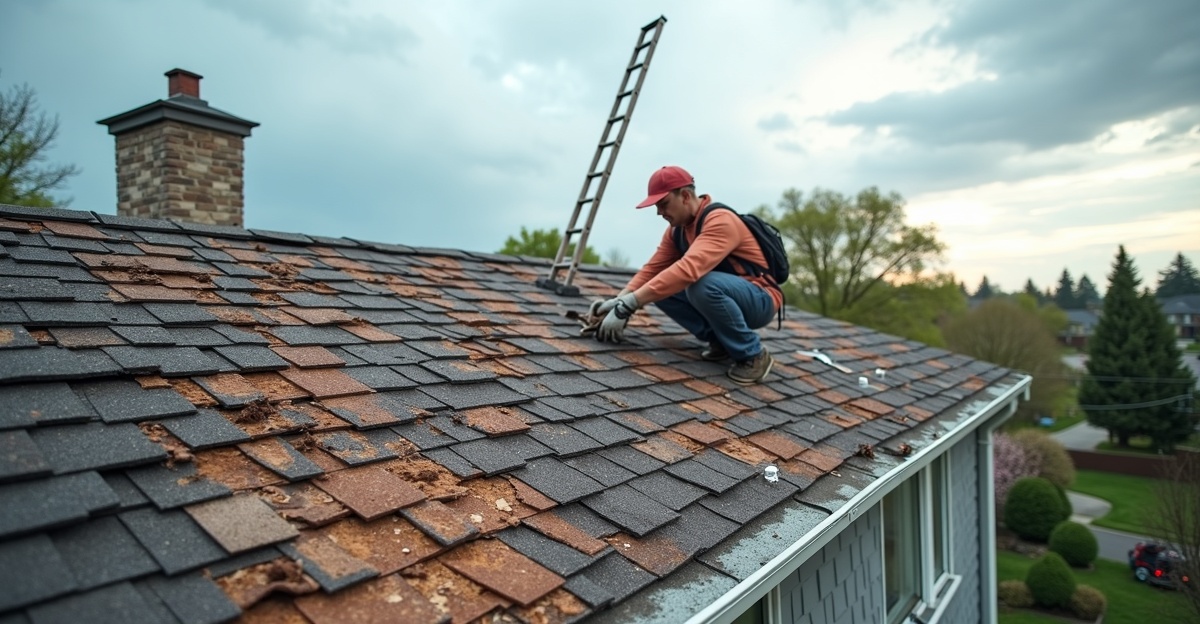
DIY roof repair mistakes can turn minor leaks into major headaches. Small errors often cause more damage than the original issue. Covering rotted sections, ignoring proper safety protocols, or selecting the wrong materials can compromise your roof’s integrity and your home’s safety.
Key Takeaways
- Misjudging damage or leak sources often leads to repairs that miss the real problem, allowing hidden moisture to spread.
- Flashing that’s poorly installed or incompatible materials can fail fast, exposing sensitive areas to water intrusion.
- Surface quick fixes tend to mask deeper issues—especially when moisture gets trapped beneath the layers.
- Skipping crucial safety steps—such as harness use or securing ladders—puts us at serious risk for falls or injury.
- Incorrect DIY work can cancel warranties, breach local building regulations, and even trigger denied insurance claims.
Top 7 Most Common DIY Roof Repair Mistakes (And Why They Matter)
DIY roof repair mistakes might save a few bucks upfront, but it’s easy to create bigger—and costlier—problems. Here are the mistakes we see most often and why they matter.
DIY Errors That Lead to Trouble
Even well-intentioned fixes can lead to major damage. Watch out for these:
- Misidentifying the problem: Fixing the wrong spot won’t stop the leak. Water stains don’t always point to the actual entry point—roof leaks can travel several feet from the source before becoming visible, as building science experts explain.
- Improper flashing installation: Flashing protects where different roof sections meet. If it’s installed off-angle or not sealed right, water gets in—fast.
- Using the wrong materials: Mismatched shingles or incompatible sealants don’t hold up. And mixing metals can cause corrosion that eats through flashing.
- Ignoring safety protocols: Roof work without harnesses or secure ladders leads to falls. Even experienced roofers take serious precautions—so should every DIYer.
- Sealing over damage without repair: Covering a leak with tar or caulk may trap moisture underneath. Underlying rot keeps spreading right below what looks like a clean patch.
- Poor patch jobs: Throwing spare shingles over a hole doesn’t cut it. Without tying into the existing layers and sealing properly, wind and rain will reopen the damage.
- Working during unsafe weather: A wet roof is a slippery one. High winds, rain, or even excessive heat can make surfaces dangerous and compromise the repair.
Each of these mistakes increases the risk of structural decay, recurring leaks, or needing an early roof replacement. It’s not about effort—it’s about doing it right.
What Looks Easy But Isn’t: Hidden Risks in DIY Roofing
Some “quick fixes” look simple but create more issues down the road. Let’s be honest: a lot of these jobs aren’t what they seem.
– Swapping out a couple shingles
– Sealing a leak with roofing tar
– Nailing down a loose piece of flashing
– Reconnecting gutters near damage
Quick fixes hide bigger risks:
- Replacing shingles without checking for moisture damage underneath.
- Over-applying sealant and accidentally blocking ventilation paths.
- Driving nails in wrong spots and creating new water entry points.
One homeowner patched a leak in their overhang, thinking the seal held. Weeks later, we found their attic framing soaked—and mold growing behind insulation. That small job? It turned into a full structural repair.
DIY roof repair mistakes also cause compliance problems. We’ve seen businesses lose insurance coverage after installing unpermitted materials. Even a minor code violation can lead to bigger headaches.
Bottom line: surface issues often hint at deeper ones. If you’re guessing, you’re gambling with your home or property.
DIY vs. Pro: What You Can Safely Do—and What You Shouldn’t
We’re not against getting hands-on—but not every roofing task is safe for DIY. Some things are reasonable. Others are risky and costly if done wrong.
Safe to Do vs. Call a Professional
Generally Safe for DIY:
- Clear gutters and downspouts
- Remove leaves and basic debris
- Check for shingle wear or missing flashing
- Monitor signs of water inside attic
Call a Pro For:
- Shingle or tile replacement
- Replacing or sealing flashing
- Repairing structural or decking damage
- Fixing ponding on flat or low-slope roofs
Residential roof repair may look doable, but it often intersects with warranties and safety risks. For commercial roofs, the stakes climb—code, liability, and access issues come into play.
We understand the drive to save money. But here’s the thing: cutting corners now often leads to common and costly roofing errors later. Let us help you spot the difference between manageable DIY and repairs that demand a licensed hand.
Safety Isn’t Optional: What DIYers Often Overlook
The most dangerous roof repair mistake? Skipping safety.
Here’s what too many folks ignore:
- No fall protection or harness
- Ladders not secured or placed on stable ground
- Working near active power lines (solar panels, HVAC wires)
- Poor footwear—not enough grip
- Working alone with no one nearby
- Rushing repairs during rain or wind
Even one misstep can result in serious injury—roofs don’t offer much forgiveness. OSHA ladder safety standards require maintaining three points of contact and proper ladder angles, which many DIYers overlook. It’s not about being “careful” enough—it’s about being protected.
For commercial building owners, these risks nearly double. Elevation, membrane materials, and equipment layouts add more variables. Don’t put your team—or yourself—at risk just to beat the clock.
A few key choices can keep everyone safer:
- Check local weather and plan repairs during calm conditions.
- Keep PPE on hand: gloves, rubber-soled boots, and safety harnesses.
- Always have a second person spot you, especially when on slopes.
The Real Costs: When DIY Mistakes Become Expensive Problems
Improper fixes don’t just bring rain inside—they bring bills, too. These are the ways DIY roof repair mistakes stack up into much bigger problems:
- Trapped moisture fuels mold and weakens ventilation.
- Missed seams let water behind shingles, damaging underlayment.
- Reinforced patches weigh down aging sections and create sag.
- Using incompatible materials or improper installation methods can void manufacturer warranties according to major roofing manufacturers’ warranty guidelines.
- Poor workmanship leads to denied insurance claims after storm damage.
Improper roof repairs are among the top causes of premature roof replacement. So even if a patch “looks fine,” it may shorten your roof’s lifespan by years.
For commercial facilities, these missteps can derail operations. Code violations, asset depreciation, or tenant complaints fast-track a minor leak to a facility-wide disruption. The ROI equation flips fast.
That’s why smart property owners schedule regular roof maintenance and inspections. It’s the surest way to avoid trouble before it starts.
Not Sure If It’s DIY-Safe? Let’s Talk.
Whether you’re a hands-on homeowner or managing multiple properties, sometimes the smartest fix is knowing when to call in the pros. If you aren’t sure whether it’s safe—or even necessary—to handle the work yourself, we’re here to talk it through.
Let us take a look before you get on the ladder. We’ll tell you straight whether it’s a DIY win or a job for a licensed crew. Reach out any time for a second opinion, even if you’ve already started the work.
You don’t have to guess alone. Browse our step-by-step take on how to shingle a roof safely or learn about how to identify hidden roof damage before you patch something that needs more attention.
We also suggest downloading our shareable checklist: “What to Avoid in DIY Roof Maintenance.” Pass it on to family, tenants, or partners—anyone tempted to grab the hammer first.
RayPro offers residential roofing services designed for real life, with honest inspections and reliable repairs. If you’d rather speak to someone directly, just contact us here. We’re not here to scare you—we’re here to help you roof smarter.
Frequently Asked Questions
The most common DIY roof repair mistakes include misidentifying the leak source, installing flashing incorrectly, using incompatible materials, and sealing over damage without fixing the underlying issue. These errors allow moisture to spread beneath the roof surface, leading to rot, mold, and recurring leaks that often cost more to repair later.
DIY roof repairs often fail because water rarely enters where stains appear. Without understanding roof drainage paths, homeowners patch visible damage instead of the true entry point. Temporary fixes like tar or caulk also degrade quickly and can trap moisture, making the leak worse over time rather than resolving it.
Yes, improper DIY roof repairs can void manufacturer warranties and lead to denied insurance claims. Using unapproved materials, failing to follow installation guidelines, or violating building codes may be classified as unauthorized work. Insurers often reject claims if damage is linked to faulty or unpermitted roof repairs.
Minor tasks like clearing debris, inspecting shingles, or checking attic moisture can be safe for DIY. However, repairs involving shingles, flashing, structural decking, or steep slopes carry significant risk. Without proper tools and safety equipment, DIY roof repair mistakes are more likely and can result in injury or extensive damage.
DIY roof repair mistakes can turn a low-cost repair into thousands of dollars in damage. Trapped moisture leads to mold, rotted decking, insulation damage, and shortened roof lifespan. In severe cases, repeated patch jobs accelerate the need for full roof replacement, making early professional repair far more cost-effective.