Common Roofing Scams and How to Avoid Them
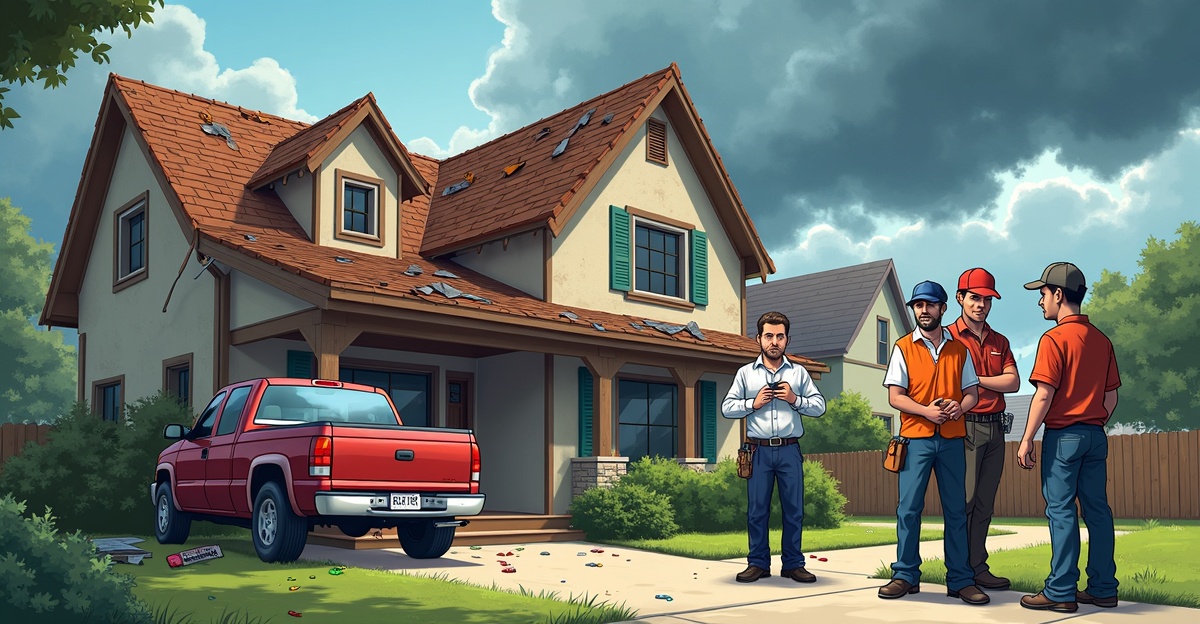
After severe weather hits, scam artists often appear quickly, exploiting the urgency that follows. They push pressure tactics, fake credentials, and misleading offers. Understanding how to spot roofing scams protects us from sudden losses and long-term damage. This guide helps both homeowners and business owners recognize the key warning signs and choose reliable contractors.
Key Takeaways
- Door-to-door roofers who ask for cash upfront often vanish. Always check their license and insurance before agreeing to any work.
- Extremely low estimates often lead to extra charges as the job progresses. Get several written bids that outline the full scope of work and materials upfront.
- Some contractors exaggerate or fabricate roof damage to gain access to our insurance claim. Always request an inspection from a second professional before signing any agreements.
- Roof work done without permits can cause code issues, void manufacturer warranties, and complicate future property sales.
- Homeowners and business owners face different forms of fraud. Learn the risks unique to each type of property and secure the right documentation from the start.
Top Roofing Scams Property Owners Should Know About
Red Flags from Roofing Storm Chasers and Dishonest Contractors
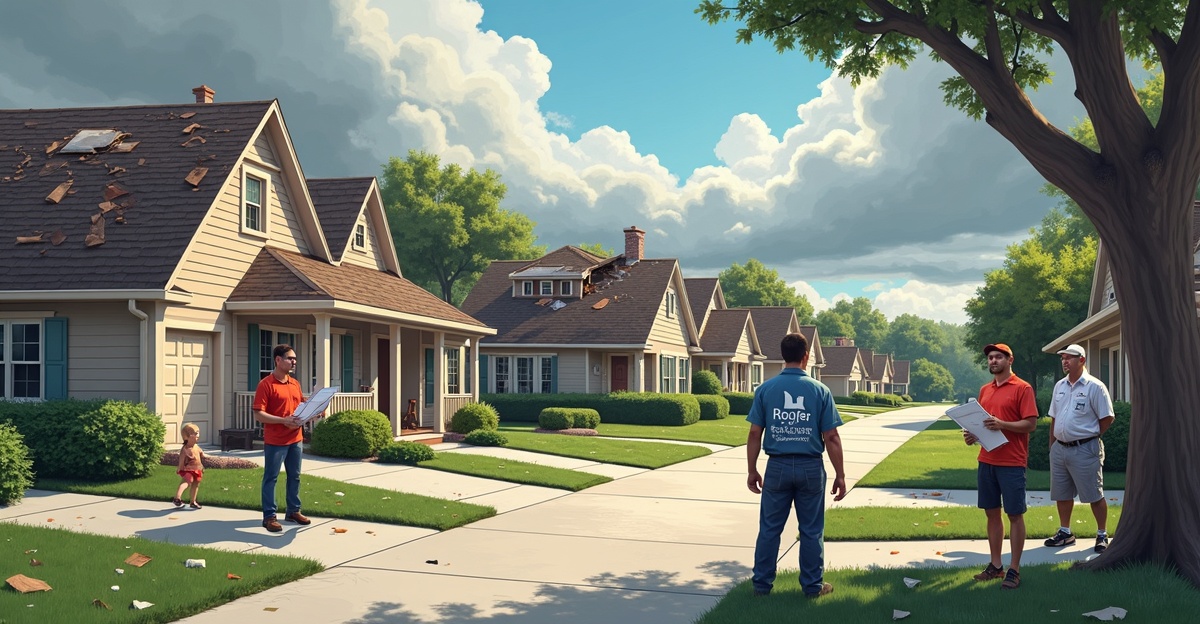
Scams happen most often after storms when property owners are vulnerable and repairs feel urgent, a pattern highlighted in Federal Trade Commission warnings about storm repair scams. Knowing roofing companies to avoid—like storm chasers who show up out of nowhere offering “free inspections” and fast repairs—can save you from losing money and getting poor work. They pressure folks to act quickly, often demanding cash deposits upfront. That’s a red flag every time.
Here are the most common roofing scams we’ve seen hit both homeowners and commercial property managers:
- Storm chasers: These fly-by-night contractors go door-to-door after hurricanes, hail storms, or heavy winds. They may present real business cards or websites, but many vanish after collecting deposits, leaving behind poor work or none at all.
- Estimate bait-and-switch: They lure you in with a lowball estimate that seems like a bargain. Once the job starts, “unforeseen issues” suddenly pop up, and the cost climbs fast. The final bill can double the original quote.
- Fake or exaggerated damage: Some bad actors offer free inspections, then intentionally damage shingles or flashing to manufacture problems. Others exaggerate minor wear during inspections to justify full replacements.
- Insurance roofing fraud: This usually pairs with fake damage. Contractors may ask you to sign over insurance claim rights or bill for services never delivered, a tactic documented by the National Insurance Crime Bureau in roofing insurance fraud cases. That puts you at risk for legal trouble, especially if the insurer starts digging.
- Skipping permits: Cutting corners might save them time, but it leaves you exposed. Repairs without proper permits can violate code, cost you in fines, cancel warranties, and even hold up a home sale.
- Subpar materials without disclosure: Some crews use lower-grade shingles or hardware while charging you for premium products. You don’t find out until the roof fails a few years early or starts leaking after the first storm.
These scams hit homes and businesses in different ways. For homeowners, the damage is personal—financial stress, mistrust, and issues that affect family safety. For commercial properties, there’s even more on the line. A failed roof can cost a tenant, threaten code compliance, increase insurance premiums, and devalue the asset.
How to Avoid Roofing Scams and Spot the Warning Signs
You can protect your property and wallet if you know what to look for. Here are the roofing scams warning signs and smart ways to stay in control:
- Don’t trust door-to-door offers. When evaluating bids, one common question is: do property management companies pay up front for roof replacement? Unlike scam contractors pushing large cash deposits, reputable pros typically structure payments in phases tied to completed work.
- Be skeptical of low estimates. If a bid looks too good to be true, it probably is. Compare at least three quotes. Make sure they break down labor, materials, and timelines clearly.
- Demand transparency. Get all agreements in writing. Understand payment terms—no large cash deposits upfront. Pay in stages based on completed work.
- Check for permit compliance. Ask about which permits are required in your area. Contractors skipping this step may also be cutting other corners. (For more, see our guide on roof replacement permits in Florida.)
- Watch your insurance claim process closely. Never sign anything that gives full control of your policy to the contractor. If you’re dealing with storm damage, follow a clear process like the steps in our roof insurance claim guide.
- Get a second opinion. If a contractor says your roof needs major repairs or replacement, but you didn’t spot issues yourself, ask a trusted, licensed roofer to verify.
We’ve also seen property owners get stuck because of avoidable mistakes—check out the major slip-ups to watch out for in our breakdown of common roofing mistakes before signing off on a project.
If you’re facing damage after a storm and unsure where to turn, our licensed team handles everything from repair assessments to full replacements. We take care of permits, insurance coordination, and most importantly—honest inspections. You can request a free, certified assessment through our storm damage repair service and we’ll help you figure out what you actually need—nothing more, nothing less.
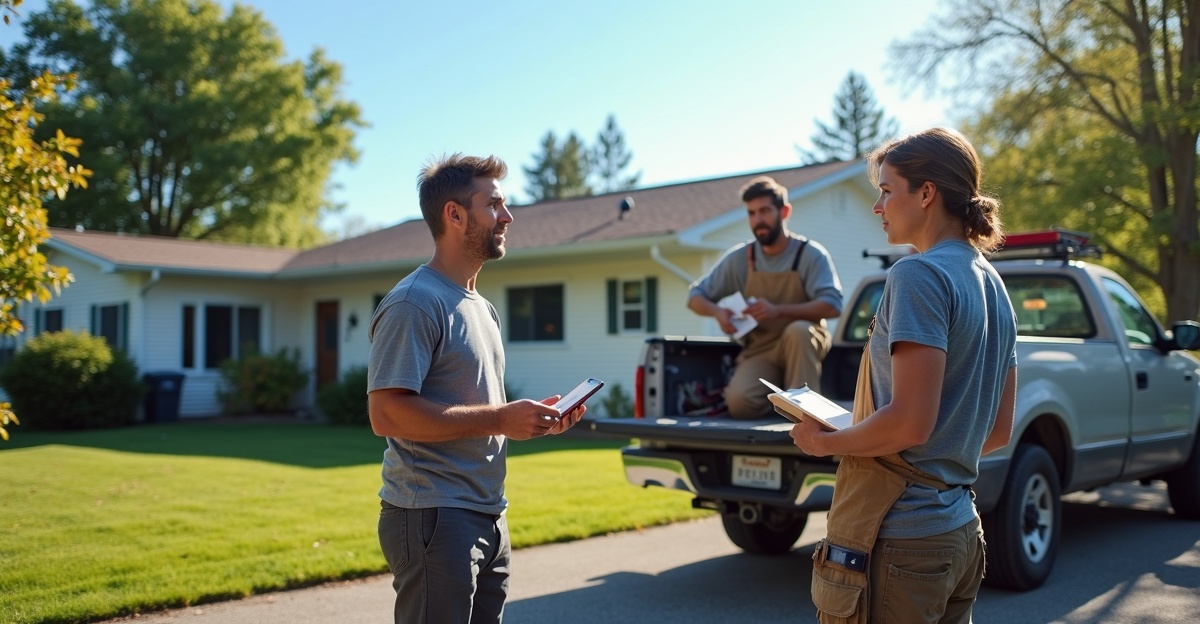
Warning Signs: How to Spot a Scam Before It Costs You
Not every roofing contractor plays fair. Some roll up in a truck, flash a business card, and promise a deal you “can’t pass up.” That’s your first clue to hit the brakes. The earlier we catch the signs of roofing scams, the easier it is to protect our property and wallet. Here’s what to watch for.
Red Flags That Signal Trouble
We’ve seen the same patterns pop up again and again. Scam contractors follow predictable behavior. Knowing these warning signs can save us thousands and spare us serious headaches later.
Watch for these common roofing contractor red flags:
- High-pressure tactics: If a contractor says the offer’s only good for “today only” or you’ve got to sign on the spot to get a special price, walk away. Legitimate pros give you time to think—not ultimatums.
- No license or insurance: A licensed roofing contractor will gladly show proof. If they dodge questions or refuse to provide paperwork, they’re not being honest. Licensing protects us from shoddy work. Lack of insurance means we’re at risk if something goes wrong onsite. Always verify credentials with your state’s contractor licensing board database, which allows you to confirm the license status and disciplinary history.
- Vague contracts or scope of work: A scammer loves fuzzy language. If the contract lacks detail about materials, installation methods, or cleanup, they’re leaving themselves room to cut corners. If their written bid doesn’t match what they said earlier, that’s another red flag.
- Requests for large cash payments up front: Handing over big cash before work even begins is a major risk. Some scam artists ask for half—or more—then vanish. Trusted contractors usually collect in phases or after certain milestones. Also, if someone asks us to make a check out to a person instead of a business, we should steer clear.
- No permit talk: If a contractor avoids discussing permitting—especially on larger jobs—that’s a red flag. Legit contractors know that building codes matter. For bigger jobs, especially replacements, permits aren’t optional. Learn what’s required in your area by reviewing this guide on roof replacement permits in Florida.
Commercial property owners should go a step further:
- Non-compliance with documentation standards: A commercial roofer who can’t—or won’t—provide required permits, warranties, lien waivers, or proof of workers’ comp coverage probably isn’t up to code. This leads to serious liability exposure. Stick with pros experienced in commercial roofing compliance who share documentation willingly.
For homeowners, here’s what else to look out for:
- Skipping attic inspections: The attic tells the real story. If a roofer says they don’t need to go inside, they’re either inexperienced or hiding something. A solid inspection starts from below and moves up.
- Avoiding material details: If we ask about shingle type, underlayment, ventilation, or fasteners—and they brush it off or say “it’ll all be quality”—that’s not good enough. We deserve clear specs up front.
We recommend reviewing this comprehensive roof inspection checklist to know what professionals should be looking for.
If any of this sounds familiar, don’t sweep it under the rug. It’s smarter to slow things down and do some due diligence than rush into a contract that ends in regret. One of the best ways to stay safe is working with a licensed roofing contractor with verified local references and a track record of standing behind their work.
And if damage has already occurred or you’re dealing with insurance claims, staying organized helps. Use this guide on how to file a roof insurance claim for a step-by-step breakdown.
Roof work involves big trust—and big investment. If anything feels off, ask questions. A real pro won’t mind. A scammer will. And if we do find ourselves dealing with leaks or storm issues, we always recommend starting with a trusted roof repair service before jumping into anything long-term.
Being cautious up front saves time, money, and stress later. Let’s protect our roofs—and our homes—the smart way.
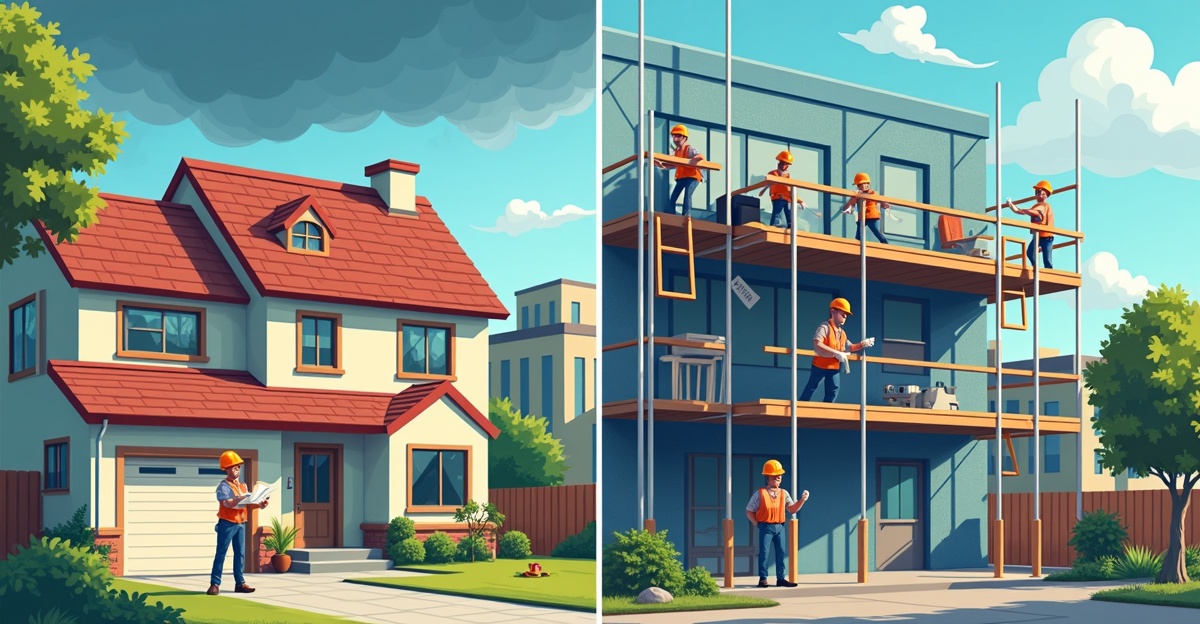
How Residential and Commercial Properties Face Different Risks
Scam tactics shift depending on who the target is. Recognizing how con artists play the game on residential vs. commercial properties goes a long way in roofing fraud prevention. Let’s break it down so you can spot the red flags and push back with confidence.
Risks Specific to Residential Properties
Homeowners usually deal with scammers who push emotional buttons. These situations often come right after storms or leaks—times when protecting your family feels urgent. That’s when some contractors show up uninvited at your door, offer fast “repairs,” and pressure you to sign without reading the fine print.
Here’s what makes homeowners more vulnerable:
- Quick decisions under stress: Storm damage can send you into high alert, leading to rushed choices.
- Lack of documentation: Many homeowners don’t ask for photo proof or full inspection reports before agreeing to a contract.
- Warranty confusion: Not all warranties cover both materials and labor. Some scammers avoid the topic altogether.
- Verbal-only estimates: If it’s not in writing, it’s not a guarantee. Scammers use vague language to dodge responsibility.
Every homeowner should have a basic roof inspection checklist as a reference before approving repairs or replacements. It helps build structure into decisions during high-stress situations.
Risks Specific to Commercial Properties
Commercial properties face different stakes. There’s more square footage, more legal requirements, and often multiple buildings to manage. That complexity opens up more ways for dishonest contractors to profit.
Watch for these commercial-specific scam methods:
- Inflated bids and padded invoices: Complicated bid specs make it easier to slip in hidden costs.
- Unlicensed subcontractors: They may skip permits or cut corners. That exposes your business to fines and unsafe work practices.
- Invalid warranties: Some scammers offer warranties that seem solid but don’t meet manufacturer standards due to shady installation practices.
- Code violations: If your contractor ignores local code, you could end up paying for a re-roof just to regain compliance.
- Poor paper trail: Without clear contracts and insurance certificates, you have no backstop if something goes wrong.
We’ve also seen cases where scammers exploit long-term service contracts with commercial accounts—charging for work they don’t perform or using low-grade materials that don’t match the spec.
To make sure the roofing job holds up to future audits or insurance inspections, use a compliance-focused approach with permits and documented repair scopes.
What Property Owners Should Ask
Whether you’re safeguarding your home or managing multiple facilities, it all comes down to asking the right questions before signing anything. Here’s a side-by-side guide worth keeping on hand.
Homeowners should ask:
- Can you provide a manufacturer warranty for the materials?
- Do you include before-and-after inspection photos?
- Will you use code-compliant materials specifically listed for my area?
- How long have you been working in this county?
- Do you carry general liability and workers’ comp insurance?
Commercial property managers should verify:
- Certificate of insurance, license numbers, and bond documentation
- Track record of code compliance and inspection outcomes
- Written project scope aligned to bid documents
- Qualifications of subcontractors and tradesmen
- Complete chain-of-custody for warranties and roof specs
Following a strong roofing contractor checklist like this filters out low-integrity vendors before they get near your roof.
Also, if your roof was recently damaged by wind or hail, make sure that any storm work includes proper storm damage repair documentation to match insurance standards.
Whether you’re dealing with residential upgrades or ongoing commercial roofing maintenance, clear information blocks scams faster than any warning sign.
Let’s stay one step ahead. Honest work, solid documentation, and clear communication—that’s how we do it.
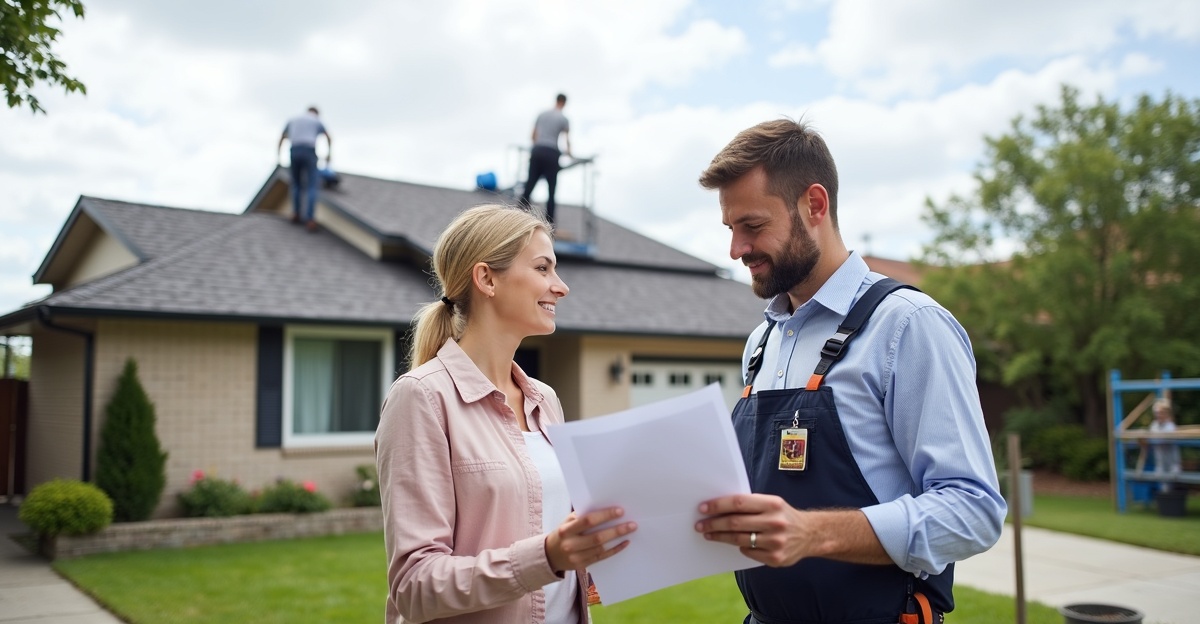
What You Can Do to Protect Yourself Right Now
You don’t need to be a roofing expert to sidestep scams. You just need a plan and a few smart habits. We put together a straightforward checklist you can use to protect your home and your wallet—whether you’re repairing storm damage or getting a full roof replacement.
Your Roofing Contractor Checklist
Use this list before you sign anything, meet with a contractor, or write a check:
- Verify the license and insurance. Ask for their contractor license number and double-check it on your state’s licensing board site. Confirm they carry current general liability and workers’ comp insurance. A reliable, licensed roofing contractor won’t hesitate to give you this info.
- Ask for references—real ones. Ask for three past customers with projects like yours. Call or visit those properties if possible. If the contractor dances around this, walk away.
- Get everything in writing. We mean everything. Scope of work, estimate, warranty terms—make sure it’s all spelled out in the contract. Don’t rush into signing before you’ve read the fine print. And never rely on verbal promises.
- Limit your upfront deposit. Standard industry practice is no more than 10% to 30% down. If someone asks for 50% or full payment up front, especially in cash, that’s a huge red flag.
- Review their online presence. Google their business, check reviews on BBB and other platforms, and look up complaints with your local consumer protection office. Pay attention to unresolved issues or duplicated reviews—they often signal trouble.
- Watch for pressure tactics. Scammers love to push urgency—especially after storms. If they’re rushing you to sign or warning that “the price goes up tomorrow,” take a step back.
- Confirm their contact details. They should have a physical business address, a working phone number, and an email that’s not just a generic Gmail. PO Boxes and no-contact phone numbers? Skip ‘em.
Doing these things doesn’t just protect your roof. It protects your peace of mind. Scammers count on homeowners being overwhelmed or too trusting.
Need help vetting crews? Don’t miss our guide on how to choose the right roofing contractor. It’s packed with questions you should be asking.
We’ve also created two downloadable tools to help:
- Contractor Comparison Checklist – Easily compare licenses, pricing, warranties, and timelines.
- Scam Red Flags Reference Guide – Spot the red flags before they become regrets.
If you’re already working through a claim, check out our step-by-step walkthrough on filing a roof insurance claim.
To stay informed and double-check any contractor, we suggest these official sources:
- Better Business Bureau (BBB): Look up ratings, reviews, and complaint history.
- Your State’s Contractor Licensing Board: Every state has one. Make sure the license is active and matches the name you’re doing business with.
- National Roofing Contractors Association (NRCA): Find members who meet national professionalism standards.
We see roofing issues every day caused by cut corners and dishonest work. If you’ve already started work and things feel off, take a look at the warning signs in our post on common roofing mistakes. Catching problems early can save you thousands.
For storm-prone areas, scams often spike after a major weather event. Find out what to expect before hiring anyone by reviewing our roof replacement checklist. It can help you tell the difference between real pros and drive-by contractors.
If you think you’re looking at long-term damage or roofing failure, consider having one of our experts come out for a solid inspection. You can start by exploring our roof replacement services here.
Roof work is a big investment. Let’s make sure it doesn’t come with regret.
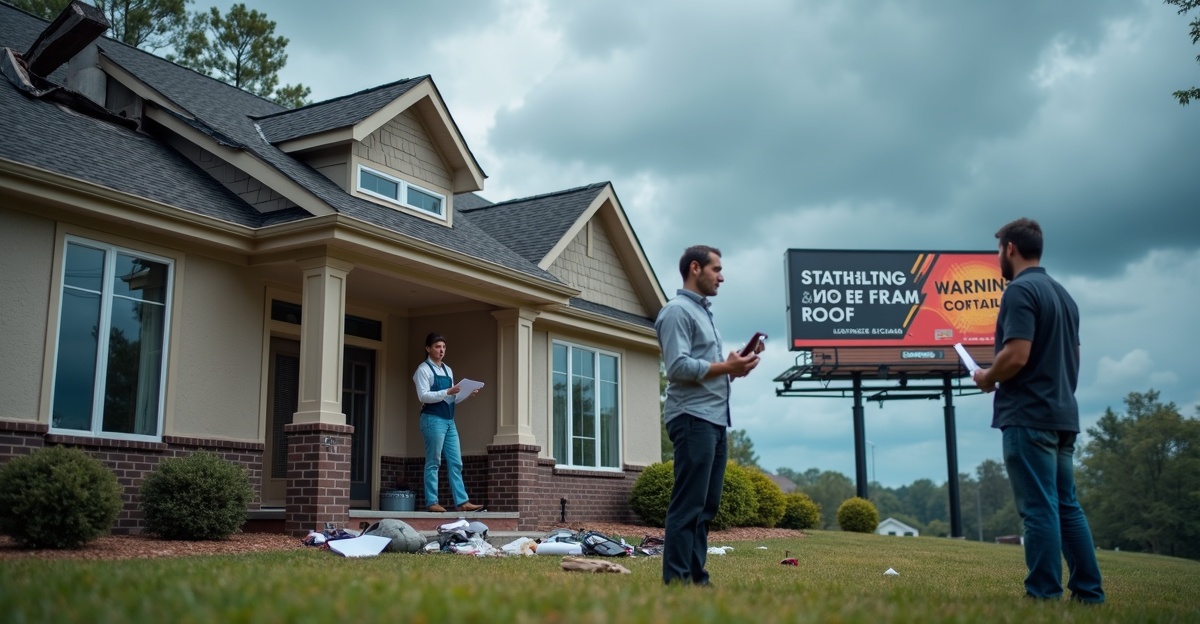
What to Do If You Suspect a Roofing Scam
If we think we’ve been targeted—or worse, taken in—by a roofing scam, the best move is to act fast and stay level-headed. Roofing fraud happens more often than most folks realize, but there are clear steps we can take to protect ourselves and limit the damage. Here’s what to do.
Immediate Steps to Protect Yourself
Taking action right away can prevent a bad situation from getting worse. If we suspect fraud, we should:
- Stop all communication and payments: If a contractor feels off or pressure tactics are starting, cut off contact. Don’t hand over another dime.
- Save every piece of documentation: Keep contracts, payment records, photos, texts, emails—anything that can support our case.
- Report the issue to the Better Business Bureau (BBB): Filing a complaint helps alert others and starts a paper trail.
- Notify our insurance provider: Especially if a roof insurance claim is involved. They may be able to stop fraudulent billing or help us recover funds.
- Contact a trusted, licensed roofing company—like RayPro—for a second opinion. We’ll give you a full professional assessment to verify the condition of the roof.
- Reach out to a local or state consumer protection agency to file a formal complaint.
Connecting with a legit licensed roofer ASAP is key. Sometimes a quick visit from a pro can confirm whether any real work was done—or needed to be done at all. If demolition has already started or work looks sloppy, we’ll help clarify what steps come next. You can also check out our guide on common roofing mistakes to spot red flags before they grow into bigger problems.
Report the Scam to the Right Authorities
Even if money hasn’t changed hands, reporting the scam helps others and puts offenders on the radar. We recommend contacting these organizations:
- Federal Trade Commission (FTC): Report online fraud or scams at ftc.gov/complaint.
- State Attorney General: Each state has a consumer protection division. They often handle contractor fraud and run investigations.
- Local law enforcement: If the contractor is threatening or trespassing, or if theft occurred, get a police report on file.
These groups won’t always recover your funds, but they can guide the legal process and open an official case. If we’ve filed a claim with our homeowner’s insurance, they may recommend the next move or even assign an inspector.
For scams involving storm damage, like fake emergency “storm chasers,” we also want to be alert right after bad weather. Too many out-of-state crews try to pressure folks for quick cash right after a storm. In these cases, count on a local service like RayPro’s storm damage repair team—we’ll do things by the book, and we’ll walk you through everything step by step.
If we’re just now realizing the contractor might be shady but work hasn’t started, stop and reassess. Trust your instincts. Visit our tips on choosing the right contractor to compare your current situation with what a reliable company looks like.
Roofing fraud prevention starts with awareness. Whether it’s a door-to-door sales pitch, disappearing deposit, or an unlicensed crew ignoring local codes, scams can get ugly fast. But we don’t have to face it alone.
Any time a contractor asks for large cash upfront, skips permits, or rushes us through decisions, it’s time to hit the brakes. If permits weren’t pulled to begin with, you can learn more about what’s required by checking this breakdown on roof replacement permits in Florida.
Scams don’t mean the end of your roof—or your budget. We’ve helped plenty of homeowners recover from these situations. Once we assess the roof, we’ll recommend a reliable path forward. That can include repairs, replacements, or an official inspection. Don’t hesitate to call for a no-pressure consultation. We’re here to make things right.
And if the experience already has us dealing with insurance headaches, we’ve outlined a clear process for filing a roof insurance claim—minus the stress. Let’s take back control and get the roof care we actually paid for.
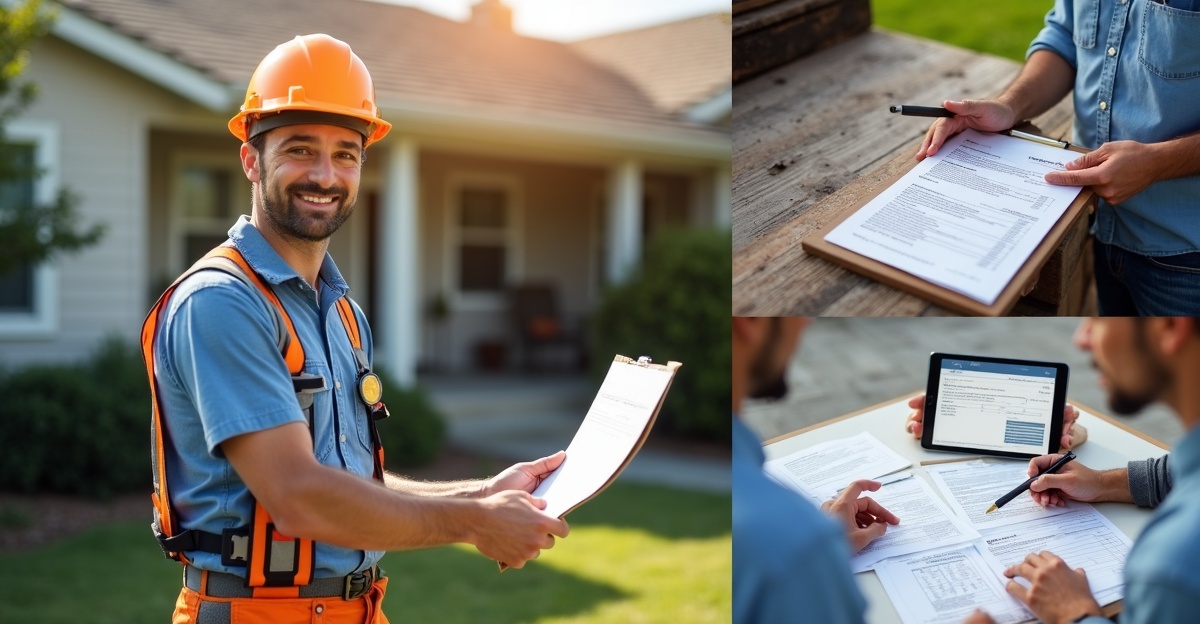
How RayPro Helps You Stay Scam-Free
We’ve seen every roofing scam in the book—storm chasers, disappearing contractors, bait-and-switch bids. That’s why our process is built to do the opposite: keep things honest, clear, and professional at every step.
You don’t just avoid scams by getting lucky—you do it by working with verified pros who know what they’re doing and aren’t afraid to show their work. Here’s how we keep things clean and aboveboard, whether you’re a homeowner or managing a commercial property.
What You Can Expect from a Legitimate Partner
We follow a process that protects your time, your money, and your property. Here’s how:
- We’re fully licensed and insured, and we’ll show you proof before we step foot on your roof. Whether you need commercial or residential work in Florida or beyond, we’ve got the credentials and coverage ready to go. Proper licensed roofing contractor verification is your first step in spotting red flags—our documentation is available upfront.
- Every estimate we provide is written clearly, with no fine print and no big sales push. You get straight answers and fair numbers, not vague promises. No surprise fees. No pressure.
- With years of experience across residential and commercial roofing in multiple states, we’re not just a truck-and-a-ladder outfit. Our crews know code requirements by state and county, including permit rules that can trip up less organized contractors. Need help understanding that part? We break it down in plain English—including in our post on roof replacement permits in Florida.
- We don’t leave you guessing what’s next. From the moment we inspect your roof to the final check-in, we keep the communication open. That includes verifying materials before installation starts, handling permitting ourselves, and staying in touch long after cleanup’s done.
- Not sure if a quote from another roofer feels right? We’ll take a look—free. We offer zero-cost inspections and quote reviews, so you can get a second opinion before deciding. If you’re unsure where to start, check out our guide on what to expect during a roof replacement.
It pays to compare bids and review each item against a solid roofing contractor checklist. We built ours from years of real-world experience and it’s available to download from our website—no hoops to jump through.
Want a second set of eyes on a roofing quote? Contact us today. We’ll help you understand what’s legit, what’s off, and what to do next. Let’s make sure your next project starts with trust, not trouble.
Frequently Asked Questions
The most common warning signs include door-to-door contractors, pressure to sign immediately, requests for large cash deposits, and vague or verbal-only estimates. Scammers often appear right after storms and create urgency to push quick decisions. Legitimate roofers provide written contracts, allow time for review, and never demand full payment upfront.
An estimate is suspicious if it is significantly lower than others or lacks detailed breakdowns for labor, materials, and timelines. Scammers often use low prices to secure the job, then add unexpected charges later. Always compare multiple written estimates and watch for unclear language or missing scope details.
Scammers skip permits because pulling them requires licenses, inspections, and accountability. Avoiding permits allows them to cut corners and disappear before problems are discovered. Work done without permits can violate building codes, void warranties, and create legal or resale issues for property owners.
Yes, roofing scams often involve insurance fraud. Some contractors exaggerate damage, create fake repairs, or ask homeowners to sign over claim control. This can lead to denied claims, legal trouble, or policy cancellation. Property owners should stay involved in the claim process and never give contractors full authority over insurance decisions.
Stop communication and payments immediately if something feels wrong. Save all contracts, messages, photos, and receipts. Report the contractor to consumer protection agencies and notify your insurance provider if a claim is involved. Getting a second opinion from a licensed, reputable roofer can help confirm whether damage or repairs are legitimate.