Fence Maintenance Tips for Longevity
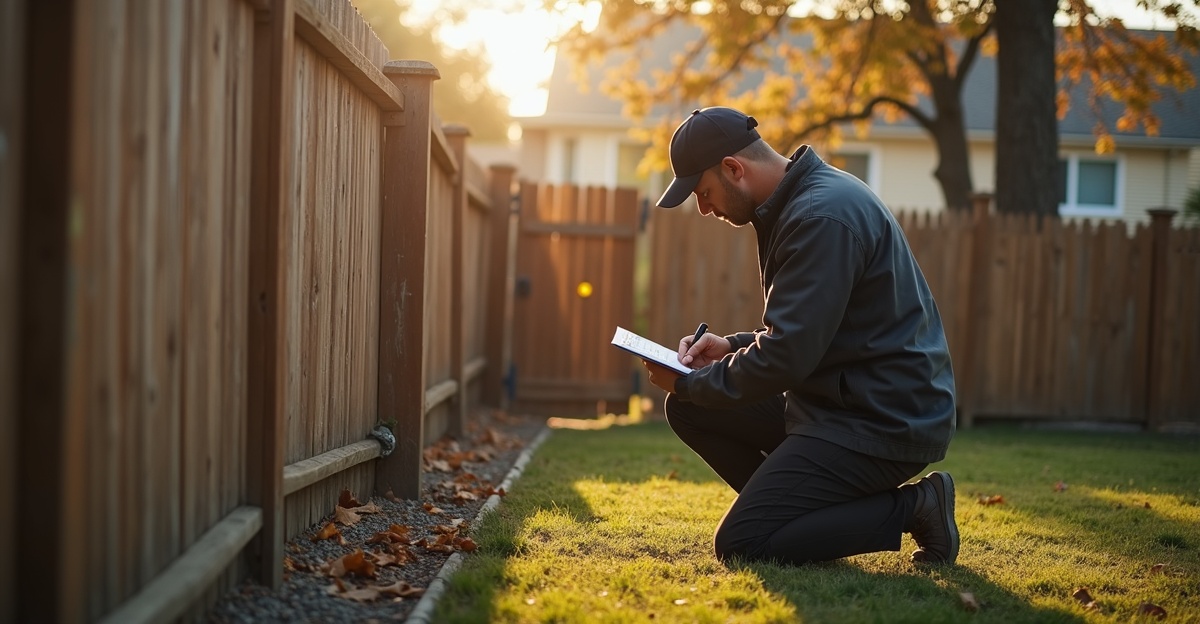
This fence maintenance guide outlines practical fence maintenance tips for longevity, including structured inspections, material-specific care, and seasonal planning to prevent structural failure. We focus on climate exposure, hardware wear, drainage issues, and early warning signs so we can extend fence lifespan by material, control long-term costs, and reduce safety and liability risks for residential and commercial properties.
Key Takeaways
- We inspect residential fences once or twice per year and commercial fences quarterly, and we document findings for compliance and budgeting.
- We follow a structured checklist that covers posts, panels, gates, hardware, surface condition, and drainage.
- We adjust maintenance by material, including sealing wood, cleaning vinyl, treating rust on metal, and checking composite fasteners.
- We use a seasonal plan to address freeze-thaw damage, UV exposure, vegetation overgrowth, and snow or ice stress.
- We act early on warning signs like leaning posts, rust-through, sagging gates, or below-grade rot to avoid full replacement and liability risks.
Stop Damage Before It Spreads: The Fence Inspection Checklist You Should Follow
Consistent inspections are the foundation of any effective fence maintenance guide. Regular reviews protect fence lifespan by material and stop minor wear from turning into structural failure.
We recommend inspecting residential fences at least once or twice per year, plus after major storms, based on common preventive maintenance inspection interval guidance. For commercial property fence maintenance, inspections should happen quarterly, with a documented annual review to support insurance requirements and compliance tracking.
A structured fence inspection checklist keeps the process efficient and thorough. Focus on the following areas:
- Posts: Check for post rot at the ground line, shifting, leaning, or soil erosion around bases. Movement at the base usually signals structural decline.
- Panels and boards: Look for cracking, warping, loose fasteners, and missing sections that weaken the line.
- Gates: Inspect for sagging, hinge strain, and latch misalignment. Gates are one of the highest failure points.
- Hardware: Identify corrosion at joints, loose brackets, and rusted screws before failures spread.
- Surface condition: Watch for peeling paint, fading, UV damage to fences, mold, and mildew.
- Drainage: Look for standing water near posts. Managing drainage helps prevent fence rot and rust issues.
Climate conditions also affect fence durability. During inspections, document local risk factors:
- Freeze-thaw fence damage often causes cracked footings and heaving posts.
- High-moisture regions accelerate mold, mildew, and decay.
- Intense sunlight leads to fading and brittleness.
- Coastal or salt exposure dramatically increases corrosion in metal systems.
For commercial properties, regular inspections help protect perimeter security, reduce liability, and maintain tenant safety. A failing gate or unstable fence panel creates real risk. Structured documentation supports asset protection and long-term budgeting.
Material-Specific Maintenance That Extends Fence Lifespan by Material
Every fence material performs differently. The right maintenance routine protects your investment and extends fence lifespan by material instead of cutting it short.
How to Maintain a Fence by Material
Wood fence maintenance requires consistent attention. Clean wood fencing annually with mild detergent or low-pressure washing. Avoid high-pressure spray that damages fibers, as noted in wood cleaning and pressure-washing best practices. Plan to seal or stain every two to three years, aligned with Denco Fence finish maintenance guidance. In high-moisture or high-UV climates, reseal more frequently. A simple test works: if water no longer beads on the surface, it is time to reseal. Inspect for post rot, insect activity, and splitting boards during every review.
Vinyl fence care focuses on cleaning and surface protection. Wash vinyl one or two times per year to remove dirt and algae buildup. Cold weather can make vinyl brittle, so check for cracking during winter and early spring. Avoid abrasive cleaners that scratch or dull the finish.
Metal fence maintenance, including iron, steel, and aluminum, centers on corrosion control. Inspect welds and joints for bubbling paint and early rust. Wire-brush affected areas immediately and apply rust-inhibiting primer and paint. Recoat protective finishes every few years depending on sun, moisture, and salt exposure. Coastal properties require closer monitoring to prevent fence rot and rust in surrounding components and fasteners.
Composite fence maintenance is generally lower effort but still necessary. Clean composite panels annually and avoid harsh chemicals that break down the surface. Extreme heat may cause thermal expansion, so check fastening systems periodically. Tighten hardware as needed to maintain alignment.
By adjusting maintenance to the material, we prevent premature failure and reduce long-term replacement costs.
Seasonal Fence Maintenance Plan to Prevent Surprise Repairs
A seasonal plan helps prevent unexpected structural issues and keeps fence maintenance practical and consistent.
- Spring: Perform a full inspection. Winter often causes freeze-thaw fence damage. Look for cracked footings, heaved posts, and loosened hardware. Reset shifted posts and correct drainage problems before spring rains intensify them.
- Summer: Address UV damage to fences during dry weather. This is the ideal time to apply stain or sealant to wood and repaint metal surfaces. Warm, dry conditions improve coating adhesion and curing.
- Fall: Clear leaves and debris away from posts. Trim vegetation back from fence lines to reduce trapped moisture. Overgrowth accelerates decay and corrosion.
- Winter: Monitor snow and ice loads. Avoid piling snow against fence lines during plowing, especially on commercial properties. Ice buildup at gate hinges increases stress and misalignment.
For commercial portfolios, track all maintenance activities. Documentation supports budgeting cycles, capital planning, and coordination across multiple sites. Predictable maintenance prevents emergency expenses.
Commercial Property Fence Maintenance: Safety, Compliance, and ROI
Fence systems on commercial properties serve as security barriers, safety features, and liability controls. Structured commercial property fence maintenance protects perimeter security and keeps gates operating properly for ADA path access.
Failing hardware or sagging gates create safety concerns for tenants and visitors. Regular inspections reduce trip hazards, entry failures, and security breaches. Annual documentation helps support insurance claims if damage occurs.
We recommend quarterly inspections with a formal annual review that forecasts repair or replacement based on fence lifespan by material. Capital planning works best when small repairs happen early instead of after structural failure.
Lifecycle cost comparisons clearly show the value of preventive care. Simple repairs like hardware replacement, sealing, and spot rust treatment cost far less than a full tear-out and replacement. Deferred maintenance multiplies repair costs and shortens total service life.
Fence repair vs replacement decisions depend on severity:
- Targeted repairs: Localized rot or minor corrosion.
- Replacement: Structural post failure, widespread warping, or extensive corrosion at load-bearing sections.
For property managers and owners, predictable budgeting supports long-term reliability. A maintained fence performs better, protects assets longer, and reduces risk exposure.
Warning Signs It’s Time for Professional Repair or Partial Replacement
Some conditions move beyond routine upkeep:
- Multiple leaning posts indicating foundation or soil instability
- Rot extending below grade compromising structural integrity
- Rust-through at structural rails weakening load-bearing capacity
- Repeated gate sagging despite hinge adjustments
- Extensive freeze-thaw cracking in footings
Delaying repairs increases costs. Small areas of decay spread. Corrosion travels along joints. Gate failures strain adjacent panels. Liability exposure also rises in high-traffic or commercial environments.
At that point, professional evaluation makes sense. A qualified contractor can determine fence repair vs replacement based on actual structural conditions.
If structural integrity is uncertain or multiple properties need coordinated maintenance, we recommend scheduling a professional fence inspection with RayPro. Our team handles exterior improvements through our general contracting services, including complete fence installation and targeted structural repairs.
Proactive action protects security, controls costs, and preserves long-term performance.
Frequently Asked Questions
Most residential fences should be inspected once or twice per year, while commercial properties benefit from quarterly reviews. Regular inspections help identify early signs of rot, corrosion, loose hardware, or drainage problems. Following a consistent fence maintenance guide prevents small issues from escalating into structural damage and extends the overall lifespan of the fence.
The best way to maintain a wood fence is through annual cleaning and resealing every two to three years. Wood is vulnerable to moisture, UV exposure, and insect activity, so applying a protective stain or sealant helps prevent rot and cracking. Checking posts at ground level and ensuring proper drainage also reduces long-term structural deterioration.
Yes, poor drainage can significantly reduce a fence’s lifespan. Standing water around posts accelerates wood rot and increases corrosion in metal components. Over time, saturated soil weakens footings and causes leaning or shifting. Managing grading and clearing debris around the fence line are essential steps in any effective fence maintenance guide.
A fence typically needs repair if damage is localized, such as minor rot, isolated rust, or loose panels. Full replacement may be necessary when multiple posts fail, structural rails corrode through, or widespread warping affects stability. Evaluating structural integrity and load-bearing sections helps determine whether targeted repairs or complete replacement is more cost-effective.
Seasonal fence maintenance includes inspecting for freeze-thaw damage in spring, sealing or repainting during dry summer conditions, clearing vegetation in fall, and monitoring snow or ice buildup in winter. Addressing climate-related stress early prevents structural weakening and reduces emergency repair costs. A planned, seasonal approach keeps maintenance predictable and manageable.