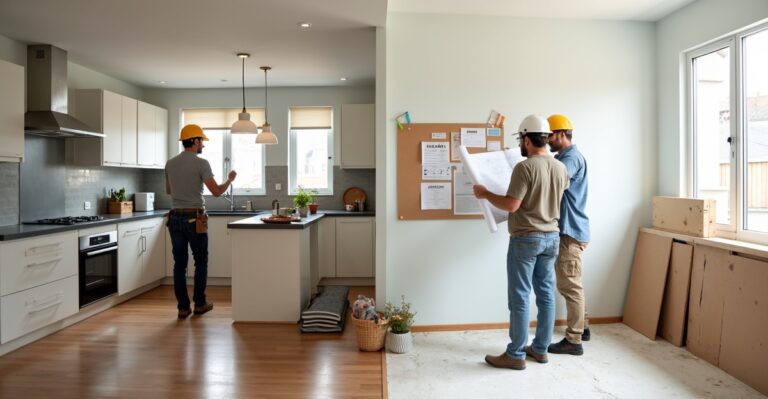
How to Plan a Home Remodeling Project

Start your home remodel by locking down your goals, scope, and budget before making design moves or tearing anything out. Pick a contractor you trust, stay ahead on permits, and manage stress by planning smarter. A smooth remodel comes from clear decisions, open communication, and timing that makes sense.
Key Takeaways
- Pin down your goals and scope early. This steers design decisions and keeps your budget realistic.
- Build a solid budget. Add a 10–15% buffer for surprise costs or code-required upgrades.
- Work with a licensed, trustworthy contractor. Ask smart questions and watch for warning signs.
- Know the main project phases and how long each takes. That helps you plan better and avoid delays.
- Keep communication simple and frequent. That reduces stress and helps everything stay on track.
Defining Your Remodeling Goals and Scope
Before you start gathering paint samples or browsing appliances, get clear on what you’re really trying to accomplish. Are you looking to add space, improve flow, upgrade outdated finishes, or boost your property value? That clarity helps shape everything else—from design choices to contractor selection.
Start by defining whether you’re doing a renovation or a full remodel. Renovations usually freshen up what’s already there. Remodels change things—walls come down, layouts shift, plumbing may need to move.
Next, factor in your current life stage. Growing families often need added space or better function. Older homeowners may prioritize aging in place, while businesses need to think about ADA compliance and customer flow. That difference matters: residential clients often focus on comfort and curb appeal, while commercial clients care about ROI, deadlines, and avoiding shutdowns.
To organize your thoughts, download our simple Remodeling Project Checklist. It’ll help you list needs, goals, and priorities early—so that your project starts on the right foot.
Setting a Realistic Budget and Planning for Unexpected Costs
Remodeling costs more than paint and plywood. Quick estimates online won’t cover the full picture, so start with a conservative ballpark, then adjust based on your choices and needs. For large projects, plan to spend around 10–20% of your home’s value—it’s a smart range for major upgrades without overextending.
Whatever your budget, always include a 10–15% cushion for surprise problems—especially in older homes or buildings where hidden damage or outdated wiring can appear after demo starts.
Hidden costs add up quickly. Permits, inspections, code upgrades, temporary living situations—each has the potential to throw you off-track if you’re not ready. Commercial renovations come with their own challenges too, like environmental compliance upgrades or peak-season planning.
Residential budgets typically focus on livability and long-term comfort. Commercial budgets should weigh capital improvement ROI and tax treatment. Either way, clear numbers early on prevent headaches later.
Want more help estimating what to expect? Here’s a straightforward guide on the cost of roof replacement, including budget ranges and breakdowns per square foot. It’s a good reference even beyond roofing.
Choosing the Right Contractor: Questions to Ask and Red Flags to Avoid
Hiring the right contractor makes or breaks your remodeling project. Here’s what to ask from the start:
- Are you licensed and insured?
- Who handles permits and inspections?
- Can I see your timeline estimate?
- Will you provide client references and job photos?
- How do you handle communication and change orders?
We’ve stepped in on too many projects where a homeowner hired the wrong team. That’s avoidable if you watch for these red flags:
- Vague or fast-tracked estimates
- No written contract
- Hesitation with questions
- Pressure to sign “now” with no time to think
Don’t rush this step—especially for commercial jobs that might span months. A good contractor becomes a trusted partner. Trust builds through transparency. You should always know who’s managing what, when things will happen, and what your options are if something changes.
Need help filtering out the wrong teams? Read through our guide on how to choose the right contractor to get actionable questions and a clearer sense of what to look for.
Understanding the Timeline: What Happens When, and Why It Matters
Every project moves through the same major phases: planning and design, permitting, demolition, build-out, inspections, and final walkthrough. But each comes with its own timing—and possible delays.
Most holdups come down to missed permits, backordered materials, or last-minute design decisions. So it’s smart to lock those down early.
Here’s what average timelines look like:
- Bathroom remodel: 2–4 weeks
- Kitchen remodel: 6–10 weeks
- Whole-home remodel: 3–6 months
- Commercial tenant improvement: 1–3 months, but varies based on scope
If you’re remodeling a business, you may need to phase the work to keep doors open. That means breaking the project into chunks that minimize disruption.
We always recommend asking for a project calendar upfront. It should include estimated start and end dates, built-in checkpoints, and who to contact if something changes. That way, you won’t be in the dark when decisions or weather throw things a day—or a week—off course.
Looking for more on timing? Check out our full remodeling timeline guide here.
Navigating Permits, Zoning Laws, and Building Codes
Permits aren’t just hoops to jump through—they protect your investment. They ensure your project meets safety rules and local law. Skip this step, and you could face stop-work orders, fines, or trouble at resale.
For residential jobs, you’ll need permits if you change anything structural, electrical, or plumbing-related. Even replacing windows or adding a patio cover may require city approval, depending on your area.
Commercial remodels require even more due diligence. ADA accessibility, fire suppression systems, emergency egress, environmental guidelines—these can vary by municipality and delay your project if not planned for early.
Ask your contractor straight up: “Are you pulling the permits?” and “Who’s in charge of staying compliant?” At RayPro, we handle all of that directly—no loose ends, no last-minute scrambling.
If you’re tackling a big job, make sure your contractor has experience with residential construction or commercial systems. That expertise ensures they know what codes apply before the first hammer swings.
Minimizing Stress During the Process: Communication, Disruption, and Peace of Mind
Remodeling isn’t always neat—but it doesn’t have to turn your life upside down. Good communication and clear expectations go a long way toward keeping stress low.
That’s especially important if you’re juggling work, kids, pets, or customers. For homeowners, we ask about your routines and create plans that respect your space. For business owners, we build around low-traffic periods or push certain phases after hours.
We maintain regular updates throughout the job so you’re never left wondering who’s doing what. You’ll always have a consistent point of contact, and if any changes come up, we walk you through the timeline and cost impacts first.
If you’ve been burned by a flaky contractor in the past, we get it—and that won’t happen here.
For homeowners, our team also provides planning resources like this helpful pre-project checklist and preparation guide. It’s a simple way to feel more in control before and during the build.
Tips to Keep Remodeling Stress Low
- Choose a contractor who assigns a regular supervisor or project manager.
- Set mutual communication expectations from the start.
- Block off safe zones at home (for kids/pets) or customer-access paths for businesses.
- Discuss work hours ahead of time.
- Read your contract carefully to understand how change orders, weather, and inspection delays are handled.
Looking ahead, if you’re considering repairs instead of a full remodel, take a moment to read this guide on when to repair vs replace. It can help align both budget and expectations.
If your project involves infrastructure upgrades, we also handle everything from plumbing services, electrical work, and HVAC enhancements to solar panel installations. That means fewer vendors, more coordination, and better results overall.
Planning a remodel doesn’t have to be stressful. It just takes the right prep—and the right partner. If you’re ready to start talking specifics, get in touch with us here. We’re real people with real answers—no fluff, just solutions.