How to Prepare Your Property for Construction
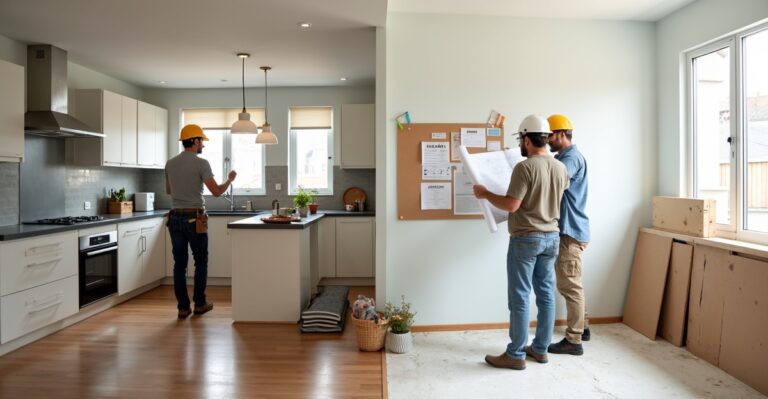
Getting a site ready goes far beyond breaking ground. It calls for careful planning you don’t always see—but that effort keeps the project moving, safe, and within budget. From securing permits to preparing the property and managing risks, smart preparation sets the tone for a successful build.
Key Takeaways
- Confirm all permits, insurance coverage, and code standards before starting any work. That avoids costly delays and keeps everything compliant.
- Handle site logistics in the early stages. Make space for materials and crews, and clearly mark off where work will happen.
- Shield parts of the property that won’t get repaired. Seal off unused rooms, cover any valuables, and lock up vulnerable access points.
- Agree on a clear schedule with your contractor. Keep communication steady and ensure regular updates on progress.
- Adjust preparations for the type of site. Commercial jobs often need planning that keeps business running. Residential sites focus more on family comfort and home safety.
Secure Permits, Insurance, and Code Compliance First
Before any demo starts or materials hit the ground, stop and make sure your project checks all legal boxes. That means permits, code compliance, and verified insurance coverage. Skipping this step is one of the fastest ways to derail your construction plans.
Talk to your local building department to figure out exactly what permits you need. Requirements vary based on the type of work, your property’s location, and whether it’s a commercial or residential site. For larger builds or structural changes, you’ll likely need inspections scheduled along the way.
Commercial projects often involve extra layers—ADA accessibility, fire code requirements, and sometimes even historical preservation reviews. Failing to address those upfront can trigger failed inspections or legal action down the road.
We recommend documenting three main things from the start:
- Your building permit approvals and project scope filings
- Your contractor’s insurance (liability, workers’ comp, and builder’s risk)
- Any updates from your own insurance provider
Homeowners should ask their carrier about how renovations might affect their coverage. Sometimes a home policy won’t cover certain risks unless you notify them in advance.
We’ve seen jobs halted mid-demo because a permit was overlooked. It’s not worth the risk—always confirm before you cut. If you’re working through a full replacement, this article on roof replacement permits in Florida spells it out clearly.
Plan Site Logistics and Access
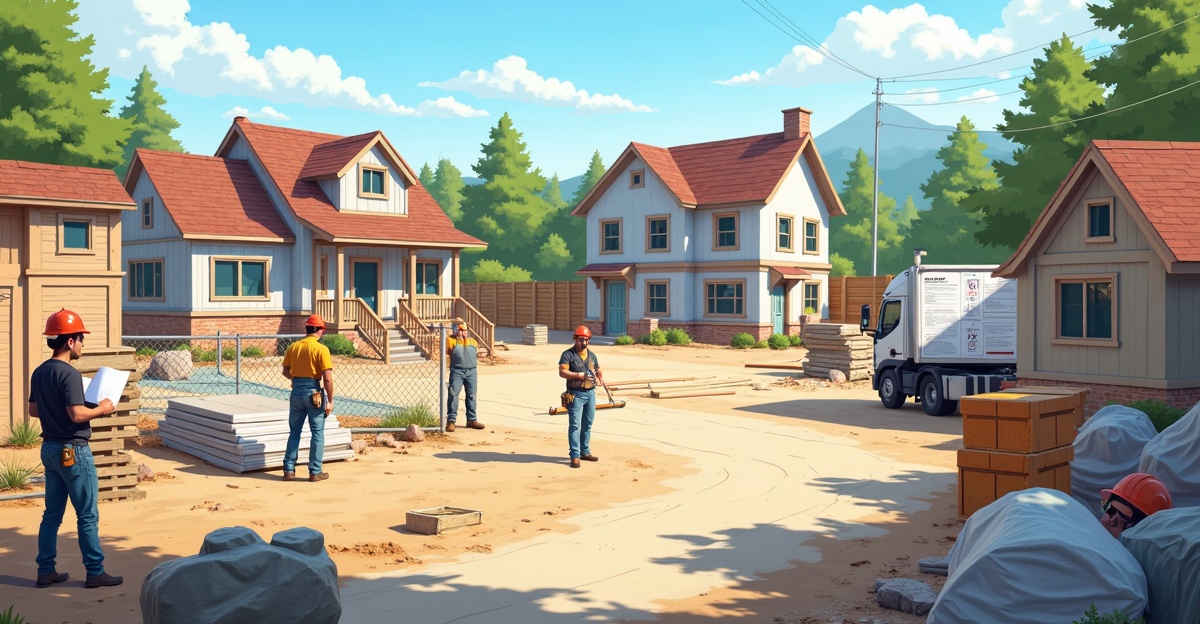
Even a well-permitted project can get bogged down fast if the site isn’t ready. Construction crews need room to work, store equipment, and move materials in and out without roadblocks. That means thinking ahead about access and logistics.
Key Tasks for Property Access and Setup
Here’s what to check off before the crew arrives:
- Make sure there’s enough driveway, parking, or yard space for trucks, equipment staging, and material drop-offs
- Clear out garages, side gates, or work zones at home so crews aren’t held up getting to the area
- Create delivery plans for commercial buildings—think elevator access, dock schedules, and secured equipment rooms
- Put up signs or temporary fencing to separate work zones, especially if kids, pets, or customers might cross paths with your crew
- Evaluate whether you need to shut off water, HVAC, or electricity at any point and plan around it
- Coordinate early prep tasks like demolition, tree removal, or mold abatement with your general contractor’s timeline
If you’re unsure how to manage all this, start with the foundational steps in our guide on how to prepare for a roofing project. Many of the same principles apply on jobs big or small.
Protect Valuables and Mitigate Risks
Construction sites move fast—and so does dust, debris, and foot traffic. Whether it’s a single bathroom remodel or a full commercial overhaul, the risk of damage to unrelated parts of your property goes up. Protecting what’s not part of the job is just as important as managing what is.
Start by removing or covering anything fragile. That includes electronics, artwork, instruments, and even large furniture if it’s in a nearby room. On commercial sites, think about operational risks—move inventory, shield IT systems, and secure cash-handling areas.
We also recommend these steps to reduce risk and cleanup:
- Lay floor protection in halls or entryways workers will use
- Seal off non-work areas using temporary walls or zip-up plastic barriers
- Add outdoor lighting or basic surveillance to deter theft during off-hours
- Store valuables offsite when possible, especially if there’s no 24/7 on-site security
We always tell clients to treat the site like an active zone—because once demo starts, it absolutely is. You shouldn’t leave anything to chance.
Align Timelines and Set Communication Plans
Clear communication and timeline alignment prevent project slowdowns, missteps, and stress. Start by locking in your schedule—confirm early what the start dates, working hours, and key milestones will be.
For commercial properties, sync this timeline across departments like facilities, security, IT, and operations. You don’t want a network server being moved during a power outage or customers rerouted without notice.
Homeowners should also plan ahead. Decide whether you’ll stay in the space during major work. Some folks relocate during messy phases like demo or framing.
Assign one main contact person and one communication method—daily text check-ins, weekly calls, or a shared task platform. This keeps things moving and prevents crossed wires.
For projects involving neighbors or tenants, give them a heads-up. Let them know where crews will park, any expected debris, and how long it’ll last. It goes a long way.
We often help clients set up weekly status calls—it keeps everyone aligned and avoids surprises. If you’re not sure what that timeline should look like, here’s a roof replacement timeline guide that outlines common stages and timing.
Different Considerations for Commercial vs. Residential Prep
Commercial builds and residential renovations share common planning steps—but their priorities differ. The key is recognizing early what matters most to your situation.
For businesses, the focus is continuity. Minimize downtime for staff and customers. Maintain code compliance, protect your brand’s image, and avoid liability claims. That could mean planning work after hours, securing entry points, or setting up a ghost route for parts of your operation.
Residential projects usually center around comfort and safety. Plan for alternative kitchen access, bedtime-hour limiters for noise, or where pets and kids will stay. The smaller scale doesn’t make it easier—it just changes what you need to think about.
Multifamily units fall in the middle. You’ll need both contractor coordination and tenant communication. Leave time for walkthroughs, access keys, and notice postings.
We remind commercial clients especially—prep takes longer. We recommend businesses start key logistics plans 30–60 days ahead. If you’re building big, our guide to commercial construction projects has more planning tools focused specifically on business needs.
Downloadable Pre-Construction Checklist
To help you stay organized, we’ve created a printable construction readiness checklist. It walks you through the major categories step-by-step:
Pre-Construction Planning Checklist Includes:
- Permit & Documentation Review: Confirm all your permits and approvals
- Insurance Verification: Review contractor coverage and notify your own insurer
- Access & Site Setup: Plan delivery paths, parking, and safety fencing
- Valuables & Area Protection: Remove or shield items at risk for dust, noise, or movement damage
- Communication Plan: Establish points of contact and a reporting schedule
- Utility Disruption Planning: Arrange HVAC, water, and power routing or shutdowns
- Roles and Contacts: Document your project team and emergency contacts
This construction readiness checklist gives you a quick-reference tool to keep things moving. If you’re mapping out a complex roofing or construction project, our team is happy to help you assess next steps. You can always reach out here.
For home remodeling specifically, you can walk through the early questions in our home remodeling planning guide. It’s got examples, checklists, and common pitfalls to avoid.
And if you’re just starting construction altogether, we offer full residential construction services and commercial project planning from concept to closeout. Either way, we’ll help protect your investment and get it done right.