How to Spot a Failing Commercial Roof
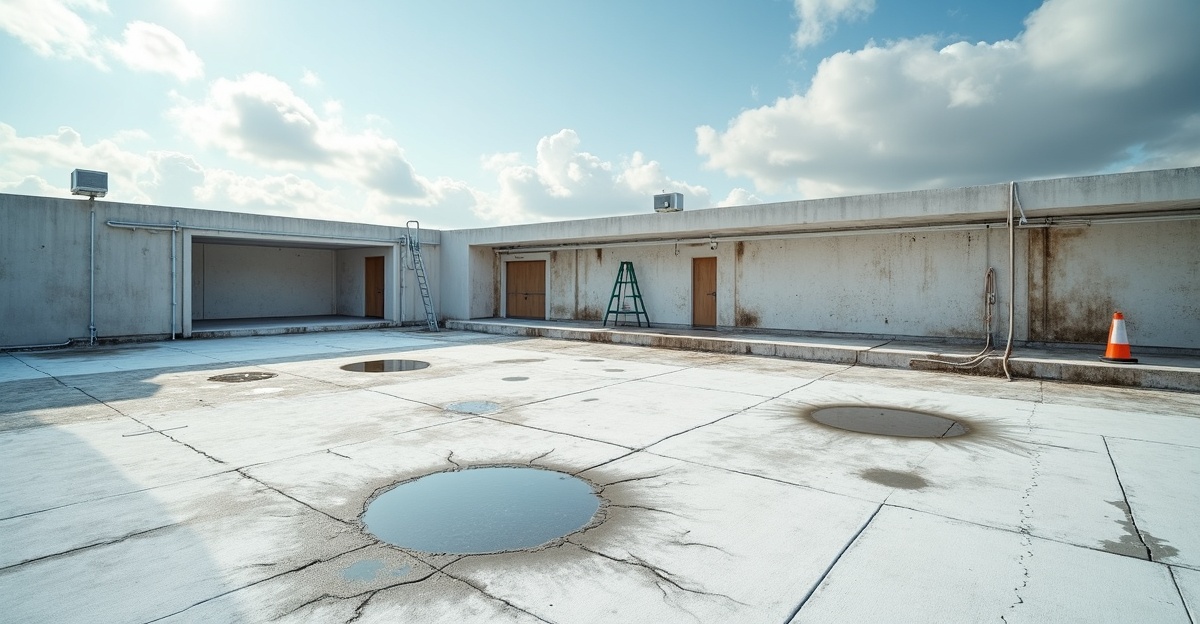
Spotting early warning signs in a commercial roof gives us the chance to act before problems grow. Whether it’s standing water, visible damage on the surface, or signs showing up indoors, catching the red flags early helps protect the building’s structure and avoid costly shutdowns.
Key Takeaways
- Standing water that sticks around for more than 48 hours shows poor drainage and can stress the structure over time.
- Cracks, blisters, and gaps at the seams often allow water to get in and trigger system breakdown.
- Inside the building, things like stained ceilings, musty smells, or climbing HVAC costs usually point to leaks in the roof above.
- Some wear and tear is normal. But if issues show up regularly or start adding up, it’s a signal that something more serious may be going on.
- Each roof type fails differently. Knowing your system lets you spot the right issues early and respond with the right fix.
Consistent Warning Signs You Can’t Ignore
Staying ahead of a failing commercial roof starts with knowing what to look for. During routine walk-throughs or scheduled checkups, keep an eye out for clear visual clues. These aren’t small issues—they point to deeper trouble below the surface.
Common signs of serious problems include:
- Consistent ponding water, especially more than 48 hours after rain, often leads to structural stress and insulation saturation.
- Cracks or blisters on membrane surfaces can point to UV damage or trapped moisture—both costly if ignored.
- A sagging roof structure may indicate deck failure or saturation, potentially risking code violations or collapse.
- Open seams compromise waterproofing and can introduce steady leaks.
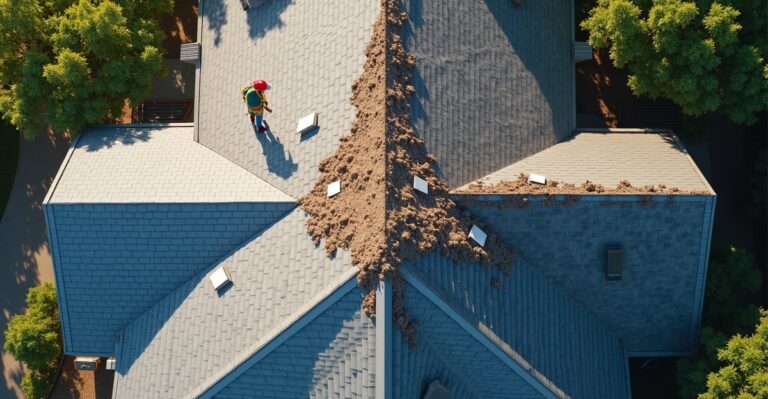
- Excessive granule loss on shingle roofs shortens lifespan and exposes the surface to UV damage.
If you’re managing a flat system, also review these flat roof issues that often lead to leaks and structural concerns.
Use our handy “Early Roof Failure Warning Signs (At-a-Glance)” checklist to guide your next inspection and stay ahead of damage.
When It’s More Than Just Wear and Tear
Not every blemish is an emergency, but patterns matter. Regular wear can tip into serious problems quickly if left alone.
Minor Aging vs. Major Damage
Here’s a quick comparison to help spot the difference:
- Minor:
- Small areas of cracked caulk
- Slight discoloration due to sun exposure
- Major:
- Repeated leaks in the same location
- Widespread seam separation or surface splitting
Even minor issues can build up fast. Without routine upkeep, they lead to trapped moisture, damaged insulation, and deck failure. Taking action early minimizes cost and disruption. If it’s time to rethink upkeep strategies, this commercial roof maintenance checklist walks through what to include.
What Your Roof Is Telling You Indoors
You don’t always need to step outside to spot roof damage. Plenty of warning signs show up indoors first.
Look for these interior indicators:
- Stained or sagging ceiling tiles
- Moldy or damp odors, especially near vents or walls
- Rising HVAC bills that come from poor insulation above
- Flickering lights or shorting circuits due to roof leaks affecting wiring
If you see a pattern, there’s likely chronic moisture above the ceiling. And as we always say—if it shows up inside, it started outside. Learn how to spot hidden damage before it spreads.
What to Expect From a Professional Assessment
A commercial roof inspection shouldn’t be vague or rushed. We start with a full exterior check for damage, followed by moisture scans when needed. Then we look at system compliance and document every finding.
Our team keeps it low-pressure. We’ll walk you through your options clearly and honestly. After decades of experience, including work for institutions in 17+ states, we’ve caught minor problems before they turned into six-figure repairs. Whether you need maintenance or a full commercial roof replacement, we’ll guide you there with solutions built to last.
When to Call a Professional (And Why Waiting Costs More)
Some situations require immediate help. Delaying can multiply costs and lead to compliance issues.
Watch for these red flags:
- Active leaks after a storm
- Seam separation or visible membrane tears
- Dips or warping in the roofline visible from the ground
These aren’t theoretical problems. We’ve seen building owners face mold remediation, tenant relocations, and code fines—all preventable. Catching a $5,000 repair now can often prevent a $50,000 replacement later. If storm issues start popping up, read more on storm-related commercial roof damage.
We handle emergency roof repair and storm recovery quickly and with real transparency.
Roof Types Matter: Know What You’re Working With
Different roofing systems break down in different ways. Knowing what you have helps you interpret surface signs more accurately.
Here’s a quick rundown:
- TPO: Seam issues from heat cycling; look for curling or weld splits
- EPDM: UV-resistant but can suffer from seam fatigue or shrinkage
- Built-up Roofing: Watch for surface blistering or gravel displacement
- Shingle: Granule loss and curled edges appear first
Don’t misjudge a symptom and miss the root problem. Every system has weak points. For deeper signs you might’ve overlooked, here’s how to recognize when your roof truly needs replacing.
If any of these signs sound familiar, let’s talk. Use our contact form and we’ll schedule a look at your system before small trouble turns into a shutdown.