Roof Coating Benefits: What It Is and Why It Matters
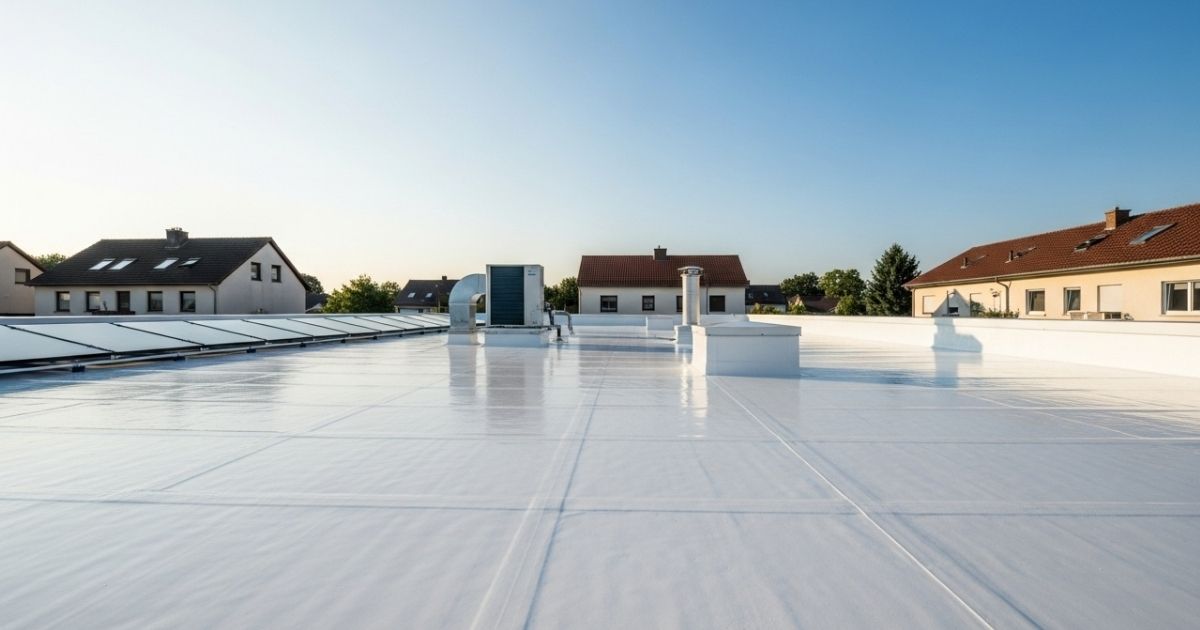
If you’re looking for a way to protect your roof, reduce energy costs, and avoid the disruption of a full replacement, roof coating might be the solution. This guide breaks down what roof coating is, how it works, and the key roof coating benefits for both commercial and residential property owners. Whether you’re managing a large facility or maintaining your family home, this post will help you understand if a coating system is the right move.
Here’s what we’ll cover:
- What Is Roof Coating and How Does It Work?
- Roof Coating vs. Roof Replacement: Which Do You Need?
- Key Benefits of Roof Coatings for Property Owners
- Use Cases: Commercial vs. Residential Roof Coatings
- Lifespan, Maintenance, and Warranty Considerations
- Special Considerations: Solar Panels, Insurance, and Compliance
- Conclusion: Is Roof Coating Right for You?
Let’s start by looking at what roof coating is and how it actually works.
What Is Roof Coating and How Does It Work?
A roof coating is a protective layer applied over an existing roof to extend its life, improve energy efficiency, and help guard against water intrusion, UV rays, and weather damage. It acts like a seal and shield in one—restoring the surface without requiring a full tear-off or replacement. For many property owners, it’s a smart way to get more years out of a roof that’s aging but still structurally sound.
What Materials Are Used in Roof Coatings?
Most roof coatings are made from advanced, flexible materials designed to handle tough environmental conditions. The most common types include:
- Elastomeric coatings: Stretch and contract with temperature changes, ideal for variable climates.
- Silicone coatings: Excellent for waterproofing and UV resistance—great for flat roofs or areas with standing water.
- Acrylic coatings: Reflect sunlight and reduce heat absorption—often used for cool roof systems.
- Polyurethane coatings: Tough and abrasion-resistant—commonly used in high-traffic commercial areas.
Each formula has its strengths depending on your climate, roof type, and long-term goals. Choosing the right material is part of the roof lifecycle management strategy that helps protect your building envelope for the long haul.
How Roof Coatings Bond and Protect Your Roof
Once applied, a roof coating cures into a seamless, weather-resistant membrane. It adheres tightly to the surface of your existing roof—whether it’s metal, modified bitumen, single-ply membrane, or another compatible system. This bonded layer helps:
- Seal small cracks or seams to prevent water leaks
- Reflect UV rays to reduce surface temperature and heat buildup
- Protect against wear and tear from wind, hail, and debris
- Delay major capital expenses by extending the roof’s usable life
Think of it like a protective topcoat on your car’s paint—it doesn’t change the structure, but it dramatically improves resilience and longevity.
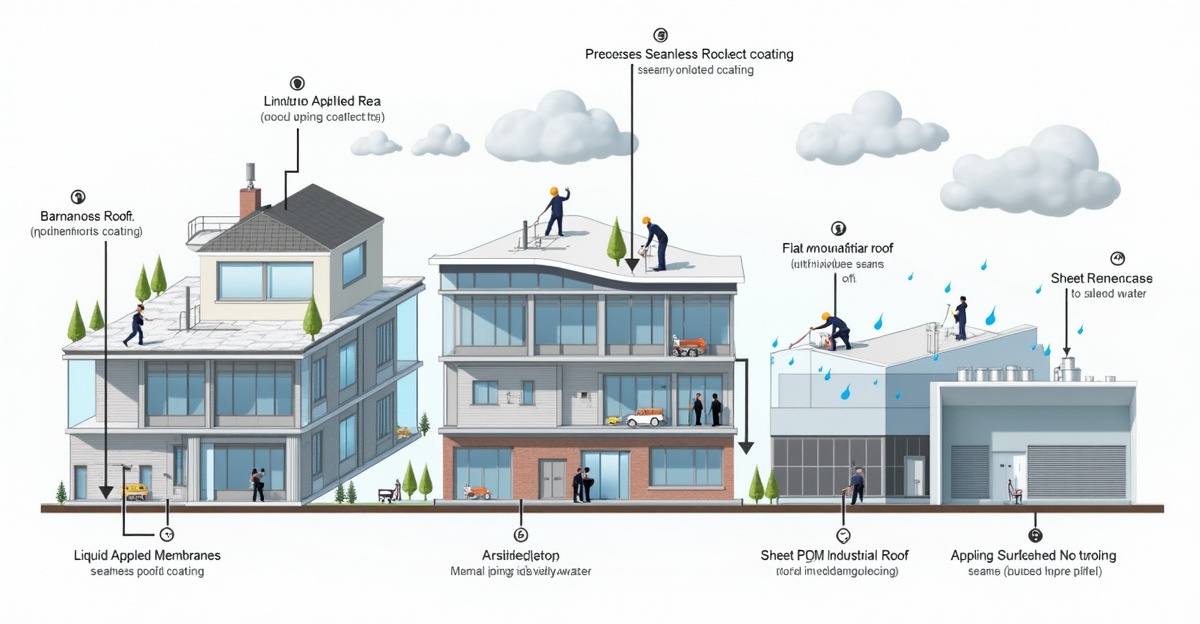
Compatible Roof Types and Common Applications
Roof coatings are most commonly applied to:
- Flat and low-slope roofs (typical in commercial and multi-family buildings)
- Metal roofs, especially older panels with surface rust or degraded seals
- Modified bitumen or BUR systems that show surface wear but no major leaks
- Shingle roofs, in some residential cases—though coatings must be carefully matched to the material and condition
Coatings are also compatible with buildings that have solar panel systems, provided proper detach and reset services are handled professionally, which is important when considering how solar panels impact roof lifespan. This compatibility makes them ideal for energy-conscious property owners looking to maximize efficiency and minimize disruption.
Key Takeaway: Roof coating is a cost-effective way to protect and extend the life of your existing roof without the mess and expense of a full replacement. With the right material and application, it adds a durable, seamless layer of defense that helps reduce energy use, seal out moisture, and keep your building or home protected for years to come.
Roof Coating vs. Roof Replacement: Which Do You Need?
If your roof is aging or showing signs of wear, you might be wondering: Should I coat it or replace it entirely? The answer depends on a few key factors—roof condition, budget, timeline, and long-term goals. Both options serve different needs, and understanding the difference can help you make a smart, cost-effective decision for your property.
When Roof Coating Makes More Sense
Roof coating is an ideal solution when your roof is still structurally sound but needs surface restoration or weatherproofing.
Here’s when a coating is the better choice:
- There are no major leaks or structural damage
- You want to extend the life of a flat or low-slope roof
- You’re dealing with surface deterioration, ponding water, or UV damage
- You want to reduce energy costs and reflect heat
- You prefer a faster, less disruptive solution with a smaller environmental footprint
In many cases, a coating can add 10–15 years to the life of your roof. It’s a strong option if you’re not ready—or don’t need—to commit to a full tear-off. Plus, it’s eligible for certain warranties and may even support insurance-approved roofing solutions, depending on your provider.
When a Full Roof Replacement Is Necessary
While coatings are effective, they aren’t a fix-all. If your roof is past its prime, replacement may be the only safe and compliant path forward.
Choose full replacement when:
- There’s widespread moisture intrusion or rot
- The insulation or decking is compromised
- Your roof has already been coated multiple times and is at the end of its service life
- You need to bring the building up to code or meet new structural requirements
In these cases, replacement ensures your property meets safety, structural, and insurance standards—and gives you a clean slate for the next few decades.
Cost and Timeline Differences
One of the biggest deciding factors between coating and replacement is cost—and the difference can be significant.
- Roof coating typically costs 40–60% less than a full roof replacement, depending on materials and labor.
- Coating projects are completed faster, often in days instead of weeks.
- Minimal disruption means less downtime for businesses and less stress for homeowners.
- No tear-off means less mess, fewer dumpsters, and less material waste.
If you’re thinking, “I want to avoid a full roof tear-off—what are my options?”—coating might be exactly what you’re looking for.
Key Takeaway: If your roof is in decent shape and you’re looking to extend its life, improve energy efficiency, and minimize cost or disruption, coating is often the smarter move. But if the structure is compromised or you’re overdue for a full system upgrade, replacement is the safer long-term investment. A professional inspection is the best way to know for sure—and we’re here to help you make that call with confidence.
Key Benefits of Roof Coatings for Property Owners
Whether you’re managing a multi-building commercial portfolio or protecting your family home, roof coatings offer a range of practical advantages. They’re more than just a surface treatment—they’re a smart investment that can improve performance, lower costs, and extend your roof’s service life. Here’s a breakdown of the most important benefits to consider.
Energy Savings and Infrared Heat Reduction
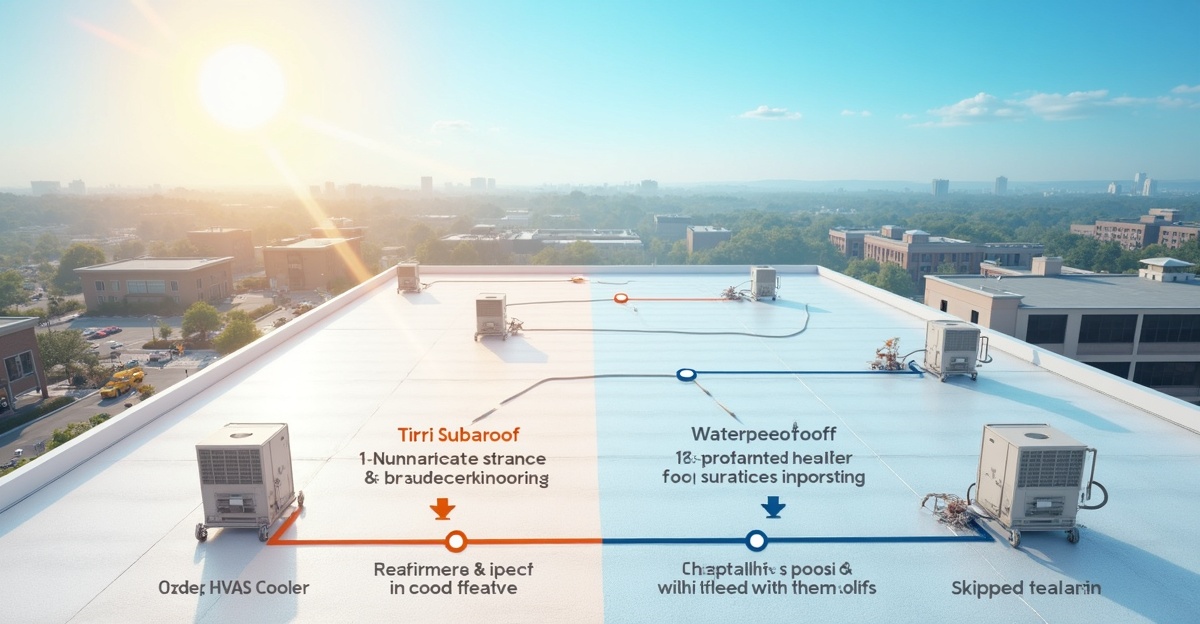
Roof coatings are often part of energy-efficient roofing systems designed to keep indoor temperatures more stable. Many coatings—especially reflective or “cool roof” products—are formulated to reflect UV and infrared rays instead of absorbing them, which is exactly how cool roofs reduce heat gain according to the U.S. Department of Energy.
This helps:
- Reduce surface temperatures by 30–50°F
- Lower interior cooling loads
- Cut energy bills, especially in hot climates
For commercial properties, this means a measurable ROI in utility savings. For homeowners, it means greater indoor comfort and relief from high summer AC costs. These reflective roofing solutions also contribute to ENERGY STAR® and LEED building certifications in some cases.
Extending the Life of Your Roof and Reducing Costs
One of the biggest roof coating benefits is its ability to significantly extend your roof’s lifespan—often by 10 to 15 years or more. By creating a seamless, UV-resistant barrier, coatings protect the original roofing material from daily wear, water intrusion, and environmental degradation.
This leads to:
- Fewer repairs and less maintenance
- Roof warranty extensions in many systems
- Lower lifecycle costs compared to recurring patch jobs or premature replacements
For both residential and commercial clients, it’s a way to delay a major capital expense without sacrificing performance or safety.
Weather and Storm Protection
Coatings aren’t just about aesthetics—they improve storm resilience and help create weatherproof roofing systems. Their flexible, seamless surface defends against:
- Wind-driven rain
- Standing water (especially with silicone or polyurethane products)
- Minor hail impact and temperature fluctuations
If you’ve experienced leaks or pooling after a storm, a coating can be part of a proactive, preventative strategy to protect your investment—particularly in hurricane-prone or high-rainfall regions.
Environmental Impact and Sustainability
Coatings are also a greener roofing option—they support sustainable building‑materials practices and help mitigate the urban heat island effect by reducing rooftop heat.
- Reduce landfill waste by avoiding full tear-offs
- Lower your carbon footprint through improved thermal resistance and energy efficiency
- Use low-VOC or environmentally-friendly formulas depending on the product
For commercial buildings, coatings can contribute to sustainability goals. For homeowners, they’re a responsible choice that protects both your roof and the environment.
Key Takeaway: Roof coatings offer real, measurable benefits—lower energy costs, fewer disruptions, longer roof life, and better protection against the elements. Whether you’re managing operating budgets or safeguarding your home, coatings give you more control and more value without the expense of full replacement.
Use Cases: Commercial vs. Residential Roof Coatings
Roof coatings aren’t a one-size-fits-all solution—but they do offer significant value to both business owners and homeowners when applied in the right context. The key is understanding what each audience cares about most, and how coatings align with those priorities. Here’s how roof coatings deliver benefits tailored to each group.
How Businesses Benefit from Roof Coatings
For commercial property managers, developers, and facility teams, roof coatings are often a strategic asset management tool. These decision-makers aren’t just trying to fix a leak—they’re focused on long-term ROI, regulatory compliance, and minimizing disruptions across multiple locations.
Here’s why coatings make business sense:
- Extend the useful life of existing assets without budget-busting replacements
- Improve energy efficiency across multiple buildings with energy-efficient, reflective systems
- Reduce downtime and occupant disruption during application—ideal for retail, healthcare, or multi-family settings
- Enhance storm resilience and protect against water damage, supporting continuity and lower insurance risk
- May qualify as insurance-approved roofing solutions or help streamline insurance claim roofing upgrades after storm damage
In many cases, roof coatings deliver a measurable return on investment—both in avoided replacement costs and improved operational efficiency. That’s why more facility managers are integrating coatings into their preventative maintenance plans.
What Homeowners Gain from a Coating Solution
For homeowners, roof coatings offer a cost-effective way to address roof wear without diving into a full replacement. Especially for flat roofs, older shingle systems, or homes with solar panels, coatings can solve multiple problems at once.
Here’s what makes them appealing:
- Delay expensive replacements while still protecting the home
- Reduce energy bills with cool roof technology that keeps interiors more comfortable
- Seal small leaks or cracks before they become major problems
- Improve curb appeal with a refreshed, uniform look
- Provide peace of mind after storms—especially when paired with insurance claim support
If you’re wondering, “Is roof coating worth it for older homes?”—the answer is often yes, provided the structure is sound. It’s a smart choice for homeowners who want to protect their investment without the cost, stress, or disruption of a full tear-off.
Key Takeaway: Whether you’re managing a portfolio of commercial buildings or caring for your personal home, roof coatings offer practical, proven benefits. Businesses see ROI through asset protection and operational savings, while homeowners gain comfort, cost control, and added protection—all without a major construction project.
Lifespan, Maintenance, and Warranty Considerations
Before committing to a roof coating, it’s important to understand how long it will last, what kind of upkeep it requires, and what protections you’ll have under warranty. While coatings are a smart way to extend your roof’s life, they still need proper care and realistic expectations to perform their best over time.
How Long Does a Roof Coating Last?
On average, a professionally applied roof coating can last 10 to 15 years, depending on the material used, climate conditions, and the condition of the existing roof. High-performance systems—like silicone or polyurethane—may last even longer when properly maintained.
After that period, many coatings can be reapplied—highlighting the long-term benefits of recoating roof systems instead of pursuing full replacements. This approach supports roof lifecycle management, giving property owners more control over long-term costs and planning.
What Kind of Maintenance Is Required?
Among the top reasons to recoat a roof are maintaining performance, avoiding leaks, and extending the lifespan of the original material. To get the most out of your investment, we recommend:
- Annual inspections to check for cracks, ponding water, or UV degradation
- Debris removal (leaves, branches, dirt) to avoid drainage issues
- Spot repairs for any damaged areas or penetrations
- Re-coating as needed based on wear, typically every decade or so
Wondering what’s the maintenance like after a coating is applied?—Think of it like servicing a car. A little attention now and then can prevent costly problems down the road.
What Warranties Are Available for Coatings?
Many roof coating systems come with warranties ranging from 5 to 20 years, depending on the product, roof type, and installer certification. These warranties may cover:
- Material defects
- Waterproofing performance
- UV resistance or reflectivity
- Roof warranty extensions when coatings are applied to eligible systems
Some manufacturers also offer enhanced coverage if the system is installed by a certified contractor. It’s always worth reviewing warranty terms closely to understand what’s included—and what might void coverage.
Key Takeaway: A quality roof coating system, backed by a solid warranty and simple maintenance plan, can protect your property for years to come. By extending the life of your current roof and reducing ongoing repair costs, coatings offer real long-term value—as long as they’re properly cared for.
Special Considerations: Solar Panels, Insurance, and Compliance
Roof coatings can be a smart upgrade—but they’re not a decision you make in a vacuum. Property owners often have additional questions about how coatings interact with solar systems, insurance policies, and building codes. Let’s clear those up so you can move forward with confidence.
Will I Need to Remove Solar Panels for Coating?
If your roof has solar panels, they may need to be temporarily removed before the coating is applied. This allows for full surface access and ensures a proper seal around mounting hardware.
The good news? Solar panel detach and reset services are commonly included as part of the project—especially with experienced contractors like RayPro Roofing. Once the coating is applied and cured, the panels are safely reinstalled and reconnected.
Modern coatings are fully solar panel compatible, meaning they won’t interfere with system performance or void manufacturer warranties when installed correctly. In fact, combining a cool roof coating with solar panels can maximize your energy savings by reducing rooftop temperatures and improving panel efficiency.
Can Roof Coatings Lower Insurance Premiums or Qualify for Claims?
Depending on your insurance provider, a roof coating may help you qualify for premium reductions, especially if the coating adds storm resistance, waterproofing, or extends the useful life of the roof. Some insurers even recognize coatings as insurance-approved roofing solutions—particularly after hail or hurricane damage.
Additionally, if your roof was damaged by a covered event, a coating might be eligible as part of an insurance claim roofing upgrade, especially if full replacement isn’t necessary. It’s always wise to check with your agent first, but coatings are often a cost-effective way to restore compliance without exceeding your coverage limits.
Are Roof Coatings Compliant with Building Regulations?
Most commercial and residential roof coatings are fully compliant with local and national building codes—as long as:
- The existing roof structure meets current standards
- The coating product is rated and tested (e.g., UL, FM, ASTM)
- The installation is performed by a licensed, qualified contractor
Coatings may also contribute toward energy code compliance or green building certifications like ENERGY STAR®, LEED, or Title 24 in states like California.
Before starting any project, RayPro ensures that all coating work is code-compliant and permitted when necessary. That means no guesswork, no code violations—just a solution that works.
Key Takeaway: Roof coatings can integrate seamlessly with solar systems, meet insurance and compliance requirements, and offer additional financial or energy-related benefits. With the right contractor, these advanced considerations are handled for you—so you can focus on protecting your property without added complications.
Conclusion: Is Roof Coating Right for You?
Roof coating advantages include a practical, cost-effective solution for extending the life of your existing roof—without the expense, mess, or downtime of a full replacement. They can help you cut energy bills, protect against weather damage, and add years of performance to both commercial and residential roofing systems.
A coating makes the most sense if:
- Your roof is still structurally sound but showing signs of surface wear
- You want to reduce energy consumption and improve thermal resistance
- You’re looking for a lower-cost, lower-disruption alternative to replacement
- You need added protection against leaks, UV exposure, or standing water
Whether you’re managing multiple commercial properties or simply trying to protect your home, roof coatings can deliver real, long-term value—especially when installed by a qualified, experienced contractor.
Still not sure if coating or replacement is right for your roof?
Let’s inspect it and walk you through your options—no pressure, just honest answers.
Frequently Asked Questions
Roof coatings typically cost 40–60% less than a full roof replacement. While exact pricing depends on roof size, condition, and materials, coatings are generally a more budget-friendly option—especially for flat or low-slope roofs. They also require less labor and no tear-off, which keeps costs and project timelines down.
Yes. Many roof coatings are designed to reflect sunlight and reduce rooftop heat buildup. This leads to lower interior cooling demands and improved thermal resistance, which can translate into noticeable savings on energy bills—especially in warmer climates or during peak summer months.
In most cases, yes. Solar panels typically need to be temporarily detached and reset to ensure the coating can be applied uniformly and effectively. RayPro offers solar panel detach and reset services as part of the process to keep everything compliant and functioning properly.
A professionally installed roof coating can last 10 to 15 years or more with proper maintenance. Some high-performance systems may be eligible for roof warranty extensions and can be recoated in the future, further extending your roof’s service life without full replacement.
It depends on your policy and provider. In some cases, coatings can be part of insurance claim roofing upgrades—especially after storm damage. They may also help lower your premiums by enhancing water resistance and weather protection. Always check with your insurance agent to see what’s covered.