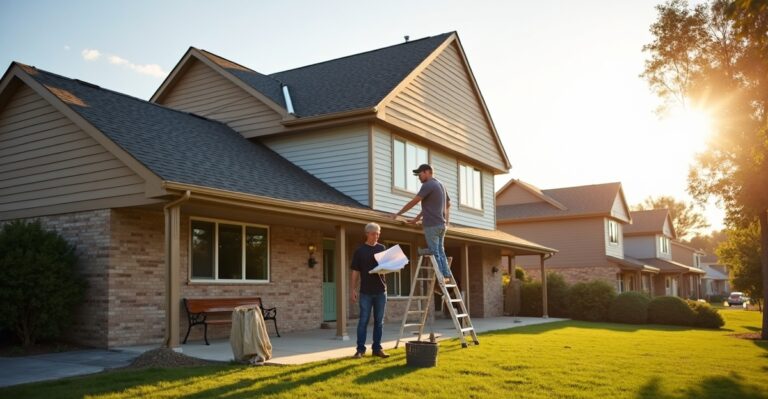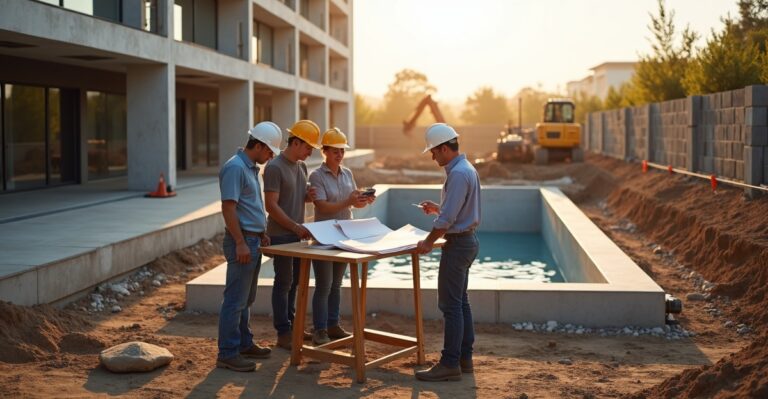
Outdoor Living Space Design Ideas
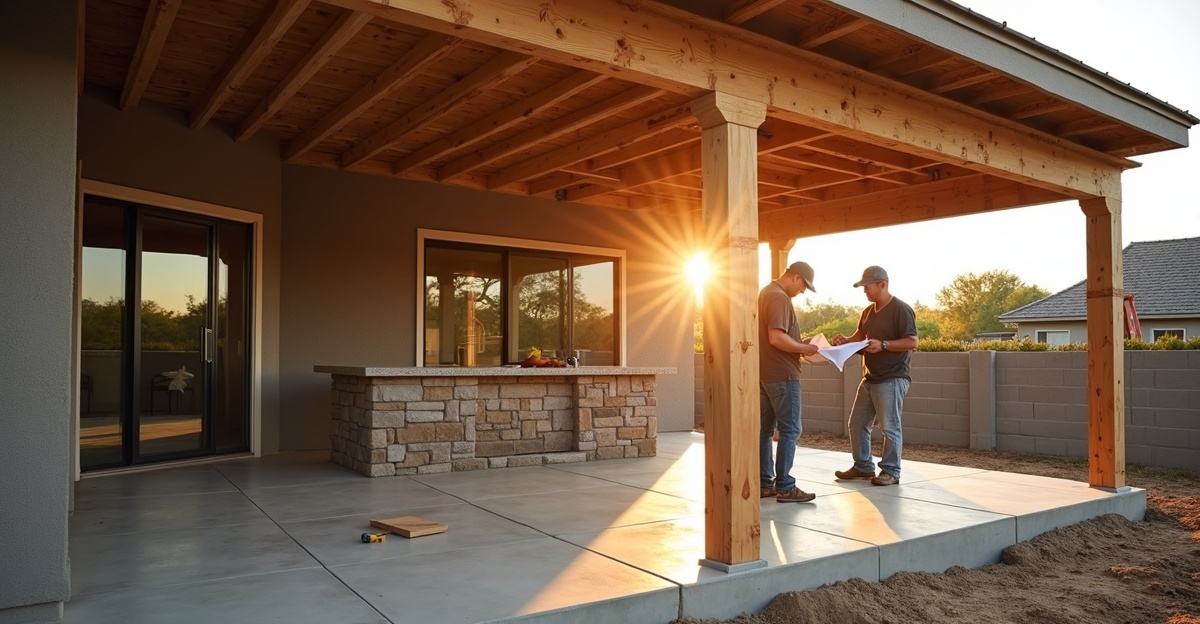
Outdoor living space ideas add real value when we focus on structure, utilities, drainage, and long-term performance—not just furniture and décor. Smart outdoor living space design ideas integrate proper roof tie-ins, code-compliant electrical and gas lines, engineered footings, and durable materials that increase ROI, usability, and property value for residential and commercial properties alike.
Key Takeaways
- A true outdoor living space includes planned zones, overhead protection, integrated utilities, and permanent structural components built to code.
- High-ROI features like covered patios, outdoor kitchens, fire elements, and rooftop decks require proper drainage, load calculations, and utility planning from day one.
- Roof integration, flashing, slope (about 1/4 inch per foot), and engineered footings protect the home or building from long-term water and structural damage.
- Residential projects prioritize comfort, privacy, and safety, while commercial spaces focus on durability, ADA compliance, tenant retention, and lifecycle cost.
- Long-term value depends on quality materials, permits, inspections, and routine maintenance—not the lowest upfront price.
What Actually Defines a True Outdoor Living Space (And Why It Matters for ROI)
A few chairs on a slab don’t make a real outdoor living space. A true backyard outdoor living space is built with structure, utilities, and long-term performance in mind.
We define it by four key elements:
- Clearly planned zones
- Overhead protection
- Integrated utilities
- Permanent structural components
That means framed roofing tied into the home, proper drainage systems, electrical and gas lines installed to code, and footings that meet local structural requirements. Furniture and décor come last.
A well-built space connects to the home structurally and visually. Roof tie-ins include proper flashing and water management. Posts sit on engineered footings. Surfaces are sloped to move water away from the foundation. Electrical outlets are GFCI-protected. Gas lines are pressure-tested and permitted. That’s the difference between a temporary setup and a true investment.
This distinction matters for the ROI of outdoor renovations. Remodeling cost vs. value reports consistently show midrange deck additions can recoup approximately 60–70% of project cost at resale, depending on region and materials. That return depends on permanence, quality, and code compliance. Buyers pay for usable square footage, even outdoors.
Outdoor spaces also rank high among home renovation ideas that add value because they improve daily living while strengthening resale appeal.
On the commercial side, commercial outdoor common areas drive tenant satisfaction and retention. Multi-family outdoor amenities are now a competitive necessity rather than a luxury. Residents expect grilling stations, covered lounges, and rooftop decks. Owners benefit from higher perceived property value and longer lease terms.
Durability plays a huge role. We recommend low-maintenance outdoor materials that resist UV damage, moisture, and heavy use. Composite decking, powder-coated aluminum, and commercial roofing systems outperform lower-cost materials over time. Build it right once, and it holds value for years.
High-ROI Outdoor Living Space Ideas That Add Function and Value
The best outdoor living space ideas combine comfort with structural reliability. Every feature should look good and perform under local weather conditions.
Build Considerations That Make or Break the Design
Covered patio ideas attached to the home require proper roof tie-ins. We match roof pitch, install step and counter flashing, and calculate loads based on wind ratings and snow requirements in the area. Patio roofing options range from fully framed extensions to insulated panel systems. Without correct integration, water finds its way in.
Pergola and shade structure ideas vary between freestanding and connected builds. Freestanding pergolas need engineered footings below the frost line. If we add a solid roof, waterproofing layers and drainage paths must be planned from day one.
Outdoor kitchen ideas require technical planning:
- Ventilation must clear smoke safely.
- Non-combustible clearances protect framing.
- Gas and electric lines should be mapped before concrete is poured.
- GFCI protection is required for many outdoor receptacles under electrical safety code guidance.
- Patios must slope approximately 1/4 inch per foot away from the home to avoid drainage problems, consistent with common exterior drainage slope guidance (¼ inch per foot).
Fire features demand space and compliance. Clearance from structures matters. Spark arrestors may be required depending on fuel type and local fire regulations. Confirming code requirements beforehand prevents fines or forced removal.
Screened-in or enclosed porches add seasonal flexibility. Airflow prevents moisture buildup. Insulation options allow three-season or four-season use. Roof and wall assemblies must manage condensation properly.
Rooftop deck design and elevated decks require structural reinforcement. Existing framing often needs upgrades to handle live loads. Waterproof membranes and drainage mat systems prevent damage below. Guardrails commonly require minimum heights between 36–42 inches per code.
Poolside cabanas and shade structures benefit from UV-resistant materials and slip-resistant surfaces. Strategic drainage solutions for patios around pools reduce standing water and surface deterioration. For homeowners exploring water features, combining these ideas with professional pool construction services allows coordinated structural, plumbing, and finish work under one comprehensive plan.
Every feature in an outdoor entertainment area design should serve function first. Style comes after structure is secure.
Planning Foundations: Layout, Roof Integration, Utilities, and Drainage
Success starts with orientation. Sun exposure influences comfort. Seating areas should limit late-afternoon heat, and shade structures should be placed strategically. Wind direction affects smoke movement from grills and fire features.
Roof integration requires precision. Matching pitch and framing depth is critical. Flashing must layer correctly to shed water. Ventilation gaps prevent trapped moisture where new construction meets existing roofing.
Drainage planning protects the home long term. Drainage solutions for patios often include slopes of approximately 1/4 inch per foot away from the structure. Channel drains may be added for larger surfaces. Water should never pool near foundations or door thresholds.
Structural support depends on soil condition and frost depth. Footings must extend below the frost line where required. Elevated or rooftop deck installations require load-bearing calculations and possible reinforcement of joists or beams.
Utility planning happens before construction begins. Evaluating electrical panel capacity, gas supply lines, sewer access, and water pressure early prevents costly mid-project changes.
Permitting for outdoor structures typically applies when adding attached roofs, structural work, or electrical and plumbing systems. Inspections protect homeowners and property managers from liability issues. Skipping permits can create major resale and insurance problems.
Working with a licensed and insured contractor reduces risk. Inspections pass more easily, and structural integrity is confirmed from the start. That discipline keeps the outdoor living space budget from spiraling due to corrections later.
Residential vs. Commercial Outdoor Spaces: Priorities and Compliance
Residential outdoor projects focus on comfort, safety, and privacy. Families prioritize shade, easy maintenance, and energy efficiency. Impact-rated doors and windows strengthen the home envelope where outdoor areas connect. For upgrades tied into the home structure, coordination through home remodeling services ensures a seamless build process.
Commercial outdoor common areas require a different approach. ROI, durability, and safety drive decisions. High-traffic environments demand low-maintenance materials such as composite decking, concrete pavers, and powder-coated steel systems.
ADA accessibility is critical for commercial applications. Accessible routes must comply with slope guidelines, commonly a 1:12 maximum slope ratio where applicable. Railings, guard heights, and clearances must meet code. Slip resistance reduces liability exposure.
Multi-family outdoor amenities often include grilling stations, rooftop decks, shaded lounges, and pet areas. Materials must resist wear, vandalism, and constant use. Construction scheduling must minimize disruption for residents, schools, retail centers, or healthcare facilities.
For property owners, the priority shifts from curb appeal to long-term operating cost. Quality materials and proper engineering reduce maintenance callbacks and protect asset value.
Outdoor Living Space Budget Tiers and Long-Term Value
Costs vary by size, materials, and site conditions, but general tiers help set expectations:
- Basic builds: Simple covered patios or decks typically range from approximately $15,000–$30,000.
- Mid-range builds: Roofing integration and partial outdoor kitchens generally fall between $30,000–$75,000.
- Premium builds: Full outdoor kitchens, fire features, composite decking, and structural roofing often start at $75,000+.
Several factors shape the final budget:
- Structural reinforcement requirements
- Utility extensions
- Custom finishes and stonework
- Integrated lighting systems
Covered structures, functional kitchens, and durable decking consistently improve ROI. Permanent roofing and lighting increase year-round usability.
Material choice affects lifecycle cost. Wood decking requires regular sealing or staining. Composite materials cost more upfront but significantly reduce maintenance. For clients prioritizing sustainability, reviewing eco-friendly construction materials helps balance durability with environmental responsibility.
Commercial budgeting should emphasize lifecycle value over lowest bid. Lower maintenance and longer replacement cycles reduce total ownership cost.
Maintenance, Inspections, and What to Expect During a Professional Build
Even the best outdoor living space ideas require ongoing care. Wood elements need periodic sealing. Flashing and roof tie-ins should be inspected annually. Drainage systems must remain clear to prevent pooling and foundation damage. Fasteners and guardrails require routine evaluation.
Rooftop deck systems and elevated assemblies require scheduled waterproofing inspections. Membranes and seams should be checked before leaks develop.
Commercial properties benefit from documented inspection schedules. Maintenance records protect asset value and reduce liability exposure.
A professional build follows a structured process:
- Initial consultation and feasibility review
- Site inspection to assess structure, drainage, and utilities
- Concept planning and budget development
- Permitting and approvals
- Construction and phased inspections
Evaluating feasibility early prevents expensive design changes. Proper layout, effective drainage solutions, and solid structural planning create long-term success.
Outdoor living spaces should feel effortless once complete. That ease is the result of disciplined planning and experienced construction. When built correctly, they extend usable living space, strengthen property value, and perform reliably through years of weather and use.
Frequently Asked Questions
The best outdoor living space ideas for boosting home value include covered patios, outdoor kitchens, fire features, and composite decking. These additions create functional square footage and improve year-round usability. Buyers look for permanent, code-compliant structures with integrated utilities and proper drainage, which makes professionally built spaces more appealing at resale.
Outdoor living space costs typically range from $15,000 for basic covered patios to $75,000 or more for fully equipped kitchens and structural roofing. Pricing depends on size, materials, utility connections, and site conditions. Projects that require structural reinforcement, gas lines, or electrical upgrades increase costs but also improve long-term durability and ROI.
Yes, permits are usually required for outdoor living space projects that include roofing, structural framing, electrical, plumbing, or gas installations. Local building departments review plans to ensure code compliance and safety. Skipping permits can lead to fines, insurance issues, and complications during resale, especially for attached or load-bearing structures.
Patios should slope approximately 1/4 inch per foot away from the home to prevent water pooling and foundation damage. Proper drainage protects structural components and reduces long-term maintenance issues. Larger surfaces may also require channel drains or waterproof membranes, particularly for elevated or rooftop deck installations.
Composite decking, powder-coated aluminum, concrete pavers, and weather-resistant roofing systems are ideal for low-maintenance outdoor living spaces. These materials resist moisture, UV exposure, and heavy foot traffic better than untreated wood. While upfront costs may be higher, reduced sealing, staining, and repair needs lower overall lifecycle expenses.