What Is Roof Flashing and Why It Matters
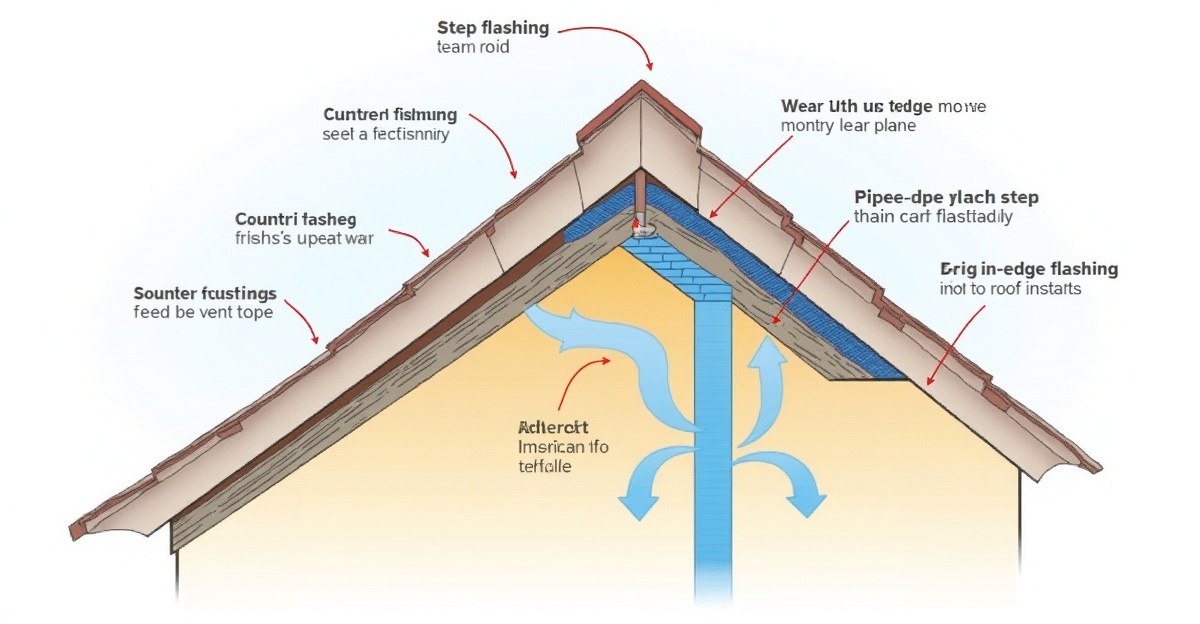
Roof flashing plays a critical role in keeping your structure safe from water damage. It seals joints where shingles meet chimneys, skylights, walls, and other points where water tends to creep in. If flashing gets left out or isn’t done right, water finds its way inside fast. That can lead to a hefty repair bill.
Key Takeaways
- Roof flashing shields weak joints on a roof from moisture, stopping leaks and protecting the structure underneath.
- Trouble spots include chimneys, valleys, skylights, and vent pipes—each needs its own correct application of flashing to work properly.
- When flashing fails or goes missing, moisture damages insulation, causes mold, leads to wood rot, and leaves stained or leaky ceilings.
- Various flashing types serve specific areas: step, counter, base, valley, pipe boot, and drip edge all cover different roof sections.
- Proper repair means removing damaged components and installing new ones—not just applying sealant over trouble spots. This ensures lasting defense against water.
Why Roof Flashing Matters: The First Line of Defense Against Leaks
Roof flashing does more than just finish the look of a roof—it plays a critical role in keeping your building dry and protected. It guards joints, edges, and roof penetrations like chimneys, skylights, and vents from water intrusion. When flashing fails, water finds its way in fast, leading to damage few homeowners or business owners see coming.
We’ve seen bad flashing cause framing rot, mold behind walls, and ruined insulation in both homes and businesses. In commercial buildings, it can mean puddles near HVAC units, compliance issues, or even temporary shutdowns. According to the NRCA, improper or failed flashing is one of the top causes of roof leaks nationwide.
Think of flashing as the weather-sealing trim where leaks tend to start. If it’s done right, it keeps the whole system stronger and makes your investment last longer.
What Does Roof Flashing Actually Do?
Flashing acts like a smart water barrier. It redirects water away from areas where two surfaces meet, like where your roof touches a vertical wall or a vent pipe. Without flashing, water sneaks in fast—just like it would around an unsealed window or bathtub.
Flashing helps prevent rot, mold, and early shingle damage. It also supports energy efficiency by sealing tight against wind-driven moisture. Whether you’re dealing with commercial or residential roofing, flashing is essential. On homes, it protects valleys, dormers, and vents. On facilities, it safeguards skylights, equipment bases, and parapet walls from leaks.
Where You’ll Find Flashing on a Roof (And Where Trouble Starts)
Flashing is found at every moisture-risk point on a roof. These zones are also the first places we check for potential problems. Residential or commercial, leaks usually start here:
Common Flashing Locations
- Chimneys (base and counter flashing)
- Roof valleys
- Skylights
- Roof-to-wall transitions (step flashing)
- Plumbing vents (pipe boots)
- Dormers
- Commercial HVAC curbs and drains
- Parapet walls and rooftop penetrations
Each area needs a clean, custom fit. Poor installation or wear can lead to fast water intrusion. For full system health, learn about these common roofing mistakes that start with bad flashing.
Different Types of Roof Flashing (And Why They Matter)
Each part of your roof needs the right flashing type. Using the wrong one—or skipping it altogether—almost guarantees problems.
- Step Flashing: Used along walls where the roof meets vertical structures.
- Counter Flashing: Installed over base flashing to cover the upper edge.
- Base Flashing: Typically around chimneys or walls, paired with counter flashing.
- Valley Flashing: Protects the troughs where two roof planes meet.
- Pipe Boot Flashing: Seals around circular roof penetrations, like plumbing vents.
- Drip Edge: Runs along the edges to guide water off the roof and into gutters.
These flashing types work together to shield high-risk areas. Get more detail on materials and arrangements in our guide on what roof flashing is and why it matters.
How to Tell if Roof Flashing Is Bad
Roof flashing failure often hides damage until it’s expensive. Don’t wait for a ceiling stain to act—look for these signs early:
What to Watch For
- Stains on ceilings or interior walls
- Rusted, bent, or missing metal flashing
- Shingles lifting near chimneys or dormers
- Pooling water around rooftop units
- Cracked or dried sealant along flashing edges
- Separated seams or exposed underlayment
These red flags point to roof flashing leaks. We recommend seasonal checkups and especially after heavy storms. For a full review, go through our roof inspection checklist.
When Flashing Needs Repair or Replacement (And What to Expect)
You don’t always need a full roof replacement when flashing fails. Experienced pros can often address issues during partial roof repairs or targeted restoration.
We never recommend covering worn flashing with sealants or caulk. That quick fix won’t last. Instead, proper removal and installation ensure full water redirection and protect your building for the long haul.
At RayPro, we do it right the first time—clean installs, experienced crews, and solutions that last. We handle both residential roofing and commercial roof systems with care and precision. Need a second opinion or proactive inspection? Contact our team for a flashing evaluation today.