

Bathroom Remodeling Ideas for Modern Homes
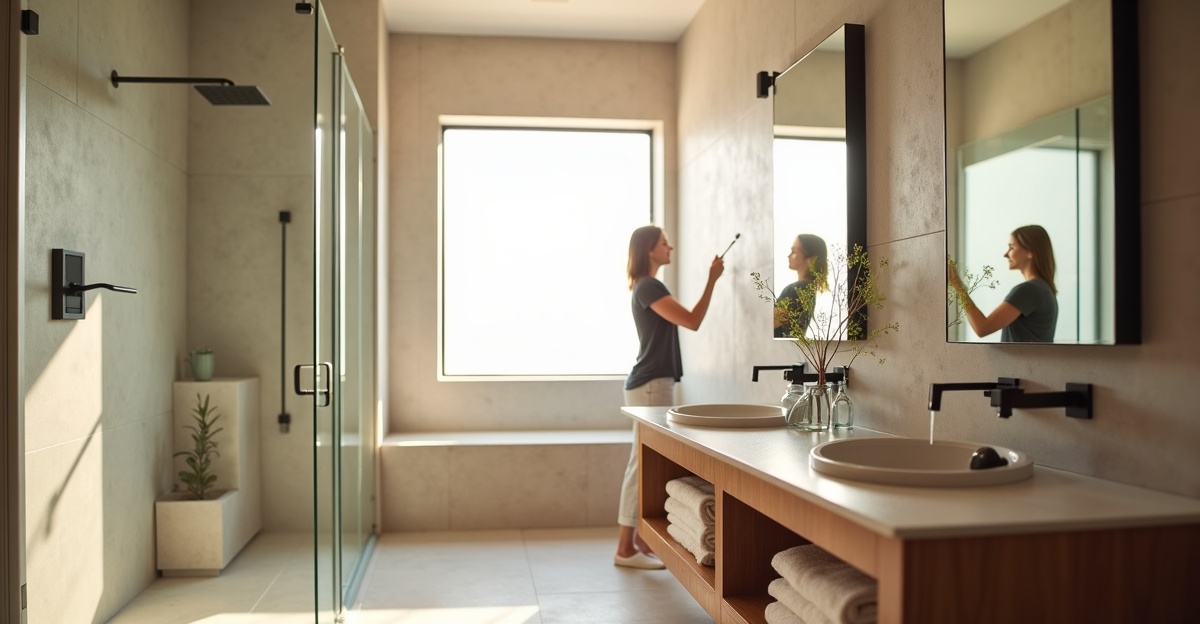
A modern bathroom remodel for today’s homes centers on clean lines, durable materials, and smart layouts that improve daily function while protecting long-term value. We combine frameless glass showers, large-format tile, layered lighting, and proper waterproofing to create a space that feels current now and performs well for years.
Key Takeaways
- We prioritize simplicity, functionality, and durable materials to protect ROI and reduce long-term maintenance.
- We focus on layout upgrades like walk-in showers, double vanities, and smart storage because they deliver the biggest impact on daily use.
- We use large-format tile, neutral color palettes, and frameless glass enclosures to achieve a clean look that ages well.
- We install proper ventilation, quality plumbing components, and reliable waterproofing systems to prevent expensive future repairs.
- We plan budgets carefully, follow building codes, and set realistic timelines to avoid common renovation mistakes.
What Defines a Modern Bathroom Remodel (Timeless Design That Adds Real Value)
A modern bathroom remodel focuses on clean lines, smart layouts, and materials that hold up over time. It’s not about chasing trends. It’s about building a space that looks current today and still feels right ten years from now.
True modern bathroom design relies on a few core principles: simplicity, functionality, and durability. We use neutral color palettes, layered lighting, and practical storage solutions. We avoid overly decorative features that quickly feel dated. That approach protects your bathroom remodel ROI and keeps your investment working for you if you decide to sell.
Minimalist cabinetry is a strong starting point. Floating vanities create an open, airy look and make floor cleaning easier. However, they require proper wall blocking and may offer slightly less storage depth. Furniture-style vanities provide a grounded appearance and often allow for deeper drawers, which can help in family bathrooms where storage is tight.
Frameless glass enclosures are another hallmark of a modern bathroom remodel. They make a walk-in shower remodel feel larger and brighter. With fewer metal frames, there are fewer places for grime to build up. That translates to easier maintenance long term.
For walls and floors, many homeowners choose large-format tile or seamless wall panels. Larger tiles mean fewer grout lines, which reduces cleaning and creates a sleek finish. We also explain the trade-offs. Large-format tile requires a flat substrate and experienced installation. Wall panels install faster in some cases, but material quality varies. Low-grade panels won’t hold up the way premium systems will.
Neutral colors matter more than people think. White, warm gray, beige, and matte black accents photograph well and age gracefully. If you want color, we often recommend adding it through accessories or paint. Choosing the right finish matters, which is why we encourage homeowners to review guidance like how to choose the right paint for your home before finalizing selections.
Durability drives real value. Tile rated for wet areas. Solid plywood cabinetry instead of particle board. High-quality plumbing valves behind the wall, not bargain fixtures that fail in three years. A modern bathroom remodel balances aesthetics, daily performance, and lifecycle cost. That’s how you protect both comfort and resale value.
High-Impact Modern Bathroom Remodel Ideas That Improve Daily Use
The best modern bathroom remodel ideas improve how the space functions every single day. Good design makes mornings easier and cleanup faster.
Layout changes deliver the biggest impact. Converting an unused tub to a walk-in shower remodel often frees up square footage and improves accessibility. Walk-in showers feel open and fit modern design preferences. We always evaluate plumbing locations first. Moving drains and supply lines adds cost and time, so smart reconfiguration without major relocation keeps budgets under control.
Double vanities are another upgrade that instantly improves shared bathrooms. Two sinks reduce friction during busy mornings. We confirm wall space, venting, and drainage capacity before committing to that layout.
Bathroom lighting should never be an afterthought. A layered plan works best:
- Ambient lighting for overall illumination.
- Task lighting at mirrors for grooming.
- Accent lighting, such as under-vanity LEDs, for depth and nighttime visibility.
We often install LED mirrors for clean lines and even light distribution. Under-vanity lighting creates a floating effect and improves safety in the dark. Proper ventilation is equally important. Code-compliant exhaust fans protect against moisture damage and mold. In many cases, upgrades to HVAC services or dedicated ventilation systems make a noticeable difference in long-term performance.
Smart features increase efficiency. WaterSense low-flow fixtures reduce water use without compromising pressure. Heated flooring systems add comfort, especially in colder climates. They raise project costs, but many homeowners say stepping onto warm tile in winter justifies the investment.
Storage makes or breaks usability. Recessed shower niches keep bottles off the floor. Built-in shelving adds vertical storage. Drawer organizers prevent clutter from taking over. Floating vanities look sharp, but they require proper wall support and may limit how much weight the wall can carry. Curbless showers look seamless and improve accessibility, yet they demand precise floor slopes and waterproofing. Standard shower pans can simplify installation and reduce risk when structure limits flexibility.
Thoughtful upgrades like these turn a remodel into a daily improvement, not just a visual update.
Small Space, Big Impact: Small Modern Bathroom Remodel Strategies
A small modern bathroom remodel requires sharp planning. Limited square footage magnifies every design decision.
Opening floor space is the first priority. Wall-mounted toilets and floating vanities expose more of the floor, which makes the room feel larger. Large mirrors reflect light and visually double the space. Light color palettes and continuous tile from floor to wall reduce visual breaks.
Large-format tile is often preferred in compact spaces. Fewer grout lines create a cleaner look and simplify maintenance. Vertical tile patterns draw the eye upward and make ceilings feel taller.
Pocket or sliding doors free up usable square footage that a swinging door would otherwise consume. This simple change can reclaim several critical feet.
We always plan around structural walls and plumbing stacks. Moving a drain line in a small space may not be practical. Smart positioning of fixtures around existing rough-ins keeps costs controlled. Even in small bathrooms, waterproofing must meet the same standards as larger ones. Proper membranes, sealed corners, and well-installed shower pans prevent long-term damage. Ventilation remains essential to protect finishes and structural framing.
Small bathrooms don’t mean limited potential. With careful planning, they can deliver a strong visual impact and efficient performance.
Materials That Last: Tile, Vanities, Fixtures, and Waterproofing Systems
Material selection determines long-term performance. What you choose today affects how your bathroom looks and functions five, ten, and fifteen years from now.
Porcelain tile is dense and highly resistant to moisture, making it ideal for floors and showers. Ceramic tile can work well in lighter-use areas but may be less durable. Natural stone offers character and depth, yet it requires regular sealing and maintenance.
For countertops, quartz provides a non-porous, low-maintenance surface. Granite offers natural variation, though it requires periodic sealing. In high-moisture rooms, cabinetry should use plywood box construction. MDF can swell over time if exposed to humidity.
Fixture finishes matter too. Brass and stainless finishes generally wear well. Matte black looks striking but can show water spots more easily in certain lighting. We walk homeowners through these trade-offs before finalizing selections.
Waterproofing is where many projects fail. Sheet membranes create consistent thickness and controlled seams. Liquid-applied membranes require proper thickness and cure time. Both can perform well if installed correctly. A well-built shower pan and proper slope to the drain prevent leaks that lead to major repairs.
Code compliance becomes even more critical in commercial bathroom renovation and multi-family bathroom upgrades. ADA compliance may require specific clearances, grab bar blocking, and fixture height adjustments. Durable materials are essential in higher-traffic settings. As an experienced bathroom remodel contractor, we prioritize long-term performance over short-term savings.
Bathroom Renovation Cost, Timeline, and What to Expect
Bathroom renovation cost depends on scope, layout changes, and material selection.
Here’s a practical breakdown:
- Cosmetic update (fixtures, paint, hardware): approximately $8,000–$15,000 depending on materials and size.
- Mid-range remodel (new vanity, tile, shower replacement): approximately $15,000–$30,000.
- Full gut renovation with layout changes and premium finishes: $30,000–$60,000+.
- Commercial projects vary widely based on unit count, code upgrades, and durability specifications.
Plumbing relocation increases cost because it requires opening floors and walls. Electrical upgrades may be necessary for new lighting layouts or heated floors. Structural changes, like removing walls, add engineering considerations. Higher-end materials also raise budgets quickly. Local permitting and inspections affect both cost and timing.
A typical bathroom remodel timeline looks like this:
- Planning and design: 2–6 weeks.
- Permitting (if required): Varies by municipality.
- Construction phase: 3–8+ weeks depending on scope.
We manage dust control, protect surrounding areas, and coordinate trades carefully to minimize disruption. For commercial settings, phased scheduling and after-hours work reduce downtime and protect business operations. Clear timelines and expectations prevent surprises.
Planning It Right: ROI, Compliance, and Avoiding Costly Mistakes
Strong results start with a clear plan. We recommend defining goals first. Do you want improved comfort, stronger bathroom remodel ROI, tenant durability, or ADA compliance? Each goal shapes design decisions.
Next, establish a realistic budget range. Reviewing resources like how to plan a home remodeling project helps clarify early priorities. Feasibility comes before final design. We confirm structural limits, plumbing locations, and code requirements before locking in materials.
Engaging a qualified bathroom remodel contractor early reduces risk. Bathrooms remain one of the most influential rooms for resale decisions. Many top home renovation ideas that add value include updated bathrooms for good reason. Modern, neutral upgrades usually appeal to more buyers than highly personalized designs.
Common pitfalls slow projects and increase costs. We see them often, including those covered in common renovation mistakes.
- Overly trendy finishes that age quickly.
- Poor ventilation that leads to moisture damage.
- Improper waterproofing that results in hidden leaks.
- Ignoring storage needs that creates long-term clutter.
Careful planning protects both comfort and investment. If you’re weighing modern bathroom remodel ideas, we’re ready to review your layout, budget, and goals. Our team at RayPro Roofing and General Contracting provides transparent guidance, clear scopes, and practical recommendations. When you’re ready to talk specifics, you can contact our team for a straightforward consultation.
Frequently Asked Questions
A modern bathroom remodel typically includes upgrades that improve both style and functionality. Common elements include frameless glass showers, large-format tile, floating or minimalist vanities, updated lighting, and efficient plumbing fixtures. The remodel may also involve layout improvements, better storage solutions, and proper waterproofing systems. These upgrades help create a clean, contemporary look while ensuring the bathroom remains durable and easy to maintain.
The cost of a modern bathroom remodel depends on the size of the bathroom, materials used, and whether the layout changes. A basic cosmetic update may cost between $8,000 and $15,000, while a mid-range remodel with new tile, vanity, and shower can range from $15,000 to $30,000. Full renovations with layout changes and premium finishes often exceed $30,000. Labor, plumbing relocation, and electrical upgrades also affect the final price.
Most modern bathroom remodels take between three and eight weeks once construction begins. The total timeline can extend to several weeks longer when design planning, material selection, and permits are included. Projects that involve plumbing relocation, structural changes, or custom tile installation may take more time. Proper planning and scheduling of contractors help keep the renovation on track and prevent delays.
The best materials for a modern bathroom remodel prioritize durability and moisture resistance. Porcelain tile is widely used for floors and showers because it handles water exposure well. Quartz countertops offer a non-porous, low-maintenance surface for vanities. Plywood-based cabinetry resists humidity better than particle board, and high-quality plumbing fixtures improve long-term reliability. Choosing materials designed for wet environments helps reduce maintenance and future repair costs.
Yes, a modern bathroom remodel can significantly improve home value and buyer appeal. Updated bathrooms are one of the most influential factors for potential buyers because they signal that the home is well maintained. Features like walk-in showers, efficient fixtures, and neutral finishes tend to attract broader interest. A well-planned remodel also improves daily comfort while helping protect long-term resale value.