

How to Choose the Right Paint for Your Home
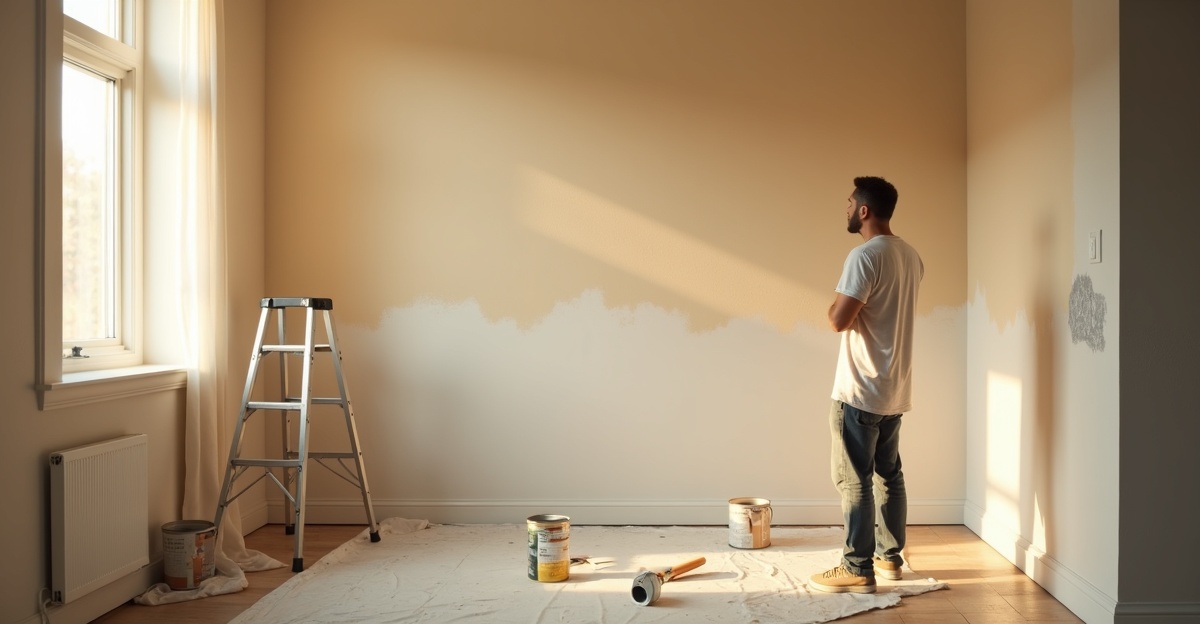
Choosing the right paint for our home starts with recognizing that the best paint for remodeling is not a single brand. We define it by how well it fits our surface, environment, and long-term goals. We match paint type, sheen, and durability to traffic levels, moisture exposure, and expected lifespan. This approach prevents peeling, fading, and repeat repaint costs that cut into our budget.
Key Takeaways
- The best paint choice depends on surface type, interior vs. exterior use, traffic levels, moisture exposure, and how long we want the finish to last.
- Higher-quality resin systems improve adhesion, washability, color retention, and overall durability more than brand name alone.
- Sheen affects performance—higher gloss levels provide better washability and moisture resistance in high-traffic or humid areas.
- Surface preparation determines most of a paint system’s lifespan, including cleaning, repairs, and proper priming.
- Lifecycle cost matters more than upfront price because labor drives most expenses and longer-lasting systems reduce repaint frequency.
The Right Paint Isn’t One Product—It’s the Right Fit for Your Surface, Use, and Long-Term Goals
The best paint for remodeling depends on your surface, environment, and long-term goals. There isn’t one universal “best” product—there’s only the right fit for the specific conditions.
Many property owners search for the best paint for remodeling expecting a brand name. What actually matters is how the coating performs in real-world conditions. We look at where it’s going, how the space is used, and how long we expect it to last.
Key decision factors always include:
- Interior versus exterior use
- Traffic levels
- Moisture exposure
- Occupant sensitivity
- Budget versus lifespan
For residential projects, we focus on durability, visual appeal, and peace of mind for families with kids or pets. Resale value also plays a role. For commercial properties, the conversation shifts to lifecycle cost of paint, surface protection standards, tenant disruption, and consistency across multiple spaces or buildings.
Cost matters—but lifespan matters more. A lower-cost repaint every 3–5 years may look cheaper upfront. A higher-performance system that lasts 8–10+ years often saves money over time. Labor is usually the largest expense, so repeating the same job too frequently drives up total cost.
Choosing the wrong paint leads to peeling, fading, cracking, and ongoing maintenance. Choosing the right one protects the investment and reduces stress.
Understanding Paint Types and When to Use Them
Different paint technologies serve different purposes. Resin quality and formulation affect durability more than the label on the can.
Latex and acrylic paints are water-based and widely used as the best interior paint for remodeling. They dry faster, produce less odor, and remain more flexible over time. High-quality exterior acrylics also resist UV damage and color fading well.
Oil-based paints still have a place, especially on trim and doors where a smoother finish and strong adhesion are needed. They take longer to dry and may carry higher VOC levels. Many regions limit their use, so we choose carefully.
Elastomeric coatings are often the best exterior paint for remodeling masonry or stucco. These thicker coatings can bridge hairline cracks and handle temperature swings. They work well on properties exposed to heavy moisture or wind-driven rain.
Specialty coatings serve specific environments:
- Moisture-resistant paint for bathrooms and kitchens to reduce mold and peeling
- Antimicrobial paints for healthcare and schools
- Epoxy coatings for concrete floor protection
- Fire-rated coatings for commercial compliance requirements
Low-VOC paint for homes is important during occupied remodels, especially in schools, healthcare spaces, or multi-family units during tenant turnover. It improves indoor air quality and reduces strong odors.
Commercial-grade paint for buildings is built for abrasion resistance and repeated cleaning. Corridors, stairwells, and retail interiors need coatings that withstand constant contact.
When we compare paint durability, we focus on the resin system. Higher-quality resins improve adhesion, washability, and color retention. That’s what determines performance—not just the brand.
Interior vs. Exterior: Environment Changes Everything
Interior and exterior paints are engineered for completely different conditions. Using the wrong one shortens lifespan dramatically.
The best interior paint for remodeling prioritizes washability, stain resistance, low odor, and smooth finish. In homes, that means protecting walls from fingerprints, scuffs, and daily wear. In offices or retail spaces, it means easy cleaning without dulling the surface.
Durable paint for high-traffic areas makes a big difference. Hallways, kitchens, kids’ rooms, and commercial corridors benefit from more scrubbable finishes and higher-performance formulations.
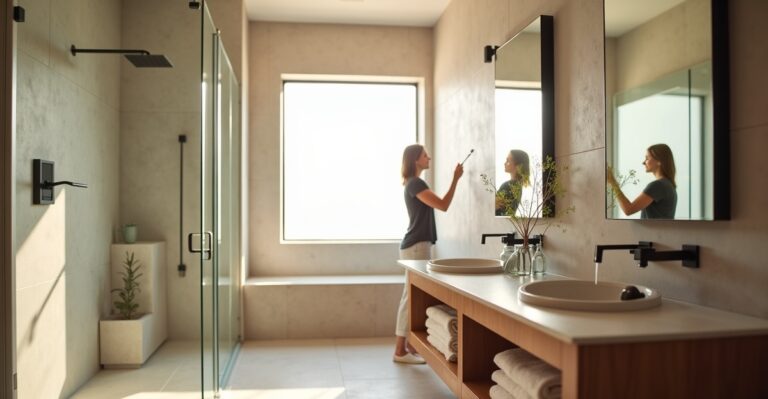
Moisture-resistant paint for bathrooms, laundry rooms, and kitchens helps prevent peeling and mildew. Without it, trapped humidity breaks down the coating quickly.
Exterior paint faces harsher conditions. The best exterior paint for remodeling must resist UV rays, severe temperature swings, and moisture intrusion. In climates with freeze–thaw cycles, expansion and contraction stress the surface. Coastal properties deal with salt exposure. Hot regions see intense sun that fades lower-quality coatings fast.
Commercial exteriors such as warehouses, retail facades, or multi-family buildings demand longer maintenance cycles. When specified correctly, many perform well for 7–10+ years before repainting becomes necessary.
Most paint failures happen because of incorrect application, not defective material. Applying interior paint outdoors, ignoring substrate movement, or coating over chalky or damp surfaces guarantees premature failure.
Paint Finishes Explained: Matte vs Satin vs Semi-Gloss (And Where Each Works Best)
Choosing the Right Sheen for Function
Paint finishes explained simply: sheen affects durability and light reflection. Higher sheen typically means greater washability and moisture resistance.
General guidelines:
- Flat or matte: Best for ceilings and low-traffic bedrooms. Hides imperfections but is less washable.
- Eggshell: Slight sheen. Suitable for living and dining rooms with moderate cleaning needs.
- Satin: Strong choice for high-traffic areas like hallways and multi-family units. Balances durability and appearance.
- Semi-gloss: Ideal for trim, doors, kitchens, and bathrooms. Handles moisture and frequent scrubbing.
- Gloss: Excellent for cabinets and specialty trim. Highly durable but highlights surface defects.
We recommend choosing sheen based on function—not trends. Matte may look modern, but it won’t perform well in a busy corridor. In commercial properties, slightly higher sheen often improves maintenance cycles and reduces repaint frequency.
Surface Preparation Before Painting: The Step That Determines 80% of Performance
Surface preparation before painting determines how long the coating actually lasts. In our experience, prep accounts for the majority of performance.
Proper preparation includes:
- Cleaning contaminants
- Scraping loose paint
- Sanding rough areas
- Repairing cracks
- Applying the correct primer
Skipping these steps leads to peeling, blistering, or cracking—often within a short period.
Different substrates require different primers. New drywall must be sealed properly. Wood benefits from stain-blocking primers. Masonry may need specialized sealers. Metal often requires corrosion-resistant primer.
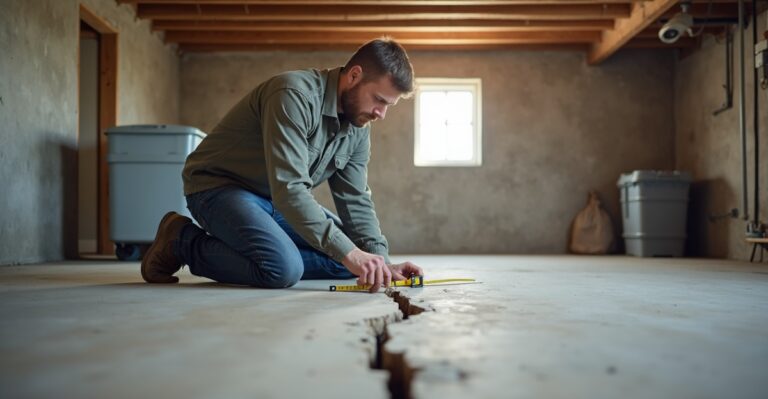
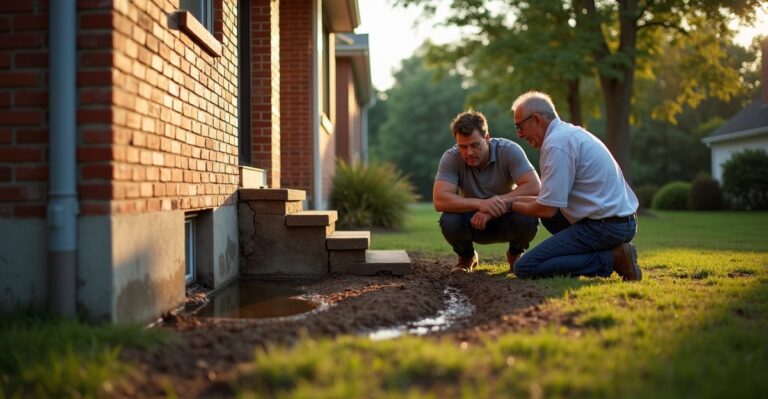
If there’s a moisture issue, it must be addressed before repainting. Recoating over damp surfaces guarantees failure.
Commercial properties may also carry compliance considerations. Older buildings may require lead-safe practices and proper containment procedures.
If you see recurring peeling, bubbling, chalking, or widespread cracks, that signals a need for professional evaluation. Fixing the root cause can extend lifespan by years.
Cost vs Longevity: Budget Repaint or 10-Year Performance Plan?
Every project comes down to goals. Are we planning a short-term refresh or a long-term performance system?
A contractor-grade, lower-cost paint reduces upfront expense but may need repainting in 3–5 years. A premium-grade system costs more initially but can last 8–10+ years depending on conditions.
Because labor represents the majority of repaint cost, frequent repainting increases total spending. That’s why lifecycle cost of paint matters more than the per-gallon price.
For commercial properties, additional repaint cycles mean downtime and tenant disruption. For homeowners, it means repeated inconvenience and potential curb appeal issues.
We typically recommend premium systems for long-term hold properties, primary residences, and steady-traffic commercial buildings. Contractor-grade products may suit short-term flips or temporary updates.
Paint selection should align with the broader remodeling plan. If coordinating updates with flooring or structural improvements, smart scheduling reduces waste and cost. Our guides on how to plan a home remodeling project and how to save money on home renovations explain this in more detail.
When repainting as part of a larger upgrade, our professional remodeling services team evaluates surface condition, exposure, and usage patterns before recommending a system. The right paint choice supports clarity, compliance, durability, and long-term reliability.
A short consultation can determine whether a space needs a simple refresh or a protection strategy built to last. The right paint protects the property, controls long-term costs, and reduces future headaches.
Frequently Asked Questions
The best paint for remodeling interior walls is usually a high-quality acrylic or latex paint designed for durability and easy cleaning. These paints dry quickly, produce less odor, and remain flexible over time, reducing cracking or peeling. For most living spaces, eggshell or satin finishes provide a balance of appearance and washability, making them practical for homes with regular daily use.
Choosing the right paint finish depends on how much wear and moisture a room experiences. Flat or matte finishes work well on ceilings and low-traffic bedrooms because they hide imperfections. Satin or eggshell finishes are better for living areas and hallways due to their washability. Semi-gloss is ideal for kitchens, bathrooms, doors, and trim because it resists moisture and frequent cleaning.
Yes, premium paint is often worth the investment because it provides better coverage, adhesion, and long-term durability. Higher-quality resins help paint resist stains, fading, and repeated washing. Since labor is typically the largest part of a repainting cost, using a longer-lasting paint can reduce the need for frequent repainting and lower overall maintenance expenses over time.
Primer is usually necessary during a remodeling project, especially when painting new drywall, bare wood, stained surfaces, or repaired areas. Primer seals the surface, improves adhesion, and helps paint color appear more uniform. Without proper priming, paint may peel, absorb unevenly, or require extra coats, which can shorten the lifespan of the entire paint system.
Quality remodeling paint can last between 8 and 10 years or longer when applied correctly and used in appropriate conditions. Longevity depends on surface preparation, environmental exposure, and paint quality. Exterior surfaces exposed to sun, moisture, and temperature changes may require repainting sooner, while well-maintained interior walls in low-traffic areas can maintain their appearance for many years.