Roof Damage from Trees: What to Do
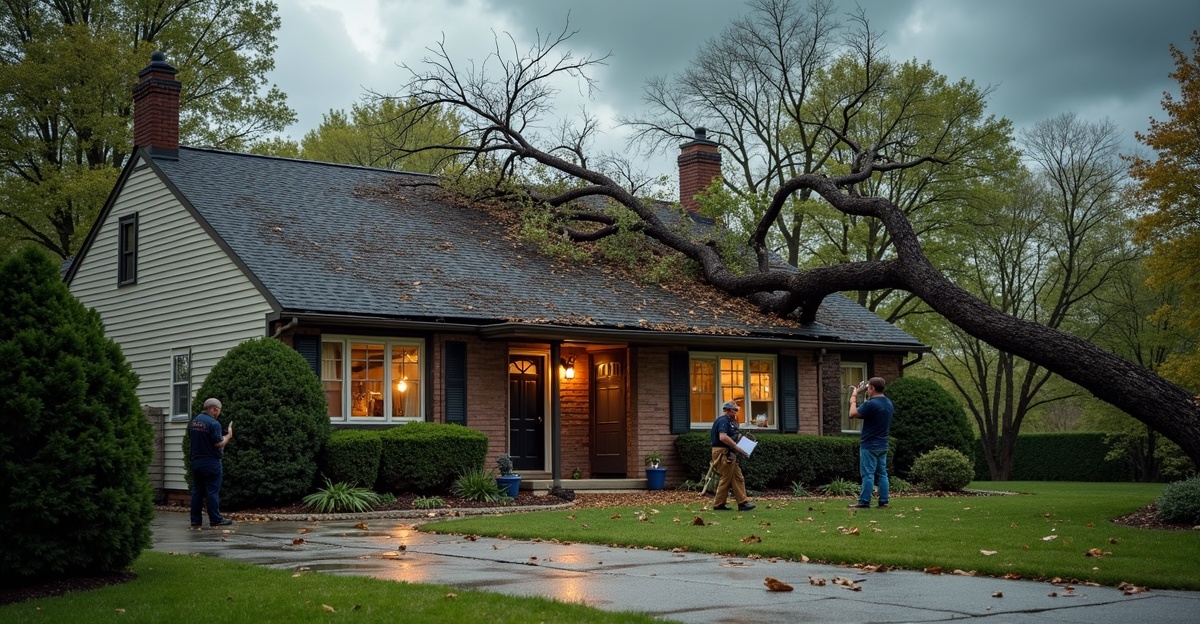
Roof damage from trees demands a fast and careful response. Quick action helps us avoid turning small repairs into bigger, costlier problems. From getting everyone out safely to documenting the impact and planning ahead, the first steps after this kind of incident are critical.
Key Takeaways
- Put safety first—leave the area if there’s visible structural damage or threats like hanging branches before checking the damage.
- Snap clear photos or record videos of the impact from a safe distance before removing debris or starting repairs.
- Call a licensed roofing professional right away. They’ll spot hidden problems like leaks, weakened support structures, or damaged flashing.
- Insurance claims work best with detailed evidence. That includes photos, written notes, and weather conditions during the event.
- Cut back overhanging branches, take down weak trees, and schedule regular roof checkups to reduce future risks.
What to Do Right Away If a Tree Damages Your Roof
If a tree crashes through your roof, safety comes first. Evacuate the building and stay out until professionals clear the area, as recommended in FEMA’s post-storm safety guidelines for homeowners. Hazards like exposed wiring or a weakened structure make it risky to stay inside. Call emergency services if there’s immediate danger.
Do not try climbing up to inspect the damage. Even if it looks minor, the roof could be unstable. Let trained professionals do the assessments.
Here’s what we recommend you do immediately:
- Call emergency services if there’s a threat to personal safety or structural stability.
- Keep people and pets away from the affected area.
- Use your phone to take pictures or videos of visible damage—only from safe distances.
- Reach out to a licensed roofing contractor for a full evaluation.
Homeowners should also check for water marks or damp spots in ceilings or walls. These are early signs of roof damage that could lead to mold or costly repairs if missed.
For commercial property teams, secure the building until structural safety is confirmed. Alert any tenants and document the situation. If uncertainty exists about the building’s condition, it’s better to restrict access now than face bigger problems later.
Assessing the Damage: Minor vs. Major Tree Impact
Damage from trees isn’t always obvious. Sometimes it’s just surface-level, like overhanging limbs brushing shingles. Other times, it’s bad enough to break through and cause structural failure.
Minor vs. Major Roof Damage
Here’s how we break it down:
- Minor damage: Includes small limbs that rest on the roof without penetration, or branches scraping and displacing a few shingles.
- Major damage: Involves holes, sagging, partial collapse, or widespread leaks. Even moderate impact can cause bigger issues underneath the surface.
We also look for hidden concerns like water penetration, damaged flashing or insulation, and weakened decking.
One of our clients in North Carolina had no visible punctures after a heavy branch fell. But we noticed a sagging ceiling inside. That ended up being a long-term leak that led to mold inside the attic, a common outcome of untreated moisture intrusion according to the EPA’s guidance on mold after water damage. Catching it early saved thousands in future damage.
A trained contractor inspects all aspects—shingles, sheathing, vents, interior ceilings, and attic spaces—to find what others might overlook. For property owners who like to stay organized, we recommend using a “Tree Damage Response Checklist.” It keeps the process clear when things feel chaotic.
Insurance and Documentation: What You Need to Know
If a tree damage roof incident occurs, what to do next often includes a call to your insurance company. Most policies cover sudden damage from events like fallen trees, especially when storms are the trigger, as explained by the Insurance Information Institute’s overview of tree damage coverage—but always confirm with your provider.
To prepare for a claim, gather this documentation:
- High-quality photos or videos (before any cleanup begins)
- Record the date and approximate time of the incident
- Write down any relevant weather details—wind speed, rainfall, etc.
Commercial property managers should also attach maintenance logs and incident reports to show that the site was properly managed before the event.
We help streamline the insurance process by providing thorough inspection reports, damage assessments, and repair estimates. These can support your claim and get your repairs moving faster.
For full steps from inspection to insurance, see our guide on how to file a roof insurance claim.
Residential vs. Commercial Response: What Matters Most
Every structure matters. But the strategy changes depending on whether it’s a home or a commercial property.
Fixing a Damaged Roof at Home
For homeowners, the top priorities are usually:
- Making sure your family is safe
- Getting peace of mind after a stressful event
- Acting fast to stop minor damage from turning major
We focus on practical solutions and honest advice so you don’t make rushed decisions under pressure.
Roof Damage in Commercial Buildings
For business owners and facility managers, dealing with tree damage is about:
- Preventing liability if the structure is unsafe
- Coordinating timely, documented repairs
- Keeping operations running—or getting them back online quickly
From single-tenant offices to multi-unit properties, we’ve worked with teams that need strategic timelines and reporting. If you manage several locations or tenants, we’ll coordinate inspections and repairs so everything stays organized.
To explore both sides of this topic, check out our thorough breakdown of residential vs commercial roof damage procedures and repair decisions.
Prevention That Pays Off: How to Protect Your Roof from Tree Damage
The best time to handle tree hazards is before they fall.
Here are steps we recommend to reduce risk:
- Cut back any branches within 6–10 feet of your roof
- Schedule yearly roof inspections, especially after storms
- Remove dead or leaning trees close to the structure
- Consider tough roofing materials like metal or impact-rated shingles
Staying ahead of small issues can stop you from dealing with expensive surprises later. Insurance often won’t cover neglect—so a little maintenance could protect your claim too.
We also offer consistent roof maintenance solutions to help you monitor branches, sealants, and surrounding hazards before they get dangerous.
When to Call the Pros: Why a Roofing Expert is Essential
Roof damage from trees isn’t always visible. A roof might look okay from the ground but may have weakened trusses, soaked insulation, or torn flashing. Miss those, and you’re setting up for long-term rot or mold.
A professional inspection helps:
- Discover hidden damage early
- Document everything for insurance
- Speed up repair decisions
For businesses, it also keeps you square with safety requirements and code enforcement. That’s big when you’re dealing with insurance audits or building inspections.
From single-family homes to large commercial complexes, we handle things fast and clearly. If you’re unsure who to call for tree roof damage services, we’re ready to step in. Whether it’s an urgent patch after a storm or a full structural check, our team’s priority is getting your space back to safe, dry, and reliable condition.
If you’re dealing with hidden problems or don’t know where to begin, learn how to spot hidden roof damage before it spreads.
If you’re planning ahead or already scheduling work, here’s how to prepare for a roofing project efficiently—whether it’s routine or emergency-based.
To speak with someone from our trusted crew, just reach out. We’ll give you a real answer, not a runaround.
Frequently Asked Questions
The first step is to protect people by leaving the area if there is any risk of collapse or exposed utilities. Avoid climbing on the roof. Take photos or videos from a safe distance, then contact a licensed roofing professional for an inspection. Temporary protection may be needed to prevent water intrusion while repairs are planned.
Roof damage from trees is often covered when it results from a sudden event like a storm or high winds. Coverage depends on your policy and whether the tree was healthy or neglected. Insurers typically require photos, inspection reports, and weather details. Prompt documentation and professional assessments improve the chances of a smooth claim.
Serious roof damage from trees includes punctures, sagging areas, widespread leaks, or interior water stains. Even without visible holes, impact can weaken decking or allow slow leaks into insulation. A professional inspection is the most reliable way to identify hidden structural or moisture-related problems that are not obvious from the ground.
Yes, even a small branch can cause long-term roof problems if it cracks shingles, damages flashing, or blocks proper drainage. These issues allow water to seep in gradually, leading to rot, mold, or insulation damage. Minor-looking impacts are often underestimated, which is why inspections after any tree contact are recommended.
Preventing roof damage from trees starts with trimming branches at least several feet away from the roofline. Remove dead or leaning trees near the structure and schedule regular roof inspections, especially after storms. Using durable roofing materials and maintaining gutters also reduces the risk of impact damage and water-related issues.