
Roof Drain Systems for Flat Roofs
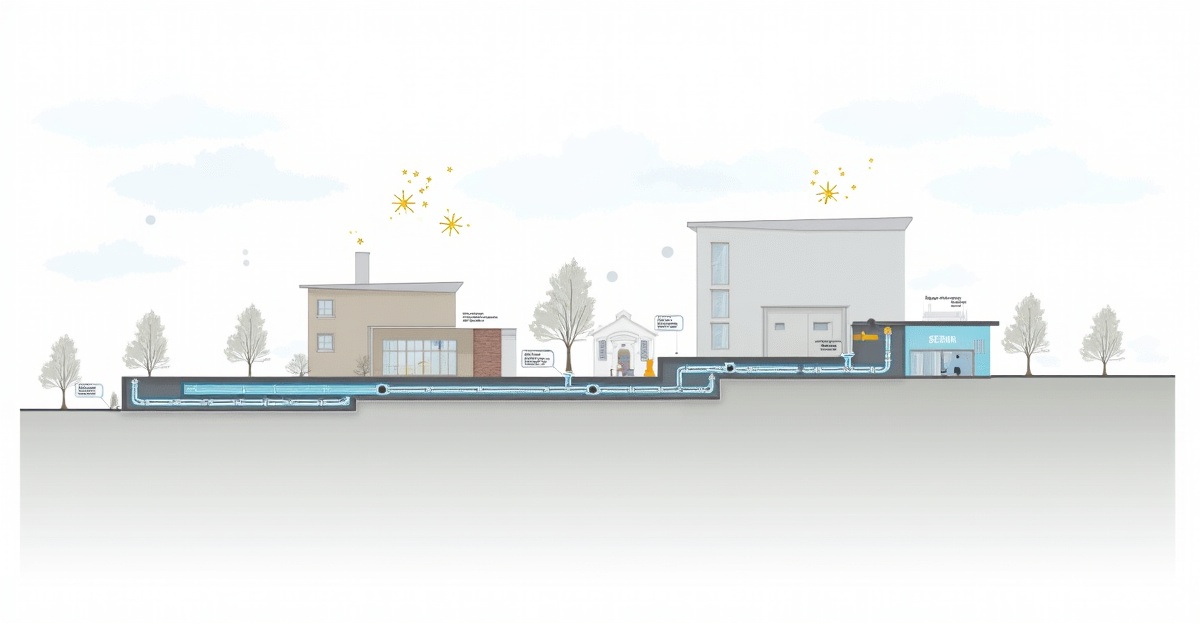
Flat roof drain types play a crucial role in protecting buildings from water damage, structural strain, and expensive repairs. They manage runoff effectively, directing water off the surface before it becomes a problem. Choosing the right system—whether internal drains, scuppers, gutters, or siphonic systems—depends on your building’s design, local weather, and how you’ll maintain the setup over time.
Key Takeaways
- Internal drains suit large commercial buildings and are commonly used as commercial flat roof drains in high-capacity drainage systems. Their hidden layout demands consistent checks to avoid blockages or leaks.
- Scuppers and gutters work best for homes and smaller businesses. They’re easy to access, budget-friendly, and simple to maintain.
- Siphonic systems handle large volumes fast. They’re well-suited for areas with intense rain or snowmelt.
- A flat roof must still slope slightly to guide water. Overflow features add extra protection and should never be overlooked.
- Local weather patterns, building regulations, and plans for ongoing maintenance should influence your drainage system choice to ensure all flat roof drainage requirements are properly met.
Why Drainage Is Critical on a Flat Roof (and What Happens Without It)
Flat roofs aren’t truly flat. They feature a slight slope—typically a minimum of ¼ inch per foot as required by the International Building Code (IBC)—to help water drain efficiently. When water flow is blocked or misdirected, it accumulates, leading to a range of issues.
Pooled water, also known as “ponding”, is more than a cosmetic problem. It deteriorates the membrane, causes leaks, and adds excessive weight that the roof structure was not designed to carry. Over time, this can result in sagging ceilings, mold growth, damaged insulation, and even structural risks.
If you notice bubbling in your membrane, interior water leaks, or cracks in ceiling joints, it’s likely your drainage system is failing. These issues commonly emerge after severe weather or harsh winters.
Common drainage problems include:
- Standing water that doesn’t evaporate within 48 hours—a condition defined by the National Roofing Contractors Association (NRCA) as “ponding water
- Membrane bubbling from trapped moisture
- Clogged scuppers, gutters, or internal drains
- Ice dams that block runoff and refreeze
These problems can escalate quickly—potentially voiding your roofing warranty or failing building inspections.
To avoid costly damage, explore the most practical flat roof water pooling solutions. Proper flat roof draining solutions don’t just save money—they protect everything beneath the roof.
Main Types of Flat Roof Drainage Systems (Visual Guide Included)
Each flat roof requires a carefully engineered flat roof drainage design tailored to its shape, use, and exposure to the elements. Here’s an overview of the primary flat roof drainage options and drain types:
Internal Roof Drains
Internal drains are built into the roof and channel water through concealed pipes within the building. This system is commonly used in commercial roofing because it maintains clean exterior lines and handles large volumes of water. However, if a blockage occurs, leaks can go unnoticed behind walls and ceilings.
Scuppers, Gutters, and Overflow Drains
Scuppers are outlets on the wall that let water exit the roof into downspouts or directly off the edge. They’re effective for handling moderate rainfall. Box-style scuppers tend to perform better than round ones.
Gutters and downspouts are typical on residential or smaller commercial buildings. They’re cost-effective and easy to access but require frequent cleaning. Overflow drains serve as fail-safes for interior roof drains and are critical during heavy rain or drain blockages.
Siphonic Drainage and Slopes
Siphonic systems leverage vacuum pressure to move water rapidly. These high-efficiency setups are ideal for larger commercial roofs where traditional gravity-based drains fall short.
Good drainage also comes from a properly sloped surface. Crickets and subtle inclines guide water to the drains. Without an effective slope, even the best drainage system will struggle.
For visual examples and more detail, our complete guide to types of roof drains is a great resource.
Choosing the Right System: Matching Drainage to Your Building Type
When selecting a drainage system, think beyond aesthetics and develop a clear flat roof drainage plan that prioritizes performance and longevity. Choose what offers the best functionality, longevity, and performance for your building type.
Residential Setups
Gutters and scuppers often suffice for flat-roofed homes and are among the most common types of residential roof drains. They’re budget-friendly and easy to maintain. Scuppers, in particular, offer efficient drainage with minimal upkeep, especially in environments with a lot of tree litter.
If you’re planning upgrades, our residential flat roofing services can help match you with the right system.
Commercial Systems
Flat-roofed commercial buildings typically benefit from internal or siphonic systems, which accommodate larger square footage and comply with stricter local codes. Siphonic systems are especially effective during back-to-back storms or rapid snowmelt.
Keep these factors in mind:
- Building size and number of floors
- Total roof area
- Design and architectural features
- Ease of access for maintenance
- Local climate and rainfall/snowfall volume
Ask your contractor:
- Do local building codes require overflow drains?
- How will the roof be sloped for optimal drainage?
- What is the maintenance or repair access plan?
Need a hand? Our team installs both commercial roofing drainage systems and residential options, tailored to your needs.
Don’t Forget Climate: How Weather Influences Drainage Choices
Your local climate directly affects drainage design. Poor planning can lead to flooding, freeze damage, or structural decay.
- Heavy rainfall? Add more drain outlets or upgrade gutter capacity.
- Freeze-thaw cycles? Choose materials and systems that resist ice and cracking.
- Snow load challenges? Use heat-traced internal drains to prevent winter blockages.
In colder states, we’ve seen snowmelt overwhelm poorly designed drainage systems—sometimes causing roof collapse. That’s why your system needs to work year-round.
Climate Red Flags That Signal Poor Drainage
- Water pooling longer than 48 hours after storms
- Ice formation around drains or roof edges
- Staining or rot on walls and siding
- Sagging ceilings from localized water intrusion
If these issues sound familiar, browse our detailed guide on flat roof drainage systems to identify and correct design flaws early.
Maintenance, Cost, and Compliance: What to Expect Long-Term
All drainage systems require care, but their cost and upkeep levels vary. Here’s a quick comparison:
- Internal Drains: Hidden but expensive to repair; needs yearly inspections and pipe checks.
- Scuppers: Low-cost and minimal maintenance; best for small structures with minimal snow or clog risk.
- Gutters: Inexpensive, but need regular cleaning, especially near trees. Poor slope can cause standing water.
- Siphonic Systems: High initial cost, but extremely efficient and low maintenance for large structures.
Regardless of the system, proper installation is crucial—especially factors like drain location, roof pitch, flashing, and inclusion of overflow features. Even high-quality materials can fail with incorrect installation or delayed flat roof drainage outlet replacement.
Plan regular inspections at least twice a year, as recommended by the National Roofing Contractors Association (NRCA) to prevent drainage failures and membrane damage. Tree-heavy areas may require more frequent checks. You can find more upkeep tips in this flat roof maintenance guide.
Don’t forget compliance. Many commercial and multi-use buildings require specific drainage capacities and backed-up protection. An inadequate system could delay inspections or force expensive modifications.
Avoid These Common Mistakes When Planning or Upgrading
Drainage mistakes can be costly. We’ve seen many roofs suffer due to poor planning, improper design, or subpar installations.
Common pitfalls include:
- Insufficient slope to direct water flow
- Using residential-grade systems on commercial buildings
- Forgetting overflow drains in internal systems
- Skipping code compliance—particularly in additions
Top 5 Drainage Design Errors to Avoid
- Improperly sloped or misaligned roof surface
- Not enough drains for the size of the roof
- Scuppers or downspouts too narrow for storm demands
- Pipes uninsulated in freezing climates
- No access to cleanouts or drain maintenance points
Before finalizing your plans, ask your contractor:
- Which design standards or codes apply to this system?
- How is overflow addressed if a drain fails?
- What provisions exist for future maintenance or repairs?
Flat roof drainage has one key purpose: remove water effectively to protect your building. A properly installed and well-maintained system minimizes leaks, extends your roof’s lifespan, and helps avoid expensive emergency repairs.
Need expert guidance? Our flat roofing professionals design reliable drainage systems that stand the test of time. Get your drainage right from the start—and save yourself trouble later.
Frequently Asked Questions
The most common flat roof drain types include internal roof drains, scuppers, gutters with downspouts, and siphonic drainage systems. Each type removes water differently and suits specific building sizes and climates. Internal and siphonic drains are common on commercial buildings, while scuppers and gutters are often used on residential or small flat roofs.
The right flat roof drain system depends on roof size, building use, local climate, and maintenance access. Larger roofs usually require internal or siphonic drains to handle higher water volume. Smaller buildings often perform well with scuppers or gutters. Local building codes, rainfall levels, and long-term maintenance costs should always guide the decision.
Internal drains collect water through roof-level inlets and route it through pipes inside the building, keeping the exterior clean. Scuppers allow water to exit through openings in the roof edge or parapet wall. Internal drains handle larger volumes but require careful maintenance, while scuppers are simpler, more visible, and easier to clean.
Yes, overflow drains are critical for flat roofs, especially those with internal drain systems. They provide a backup path for water if primary drains become clogged or overwhelmed. Overflow drains help prevent ponding, structural overload, and interior flooding, and they are often required by commercial building codes for safety and compliance.
Flat roof drains should be inspected and cleaned at least twice a year, typically in spring and fall. Roofs near trees or in heavy rainfall areas may require more frequent checks. Regular maintenance prevents clogs, standing water, membrane damage, and costly repairs caused by unnoticed drainage failures.