Roof Drainage System Types: A Complete Guide for Property Owners
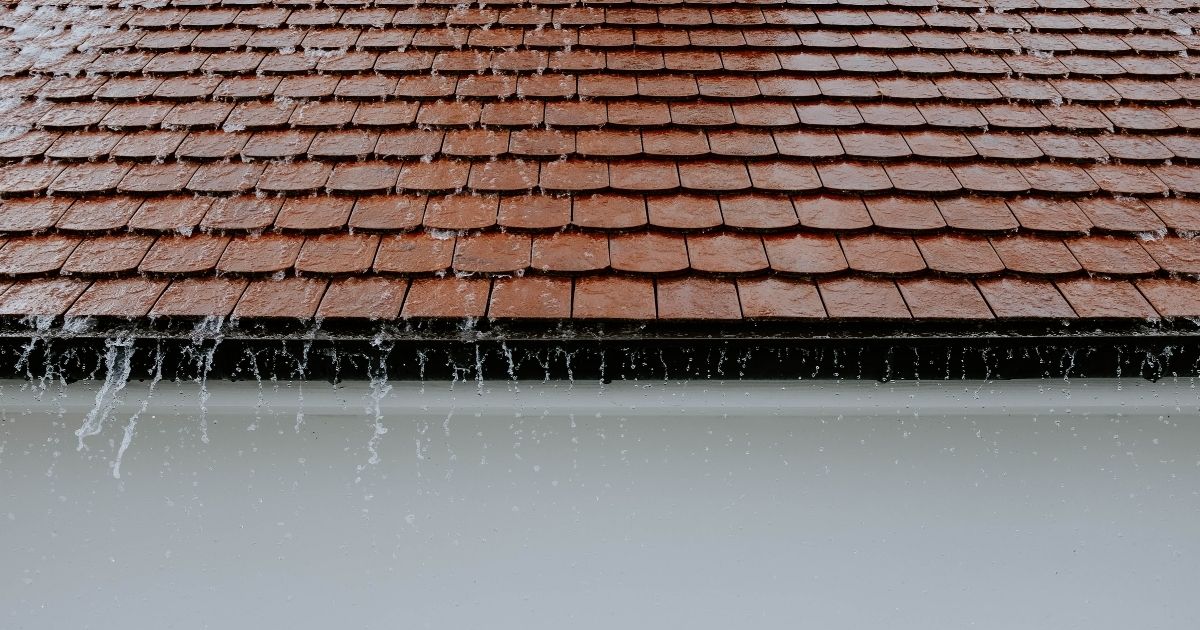
Whether you’re managing a commercial facility or maintaining your home, choosing the right roof drainage system type is critical to protecting your property from water damage, structural wear, and costly repairs. This guide breaks down the most common systems used in both residential and commercial roofing, helping you understand how they work—and how to choose the one that fits your needs, roof style, and budget.
In the sections below, you’ll learn:
- Why Roof Drainage Systems Matter
- Overview of Common Roof Drainage System Types
- Choosing the Right Drainage System for Your Property
- Installation and Maintenance Considerations
- What to Know About Storm Damage and Insurance
- When to Call a Professional for Help
- Conclusion: Smart Drainage Starts with the Right System
Let’s start by looking at why roof drainage isn’t just a design feature—it’s a frontline defense for your building
Why Roof Drainage Systems Matter
Your roof’s main job is to keep water out—but without a proper drainage system, that water has nowhere to go. Whether it’s a residential home or a multi‐building commercial property, managing water runoff is critical to protecting your structure and everything inside it.
When rainwater or melting snow isn’t directed off the roof correctly, it can start to collect in places it shouldn’t—pooling around the foundation, seeping into walls, or backing up under shingles or membrane seams, highlighting the vital role of proper roof and slope drainage in effective stormwater control.
Over time, this leads to mold growth, rot, and even structural deterioration. For commercial buildings, it can also mean damaged insulation, leaks above tenant spaces, or code violations due to water infiltration.
A well‐designed roof drainage system works like plumbing for your rooftop—it quietly redirects water away from vulnerable areas, reducing the risk of costly repairs and extending the lifespan of your roof.
The Cost of Inaction: Real‑World Risks
Ignoring drainage issues may not seem urgent at first—until you’re dealing with stained ceilings, soggy drywall, or cracked pavement around your foundation. We’ve seen everything from warped siding on suburban homes to large‐scale interior flooding in commercial complexes, all because water had no clear exit path.
Clogged gutters and roof drains are especially dangerous. When these systems back up, water can overflow onto facades, freeze in colder climates, or find its way into roofing seams. On flat or low‑slope roofs, standing water—or “ponding”—can stress your roofing membrane and create leak points, underlining the importance of dedicated commercial roof drains and drainage systems.
In both residential and commercial settings, these kinds of issues aren’t just a hassle—they can void warranties, lower property value, and spike insurance premiums if left unresolved.
Key takeaway: Roof drainage isn’t optional—it’s essential. A smart, well‑maintained system protects your home or building from slow, silent water damage that’s expensive to fix and easy to prevent.
Overview of Common Roof Drainage System Types
There’s no one-size-fits-all solution when it comes to roof drainage. The right system depends on your building type, roof slope, local weather, and even the architectural style of your property. Below, we’ll break down the most common types of roof drainage systems—including how they work, where they’re used, and what to consider when choosing one.
Gutters and Downspouts
Gutters and downspouts are the go-to drainage setup for most residential properties with sloped roofs. Gutters are installed along the roof’s edge to catch rainwater and direct it into downspouts, which carry it safely away from the foundation.
Materials: You’ll typically see aluminum, vinyl, or steel gutters on homes. Aluminum is lightweight and rust-resistant, while steel offers durability but may require more maintenance.
Pros:
- Affordable and widely available
- Easy to clean and repair
- Can be upgraded with guards to reduce clogging
Cons:
- Vulnerable to clogging from leaves and debris
- Can pull away from the fascia if not maintained
- Less effective for flat or low-slope roofs
Best For: Sloped residential roofs or small buildings with predictable runoff patterns
Seamless gutter installation can also be considered for a cleaner look and reduced leak risk.
Scuppers
Scuppers are openings built into the edges or parapet walls of a flat roof. They allow water to exit the roof and flow into exterior downspouts or off the edge, often through decorative spouts.
Use Case: Common in commercial or multi-family buildings with flat or low-slope roofs, especially where internal piping isn’t ideal.
Pros:
- Simpler to install than internal systems
- Easy to inspect and clean
- Can double as an architectural feature
Cons:
- Less effective in heavy storms unless paired with oversized downspouts
- Water can overflow and stain walls if scuppers are undersized or blocked
Best For: Flat commercial roofs or multi-family buildings with external drainage systems
Internal Roof Drains
Internal drains use a network of concealed piping beneath the roof surface to channel water through the building and out to the storm system. These are often covered with strainers to prevent debris from entering.
Use Case: Ideal for large buildings or structures where exterior drainage is impractical or unsightly—think hospitals, schools, or retail centers.
Pros:
- Maintains clean roof lines—no visible gutters
- Efficient drainage for large, flat surfaces
- Protected from freezing in cold climates
Cons:
- More complex and expensive to install
- Requires regular maintenance to prevent hidden clogs
- Harder to detect leaks due to internal routing
Best For: Large commercial buildings with flat roofs and internal plumbing infrastructure, often handled by commercial roofing specialists
Siphonic Systems
Siphonic roof drainage is an advanced internal system that uses specially designed piping and air-blocking outlets to create a vacuum-like effect. This allows water to be evacuated rapidly—even during heavy rainfall—without needing a steep slope.
Use Case: Typically found in large-scale or complex buildings where high volumes of water need to be moved quickly—airports, arenas, warehouses.
Pros:
- Moves large volumes of water with fewer pipes
- Reduces need for roof pitch or multiple drains
- Long-term efficiency in storm-heavy regions
Cons:
- Higher upfront engineering and installation costs
- Requires precise design and maintenance
- Not practical for small buildings or retrofits
Best For: High-capacity industrial roofing projects with engineered systems.
Key takeaway: Understanding the different roof drainage system types helps you make smarter, property-specific decisions. Whether you manage a multi-site portfolio or your own home, the right drainage system should align with your roof’s design, local climate, and long-term maintenance goals.
Choosing the Right Drainage System for Your Property
With several roof drainage system types to choose from, the best solution depends on your property’s design, usage, and long-term maintenance expectations. What works for a suburban home might fall short for a flat-roofed office building or a multi-family complex. In this section, we’ll break down key factors that influence which system is right for you.
Residential vs. Commercial Considerations
Homeowners often prioritize aesthetics, cost-effectiveness, and ease of maintenance. Most residential properties rely on gutters and downspouts, which are affordable, visible, and straightforward to repair. Home drainage systems are typically smaller in scale and designed for moderate runoff.
Roofing for homeowners often focuses on solutions like seamless gutters and simple runoff management.
Commercial properties, on the other hand, require high-capacity systems that align with local codes, protect flat or low-slope roofs, and manage large volumes of water across wide surface areas.
Here, internal drains or scuppers are often the better fit—especially for buildings where exterior piping isn’t practical or compliant.
Bottom line: Residential drainage is about protecting your home and keeping maintenance simple. Commercial drainage demands performance, efficiency, and code compliance across larger roof areas.
Flat Roofs vs. Pitched Roofs
The slope of your roof plays a major role in choosing the right drainage solution. Pitched roofs use gravity to naturally direct water to the edges, making gutters and downspouts a practical and efficient choice.
Flat roofs, common on commercial and multi-family buildings, require engineered solutions to manage roof slope and drainage efficiency. These often include flat roof drains, placed strategically to collect and redirect water from low points.
If slope is minimal or inconsistent, siphonic systems may be used in large-scale projects to maintain performance.
Tip: Even a slight slope is essential for flat roofs—standing water leads to long-term damage and costly repairs.
Drainage for Metal Roofs and Multi-Family Properties
Metal roofing systems shed water quickly, making drainage especially important during heavy storms. Without proper design, fast runoff can overwhelm standard gutters or create splash back around the foundation. Oversized gutters or specially angled scuppers are often recommended for metal roofs to keep up with runoff speed.
For multi-family properties, drainage needs scale with roof size and occupancy. A clogged or failing system can impact multiple units, damage shared walls, or disrupt tenants. Efficient drainage for multi-family properties typically involves a mix of scuppers, internal drains, and backup systems to ensure performance and prevent liability issues.
Pro Tip: On high-occupancy buildings, redundancy matters—installing overflow scuppers or secondary drains can prevent water-related emergencies.
Key takeaway: There’s no universal solution when it comes to roof drainage. The right system depends on your roof’s slope, material, and the scale of the building. For homes, focus on simplicity and seasonal upkeep. For commercial and multi-family buildings, prioritize performance, compliance, and long-term ROI.
Installation and Maintenance Considerations
Choosing the right roof drainage system is just the beginning. Understanding how it’s installed—and what it takes to keep it working—can help you plan better, budget smarter, and avoid surprises down the road. Whether you’re upgrading a home or managing a multi-building commercial portfolio, here’s what you need to know about installation and upkeep.
What to Expect During Installation
Residential Installations: For most homes, installing gutters and downspouts is a straightforward project. A professional crew will measure your roofline, remove any old hardware, and install new brackets, gutters, and downspouts.
Seamless gutter installation for energy-efficient roofs is increasingly popular, offering cleaner lines and fewer leak points. Most jobs are completed within a day or two, depending on home size and accessibility.
Commercial Installations: Installing systems like internal drains or scuppers on commercial buildings is more complex. It often requires coordination with roofing teams, plumbing professionals, and building inspectors—especially if drainage is tied to interior piping or code compliance.
Projects may also involve temporary weatherproofing, especially if roofing or solar components need to be detached and reset.
Cost Breakdown by System Type
Roof drainage installation cost varies widely based on system type, property size, material choice, and labor. Here’s a general range:
Gutters and Downspouts (Residential):
- $1,500–$5,000 for standard aluminum or vinyl installations
- $5,000+ for high-end materials (copper, steel) or custom designs
Scuppers with Downspouts (Commercial):
- $3,000–$10,000+ depending on roof access, material, and drainage length
Internal Roof Drains:
- $7,500–$20,000+
- Costs increase with building height, plumbing complexity, and local code requirements
Siphonic Systems:
- $15,000–$50,000+ for engineered commercial installations
- Requires specialized design, modeling, and certified installers
Tip: Budget for potential upgrades like gutter guards, heated cables, or secondary overflow drains, especially in storm-prone regions.
Ongoing Maintenance Tips
No matter how advanced your system is, regular maintenance is key to preventing backups, inspection leaks, and costly water damage. Here are a few core tips to keep your drainage system working its best:
- Clean gutters and downspouts at least twice a year—more often if you have nearby trees
- Inspect scuppers and drains for debris buildup or slow drainage after heavy rains
- Check internal drain covers and strainers for clogs and signs of corrosion
- Schedule annual roof and drainage inspections—especially before storm season
- Ensure seamless gutter installations are securely attached and sealed, particularly after high winds or freezing weather
For commercial properties, consider a preventive maintenance plan that includes seasonal checkups, emergency response protocols, and documentation for insurance or compliance purposes.
Key takeaway: The right drainage system only works if it’s installed correctly and maintained regularly. Budgeting for both up front will protect your property from water damage and save you thousands over time.
Installation and Maintenance Considerations
Choosing the right roof drainage system is just the beginning. Understanding how it’s installed—and what it takes to keep it working—can help you plan better, budget smarter, and avoid surprises down the road.
Whether you’re upgrading a home or managing a multi-building commercial portfolio, here’s what you need to know about installation and upkeep.
What to Expect During Installation
Residential Installations: For most homes, installing gutters and downspouts is a straightforward project. A professional crew will measure your roofline, remove any old hardware, and install new brackets, gutters, and downspouts. Seamless gutter installation for energy-efficient roofs is increasingly popular, offering cleaner lines and fewer leak points. Most jobs are completed within a day or two, depending on home size and accessibility.
Commercial Installations: Installing systems like internal drains or scuppers on commercial buildings is more complex. It often requires coordination with roofing teams, plumbing professionals, and building inspectors—especially if drainage is tied to interior piping or code compliance.
Projects may also involve temporary weatherproofing, especially if roofing or solar components need to be detached and reset.
Cost Breakdown by System Type
Roof drainage installation cost varies widely based on system type, property size, material choice, and labor. Here’s a general range:
Gutters and Downspouts (Residential):
- $1,500–$5,000 for standard aluminum or vinyl installations
- $5,000+ for high-end materials (copper, steel) or custom designs
Scuppers with Downspouts (Commercial):
- $3,000–$10,000+ depending on roof access, material, and drainage length
Internal Roof Drains:
- $7,500–$20,000+
- Costs increase with building height, plumbing complexity, and local code requirements
Siphonic Systems:
- $15,000–$50,000+ for engineered commercial installations
- Requires specialized design, modeling, and certified installers
Tip: Budget for potential upgrades like gutter guards, heated cables, or secondary overflow drains, especially in storm-prone regions.
What to Know About Storm Damage and Insurance
Storms can wreak havoc on roofs and drainage systems, and in many cases, the damage isn’t obvious until it causes bigger problems—like leaks, sagging, or interior mold.
Whether you’re a homeowner recovering from a hailstorm or a property manager dealing with a system-wide failure, knowing how drainage ties into insurance and repair logistics can help you act fast and protect your investment.
Post-Storm Drainage Issues
After a major storm, it’s common to see clogged or dislodged gutters, cracked scuppers, or standing water that wasn’t there before. Even if the damage seems minor, post-storm drainage issues can quickly escalate.
Overflowing systems can saturate insulation, rot fascia boards, or compromise roofing membranes—especially on flat or low-slope roofs.
Warning signs to look for:
- Water stains on ceilings or near exterior walls
- Sagging gutters or visible separation from the roof edge
- Pooled water that lingers for days after rainfall
- Drains or scuppers that appear blocked or slow to clear
If you notice any of these, it’s time to call a professional. In many cases, it’s not just the drainage that needs attention—you may need to replace roof drainage after storm damage to fully restore protection and function.
Insurance Coverage and Drainage Systems
When it comes to insurance claims for drainage system damage, timing and documentation are everything. Most policies will cover damage caused by sudden, storm-related events—like hail crushing your gutters or a wind-driven object damaging a downspout.
However, if your insurance adjuster determines that the damage was caused by neglect or poor maintenance, your claim may be denied.
Common insurance challenges include:
- Claims denied due to clogged or poorly maintained gutters
- Limited coverage when drainage issues are deemed “preventable”
- Roof leaks blamed on inadequate water management, not storm impact
That’s why it’s critical to have your drainage system inspected regularly and documented by a licensed contractor—especially after major weather events. It builds a paper trail that supports your claim and helps you recover repair costs faster.
Solar Panel Detach/Reset Considerations
If your roof is equipped with solar panels, storm damage repairs can get more complex. In many cases, panels must be detached and reset to access or replace damaged drainage components beneath them.
This process—known as solar panel detach/reset and drainage redesign—requires coordination between roofing, solar, and sometimes electrical teams.
Here’s what to know:
- Some insurance policies will cover panel removal and reinstallation if it’s part of storm-related repairs
- Work must be done by certified professionals to maintain your solar warranty
- Poor drainage around or under panels can reduce energy efficiency and create hidden damage
If you’re not sure where to start, RayPro can handle both the roofing and solar coordination, helping ensure your system is restored properly—with minimal disruption to your energy savings.
Key takeaway: After a storm, don’t assume your drainage system is fine just because your roof looks intact. Water damage often starts small and grows quickly—especially if your system was already strained. Addressing issues early, documenting damage, and working with qualified pros can help protect your property and maximize your insurance recovery.
When to Call a Professional for Help
Not every drainage issue requires an emergency call—but when warning signs start to pile up, it’s important to act quickly. Knowing when to bring in a professional can save you from costly repairs, structural damage, and insurance complications. Here’s how to spot the red flags and what RayPro can do to help—no matter where your property is located.
Signs Your Drainage Isn’t Working
Some issues are obvious, like water pouring over your gutters or large puddles collecting near your foundation. Others develop slowly but are just as serious. If you notice any of the following signs, your roof drainage system may be failing:
- Water stains on ceilings, siding, or fascia boards
- Mold or mildew around the edges of your roof or attic
- Gutters pulling away from the roofline or sagging in spots
- Slow or no drainage from scuppers or internal roof drains
- Persistent standing water on flat roofs after rainfall
These symptoms often point to clogs, misalignment, or hidden damage that can’t be fixed with a simple cleanout. Waiting too long can lead to interior leaks, wood rot, or even roofing system failure.
DIY Fixes vs. Expert Solutions
There’s a time for basic maintenance—and a time to call in pros. Homeowners and facility managers can often handle seasonal gutter cleaning or clear visible debris from scuppers. But when issues involve internal drainage, potential storm damage, or solar panel detach/reset, it’s time to consult a licensed contractor.
Here’s when DIY makes sense:
- Flushing leaves from open gutters
- Reseating a loose downspout
- Installing gutter guards for future prevention
And here’s when you need a pro:
- Diagnosing leaks with no clear source
- Evaluating drainage slope or ponding on flat roofs
- Replacing damaged or aging drainage components
- Coordinating insurance-covered repairs or storm restoration
- Upgrading systems on large or multi-family properties
Pro Tip: A drainage issue might be part of a bigger problem with your roofing, flashing, or insulation—an experienced contractor will look at the full picture, not just the symptom.
RayPro’s Expertise Across 17 States
Whether you manage a commercial property portfolio or own a single-family home, RayPro is equipped to help. We serve clients across 17 states with licensed, insured crews who understand both local building codes and long-term performance needs.
Our team handles everything from basic gutter installation to complex drainage redesigns, including solar coordination and insurance-backed storm recovery.
What you can expect from us:
- Clear communication and upfront pricing
- Compliance with all relevant codes and regulations
- Thorough inspections with photo documentation
- Full-service support—from drainage to roof to solar
- Experience working with HOAs, property managers, and insurance adjusters
No guesswork. No surprises. Just real solutions you can trust.
Key takeaway: If you’re seeing signs of failure—or you’re unsure what’s hiding beneath your roof—don’t wait. Drainage issues only get worse with time. Bringing in a qualified, experienced team like RayPro gives you peace of mind and a clear plan forward.
Conclusion: Smart Drainage Starts with the Right System
Roof drainage isn’t just a design detail—it’s a core part of your property’s defense against water damage, structural issues, and unexpected repair costs. From gutters and downspouts on residential homes to scuppers and internal drains on commercial buildings, the right system helps manage runoff, extend roof life, and protect what matters most.
Throughout this guide, we’ve covered the most common roof drainage system types, how to match them to your property, what to expect during installation, and why ongoing maintenance is key.
We’ve also walked through what to do after a storm, how drainage ties into insurance claims, and when it’s time to call a professional.
At RayPro Roofing & General Contracting, we bring 17+ years of experience serving homeowners, property managers, and institutional clients across 17 states. Whether you need a simple upgrade, a full drainage redesign, or storm-related repairs, we’re here to deliver transparent guidance, quality work, and peace of mind.
Need help with your drainage system? Let’s take a look.
Schedule a free inspection or request a quote today—we’ll help you find the best solution for your roof, your budget, and your long-term protection.
Frequently Asked Questions
The most common roof drainage system types include gutters and downspouts, scuppers, internal roof drains, and siphonic systems. Each is designed to manage water runoff differently based on roof slope, building size, and drainage needs. Gutters are typical for residential pitched roofs, while internal drains and scuppers are often used on flat commercial roofs.
For flat commercial roofs, the best drainage system often depends on the building’s size and layout. Internal roof drains are common because they hide piping and perform well in large areas. Scuppers work well when paired with oversized downspouts, and siphonic systems offer high-capacity drainage for complex or storm-prone properties. A professional inspection can help determine the most efficient setup.
Yes. Clogged or poorly maintained gutters and drains can lead to water damage that is often deemed preventable. Many manufacturers and insurers require proof of regular maintenance to honor warranties or approve claims. If water backs up and causes leaks or rot, your coverage may be reduced or denied—especially if it’s traced to neglect.
Roof drainage installation costs vary widely depending on system type and property size. Basic gutter systems for homes may range from $1,500 to $5,000, while commercial systems like internal drains or siphonic setups can cost $7,500 to $50,000+. Factors like materials, labor, roof access, and local codes all affect final pricing. A personalized quote is the best way to budget accurately.
In many cases, yes. If your drainage system is located beneath or near your solar array, panels may need to be detached and reset to access the roof surface during repairs or upgrades. This is especially true for flat or low-slope roofs where solar panel detach/reset and drainage redesign are often linked. It’s important to work with certified professionals to maintain your solar warranty and avoid damage.