Roof Inspection Before Buying a Property
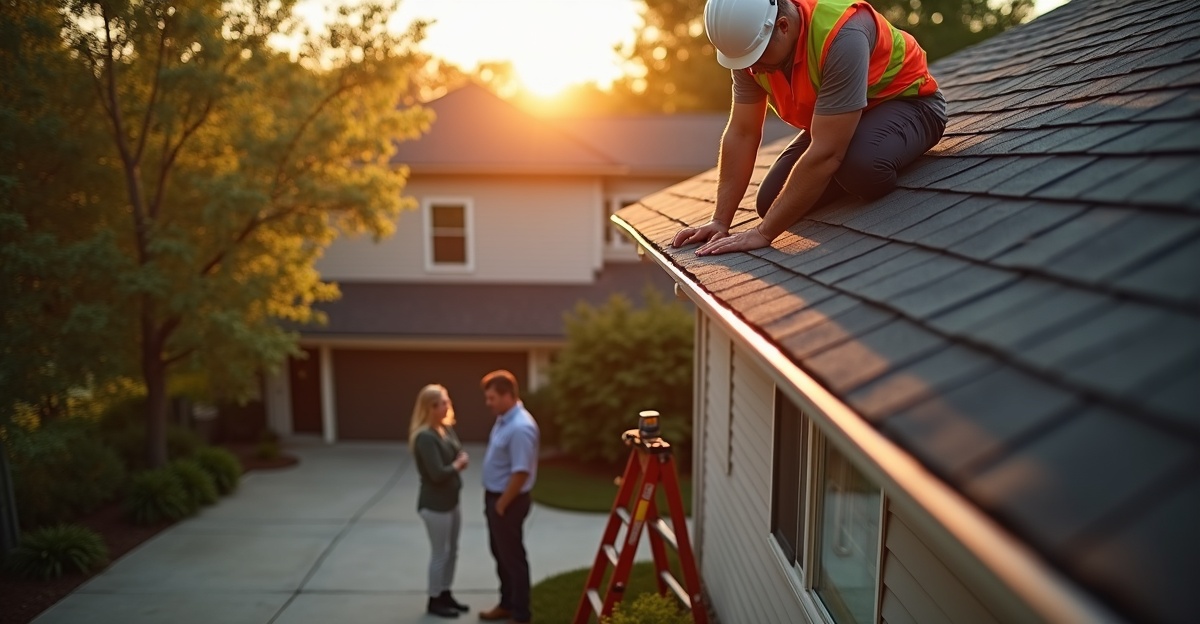
A roof inspection for buyers plays a critical role before purchasing a property because hidden damage, structural decline, or saturated insulation can quickly turn into a five‑figure expense after closing. We conduct a professional roof inspection before buying to deliver documented findings, lifespan estimates, and negotiation leverage so we can plan repairs, protect ROI, and move forward with confidence.
Key Takeaways
- Roof issues such as flashing failures, storm damage, drainage problems, and soft decking often stay hidden during showings and become our responsibility after closing.
- A dedicated buyer-focused inspection goes further than a standard home inspection, providing detailed reporting, moisture scans for flat roofs, and a clear remaining lifespan assessment.
- Residential buyers protect family comfort, insurance eligibility, and resale value by identifying repair or replacement needs early.
- Commercial buyers rely on inspection data for capital expenditure forecasting, warranty review, code compliance, and ROI planning.
- We schedule the inspection during the due diligence period to create leverage for price reductions, repair credits, or escrow holdbacks before negotiations close.
A Roof Problem Can Cost You Thousands After Closing
A roof replacement can cost $8,000–$20,000+ for residential properties. Commercial buildings can run far higher depending on size, system type, and access. Once closing is done, that expense becomes ours.
After the transaction finalizes, the roof is the buyer’s responsibility—even if the issue was not visible during showings. Stains may be painted over. Active leaks may not appear during dry weather. Structural deterioration can sit hidden beneath shingles or membrane.
That’s why a dedicated roof inspection for buyers matters. A proper roof inspection before buying looks past surface appearance and identifies risk that could turn into a major capital expense. During a roof inspection before closing, we focus on:
- Structural decking deterioration
- Active or historical leaks
- Saturated insulation
- Flashing failures
- Storm damage
- Drainage issues
- Code compliance concerns
Small roofing problems grow quickly. A minor flashing separation can lead to interior water damage. Saturated insulation can compromise energy performance across the entire building envelope. What looks like a repair may actually signal systemic failure.
If we’re under contract, this is the window to schedule a pre-purchase roof assessment before negotiations are finalized. Waiting until after closing removes leverage and options.
What a Professional Roof Inspection for Buyers Actually Includes
A professional roof inspection before buying is detailed, documented, and objective. It produces a clear record that supports negotiations and future planning.
We provide a full roof condition report with photo documentation and written findings. Buyers can review exactly what we see, where we see it, and what it means for cost and lifespan. For a breakdown of report components, see what’s included in a roof inspection report.
Our evaluation typically includes:
- Structural decking condition
- Shingle, tile, metal, or membrane integrity
- Flashing around chimneys, skylights, and penetrations
- Drainage systems, including scuppers and internal drains
- Ventilation and insulation performance (residential)
- Visible storm impact
- Prior repair quality
On commercial flat systems, we may conduct moisture scans and core samples where appropriate. This helps confirm whether insulation is dry or saturated beneath the membrane—information that cannot be gathered from a simple visual check.
Every buyer receives a roof lifespan assessment. We estimate remaining useful life based on system type, installation quality, maintenance history, and exposure. That timeline directly affects budgeting and, in some cases, financing or insurance. Roof age can also influence underwriting decisions, as explained in how roof age affects insurance coverage.
We also review:
- Warranty documentation and transfer eligibility
- Installation compliance with manufacturer specifications
- Safety issues and visible code concerns
If we’re under contract and evaluating next steps, this report becomes practical leverage. It supports repair pricing, replacement planning, and clear negotiation language.
Buyers who want a structured overview of evaluation points can reference our roof inspection checklist guide for added clarity.
Home Roof Inspection vs. Home Inspection: What Most Buyers Don’t Realize
A standard home inspection usually includes a limited roof review. Most inspectors observe from the ground or from a ladder at the eaves. They rarely walk steep roofs or conduct moisture testing on flat systems.
That doesn’t mean home inspectors lack value. Their job is broader. They assess plumbing, electrical, HVAC, structure, and general property condition. Roofing is only one component.
A specialized roof inspection before closing is narrower and deeper. We focus entirely on the roofing system. That difference changes the outcome.
A dedicated home roof inspection vs home inspection comparison shows key differences:
- Scope: General overview vs system-specific analysis
- Testing: Visual observation vs potential moisture scans and core samples
- Documentation: Summary notes vs detailed roof condition report
- Lifespan analysis: Rare in general inspections vs standard in buyer-focused roof inspections
Many post-closing surprises happen because buyers relied on a general inspection alone. The issue isn’t neglect. It’s scope.
The goal here is clarity. We want informed decisions. If the roof has five solid years left, great. If it needs replacement within 12 months, that needs to be factored into the purchase price or capital plan.
For buyers trying to identify potential trouble early, understanding how to spot hidden roof damage adds another layer of protection.
Residential vs. Commercial: Protecting Comfort, Compliance, and ROI
Residential and commercial buyers approach roof inspections with different priorities. The structure may vary, but the risk is real in both cases.
Residential Buyers: Protecting Comfort and Stability
For a home purchase, the roof protects family safety, indoor air quality, and financial stability. An unexpected roof failure in the first year can strain any budget.
A roof inspection for buyers helps reduce that risk by:
- Identifying insurance eligibility concerns before closing
- Detecting storm damage that may qualify for claims
- Preventing emergency repairs during the first year
- Preserving resale value with documented roof condition
Residential roof inspection costs often range from a few hundred dollars to over $1,000 depending on size, pitch, material, and region. That cost is small compared to a full roof replacement.
If repairs are necessary, buyers can price potential roof repair before committing.
Commercial Buyers: Protecting ROI and Compliance
A commercial roof inspection before purchase connects directly to investment performance. Roof condition affects capital expenditure forecasting, tenant relationships, and financing terms.
For commercial properties, we evaluate:
- Near-term vs long-term capital expenditure planning
- Drainage performance impacting liability and structural stress
- Warranty transfer status and manufacturer compliance
- Multi-building portfolio consistency
- Code and safety gaps that may affect lenders or tenants
Costs vary based on square footage, system type (TPO, EPDM, metal, modified bitumen), accessibility, and number of roofs. Even so, inspection expenses remain small compared to unplanned membrane replacement across an occupied facility.
In both residential and commercial scenarios, inspections protect long-term reliability and budgeting clarity.
Common Red Flags Found During Pre-Purchase Roof Assessments
Pre-purchase inspections frequently uncover issues buyers didn’t see during showings.
Common red flags include:
- Ponding water on flat commercial systems
- Cracked, lifted, or missing shingles
- Improper flashing at chimneys, skylights, or HVAC penetrations
- Soft spots indicating compromised decking
- Patchwork repairs instead of permanent fixes
- Saturated insulation identified through moisture scans
- Installation errors that void warranties
- Drainage failures causing structural stress
- Missing documentation for past roof work
Each of these affects negotiation leverage and future budgeting. A soft decking section may signal sheathing replacement. Repeated patches often indicate a roof at the end of its service life. Buyers unsure about timing can review how to tell if your roof needs replacement for additional context.
Documented findings remove guesswork. They help shift discussions from opinions to factual condition.
How to Use Inspection Findings for Negotiation and Capital Planning
A detailed roof condition report creates options.
Residential buyers may negotiate:
- Purchase price reductions
- Seller-paid repairs prior to closing
- Repair credits at closing
- Escrow holdbacks for scheduled replacement
Commercial buyers often integrate findings into capital planning. If a roof has three years of remaining life, that timeline enters pro forma projections and investor reports. If replacement is imminent, pricing that into acquisition math changes ROI assumptions.
Timing matters. The roof inspection before closing must occur within the due diligence period. Once that window passes, leverage disappears.
Inspection reporting also supports smart maintenance planning. Buyers who understand why roof inspections save you money recognize that proactive decisions protect both cash flow and asset value.
If we’re preparing for purchase and want clarity instead of risk, we should move now. Speak with our team to request a transparent, buyer-focused roof inspection across our 17-state service area. Contact us through our inspection team and we’ll provide a clear report so we can move forward with confidence.