Signs Your Commercial Roof Needs Attention
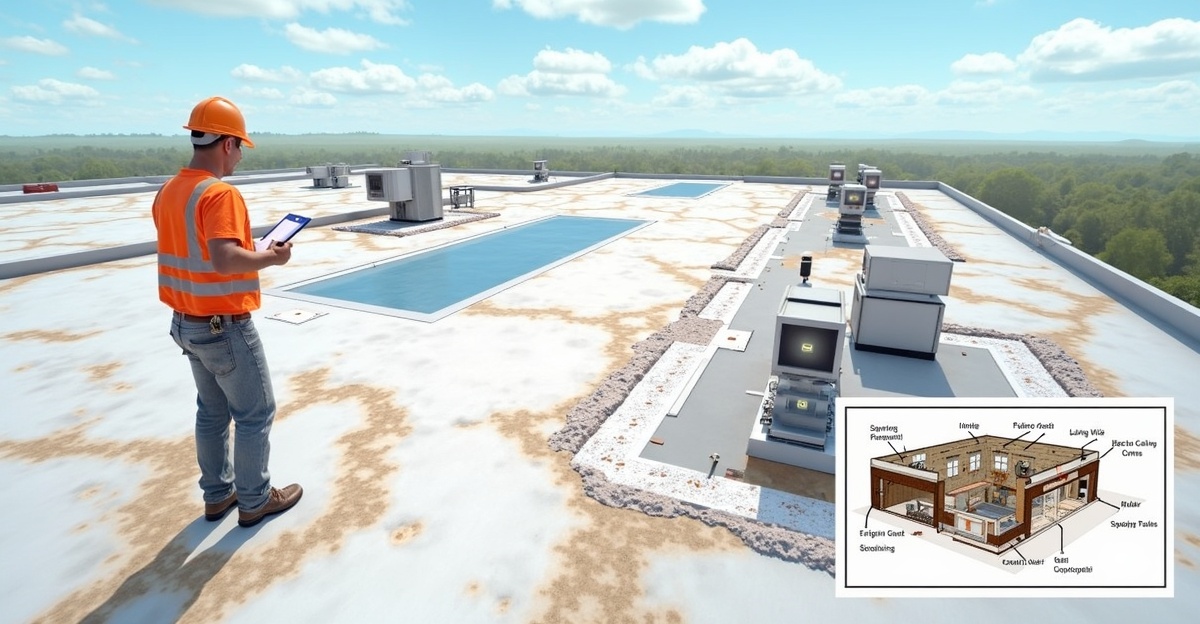
Spotting early signs of commercial roof trouble—like bubbling membranes, standing water, or rusting metal—can help you recognize signs your commercial roof needs repair or replacement before costly emergency fixes and disruptions occur. Some warning signs hide in plain sight. A sudden spike in utility bills or persistent odors may signal deeper damage that needs prompt attention.
Key Takeaways
- Look for visible issues like standing water, blistered membranes, damaged flashing, or separated seams.
- Signs inside the building—such as ceiling stains, musty air, or changing humidity—often point to leaks or failing insulation.
- Overlooked damage can quietly raise energy costs, degrade air quality, and lower building performance.
- Different roofing styles show different wear patterns. Knowing what’s installed helps spot problems quickly.
- Schedule inspections twice a year and after major storms. Doing so can double the roof’s service life and prevent expensive repairs.
What You Can See: Visible Red Flags That Warrant an Inspection
Spotting early signs that your commercial roof needs attention can help you avoid costly headaches later. If you can see it from the ground or the top floor of your building, your roof definitely needs a look.
Some visual problems scream for inspection:
- Bubbling or blistering membranes on TPO or EPDM systems
- Standing water that lingers longer than 48 hours — which the National Roofing Contractors Association (NRCA) identifies as a sign of drainage failure in low-slope systems — means drainage issues
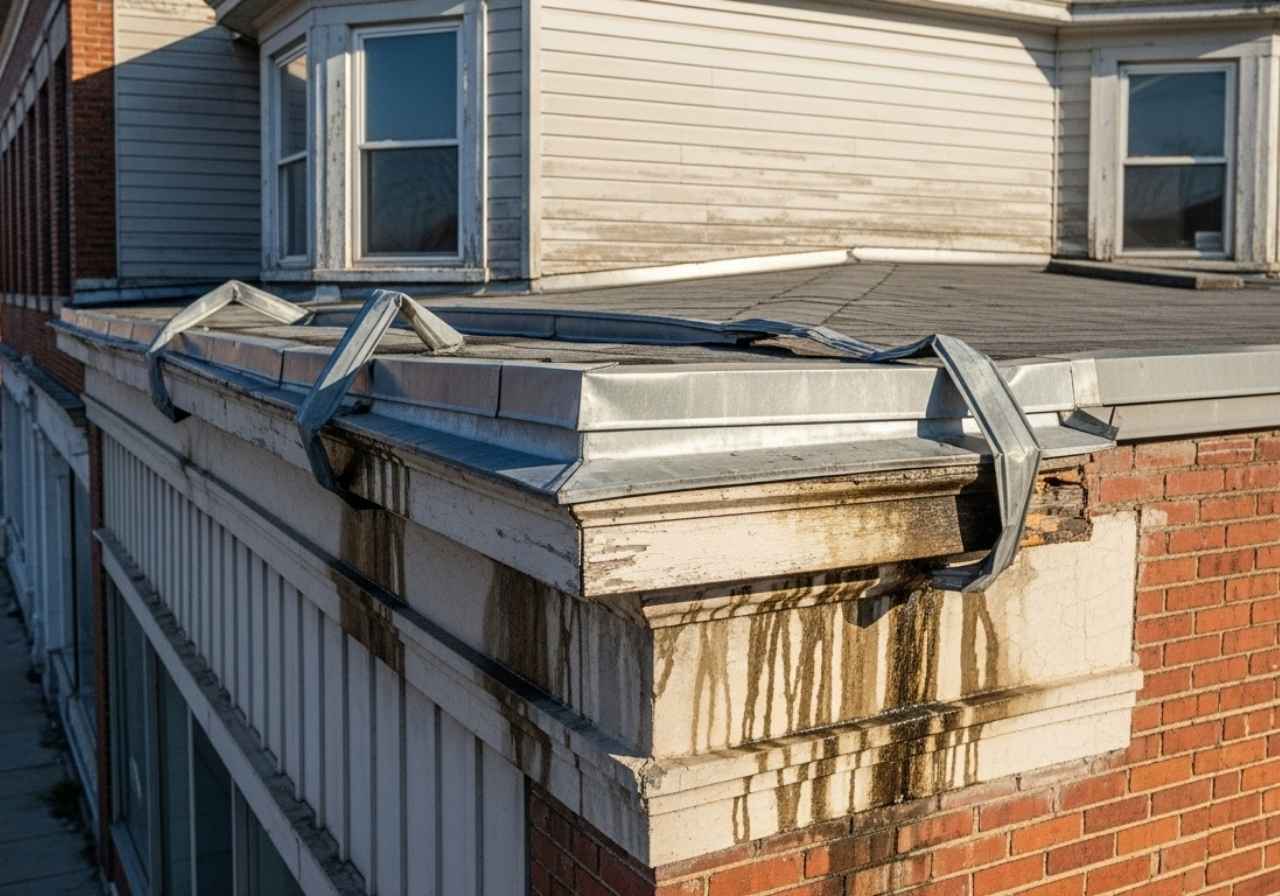
- Torn or loose flashing, especially around vents and perimeter edges
- Seams starting to pull apart or membrane weld points lifting
- Peeling or worn-down roof coatings that no longer protect the surface are clear roof coating warning signs that your system’s protective barrier is failing
- Rust streaks on metal panels or visible corrosion at fastener points
- Cracked or broken coping caps along the parapet walls
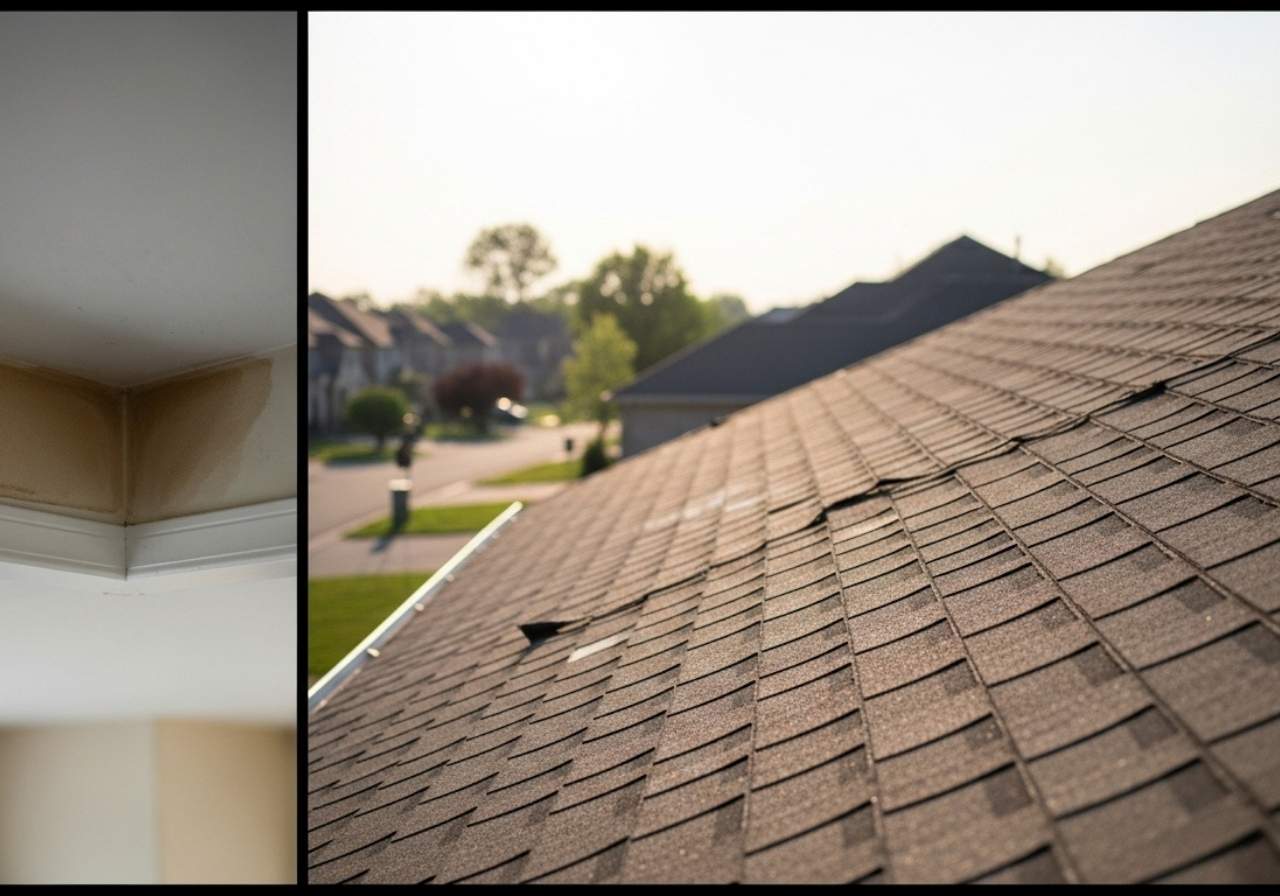
Inside the building, check for stains or mold patches on ceilings and around HVAC penetration points. These often trace back to roof leaks. Debris piled near drainage areas or ponding water means your drainage system isn’t doing its job, often causing backup under the membrane.
These are clear commercial roof maintenance signs, and they often pop up before there’s structural damage or business interruptions. Ignoring early symptoms can trigger far bigger issues down the road and may become clear signs you need a new commercial roof rather than a simple repair.
If you’re noticing these or similar signs of commercial roof failure, it’s time to call in a pro for a closer inspection.
What You Might Not Notice: Subtle Indicators of Underlying Problems
Not every roofing issue shows up as a puddle or crack. Some of the most expensive damage is quietly building out of sight, often showing up as that many property owners overlook. Don’t wait until the ceiling caves in.
Behavioral and Environmental Clues
- A sudden jump in electricity or gas bills might mean degraded insulation or heat-absorbing roof membranes.
- Employees or tenants complain about musty smells, stuffy air, or cold drafts—this often points to hidden moisture or air leaks.
- Rooms feel too hot or too cold compared to thermostat settings, especially near top floors. That’s often insulation loss tied to roofing failures.
- Humidity problems, especially near drop ceilings, signal potential moisture buildup.
Over time, trapped moisture compromises drywall and promotes mold growth, as the U.S. Environmental Protection Agency explains in its indoor air quality guidance, creating an unhealthy work environment. A roof doesn’t have to be actively leaking to be failing.
Why It Matters for ROI
These hidden problems drive up energy costs and strain HVAC systems. They reduce building efficiency and increase property maintenance budgets. Worse, unchecked issues can quietly damage the structure itself, multiplying repair costs.
These are all reasons we stress learning how to extend commercial roof life through preventative inspections and low-cost corrections before problems spiral.
Consequences of Ignoring Small Problems
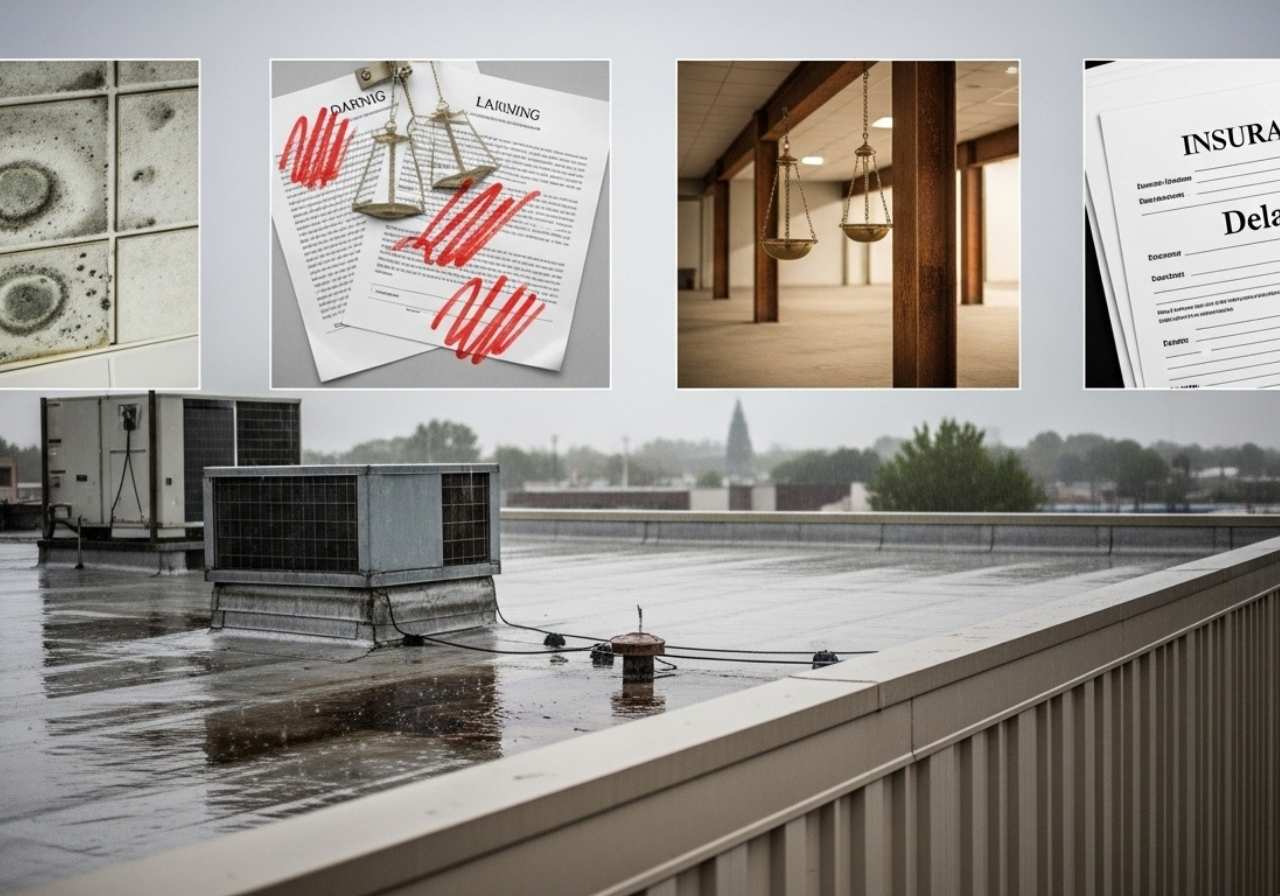
It’s tempting to delay a repair when the issue feels minor. But here’s the truth: Delaying action today can multiply your headaches tomorrow.
Postponed roof maintenance puts your property at risk for:
- Long-term structural damage like wood rot or steel weakness
- Emergency repairs that can cost significantly more than proactive fixes, a trend widely documented in facilities lifecycle cost studies on deferred maintenance
- Safety violations that open the door to liability and legal trouble
- Mold issues that generate health complaints from building occupants
- Voided warranties when inspections or documented upkeep are missing
- Surprise documentation delays when selling a property or processing insurance claims
If you’re managing tenants or public spaces, even a small water leak can force temporary relocation. That slows down operations, costs money, and hurts your reputation.
Understanding common commercial roof problems and solutions helps you avoid reactive spending. A few hours of maintenance can save thousands in emergency calls and repair costs.
Common Issues in Different Commercial Roofing Systems
Knowing your roof type makes it easier to watch for the right warning signs. Here’s a quick breakdown of what typically goes wrong by system type:
Single-Ply Roofs (TPO and EPDM)
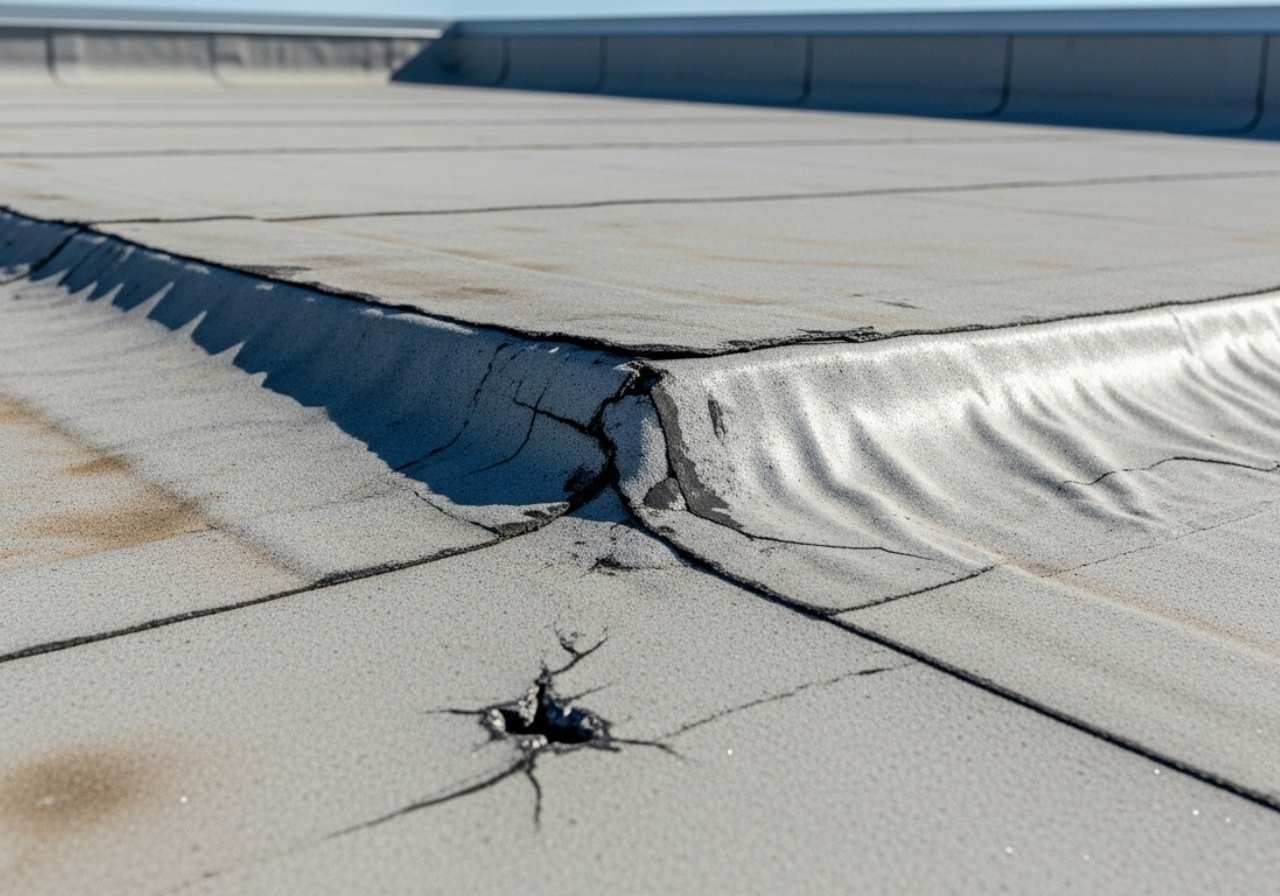
- Weld seam failures — where hot-air seams start separating
- UV degradation — surface dries out, cracks, or fades
- Membrane punctures — holes from dropped tools or foot traffic
These systems should be smooth and tight. If you’re spotting bubbles or ripple lines, that’s possibly membrane pullback—where exposure causes the material to shrink away from edges or penetrations.
Built-Up Roofs (BUR)
- Blisters from trapped air or moisture under the layers
- Loose or displaced gravel protecting the top coat
- Cracks and shrinkage in the asphalt layers or at seams
Watch drainage scuppers—these are cutouts in the parapet walls that let water exit the roof. If they’re clogged or stained, water’s probably pooling, increasing load and leak risk.
Metal Roofing Systems
- Surface rust and corrosion, often near fasteners or seams
- Loose or missing fasteners causing wind uplift
- Banged-up panels from hail or foot impact
Metal roofs expand and contract naturally. Over time, this movement can loosen fastening points and cause panels to rattle or lift. If you hear strange noises during wind events, don’t ignore them.
We service all commercial roofing types—from retail centers to healthcare facilities to multi-family complexes—and know what kind of failure patterns each system hides. If you’re unsure which system you have, schedule an inspection through our commercial roofing services page.
When and How to Prioritize Maintenance
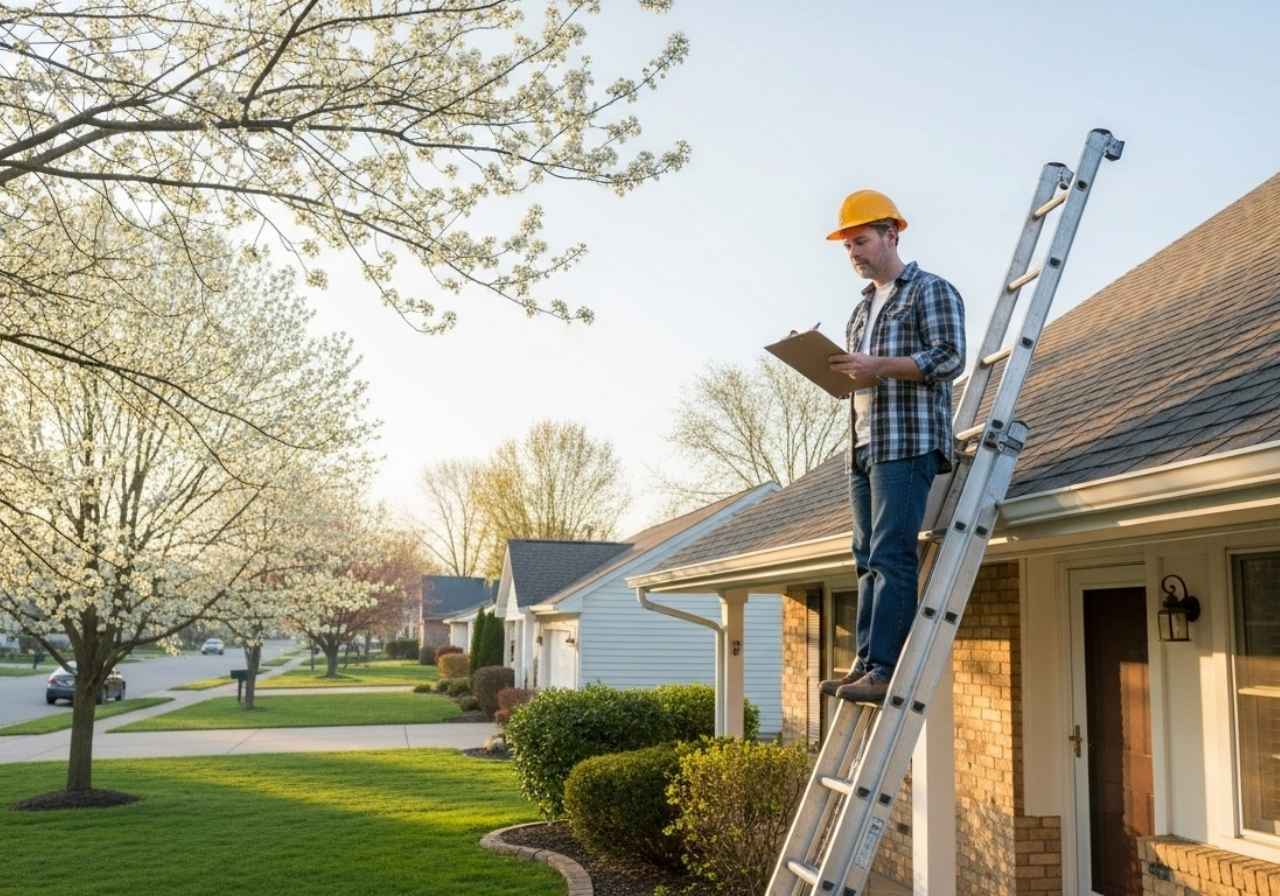
You shouldn’t wait for leaks to call a roofer. A simple routine goes a long way in protecting your roof.
We recommend a consistent schedule:
- Twice per year inspections—once in spring, once in fall
- After any major weather event (hail, heavy wind, hurricanes)
- Anytime interior issues point back to roofing trouble
Staying proactive gives you options. Studies show that preventative commercial roof maintenance can extend a roof’s useful life by 30–50%. That’s a major cost avoidance compared to full replacements.
Even if nothing appears wrong, scheduled inspections help you stay ahead of silent failures. The best approach includes visual checklists, photo records, and active monitoring of changes. For starters, refer to our commercial roof maintenance checklist to see what to look for seasonally.
Need a more structured approach? Explore our guide on building a roof maintenance plan for businesses to build documentation and extend system lifetime, reduce tenant complaints, and avoid unplanned expenses.
Get Peace of Mind With a Professional Assessment
Whether you manage one building or twenty, keeping your roofs leak-free is serious work. It pays to have experts keeping an eye on things.
A roof assessment from RayPro includes:
- Full photo documentation of current conditions
- Material and membrane evaluations for aging or damage
- Drainage and scupper inspection to check water movement
- Flashing, seam, and coping integrity testing
- Noted code issues or risk exposures tied to occupancy type
We know regional risks—from hail to heat waves—and can identify where your roof’s weak points may be hiding. Our team works with facility managers, property owners, and investment groups who demand minimal disruption and long-term ROI.
Get expert insight before issues escalate—schedule a qualified roof assessment with RayPro.
Need resources for your team? Check out our breakdown of roof inspection apps and tools for managers to support more effective decision-making.
Peace of mind starts with understanding what shape your roof is in—let’s get that clarity before the leaks show up.
Frequently Asked Questions
The most common commercial roof maintenance signs include standing water, bubbling membranes, loose flashing, and visible seam separation. Inside the building, ceiling stains, mold odors, or fluctuating indoor temperatures are also warning signals. These issues often indicate drainage problems, moisture intrusion, or insulation failure that should be inspected before they worsen.
A commercial roof leak is serious if it causes recurring stains, mold growth, or affects multiple areas of the building. Even small leaks can signal larger membrane or flashing failures beneath the surface. Any ongoing moisture issue should be treated as urgent, since hidden water damage can quickly escalate repair costs.
Yes, rising energy bills are a subtle commercial roof maintenance sign. Damaged roofing systems often allow heat transfer due to wet insulation or air leaks. This forces HVAC systems to work harder to maintain indoor temperatures, increasing utility costs even when no visible roof damage is present.
Commercial roofs should be inspected at least twice a year—typically in spring and fall—and after major weather events. Regular inspections help catch early maintenance signs like seam wear or drainage issues. Consistent monitoring can significantly extend roof lifespan and reduce the risk of emergency repairs.
Ignoring minor commercial roof damage is risky because small issues often lead to major structural problems. Minor defects like loose flashing or small punctures can allow moisture intrusion, resulting in insulation damage, mold growth, or deck deterioration. Addressing early maintenance signs is far more cost-effective than delaying repairs.