

The Benefits of Smart Home Renovations
Smart home renovation ideas focus on integrated systems like roof monitoring, energy management, smart HVAC, and building automation that improve building performance at a structural level. We implement these upgrades to lower utility costs, prevent damage, increase operational control, and strengthen long-term property value for both residential and commercial properties.
Key Takeaways
- Smart renovations prioritize structural intelligence such as moisture sensors, leak detection, and energy management systems that reduce risk and operating costs.
- Integrated HVAC, lighting, and automation systems improve comfort, extend equipment life, and cut unnecessary energy use.
- Commercial properties benefit from measurable ROI through lower utilities, fewer emergency repairs, better compliance reporting, and higher tenant retention.
- Proper planning is critical, including evaluating electrical capacity, HVAC loads, roofing compatibility, and cybersecurity protections.
- Phasing high-impact upgrades first—like roof monitoring and HVAC optimization—delivers immediate protection while allowing scalable future expansion.
Smart Renovations That Deliver Real Results: Lower Costs, Safer Buildings, Higher Property Value
Smart home renovation ideas focus on integrated systems that improve how a building performs. They go far beyond gadgets or plug-in devices.
We’re talking about upgrades built into the structure—roof monitoring, energy management systems, smart HVAC systems, and building automation platforms. These improvements create measurable outcomes: lower utility costs, stronger protection against damage, better operational control, and higher property value smart upgrades that buyers and tenants recognize.
The core benefits are practical:
- Energy savings through automated climate control and usage monitoring.
- Damage prevention with leak detection systems and smart roofing technology.
- Operational efficiency with building automation systems for commercial properties.
- Increased resale value through future-proof home improvements that buyers expect.
Flashy tech ages quickly. Structural intelligence lasts. The goal is durability, efficiency, and performance that holds up over decades—not features that feel outdated in five years.
High-Impact Smart Home Upgrades That Improve Efficiency and Reduce Risk
Modern smart home upgrades should protect the building first and automate second. When we plan projects through our general contracting services, we focus on systems that reduce risk and operating costs immediately.
Structural and Energy Intelligence Systems
Smart roofing technology is one of the most overlooked upgrades. Moisture sensors, drainage monitoring, and thermal tracking allow early leak detection. Small issues get flagged before they become structural failures. That reduces emergency repairs and helps document maintenance for insurance and warranty protection.
Energy management systems provide real-time usage tracking. For commercial smart building upgrades, that means identifying peak load waste, balancing demand, and correcting inefficiencies. For homeowners, it shows exactly where energy dollars are going.
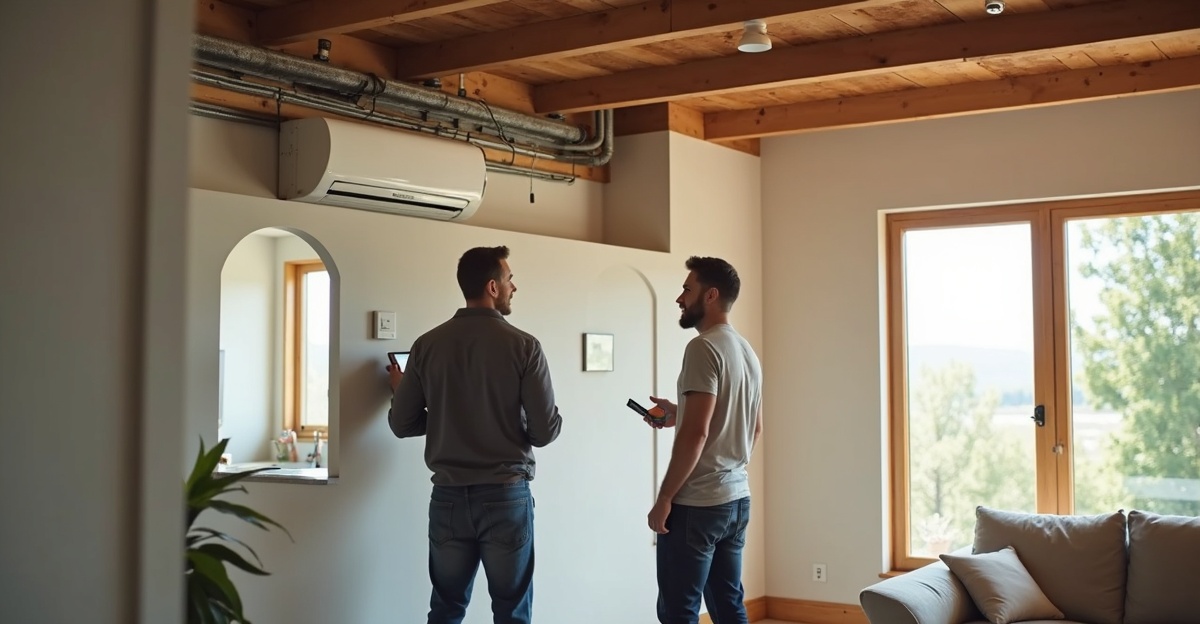
Smart HVAC systems improve comfort while protecting equipment. Zoned climate control eliminates hot and cold spots. Automated efficiency adjustments reduce runtime strain. Over time, that extends equipment life and lowers replacement costs. Our HVAC services regularly incorporate these smart integrations during retrofits.
Smart lighting systems add another layer of savings. Occupancy sensors and programmed schedules cut unnecessary usage in both residential and commercial spaces. Energy-efficient home renovations often start here because lighting is a fast return improvement.
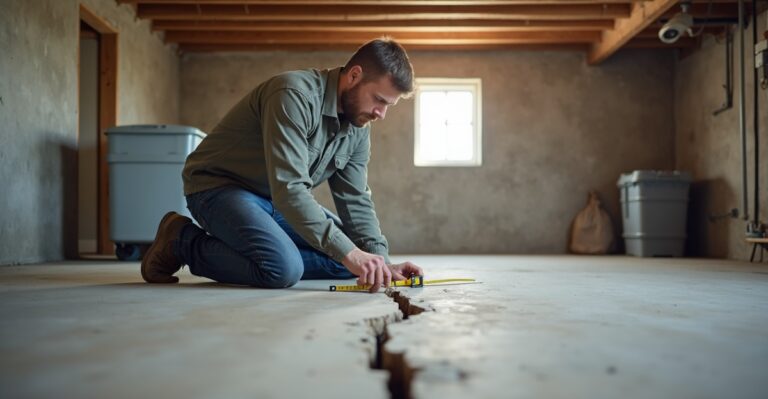
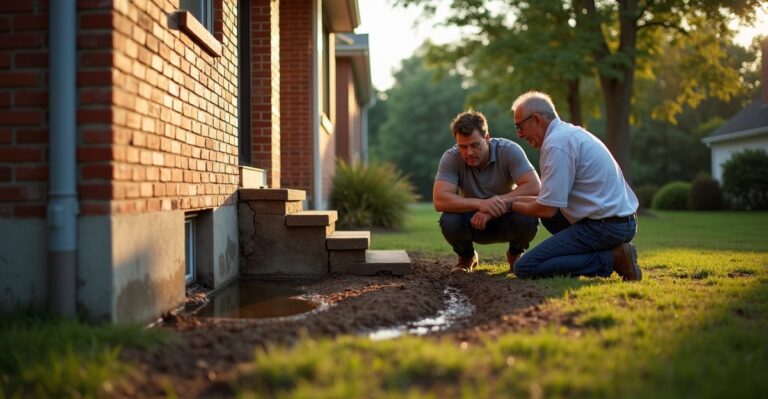
Leak detection systems belong in kitchens, mechanical rooms, restrooms, and near roofing tie-ins. Immediate alerts prevent hidden water damage that can lead to mold, framing deterioration, and costly remediation.
Finally, smart security systems integrate access control, surveillance, and notifications. For homes, this adds peace of mind. For commercial properties, access control systems create accountability and controlled entry points.
Residential Benefits: Comfort, Safety, and Long-Term Savings for Your Family
Smart home upgrades give homeowners peace of mind first and savings second.
Leak detection systems stop a small plumbing issue from turning into a five-figure repair. Integrated smart security systems keep families safer. These upgrades work quietly in the background.
Energy-efficient home renovations also lower monthly bills. Smart HVAC systems maintain consistent temperatures without constant manual adjustment. Automated lighting and energy monitoring reduce waste. If we combine those with improvements like proper ventilation and insulation, savings multiply. We often recommend reviewing how proper roof ventilation saves energy as part of a broader upgrade plan.
Comfort improves immediately. Home automation systems simplify daily routines. Climate zones adjust automatically. Lights respond to occupancy. Security systems arm on schedule. The house works with us instead of requiring constant attention.
Property value smart upgrades also matter. Buyers increasingly expect integrated technology and energy awareness. Projects listed among home renovation ideas that add value regularly include smart climate control and energy improvements.
Homeowners often worry about the learning curve. Most modern systems use intuitive apps and centralized dashboards. Once installed properly, daily interaction stays simple. Maintenance primarily involves periodic software updates and scheduled equipment servicing—tasks that align with standard home care.
Integration is key. We carefully evaluate existing electrical panels, HVAC capacity, and structural conditions before recommending upgrades. Poor planning causes compatibility issues. A structured approach avoids that.
Commercial Advantages: ROI, Compliance, and Operational Efficiency
For commercial properties, commercial smart building upgrades are about measurable ROI.
Energy management systems reduce consumption across multiple units or facilities. Even small efficiency gains compound quickly in large buildings. Lower utility bills directly improve net operating income.
The ROI of smart home technology in commercial settings also shows up in reduced emergency repairs. Leak detection systems and smart HVAC alerts catch issues early. Equipment lasts longer because it’s not pushed to constant failure points.
Building automation systems centralize control of HVAC, lighting, and access systems. Facility managers gain real-time visibility. Data supports compliance reporting and performance documentation. That structure simplifies oversight across portfolios and growing assets.
Tenant satisfaction increases when buildings maintain consistent temperatures, strong security, and modern features. Competitive spaces fill faster and retain occupants longer. Smart security systems with access control improve accountability and safety in shared environments.
Implementation doesn’t have to disrupt operations. We often phase installation floor by floor or system by system. Critical areas receive priority. That keeps businesses running while improvements go in.
Smart Renovation Costs, Integration Challenges, and How to Plan Properly
Smart renovation costs vary widely. Retrofitting an older building requires more coordination than integrating systems during new construction. Existing wiring, ductwork, and network capacity affect scope.
Structural compatibility matters. Electrical panels may need upgrades before adding automation. Roofing systems must support sensors properly. Plumbing lines must be accessible for effective leak detection systems.
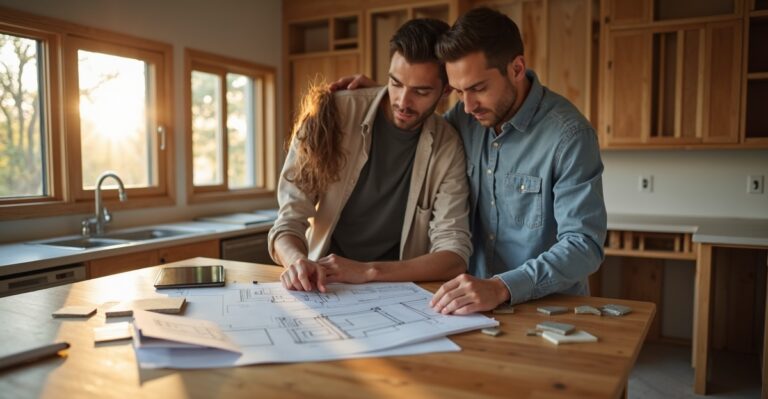
Coordination is critical. Roofing, electrical, HVAC, and IT trades must align. Our electrical services frequently work alongside HVAC and structural teams to ensure systems communicate correctly.
Phasing investment is often a smart strategy. We usually recommend prioritizing high-impact areas:
- Roof monitoring and moisture detection.
- HVAC optimization with smart controls.
- Leak detection in high-risk zones.
These changes reduce risk immediately. Additional automation can follow as budgets allow.
Future-proof home improvements require scalable platforms. Some low-cost systems lock owners into limited ecosystems. We recommend open or expandable systems that allow upgrades over time.
Cybersecurity also deserves attention. Building automation systems rely on network connectivity. Secure configurations and controlled access permissions protect operational data. Commercial properties especially need defined user access levels and monitored networks.
Every system requires maintenance. Software updates, sensor calibration, and periodic inspections keep smart infrastructure performing as intended. Without service planning, even advanced systems lose effectiveness.
Transparent evaluation protects budgets. We focus on projected savings, avoided repair costs, and lifecycle improvements before recommending any investment.
Choosing the Right Contractor for Smart Renovations That Last
Smart upgrades demand coordination, technical knowledge, and structural experience. Technology installed without construction expertise creates long-term problems.
Look for a contractor who understands roofing, HVAC, electrical systems, and structural integration. Ask for clear scopes of work. Request warranty explanations in writing. Confirm ongoing inspection and support options.
A systems-based approach matters. Roofing sensors must align with drainage design. HVAC controls must match load calculations. Electrical infrastructure must support automation safely.
Ask direct questions:
- How will installation affect ongoing operations?
- What’s the projected ROI of smart home technology for this property?
- How will maintenance and scalability be handled long term?
We approach smart renovations the same way we approach any structural improvement—clear planning, practical solutions, and long-term reliability. Whether through professional remodeling services or integrated building upgrades, we focus on performance that holds up.
A focused discussion helps clarify priorities, identify high-impact upgrades, and create a phased plan that makes financial sense. Property owners ready to evaluate smart home renovation ideas can schedule a consultation with our team to review options, risks, and projected returns.
Frequently Asked Questions
The best smart home renovation ideas for energy efficiency include installing smart HVAC systems, energy management platforms, automated lighting controls, and improved insulation or ventilation. These systems monitor energy usage and adjust automatically to reduce waste. By optimizing heating, cooling, and lighting based on occupancy and real-time demand, property owners can significantly lower utility costs while improving overall building performance.
Smart home renovation costs vary depending on the building size, system complexity, and whether upgrades are installed during remodeling or retrofitted into an existing structure. Basic improvements like smart lighting and leak detection are relatively affordable, while integrated HVAC controls or full building automation systems require larger investments. Many upgrades pay for themselves over time through reduced utility bills, fewer repairs, and improved property value.
Yes, smart home renovation ideas can provide significant benefits for older homes when properly planned. Systems such as leak detection, energy monitoring, and smart HVAC controls help improve efficiency without major structural changes. However, contractors often need to evaluate electrical panels, wiring capacity, and HVAC compatibility before installation. With proper upgrades, older homes can achieve modern energy efficiency and safety standards.
A common mistake is installing smart devices without evaluating the building’s electrical, HVAC, and network infrastructure. Poor system compatibility can cause performance issues or limit future upgrades. Another mistake is choosing closed technology platforms that restrict expansion. Successful smart home renovation ideas focus on scalable systems, proper installation, and integrating structural components like roofing, HVAC, and energy monitoring.
Smart home upgrades increase property value by improving energy efficiency, safety, and long-term building performance. Features like smart climate control, leak detection systems, and energy monitoring make properties more attractive to buyers and tenants. These improvements also reduce operating costs and demonstrate proactive maintenance, which signals a well-managed property and can justify higher resale or rental prices.