Top Roofing Trends in 2025
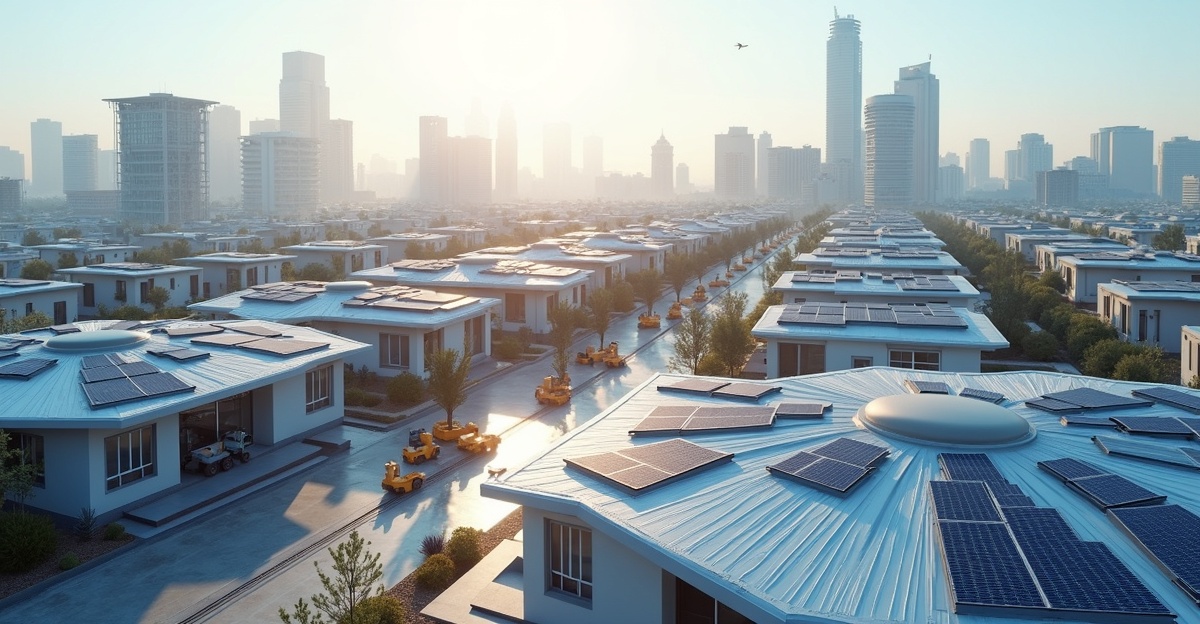
In 2025, roofing is moving ahead with smarter tech, eco-friendly materials, and quicker install methods that bring real value over time. Leak-sensing systems and climate-ready designs are leading upgrades shaped by local demands, rising utility bills, and steady labor shortages.
Key Takeaways
- Smart roofing now includes built-in sensors, motorized vents, and remote access tools that help catch leaks early and cut down on maintenance costs.
- Energy-saving materials—such as cool roofing, recycled shingles, and solar-ready panels—are now common across both homes and commercial spaces.
- Prefab and modular roofing systems speed up projects, reduce worker hours, and limit weather delays.
- Owners and builders are leaning into design-driven roofing—like architectural shingles and personalized metalwork—for both performance and style.
- Climate-ready roofing built for specific weather patterns lasts longer, lowers future repair costs, and may bring insurance discounts.
Smart Roofing Technology Is Getting Smarter—And More Useful
In 2025, smart roofing technology isn’t just for early adopters. It’s solving real problems for homeowners and building managers. These solutions now help prevent leaks, lower maintenance costs, and improve asset longevity.
We’re seeing more interest in tech like embedded moisture sensors and self-reporting membranes. On large commercial flat roofs, remote-monitoring drones catch minor issues before they cause downtime or interior damage. This early detection can protect valuable equipment and avoid emergency repairs. According to Allied Market Research’s smart roofing market forecast, the global smart roofing market is expected to hit $9.6 billion by 2030—a sign that this tech is becoming standard.
On the residential side, smart roofs are slotting into smart home systems. Automatic vent controls and solar monitoring apps help homeowners manage heat and energy in real time. Smart roofing technology is no longer about novelty; it’s about real, daily benefits.
Sustainable and Energy-Efficient Roofing Materials Are Here to Stay
Energy-efficient roofs are moving from niche to normal. In both homes and commercial buildings, sustainability now factors into almost every roofing decision.
Homeowners are drawn to solar shingles, recycled tiles, and UV-reflective coatings. These materials help reduce indoor temps and align with green living priorities. Commercial properties lean into reflective membranes, green roofs, and solar-ready flat systems, partly for LEED certification credits outlined by the U.S. Green Building Council and regulation compliance.
The U.S. Environmental Protection Agency’s cool roof guidance reports that cool roofs can lower surface temperatures by up to 50°F. That kind of change cuts cooling costs and eases wear on HVAC systems. From warm southern climates to strict northern energy codes, regional planning drives material choice. For more insight into these tech-forward solutions, check out our guide on the benefits of energy-efficient roofing.
Modular and Prefabricated Roofing Systems Speed Up Builds
Modular roofing systems are gaining popularity fast. These prefabricated assemblies simplify the build process for both commercial and residential projects. From standing seam panels to prefab asphalt kits, these systems reduce install time, labor demands, and weather delays.
For commercial developers, that means fewer jobsite surprises and better budget control. In residential projects—especially new construction and ADUs—modular kits offer strong value without sacrificing reliability. With labor shortages across the construction industry, fewer required workers make these systems even more appealing.
To learn more about the advantages metal roofing offers in these setups, see our post on standing seam metal roof benefits.
Design-Forward Roofs Reflect Changing Aesthetics
Today’s roofs need to pull their visual weight. In 2025, more homeowners and developers are choosing roofing options that blend function with style.
Architectural shingles, textured coatings, and custom metal accents are helping homes stand out. On the commercial side, roofing decisions support brand image—especially in retail, healthcare, and public buildings. Color choices are expanding too, with muted tones and matte finishes leading the way.
If you’re upgrading for curb appeal, explore the possibilities in our luxury asphalt shingles guide.
Climate-Adaptive Roofing: Built for Regional Realities
Not every roofing trend fits every ZIP code. Climate-adaptive solutions are gaining traction fast, especially in regions battling extreme heat, hurricanes, snow, or wildfire.
We’ve worked across 17 states and seen what lasts—and what doesn’t. Southern builds are gravitating toward UV-stabilized cool roofs, while northern ones need snow-rated materials with top-notch insulation. Meanwhile, wind-resistant metal performs well in coastal zones. Making the right choice cuts down long-term risk and may even get you better insurance rates.
Start with the top roofing materials for durability and value in your area and build from there.
How to Know If a Roofing Trend Is Right for You
Roofing trends come and go. The key is to separate lasting upgrades from temporary hype. Here’s how to think it through:
Ask yourself the right questions:
- Will this system lower maintenance or energy costs over decades?
- Is it compatible with my local climate and code requirements?
- Can my contractor install it with full warranties and future service plans?
- What’s the expected ROI over 15–20 years?
For example, homeowners might weigh solar shingles versus traditional shingles with standalone panels. Commercial managers might debate modular installs versus conventional TPO systems. Either way, it’s not just about what’s new—it’s about what’s right.
We’re here to help you make smart calls. Whether you’re planning a full roof replacement or upgrading for efficiency, we’ll guide you toward the most practical, cost-saving options.
Frequently Asked Questions
The biggest roofing trends in 2025 focus on smart technology, energy efficiency, and climate-specific performance. Homeowners are choosing roofs with leak-detection sensors, reflective materials that reduce cooling costs, and designs built for local weather extremes. Faster installation methods and more visually appealing roofing styles are also becoming standard rather than upgrades.
Smart roofing systems are worth the cost in 2025 for many property owners because they reduce long-term repair and maintenance expenses. Built-in sensors can detect moisture issues early, helping prevent structural damage. Over time, these systems can lower emergency repair costs, extend roof lifespan, and improve energy management when integrated with smart home or building systems.
The most energy-efficient roofing materials in 2025 include cool roofing membranes, recycled shingles, solar-ready systems, and reflective coatings. These materials help regulate indoor temperatures by reflecting heat and reducing thermal transfer. Lower energy usage means reduced cooling costs and less strain on HVAC systems, making them popular in both residential and commercial buildings.
Climate plays a major role in roofing choices in 2025, as materials are increasingly selected based on regional weather risks. Hot climates favor UV-resistant and reflective roofs, while cold regions require snow-rated systems with strong insulation. Coastal and storm-prone areas benefit from wind-resistant materials that reduce damage and insurance claims.
Modular and prefabricated roofs are often better than traditional installs in 2025 because they reduce labor time, minimize weather delays, and improve build consistency. These systems arrive partially assembled, allowing faster installation with fewer workers. While not ideal for every structure, they are especially effective for new construction and large-scale projects.