What Is a Design-Build Contractor?
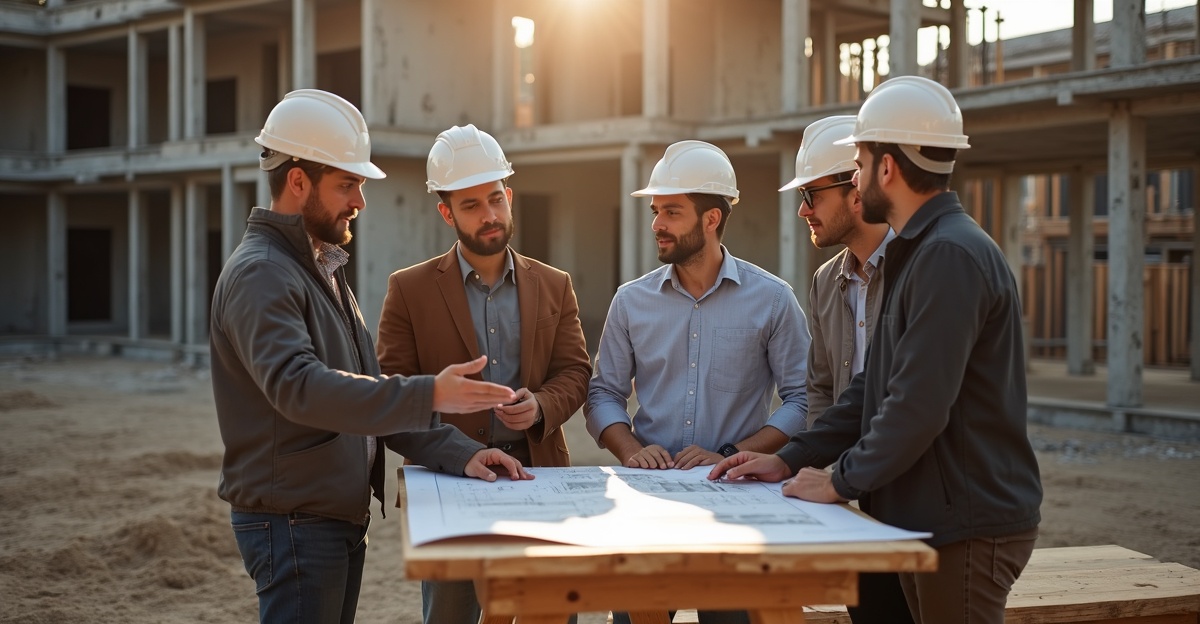
A design-build contractor is a single company that handles both design and construction under one contract. We guide projects with this integrated approach, which means clients work with one accountable team from concept through completion. Instead of coordinating separate architects and builders, we operate as a unified group that improves coordination, aligns budget and scope early, and keeps communication and timelines on track.
Key Takeaways
- A design-build contractor manages design, permits, engineering, materials, and construction under one unified contract.
- We provide one clear point of responsibility, which reduces disputes between the designer and builder.
- We develop budget and scope together during design, which improves early cost alignment and limits major revisions later.
- We overlap design and construction phases when possible, which shortens the overall project schedule.
- This model works especially well for complex commercial projects and residential renovations where clarity, speed, and accountability drive results.
How a Design-Build Contractor Puts One Team in Charge of Your Entire Project
A design-build contractor is a single company that handles both the design and construction of your project under one contract. That’s the simplest way to understand a design build contractor explained in plain terms.
Instead of hiring an architect separately and then bidding the plans out to builders, you work with one accountable team from concept to completion. This approach is often called single-source construction or integrated project delivery. In practical terms, it means one agreement and one point of responsibility.
If you’ve ever wondered what is a design-build contractor, here’s the difference: you sign one contract with one entity. That team manages the architects, engineers, permits, materials, inspections, and construction crews. If something needs to change, you don’t juggle multiple firms. You talk to one team that coordinates everything.
Responsibility flows through one channel. There’s no designer blaming the contractor for execution, and no contractor blaming the designer for incomplete plans. Communication stays tighter. Timelines move faster. Accountability is clear.
Consider a commercial example. A property owner needs a multi-site reroof across several facilities. Under a design-build model, one contract covers assessment, technical specifications, phasing by location, material procurement, and installation. We coordinate scheduling around operations and keep standards consistent across every building.
Now think residential. A family wants a home addition that ties into structural upgrades and a partial roof replacement. Design adjustments and construction decisions happen under one roof. If a framing change affects the exterior finish, the same team resolves it. That’s how design-build works in real life—clear lines, fewer gaps, and fewer surprises.
Design-Build vs. Design-Bid-Build: What’s the Real Difference?
Understanding design-build vs design-bid-build helps you choose the right path.
Design-bid-build is the traditional model. The owner hires a designer first. Plans are completed fully. Then the project goes out for competitive bidding to contractors. You typically sign two separate contracts: one with the designer and one with the builder.
Under design-build, there is one unified contract. The same company manages both design and construction.
Risk allocation is a major difference. In design-bid-build, disputes can arise over errors or scope gaps. A contractor may argue the plans were incomplete. The designer may argue the contractor misinterpreted the drawings. In design-build, responsibility stays with one entity. If there’s a coordination issue, it’s handled internally.
Cost visibility also differs. Design-bid-build offers side-by-side bid comparisons after plans are complete. That appeals to owners who want a formal hard-bid process. Design-build focuses on early cost alignment. Budget and scope are shaped together during design, which often reduces major revisions later.
Timeline is another key factor. Design-bid-build is sequential. Design must finish before bidding and construction begin. Design-build allows overlap. While design details are finalized, procurement and scheduling can move forward. That overlap can significantly shorten the project timeline.
There isn’t a single “best” method across all construction project delivery methods. Some owners prefer strong design control and formal bid comparison. Others value speed, coordination, and shared accountability. The right choice depends on your goals, project size, and internal policies.
How the Design-Build Construction Process Works from Start to Finish
The design-build construction process follows a structured path, even if it feels simpler from the outside.
1. Planning, Concept, and Cost Alignment
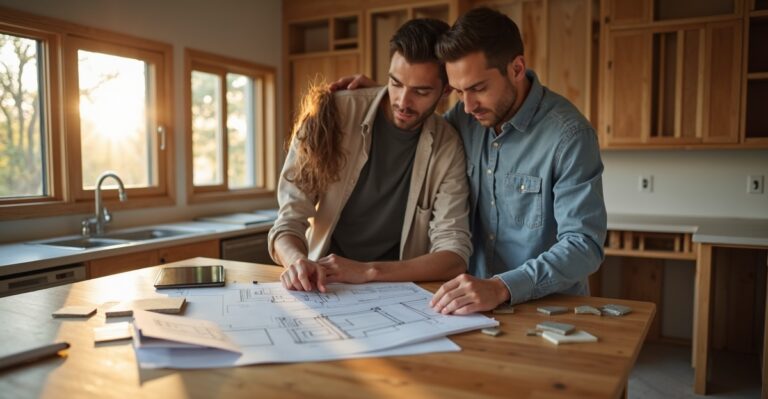
We begin with an initial consultation. Goals, budget range, operational constraints, and timeline are clearly defined. For commercial clients, that includes compliance requirements and tenant impacts. For homeowners, it means understanding how work affects daily life.
Next comes concept development. Preliminary layouts, feasibility review, and early budgeting take shape together. This is where how design-build works becomes practical. Scope and budget evolve side by side.
During the cost alignment phase, we refine scope to match budget before full construction documents are produced. If adjustments are needed, they happen on paper, not after materials are delivered.
2. Detailed Design, Construction, and Closeout
Detailed design includes drawings, structural engineering, and code compliance. We handle submittals—technical documents and product data that show materials meet project specifications. Permitting and inspections are coordinated through one channel. If you want a deeper breakdown of that process, review our guide on how to get permits for construction projects.
During construction, scheduling, procurement, and quality control are coordinated under one plan. For businesses, that often means phased work to limit operational disruption. For families, it means scheduling around daily routines whenever possible.
Final inspections and closeout include compliance verification, documentation, and warranty handoff. Communication runs through a single point of contact the entire time.
Through our general contracting services, we manage roofing, structural, and broader construction scopes in one coordinated system. That unified structure reduces conflicts and keeps decisions aligned with your original goals.
The Advantages and Disadvantages You Should Weigh Carefully
Design-build advantages and disadvantages both deserve attention.
Some of the strongest advantages include:
- Single-source accountability
- Reduced coordination conflicts between designer and builder
- Potential schedule compression through phased overlap
- Early cost visibility with budget alignment during design
- Lower risk of scope gaps between plans and installation
For commercial owners, that structure often improves capital predictability and reduces operational downtime. Long-term reliability and lifecycle cost can take priority over the lowest initial bid.
For residential clients, the biggest benefit is clarity: one point of contact, one consistent answer, less stress during major renovations or additions.
There are potential drawbacks. Competitive bid comparisons are less traditional under design-build. Success depends heavily on selecting the right firm. Some owners prefer having an independent designer separate from the builder for oversight or internal policy reasons.
Risk can be managed. Clear scopes, transparent pricing structures, and a defined change-order process protect both sides. Before signing any agreement, it helps to review guidance on how to choose the right general contractor. Fit and communication style matter as much as technical skill.
When Design-Build Makes Sense for Commercial and Residential Projects
A commercial design-build contractor often makes sense for complex or multi-location projects. Portfolios that require consistent specifications across sites benefit from centralized coordination. Tight timelines, phased tenant occupancy, and multi-state compliance demands are also strong candidates for this delivery method.
Large capital projects where lifecycle performance outweighs the lowest upfront bid also fit well within this model. Our commercial construction services are structured around coordinated planning, compliance tracking, and long-term durability.
On the residential side, a residential design-build contractor is ideal for additions, structural remodels, and full roof replacements tied to other upgrades. Homeowners typically want clarity and minimal disruption. One team managing design revisions and field decisions keeps expectations aligned. Learn more about our residential construction services if you’re planning that type of project.
Design-bid-build can still be appropriate in certain cases. If you already have fully completed architectural plans and want strict competitive bidding for policy or financial reasons, that traditional route may fit your needs.
Our job isn’t to push one method. It’s to align the delivery model with your priorities.
What to Ask Before Hiring a Design-Build Contractor
Before you commit, clarify expectations.
Ask who is responsible for design errors or scope gaps. Confirm how the budget is developed and updated during design. If a guaranteed maximum price is offered, understand that it sets a cost ceiling, provided the scope doesn’t change.
Ask how change orders are handled. Request clarity on who manages permits, inspections, and compliance reporting. Review experience with similar commercial or residential projects. Define how communication will happen and how often updates are provided.
Due diligence matters. Review past projects. Confirm licensing and insurance. Ask for references. If subcontractors are involved, understand the contractor’s process for managing them. Our guide on hiring reliable subcontractors outlines what strong oversight looks like behind the scenes.
If you’re evaluating your options, talk through your goals before committing to any delivery method. For commercial portfolio projects, connect with us to review scope, compliance requirements, and timeline strategy through our contact page. If you’re planning a renovation, addition, or roof replacement at home, we’re ready to review your plans and provide straightforward next steps.
Frequently Asked Questions
A design-build contractor manages both the design and construction phases under one contract. The same team coordinates architects, engineers, permits, materials, and construction crews from concept through completion. This unified structure improves communication, reduces conflicts between designers and builders, and helps keep the project aligned with the agreed budget, scope, and schedule.
A design-build contractor handles both the project design and construction, while a general contractor typically manages only the construction phase. In traditional projects, the owner hires an architect first and then a contractor to build the plans. With design-build, the contractor provides integrated design and construction services under one agreement, creating a single point of responsibility.
The design-build approach is not always cheaper upfront, but it can reduce overall project costs. Because the design and construction teams collaborate early, budgets are aligned during the planning stage. This coordination helps prevent costly redesigns, construction delays, and scope conflicts that often occur in traditional design-bid-build projects.
You should consider hiring a design-build contractor when a project requires strong coordination, faster timelines, or a single accountable team. This model works well for commercial construction, multi-site renovations, and residential additions where design changes and construction decisions must stay closely aligned throughout the project.
Yes, homeowners often use design-build contractors for home additions, structural remodels, and major renovations. The integrated approach allows design adjustments and construction decisions to happen within the same team. This simplifies communication, reduces delays between design and building phases, and provides one clear point of contact for the entire project.