

Home Additions That Increase Property Value
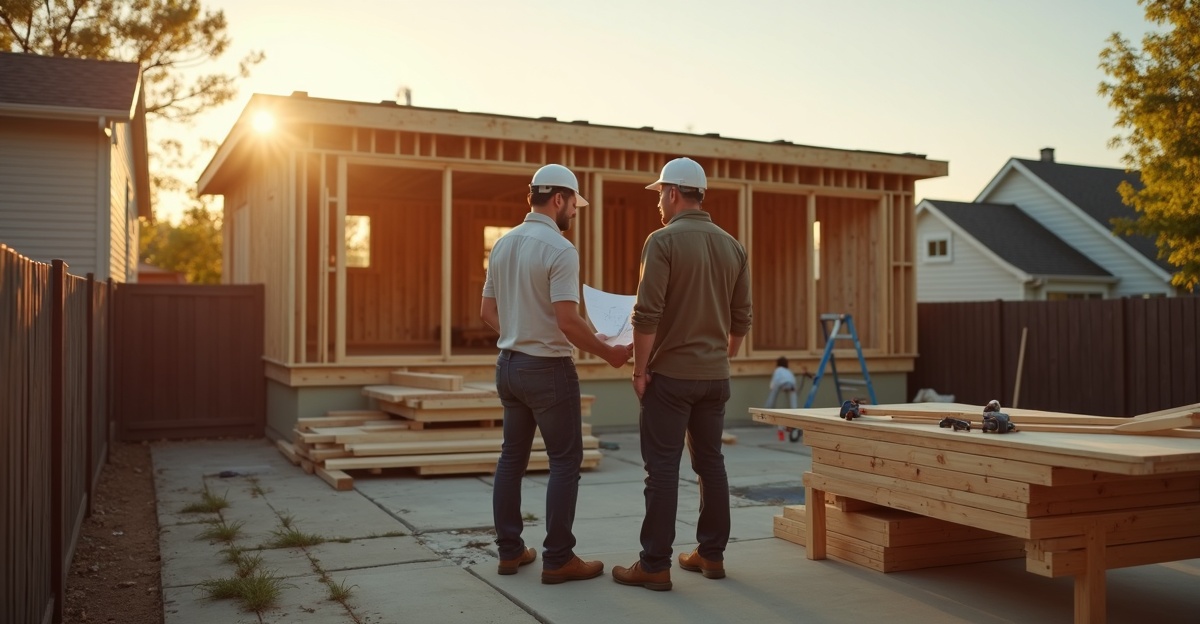
The best home additions increase property value when we expand usable square footage, improve functionality, and align the design with neighborhood comps and buyer expectations. We drive stronger returns when we plan layout quality, confirm code compliance, and improve energy performance from the start. Smart decisions about durability and long-term maintenance determine whether we build real equity or simply add expense.
Key Takeaways
- We base value on local market data, pricing ceilings, and buyer demand—not just added square footage.
- Primary suite additions, full bathrooms, and well-planned kitchen expansions often generate moderate to high ROI when we integrate them properly into the existing structure.
- Garage conversions and ADUs can increase appraised value in high-demand areas, but we must meet zoning rules, utility requirements, and permitting standards.
- Outdoor living spaces deliver strong resale appeal with less disruption when we handle roof tie-ins, footings, drainage, and code compliance correctly.
- We avoid over-improving beyond neighborhood standards, and we upgrade structural and mechanical systems as needed to prevent limited returns and expensive problems later.
What Actually Increases Property Value (And What Doesn’t)
Trends come and go. Property value is driven by measurable fundamentals.
We focus on additions that improve usable square footage, functionality, compliance, and long-term performance. Not every expansion automatically increases value. The best home additions are the ones that align with neighborhood comps, buyer expectations, and your property’s size and price ceiling.
The Remodeling Cost vs. Value Report consistently shows that ROI varies by region and year. A project that performs well in one market can underperform in another. We analyze local data before recommending any build.
A common question we hear is whether adding square footage increases home value. It can. But layout quality and buyer demand matter just as much as total size. A poorly designed 400-square-foot addition that disrupts flow may add less value than a well-planned 200-square-foot expansion that improves daily living.
Home addition cost vs value should guide every decision. We treat additions as strategic investments. Each one should balance:
- Resale appeal
- Practical function
- Code compliance
- Structural durability
- Long-term maintenance costs
Over-improving beyond neighborhood standards is one of the biggest mistakes homeowners make. If surrounding homes average 2,200 square feet, pushing yours to 4,000 may limit your buyer pool. Zoning and setback restrictions can also affect what’s legally possible. Ignoring structural constraints or roof tie-ins can add major costs later.
We approach these projects with discipline. Emotional upgrades feel good. Strategic upgrades build equity.
High-ROI Interior Additions Buyers Actively Pay For
Room Additions and Primary Suite Expansions
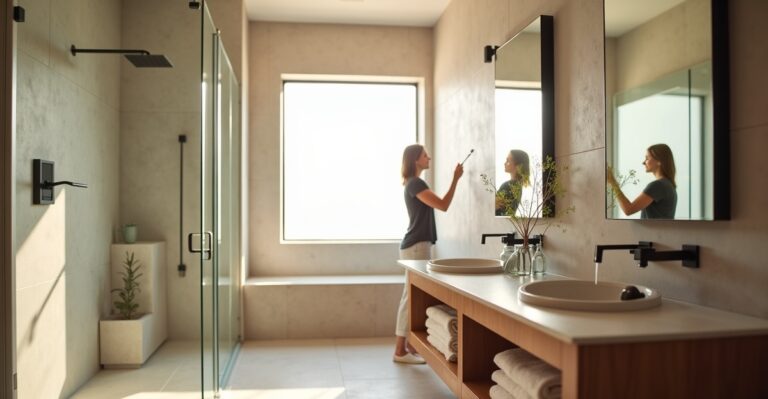
Bedroom and bathroom additions consistently rank high in buyer appeal. Extra livable square footage adds flexibility for families, guests, or multigenerational living.
The typical cost of a home addition falls in a broad national range of $80,000–$250,000+, depending on foundation work, roofline changes, and mechanical upgrades. Regional pricing varies, and high-end finishes push costs higher.
Strong value drivers include:
- Additional full bathrooms
- True primary suites with walk-in closets
- Flexible spaces like guest rooms or offices
However, risk areas must be managed:
- Foundation tie-ins must align structurally.
- Roof integration must prevent long-term leaks.
- HVAC capacity often needs upgrading.
- Plumbing extensions require careful planning.
- Insulation and envelope performance must match the existing home.
Disruption runs moderate to high. Expect multi-week to multi-month timelines. Permitting typically includes structural review, zoning setback verification, and potential variance approval.
When built correctly through experienced residential construction services, these additions enhance comfort now and resale later.
Kitchen Expansions and Code-Driven Upgrades
A kitchen remodel improves aesthetics. A kitchen expansion changes how the home lives.
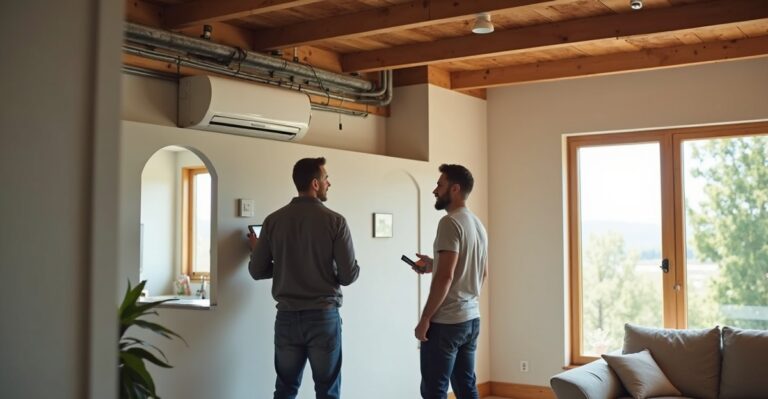
Expanding a cramped kitchen into an open, functional layout often strengthens resale positioning. Removing load-bearing walls usually requires structural beam installation. Electrical panels frequently need upgrading to meet current code. Plumbing may need rerouting to support new islands or expanded layouts.
Energy efficiency upgrades should happen at the same time. During any addition, we recommend:
- Updating insulation in newly opened walls
- Integrating roofing transitions correctly
- Upgrading windows to prevent inspection red flags
Choosing the right glazing and framing matters. We often recommend reviewing this guide on energy-efficient windows before finalizing design decisions.
When mechanical systems are expanded, coordination with licensed HVAC services and electrical services ensures performance and code compliance.
The result should feel seamless, not patched together.
Garage Conversions, ADUs, and Income-Producing Square Footage
Garage conversions can work in high-density markets where parking isn’t critical. In suburban neighborhoods where garages are expected, eliminating them can reduce value. Buyer expectations always drive success.
Conversions often require slab upgrades, additional insulation, HVAC extensions, and full permitting. Mechanical load increases must be calculated. Drainage and moisture protection also deserve careful attention.
Accessory Dwelling Units (ADUs) offer strong upside in high-demand areas. They create rental income potential and flexibility for extended family living. Zoning regulations vary significantly by municipality. Many projects require new sewer connections, utility metering, fire separation assemblies, and separate egress points.
Upfront costs are higher. So is complexity. In the right market, appraised value can increase meaningfully because income potential becomes part of the equation.
Detached or attached garage builds are simpler. They add storage, weather protection, and consistent resale appeal. ROI ranges from moderate to high depending on region and climate.
Disruption level for these projects ranges from moderate to high, particularly when new plumbing and electrical systems are introduced. Coordination with plumbing services and utility providers becomes part of the strategy.
These additions should solve space problems while improving long-term income or resale strength.
Outdoor Living Spaces That Improve Resale Appeal
Outdoor living improvements often deliver strong buyer interest at lower cost than full interior additions. Covered patios, decks, and outdoor kitchens perform especially well in temperate climates and suburban markets.
Costs vary widely. Decks and patios often fall in the mid-five-figure to lower six-figure range depending on materials, structural requirements, and roofing tie-ins.
Structural integrity matters here too. We focus on:
- Proper roof integration to prevent water intrusion
- Adequate footings and load calculations
- Guardrail and stair code compliance
- Permits for covered structures
Relative ROI potential is frequently moderate to high when aligned with local demand. Indoor disruption is significantly lower than interior expansions, which makes these projects appealing for occupied homes.
Expanding your living area outside can support overall property value when planned correctly. Guidance from resources like outdoor renovation ideas helps frame the right approach. For homeowners considering larger exterior upgrades, strategic planning around amenities such as pools should follow similar cost-conscious principles.
Outdoor additions should complement the house architecturally. They should look original, not added later.
Commercial and Multi-Family Additions as Asset Strategies
For commercial and multi-family properties, additions function as asset appreciation strategies.
In multi-family settings, strategic upgrades may include:
- Storage unit additions
- Covered entryways
- Unit expansions
- Common area improvements
These upgrades improve tenant retention and justify rent increases. ROI is measured through occupancy stability and improved leasing performance.
Commercial projects focus on operational efficiency. Lobby upgrades, ADA compliance additions, and structural expansions support tenant quality and reduce long-term liability. Improvements that reduce energy use or lifecycle repair costs directly improve net operating income.
Cap rates and asset valuation respond to stabilized income and reduced risk. That’s where smart additions make a measurable difference.
These projects must remain compliant with ADA, fire code, structural standards, and roofing integration requirements. Phasing allows operations to continue while construction progresses. Clear planning protects both cash flow and tenant relationships.
We approach commercial improvements with the same discipline as residential builds. The goal is long-term reliability, not temporary cosmetic appeal.
Cost vs. Value Comparison and Smart Planning Before You Build
Below is a simplified comparison to guide early planning. Actual costs vary by region and scope.
- Room addition: $80,000–$250,000+ | ROI: Moderate to High | Disruption: High | Best for Residential
- Kitchen expansion: $100,000–$300,000+ | ROI: Moderate to High | Disruption: High | Best for Residential
- Garage conversion: $40,000–$120,000+ | ROI: Market dependent | Disruption: Moderate | Best for Urban Residential
- ADU construction: $120,000–$350,000+ | ROI: Market dependent to High | Disruption: High | Best for High-demand Residential
- Outdoor living addition: $25,000–$150,000+ | ROI: Moderate to High | Disruption: Low to Moderate | Best for Residential
- Multi-family common area expansion: Project-specific | ROI: Income-driven | Disruption: Phased | Best for Multi-family
Highest ROI home improvements depend on several factors:
- Neighborhood comps and pricing ceilings
- Layout quality over raw square footage
- Energy efficiency and long-term operating costs
- Financing structure and realistic appraisal projections
- Whether remodeling delivers better value than expanding
Sometimes smart home remodeling services provide stronger returns than adding square footage. We evaluate both options before recommending a path forward.
Common mistakes include chasing design trends with limited resale appeal, underestimating permitting timelines, and ignoring roof tie-ins during additions. Roofing transitions, structural reinforcement, and mechanical integration must be planned from day one.
Our process starts with a property assessment and feasibility review. We develop transparent pricing with clear scope definitions. Permitting support and code coordination follow. Defined timelines and active project management keep work on track. Our multi-state experience allows us to align builds with long-term workmanship standards.
Major additions require commitment. Before moving forward, we recommend a site evaluation and value consultation. Reach out through our project consultation page to discuss feasibility and ROI. Strategic planning now protects your equity later.
Frequently Asked Questions
The best home additions are those that improve livable space and functionality while matching neighborhood standards. Primary suite additions, extra bathrooms, and well-designed kitchen expansions typically provide strong resale appeal. Outdoor living spaces and accessory dwelling units (ADUs) can also increase value in the right markets. The key is ensuring the addition integrates well with the existing structure and complies with local building codes.
Adding square footage can increase home value, but the design and functionality of the space matter just as much as size. A poorly planned addition that disrupts layout flow may add limited resale value. Buyers typically prefer additions that improve usability, such as an extra bedroom, bathroom, or open living area that enhances everyday living and aligns with neighborhood home sizes.
Garage conversions can be among the best home additions in areas where additional living space is more valuable than parking. They often create guest suites, home offices, or rental units. However, in neighborhoods where garages are expected, removing one may reduce buyer appeal. Local zoning rules, insulation upgrades, HVAC extensions, and proper permitting are critical for maintaining property value.
The cost of the best home additions varies widely depending on size, structural work, and regional labor costs. Room additions often range from about $80,000 to $250,000 or more, while kitchen expansions can exceed $100,000. Outdoor living additions such as decks or covered patios may cost less. Accurate budgeting should include permitting, structural integration, mechanical upgrades, and finishing materials.
Building an accessory dwelling unit (ADU) can be one of the best home additions in high-demand housing markets. ADUs add livable square footage and create potential rental income, which can increase appraised value. However, zoning regulations, utility connections, and permitting requirements vary by location. A properly planned ADU must meet local building codes and include separate access, safety features, and adequate utilities.