How to Choose the Best Pool Design
Choosing the best pool design ideas starts with defining how we plan to use the pool and evaluating our property’s structural setup, drainage patterns, and compliance requirements before we focus on aesthetics. Once we align purpose, site conditions, budget, and long-term operating costs, we select a pool design that delivers performance, safety, and measurable return on investment.
Key Takeaways
- Start with a clear goal for how we’ll use the pool, whether for family recreation, fitness training, tenant appeal, or hospitality branding.
- Match inground pool design options to our property type, site limitations, soil conditions, and access constraints.
- Budget beyond the initial pool construction cost by planning for equipment quality, energy efficiency, and 10–15 years of maintenance.
- Address drainage, roof runoff, grading, and structural engineering early to prevent long-term damage and costly repairs.
- Confirm safety, ADA compliance, permitting, and trade coordination before we finalize the design to protect schedule, liability, and investment.
Start with Your End Goal: What the Pool Needs to Do for You
Every successful pool project starts with clarity. The best pool design ideas only work if they support how we actually plan to use the space.
We define the purpose before reviewing any inspiration photos. Is the pool for family recreation? Fitness? Entertaining? Increasing resale value? For commercial properties, is it meant to attract tenants, elevate branding, or improve guest experience?
For homeowners, pool design ideas for homes usually center on comfort and safety. We look at family needs, energy efficiency, supervision lines, and whether a small backyard calls for compact layouts or if there’s space for resort-style luxury pool ideas. A young family often prioritizes shallow play areas and secure fencing. Empty nesters may want a sleek lap pool or a modern pool design with low maintenance.
Commercial decision-makers approach this differently. Multi-family pool design must prioritize durability, liability reduction, and ADA pool accessibility requirements outlined by the U.S. Department of Justice. Hospitality properties focus on atmosphere and premium aesthetics. Schools and institutional facilities must meet strict safety codes and accessibility requirements.
Usage volume also matters. A private pool used on weekends has different material and equipment demands than a high-traffic commercial installation. Heavy use calls for stronger finishes, larger filtration systems, and commercial-grade plumbing and electrical infrastructure.
Connection to surrounding features is just as important. We evaluate how inground pool design options align with roof lines, shade structures, outdoor kitchens, decks, and stormwater systems. A pool can’t be treated as an isolated feature. It must integrate into the full exterior plan for performance and long-term reliability.
Evaluate Pool Design Options Based on Property Type
Inground pool design options vary widely, and each comes with trade-offs. We match the design to the property—not the other way around.
Lap pools are ideal for fitness-focused homeowners. They have a longer footprint with reduced surface area, which can improve heating efficiency. Infinity or vanishing edge pools create dramatic visual appeal. They require advanced structural support and precise drainage engineering. Slopes and elevations must be carefully managed.
Plunge pools and small backyard pool ideas work well in tight spaces. They reduce upfront pool construction cost but limit capacity for large gatherings. Resort-style or luxury pool ideas often include tanning ledges, water features, and integrated lighting. These features raise both build and maintenance requirements.
For residential properties, privacy and safety drive design. We consider fence placement, child access control, and sight lines from the house. If upgrading an existing installation, reviewing pool renovation ideas that add value helps frame improvements within long-term equity goals. Whether the project is new or an upgrade, we approach it as part of a broader residential construction project so grading, drainage, and utility work align from day one.
Commercial properties raise the bar. Multi-family pool design must withstand constant use. Finishes need durability. Mechanical systems must handle heavy turnover. Hospitality pools lean heavily on visual impact but still need maintenance efficiency behind the scenes. Schools and institutional facilities must meet strict ADA compliant pool design regulations and safety mandates.
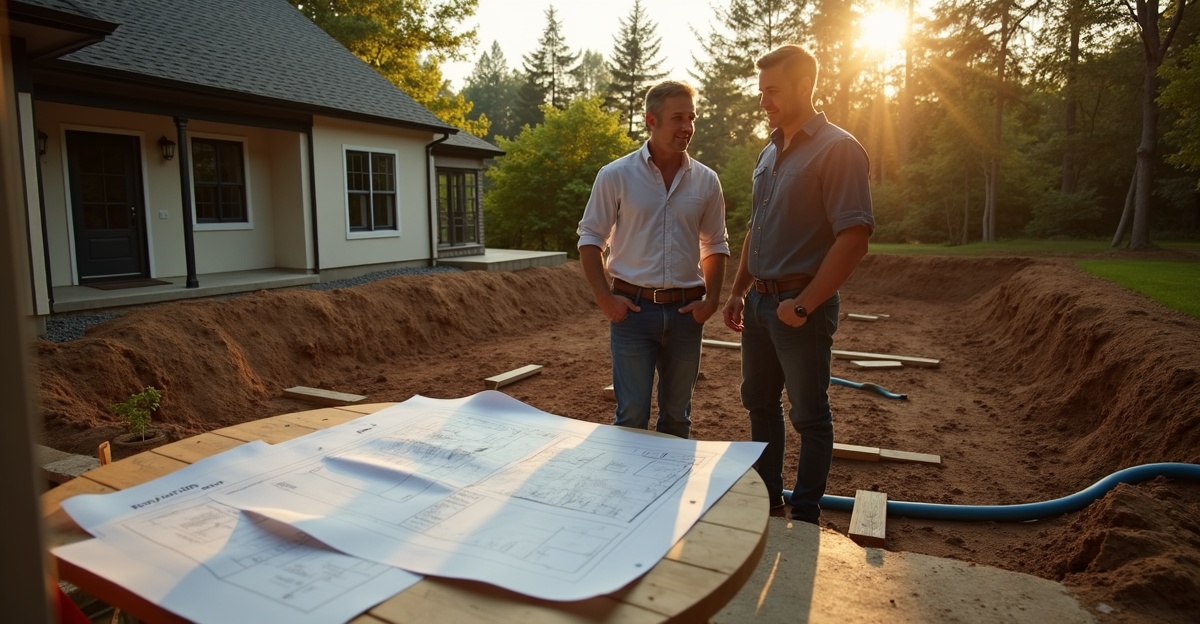
Site limitations often shape the final layout more than inspiration images do. Soil conditions, access for excavation equipment, grading issues, and setback requirements can narrow options quickly. Structural realities should guide the creative direction.
Budget vs. Long-Term ROI: What the Pool Will Really Cost You
Pool construction cost goes beyond excavation and the shell. A realistic plan includes engineering, permits, drainage infrastructure, decking, and full mechanical systems.
Equipment quality matters. Heaters, pumps, and filtration systems vary widely in efficiency and durability. Coordinated plumbing services and electrical services are essential for safety and long-term reliability. Skipping quality installation now increases repair risk later.
Ongoing pool maintenance costs also deserve attention. We plan for cleaning, chemicals, resurfacing cycles, and eventual equipment replacement. Energy use is a major variable. Variable-speed pumps, efficient heaters, and automation systems reduce lifetime operating expenses, as documented by the U.S. Department of Energy’s guidance on pool pump efficiency.
Residential ROI of a pool installation depends on region and buyer expectations. In some markets, a well-designed pool improves resale value and buyer appeal. In others, it delivers lifestyle benefits more than direct financial return. Reviewing the pros and cons of pool construction helps set realistic expectations.
Commercial ROI works differently. A strong pool amenity can increase rental premiums, boost occupancy, and strengthen tenant retention. Hospitality properties may see higher booking rates with compelling commercial pool design ideas. Still, no design guarantees returns. Market demand, maintenance standards, and property management all influence results.
Smart budgeting means planning for 10–15 years, not just opening day.
Structural, Drainage, and Site Constraints You Can’t Ignore
Drainage is critical. Deck slope, overflow control, and integration with stormwater management systems protect both the pool and adjacent structures. Poor drainage leads to water intrusion and premature deterioration.
Soil conditions influence structural integrity. Improper compaction increases cracking risk over time. Elevation changes require reinforced engineering, especially for infinity edges or tiered modern pool designs.
We also coordinate with roofing runoff and gutter discharge systems. Redirecting water away from the pool and deck protects finishes and prevents standing water. Pool decking options must balance slip resistance, durability, and heat reflection.
Logistics matter as well. Heavy equipment needs a clear access route. Limited access can affect schedule and labor requirements. Permits and inspections add another layer. Allow time for municipal reviews and possible adjustments.
Preparing the site early makes a difference. Reviewing how to prepare your property for construction helps avoid delays and unexpected damage.
Safety, Compliance, and Operational Planning
Residential pools require secure fencing, anti-entrapment drain systems required under the Virginia Graeme Baker Pool & Spa Safety Act, and proper lighting. Slip-resistant decking reduces injury risk. We align designs with local codes and insurance requirements from the start.
Commercial properties demand higher compliance standards. ADA compliant pool design may require lifts, sloped entries, or transfer systems. Depth markers, emergency access paths, and clearly defined pool rules reduce liability exposure.
Insurance carriers often require strict adherence to safety protocols. Multi-family and hospitality operators benefit from defined operational policies, regular inspections, and proactive maintenance planning.
Construction impact also needs attention. Noise, dust, and restricted access can disrupt households or tenants. Clear communication and staging protect relationships.
Long-term planning protects the investment. We schedule resurfacing cycles, anticipate equipment upgrades, and design systems for reliable operation. Compliance failures can delay opening and increase total project cost. Addressing them early protects schedule and budget.
Key Questions to Ask Before You Move Forward
Before selecting a final design, we pressure-test assumptions. A few direct questions keep the project grounded:
Critical Planning and Cost Questions
To stay in control of scope and long-term value, confirm:
- What is the full projected pool construction cost and estimated pool maintenance costs over 10–15 years?
- How will this layout affect drainage, roofing runoff, and surrounding exterior systems?
- What permits, inspections, and ADA requirements apply?
- What is the realistic timeline, including weather and inspection variables?
- How will design decisions influence energy consumption and operating efficiency?
- Who is coordinating all trades—not just installing the pool shell?
- Does the contractor have experience with both residential pool design ideas for homes and complex commercial pool design ideas?
Choosing the right partner is just as important as choosing the right layout. Reviewing guidance on how to choose the right general contractor highlights what to look for: licensing, insurance, structural expertise, and transparency about site limitations.
A pool touches grading, drainage, utilities, fencing, and hardscapes. It requires full-scope coordination under experienced general contracting services. If we’re evaluating professional pool construction services, we should expect clear budgeting, honest constraints, and structured project management.
When the time feels right, schedule a property assessment through our contact page. We review goals, site conditions, and long-term investment impact so the final design supports both vision and reality.
Frequently Asked Questions
The best pool design ideas for small backyards focus on maximizing space without sacrificing function. Plunge pools, compact lap pools, and rectangular layouts use limited square footage efficiently. Features like built-in benches, tanning ledges, and vertical landscaping add usability without expanding the footprint. Smart lighting and light-colored finishes also make smaller areas feel more open and inviting.
Choosing between a modern pool design and a resort-style pool depends on your goals and maintenance expectations. Modern pools emphasize clean lines, geometric shapes, and minimal features for easier upkeep. Resort-style designs include waterfalls, tanning shelves, and integrated spas for a luxury feel. While visually striking, resort features increase construction complexity and long-term operating costs.
Luxury pool design ideas can be worth the investment if they align with property value and usage goals. High-end materials, custom lighting, and advanced water features enhance visual appeal and user experience. However, they also increase upfront construction and ongoing maintenance expenses. The return depends on local real estate demand, energy efficiency, and how frequently the pool is used.
For long-term efficiency, prioritize variable-speed pumps, energy-efficient heaters, and high-quality filtration systems. These components reduce electricity consumption and extend equipment lifespan. Durable interior finishes and proper drainage planning also prevent premature repairs. Automation systems help manage temperature, cleaning cycles, and lighting, lowering operating costs while maintaining consistent performance.
Pool construction costs vary based on size, materials, and site conditions, but budgeting should extend beyond installation. Include permits, decking, drainage work, and mechanical systems in the initial estimate. Plan for 10–15 years of maintenance, including cleaning, chemicals, resurfacing, and equipment replacement. Factoring in energy usage and repair contingencies ensures a realistic long-term investment plan.