Pool Maintenance Tips Every Homeowner Should Know
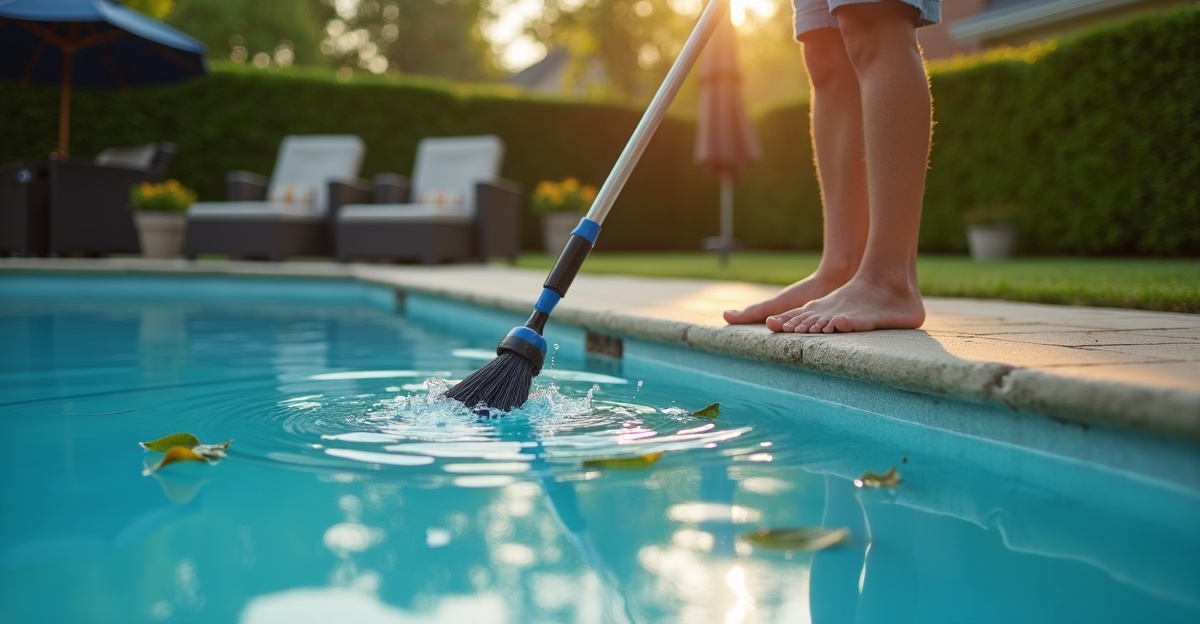
A practical pool maintenance guide helps us prevent surface damage, equipment failure, and expensive repairs through steady weekly care, balanced water chemistry, and smart seasonal prep. When we follow proven pool maintenance tips every homeowner should know, we protect our families, extend the life of our systems, and avoid the high cost of neglect.
Key Takeaways
- We handle weekly tasks like skimming, brushing, emptying baskets, and testing water to prevent stains, algae growth, and early equipment wear.
- We maintain proper chemical balance—especially pH, chlorine, and total alkalinity—to protect swimmers, surfaces, and mechanical components from corrosion and scale buildup.
- We inspect pumps, filters, heaters, and plumbing regularly to cut energy costs and catch small problems before they turn into major failures.
- We prepare for each season with proper opening, closing, and freeze protection to prevent cracked pipes, damaged finishes, and mid-season breakdowns.
- We call a professional when we notice leaks, structural cracks, cloudy water that won’t clear, or recurring equipment issues to stop larger structural or mechanical damage before it spreads.
Why Consistent Pool Maintenance Protects Your Investment
Regular maintenance keeps a pool affordable to own. Skipped care turns a manageable expense into structural repairs, equipment replacement, and higher utility bills.
We’ve seen what happens when upkeep gets delayed. Surface finishes stain and pit. Pumps burn out from strain. Filters clog and reduce circulation. Small leaks become larger structural issues. In both homes and commercial properties, pool damage prevention always costs less than major restoration.
For homeowners, a pool supports family comfort and safety. Poor water quality can irritate skin and eyes, trigger algae blooms, and create slippery surfaces. Left alone long enough, imbalance and neglect can lead to expensive resurfacing or cracked coping. Consistent pool care for homeowners protects both health and long-term value.
Commercial pool maintenance carries even higher stakes. Hotels, multi-family communities, fitness centers, and HOAs face health code requirements outlined by the CDC’s Model Aquatic Health Code and liability exposure. Failure to document water testing or maintain equipment can lead to fines, shutdowns, and legal risk. A predictable maintenance plan protects revenue and reputation.
Preventative maintenance typically costs far less than resurfacing, replacing pumps, or repairing structural cracks caused by long-term neglect. We treat ongoing care the same way we approach roof inspections and seasonal exterior checklists. Asset protection requires attention before problems become visible.
For a broader view of exterior preservation, our guide on why regular property maintenance pays off shows how consistent care reduces long-term capital costs across the property.
A reliable pool maintenance guide isn’t about perfection. It’s about consistent action that prevents avoidable damage.
Your Weekly Pool Maintenance Routine (Save This Checklist)
A structured weekly pool maintenance routine keeps the system stable and prevents premature equipment failure. Most pump and filter damage we encounter starts with clogged baskets or restricted circulation.
Use this pool cleaning checklist to stay on track:
Weekly Pool Maintenance Routine
Each week, we recommend the following:
- Skim debris from the surface daily if possible.
- Empty skimmer and pump baskets at least once per week.
- Brush walls, steps, and the tile line to prevent algae and staining.
- Vacuum the pool floor using a manual or automatic system.
- Check the water level. It should sit around the midpoint of the skimmer opening.
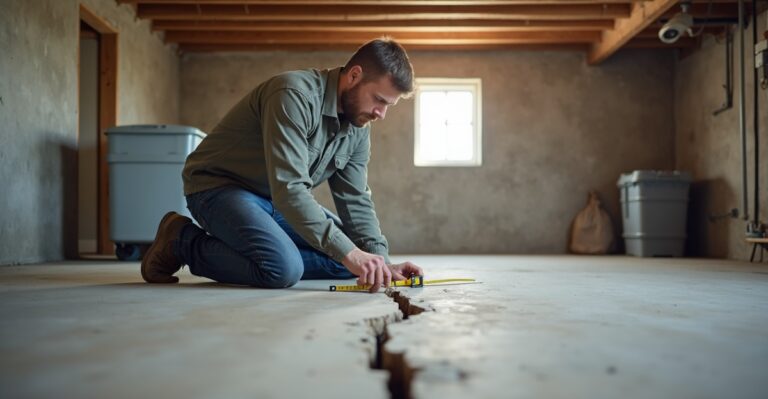
- Inspect for cracks, loose tiles, or damaged coping.
- Check the filter pressure gauge. Rising pressure often signals it’s time to clean or backwash.
- Test water chemistry 1–2 times per week, and more often during heavy use or high heat.
Learning how to maintain a pool comes down to consistency. These pool maintenance tips cover the fundamentals that protect your finish, plumbing, and equipment.
Over time, this routine becomes second nature. Ten to fifteen minutes a few times a week prevents damage that can cost thousands to repair.
Understanding Pool Chemical Balance (Without the Confusion)
Pool chemical balance keeps water safe, clear, and stable. It also protects equipment from corrosion and scaling.
We focus on three primary elements:
- pH should generally stay between 7.0 and 7.8, as recommended by the CDC’s guidelines for pool water chemistry. If pH drops too low, water becomes acidic and can corrode fixtures, heaters, and metal components. If it rises too high, scaling can form on tile and inside equipment.
- Chlorine must stay within manufacturer and local health guidelines to control bacteria and algae. Too little sanitizer allows contamination. Excess chlorine can cause irritation and strong odors.
- Total alkalinity commonly sits between 80–120 ppm depending on the system. It supports stable pH and reduces sudden swings.
Signs your pool needs repair or adjustment often show up in the water first. Watch for cloudy water, strong chlorine smell, skin or eye irritation, scaling along tile lines, or visible corrosion around ladders and fittings.
For commercial properties, chemical testing logs and compliance documentation reduce liability and protect against citations. A consistent testing schedule is essential.
Always follow manufacturer instructions when adding chemicals. Wear protective gear. Never mix chemicals directly. Add products separately and allow proper circulation time.
DIY pool maintenance vs professional service often comes down to experience. Homeowners can manage basic testing and adjustments. However, repeated chemical imbalance, persistent cloudiness, or signs of equipment corrosion signal it’s time for professional evaluation.
Pool Equipment Maintenance That Extends System Life
Pool equipment maintenance controls operating costs and extends the life of the entire system. Replacing a pump or heater costs far more than routine servicing.
Filters require cleaning or backwashing based on manufacturer guidelines and pressure readings. Cartridge filters often need rinsing every few weeks and deeper cleaning each season. Sand and DE systems require scheduled maintenance as well.
Pumps should run smoothly and quietly. Grinding or whining noises often indicate bearing wear or internal damage. Check for steady water flow and look for leaks around seals and fittings. A pump running dry or against a clogged filter can overheat and fail quickly.
Heaters demand seasonal attention. Inspect for corrosion and ensure proper startup and shutdown procedures during temperature changes. Ignoring seasonal transitions shortens heater lifespan.
Skimmers and return lines need periodic inspection. Remove blockages. Look for cracks in housings or fittings. Restricted circulation places unnecessary strain on the system.
Many signs your pool needs repair begin with small equipment changes. Lower pressure, inconsistent flow, unusual sounds, or increasing energy consumption all point to early-stage problems.
Commercial operators benefit from structured maintenance schedules. Planned servicing protects ROI and avoids mid-season shutdowns that disrupt business.
If plumbing leaks or pressure changes occur, coordinated support from qualified plumbing professionals prevents further system damage and water loss.
Seasonal Pool Maintenance: Opening, Closing, and Freeze Protection
Seasonal pool maintenance protects plumbing, finishes, and mechanical systems from temperature changes and long periods of inactivity.
Opening a pool requires careful inspection before full operation. Remove the cover safely. Check surfaces, tile, and coping for cracks or shifting. Reconnect equipment and confirm proper function before allowing regular use. Early detection prevents mid-season surprises.
Closing a pool requires chemical balancing before shutdown. Lower the water level as recommended for your pool type. Prepare plumbing lines for winter conditions. Improper winterization is one of the most common causes of cracked pipes and spring repairs.
Freeze prevention is critical in colder climates. Water expands when frozen and can crack pipes, fittings, and filters, a phenomenon explained by NOAA’s overview of water expansion during freezing. Blowing out lines and adding pool-approved antifreeze where specified protects plumbing from expansion damage.
Understanding how to maintain a pool through seasonal transitions reduces repair costs and protects structural integrity year after year.
For homeowners planning upgrades or a new installation, working with an experienced pool construction team ensures proper plumbing layout and winterization design from the start.
DIY Pool Maintenance vs Professional Service: When to Call for Help
This pool maintenance guide covers tasks most homeowners can handle with confidence. Skimming, brushing, vacuuming, basket cleaning, and basic water testing fall squarely within DIY capability.
DIY pool maintenance vs professional service becomes clear when deeper issues emerge.
Call a professional if you notice:
- Persistent cloudy water despite balanced chemicals.
- Cracks in the pool shell or surrounding decking.
- Sudden drops in water level that suggest a leak.
- Rising water bills without explanation.
- A loud, overheating, or repeatedly tripping pump.
- Recurring chemical imbalance despite consistent testing.
These are clear signs your pool needs repair. Addressing them early prevents larger structural or mechanical failures.
Commercial pool maintenance should include routine professional oversight for compliance reviews, equipment servicing, and seasonal inspections. Documentation and structured service protect both revenue and liability exposure.
We take a long-term planning approach. If maintenance challenges continue or larger property issues surface, scheduling a detailed property assessment helps identify root causes and prioritize solutions. For direct support or consultation, property owners can connect with our team through the contact page.
Consistent planning, early intervention, and steady execution keep pools operating safely and efficiently year after year.
Frequently Asked Questions
A pool maintenance guide should be followed weekly, with some tasks performed daily during heavy use. Skimming debris, checking water levels, and testing chemistry once or twice per week keeps conditions stable. Consistency prevents algae growth, clogged filters, and equipment strain, reducing the risk of costly repairs and extending the lifespan of pumps, heaters, and surfaces.
Most pool maintenance guides recommend keeping pH between 7.2 and 7.8, total alkalinity around 80–120 ppm, and chlorine within safe sanitizer levels. Balanced water prevents corrosion, scaling, and cloudy conditions. Maintaining proper chemical levels protects swimmers from irritation and helps preserve pool liners, tile, and internal components from premature wear.
Common pool care mistakes include ignoring filter pressure, skipping weekly brushing, and adding chemicals without testing first. These errors can lead to algae blooms, damaged equipment, and unstable water chemistry. Following a structured maintenance routine and recording test results helps prevent long-term damage and keeps the system operating efficiently throughout the season.
You may need professional repair if you notice unusual pump noises, water level drops, repeated cloudy water, or rising energy bills. These symptoms often indicate leaks, clogged plumbing, or failing mechanical components. Early inspection prevents more serious structural or system failures that can require expensive replacements or extended downtime.
Professional pool service is beneficial when chemical imbalances persist, equipment malfunctions occur, or seasonal closing requires winterization. DIY maintenance works well for routine cleaning and testing, but trained technicians can diagnose hidden plumbing issues and ensure regulatory compliance for commercial pools. Combining basic homeowner care with periodic professional inspections offers the most reliable long-term results.