How to Upgrade Your Backyard with a Pool
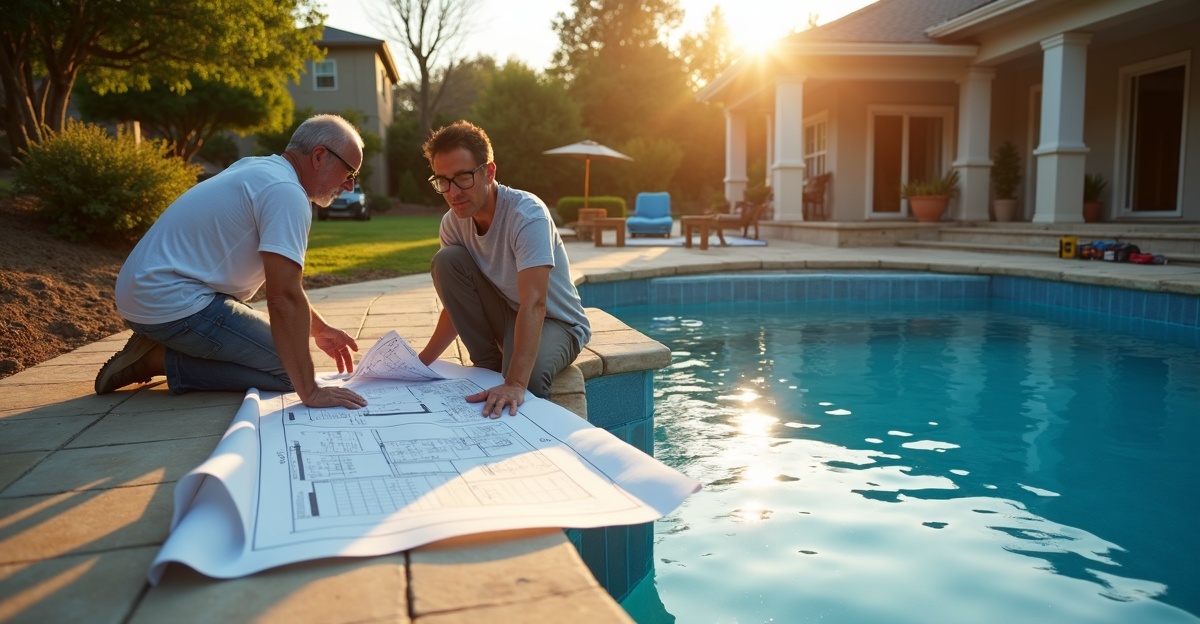
A backyard pool upgrade can range from resurfacing and new tile to a full yard transformation with structural changes, automation, and outdoor living features. We approach every upgrade with a clear plan that covers scope, budget, permits, drainage, and long-term performance instead of focusing on looks alone. Strong planning protects our investment and ensures the pool performs as well as it looks for years.
Key Takeaways
- Pool upgrades fall into four levels: cosmetic updates, functional improvements, structural modifications, and full backyard redesigns.
- Costs depend on pool size, materials, equipment upgrades, structural changes, electrical capacity, plumbing adjustments, and code compliance.
- A structured process—site evaluation, design, budgeting, permits, and phased construction—keeps the project organized and on schedule.
- Modern features like LED lighting, smart automation, energy-efficient pumps, and safety upgrades improve comfort while reducing long-term operating costs.
- Proper drainage, roofing runoff control, grading, and electrical bonding are critical to protect our home and prevent expensive future repairs.
What a Backyard Pool Upgrade Really Involves (Cosmetic Refresh vs. Full Redesign)
A backyard pool upgrade can range from a simple visual refresh to a full exterior transformation. The scope drives everything—cost, timeline, permits, and daily disruption.
We group upgrades into four levels so you understand what fits your goals.
1. Cosmetic Updates
Cosmetic updates focus on appearance. That includes resurfacing worn plaster, replacing tile, updating coping, or adding pool lighting upgrades with modern LED systems. These projects improve looks and safety without major structural work.
2. Functional Improvements
Functional upgrades target how the pool performs. We often replace outdated pumps and filters, install energy-efficient heaters, add automation systems, or convert to saltwater. These changes lower operating costs and improve reliability.
3. Structural Modifications
A pool renovation at this level may include deck replacement, layout adjustments, changing depth, or adding a raised spa or water feature. When concrete moves, engineering and inspections usually follow.
4. Full Backyard Redesign
A full redesign transforms the entire yard. This stage may include outdoor living space upgrades like kitchens, pergolas, fire features, seating walls, and integrated landscaping. Projects often connect with our residential construction services to ensure the house and yard function together as a complete system.
Some upgrades trigger code compliance updates. Pool safety upgrades such as fencing, drain covers, bonding, and updated electrical systems may be required during remodeling under the Virginia Graeme Baker Pool and Spa Safety Act requirements. If your fence no longer meets height or gate standards, it may need replacement through our fence installation services.
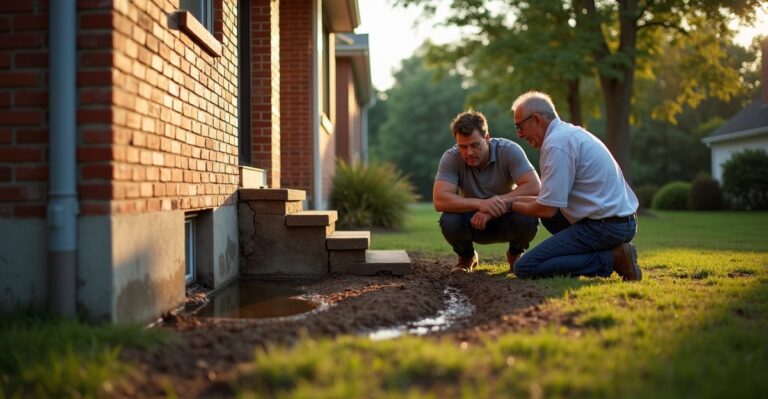
We also look beyond the pool itself. Roofing runoff can oversaturate decking. Poor drainage can affect your foundation or retaining walls. Downspouts that discharge near the pool deck may need adjustment. A true backyard pool upgrade considers roofing, siding, grading, and long-term water management.
When clients ask about pool remodeling ideas, we always begin with a site evaluation. The right approach depends on structure, utilities, soil slope, and long-term plans. A cosmetic refresh costs far less than a structural redesign, but it will not fix drainage or layout issues. Clear scope equals clear expectations.
How Much Does a Backyard Pool Upgrade Cost?
The cost to upgrade a pool depends on what is actually changing. Surface updates are very different from structural redesign.
Here are the typical cost drivers:
- Pool size and deck square footage – Larger surfaces require more material and labor.
- Material selections – Plaster costs less than pebble finishes. Standard concrete differs from natural stone pavers.
- Structural changes – Moving walls, raising spas, or adjusting depth increases engineering and labor expenses.
- Equipment upgrades – Automation systems, heaters, variable-speed pumps, and filtration systems add upfront cost but reduce long-term energy use.
- Electrical panel capacity – Some homes require panel upgrades through our electrical services before adding heaters or automation.
- Plumbing adjustments – Replacing underground lines or rerouting drains may involve our plumbing services.
- Site access and drainage corrections – Tight yards or grading issues increase labor time.
- Code compliance updates – Modern safety standards may require new drains, bonding improvements, or fencing upgrades.
Resurfacing and tile replacement sit at the lower pricing tier. Structural layout changes and outdoor living expansion move into a higher investment range. A complete backyard transformation becomes a larger capital project.
For property managers and multi-family owners, a pool renovation protects the asset. Updated equipment reduces repair frequency. Code-compliant systems limit liability. Improved layouts increase tenant satisfaction and retention. These are long-term reliability decisions.
For homeowners considering resale, strategic upgrades can increase value through smart pool improvements. High-impact renovations often align with broader renovation ideas that add value. Buyers respond to updated finishes, efficient systems, and safe exterior design.
We emphasize full cost transparency. Every category—materials, labor, equipment, permits, inspections—is clearly outlined. No vague allowances. No unclear numbers.
The Step-by-Step Process From Planning to Final Inspection
A structured process keeps your backyard pool upgrade on schedule and within budget. Clear planning prevents mid-project surprises.
1. Site Evaluation and Goal Setting
We assess structure, drainage, utilities, and design priorities. This step aligns expectations with budget realities.
2. Design Development
Finishes, features, and layout adjustments are selected. Many clients review resources like how to choose the best pool design to clarify preferences.
3. Budget Finalization and Engineering
Once selections are defined, pricing is finalized. Structural changes move into engineering review if required.
4. Permits and Approvals
Permits are submitted before construction begins. For a deeper breakdown, see how to get permits for construction projects.
5. Construction Execution
Work follows a defined order:
- Demolition
- Excavation
- Plumbing rough-in
- Electrical rough-in
- Shell modifications
- Decking installation
- Finishes
- Inspections
The pool construction timeline varies based on weather, permit turnaround, material lead times, and hidden structural conditions.
We reduce disruption by protecting roofing edges, siding, and windows. Materials are staged intentionally. Safety barriers remain in place throughout construction.
Consistent communication keeps you informed about current phases and upcoming steps. Hiring a pool contractor should feel organized and professional, not chaotic.
Modern Pool Features That Improve Comfort, Safety, and Usability
Modern pool features combine comfort, efficiency, and safety. The focus is long-term usability, not just aesthetics.
- LED pool lighting upgrades for better visibility and lower energy use
- Smart automation systems for temperature, lighting, and cleaning control
- Energy-efficient pumps and heaters to reduce operating costs, particularly when installing DOE-recommended variable-speed pool pumps
- Saltwater conversions to reduce chemical handling
- Tanning ledges and raised spas for functional design improvements
- Fire features and seating walls for enhanced outdoor gathering space
Our pool construction services often integrate these features into broader exterior upgrades.
Pool safety upgrades remain critical. Non-slip deck coatings, proper drainage slopes, updated bonding, code-compliant drains, and secure fencing protect your family and reduce liability.
Every added feature affects maintenance requirements. Automation systems require calibration. Pebble finishes need water chemistry monitoring. Water features increase pump demand. We often reference guidance such as pool maintenance tips so expectations stay realistic.
Design must balance style with practicality. A visually impressive pool that ignores safety or efficiency costs more over time.
Structural, Drainage, and Exterior Considerations Most Homeowners Overlook
A backyard pool upgrade is an exterior renovation, not just a pool project. Water management impacts everything.
Roof runoff must discharge away from decking. Concentrated flow erodes soil and damages coping. Gutter extensions or grading adjustments may be required.
Soil slope near the foundation should direct water away from the home. Improper grading sends runoff toward basement walls. Hardscape areas need proper expansion joints to prevent cracking.
Effective pool drainage solutions protect retaining walls and prevent standing water. Even slight pitch errors create long-term surface damage.
Electrical bonding ensures metallic components are properly connected for safety in accordance with Northeast Spa & Pool Association (NSPA) Article 680 pool bonding requirements. Panel capacity must match heater and pump loads. Inspections confirm compliance.
As a full general contracting team, we coordinate roofing, paving, electrical, plumbing, and structural improvements under one plan. Integration prevents expensive callbacks.
How to Choose the Right Contractor for Your Pool Upgrade
Hiring a pool contractor directly impacts safety, cost control, and long-term performance.
Verify:
- Licensing and insurance
- Experience with structural and drainage corrections
- Documented timelines
- Written warranties
Red flags include vague pricing, no mention of permits, unrealistic timelines, or ignoring drainage and roof tie-ins.
Working with us begins with an honest site visit. We provide a clear scope of work and structured project management.
A backyard pool upgrade is a significant investment. It should feel intentional and well-managed. If you are ready to plan your pool renovation, request a site evaluation through our contact page. We will walk the property, review your goals, and build a plan tailored to your home and budget.
Frequently Asked Questions
A backyard pool upgrade can take anywhere from one week to several months depending on the scope. Cosmetic resurfacing and tile replacement are usually completed quickly, while structural changes or full backyard redesigns require permits, inspections, and phased construction. Weather conditions, material availability, and engineering reviews can also extend the timeline.
A backyard pool upgrade is often worth the investment when it improves efficiency, safety, and long-term durability. Upgrading equipment, updating finishes, and correcting drainage issues can lower operating costs and reduce repair frequency. Strategic improvements may also increase property value and enhance resale appeal, especially when systems are modern and code-compliant.
The most cost-effective backyard pool upgrade ideas focus on high-impact, lower-cost improvements. Resurfacing worn plaster, installing LED lighting, upgrading to a variable-speed pump, or converting to saltwater can improve appearance and efficiency without structural changes. These upgrades enhance usability and reduce maintenance expenses without requiring major construction work.
Permits are often required for a backyard pool upgrade if the project involves structural changes, electrical work, plumbing modifications, or safety updates. Cosmetic improvements may not require approval, but adding heaters, automation systems, or altering the pool layout typically does. Local building departments determine permit requirements to ensure code compliance and safety.
Yes, you can upgrade pool equipment without altering the pool structure. Replacing pumps, filters, heaters, or adding automation systems usually does not require structural modifications. These functional improvements enhance energy efficiency, water circulation, and overall performance while keeping the existing pool shell and layout intact.