What is the best coating for metal roof?
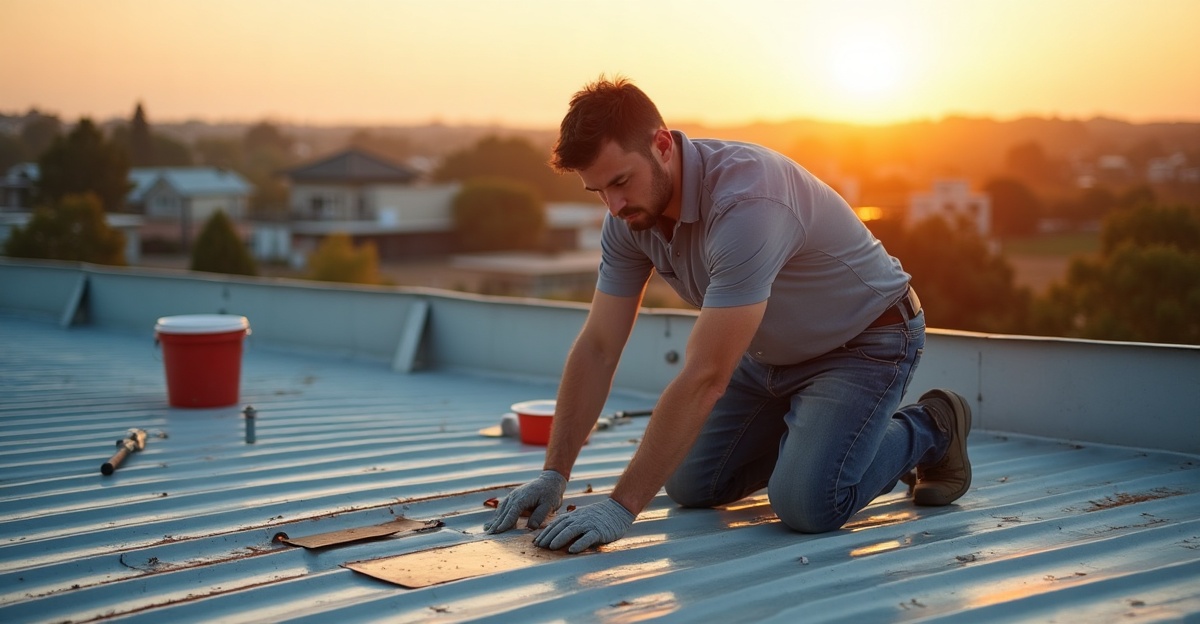
If we ask what the best coating for a metal roof is, we know the answer depends on the roof’s condition, climate exposure, drainage, and long-term goals. Silicone, acrylic, and polyurethane systems each bring different strengths in ponding resistance, durability, energy savings, and cost. We always start with a detailed inspection and proper surface preparation before we recommend any system.
Key Takeaways
- The best coating depends on roof age, structural condition, climate, drainage, and how long we plan to own the property.
- Silicone performs best in heavy rain and ponding conditions, acrylic works well in hot and dry climates, and polyurethane delivers strong impact and foot traffic resistance.
- Proper surface preparation—cleaning, rust treatment, fastener repair, and seam sealing—drives long-term performance.
- Coating systems usually last 10–20 years and cost far less than full replacement when the roof remains structurally sound.
- Roofs with severe rust-through, saturated insulation, or structural failure make better candidates for replacement instead of restoration.
The Short Answer: The Best Coating Depends on Your Roof, Climate, and Goals
The honest answer to what is the best coating for a metal roof is this: it depends on the roof’s condition, your environment, and what you want the system to accomplish. There is no one-size-fits-all solution.
Most property owners asking what is the best coating for a metal roof want four things—durability, waterproofing, energy savings, and clear cost expectations. The right product balances all four, but only after we evaluate the roof itself.
Here’s what drives the decision:
- Roof age and overall structural condition
- Rusted panels, oxidation, fastener back-out, and seam separation
- Ponding water or low-slope drainage issues
- Climate exposure such as UV, freeze-thaw cycles, salt air, or heavy rain
- Foot traffic from HVAC service or maintenance crews
- Budget and how long you plan to own the property
A 10-year-old roof with minor oxidation is very different from a 25-year-old system with widespread corrosion. Coatings work best when the metal panels are still structurally sound.
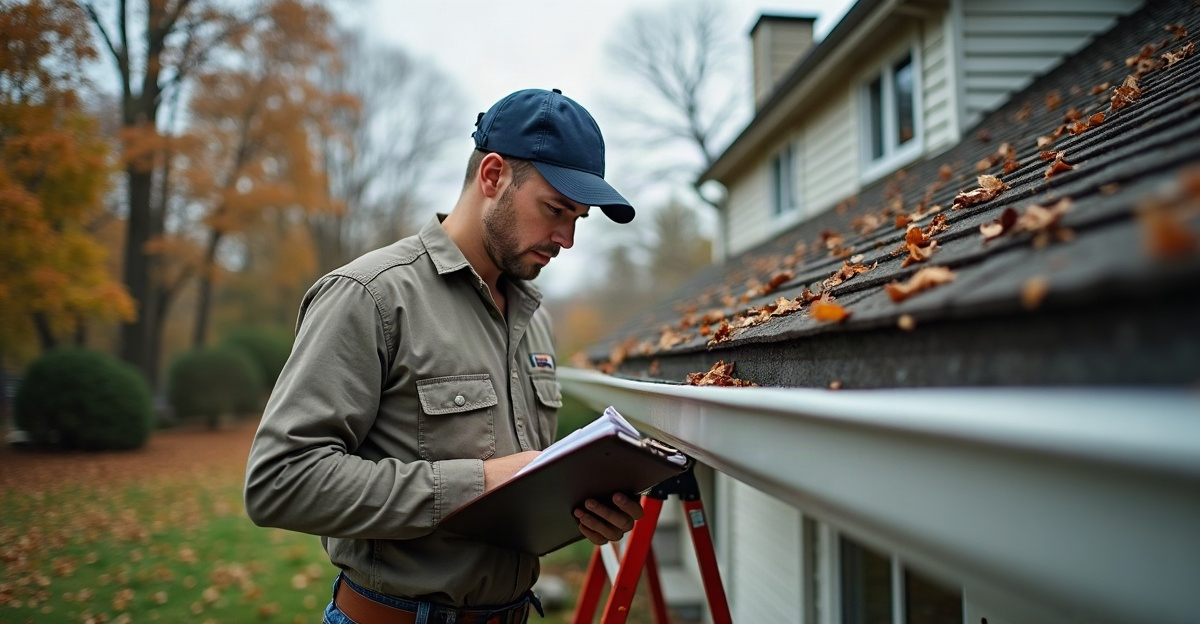
Performance also depends heavily on prep work and installation quality. Even the best product will fail if it’s applied over loose fasteners, untreated rust, or wet insulation. We’ve restored hundreds of roofs, and surface preparation is where long-term value is won or lost.
Over the next sections, we’ll break down practical comparisons, cost ranges, lifespan expectations, and when restoration makes sense versus full replacement.
Comparing the Most Common Metal Roof Coatings (Side-by-Side Breakdown)
If we’re evaluating what is the best roof coating for a metal roof, we start by narrowing the system based on drainage, exposure, and usage. Here’s how the main options compare.
Metal Roof Coating Comparison at a Glance
Below is a straightforward comparison to help clarify what is the best coating for a metal roof. The answer depends on your priorities.
Before we get into details, here’s a quick summary:
- Acrylic: approximately $2–$4 per sq. ft.
- Silicone: approximately $3–$6 per sq. ft.
- Polyurethane systems: approximately $4–$7 per sq. ft.
- Typical lifespan (properly installed): 10–20 years depending on thickness and system
Silicone Roof Coatings
Silicone roof coating performance in ponding water conditions shows why silicone coatings perform extremely well in areas with heavy rain or standing water. They offer high ponding water resistance and excellent UV stability, making them strong for low-slope commercial applications.
There are trade-offs. The surface can become slippery and may attract dirt over time. In high-traffic areas, we often recommend walk pads or reinforced pathways.
Best for: High-rain climates, ponding water conditions, and humid or coastal environments.
Acrylic Roof Coatings
Many elastomeric coatings are acrylic-based. Acrylic is cost-effective and highly reflective, which makes it a strong option in hot, sunny climates.
However, acrylic does not handle long-term standing water as well as silicone. Proper drainage is critical. We commonly use acrylic systems on residential metal roofs where slopes are adequate.
Best for: Hot, dry climates and residential metal panel systems with good drainage.
Polyurethane Roof Coatings
Polyurethane coatings offer excellent durability and impact resistance. They hold up well in hail zones and on commercial roofs that experience regular foot traffic from service technicians.
In many cases, we apply polyurethane as a base coat and pair it with a silicone topcoat. That combination delivers both toughness and weather resistance.
Best for: High-traffic commercial roofs, hail-prone areas, and buildings with frequent maintenance access.
Elastomeric Coatings
The term elastomeric refers to flexibility. These coatings stretch and contract with metal expansion and contraction, helping maintain waterproofing at seams and fasteners. Many elastomeric systems are acrylic-based.
They provide solid waterproofing and energy-saving benefits, but overall performance still depends on slope, drainage, and environmental exposure.
Across all types, ponding resistance ranges from high (silicone) to moderate (polyurethane systems with proper topcoat) to lower (acrylic). Climate and roof use ultimately determine the best fit.
For a deeper look at coating performance and benefits, see our guide on roof coating benefits.
Cost, Lifespan, and ROI: Is Coating Worth It?
In many cases, restoration costs significantly less than replacement. A coating system often avoids tear-off costs and landfill disposal. Full replacement can cost two to three times more than restoration, depending on size and complexity.
Most coating systems are installed as 10-year, 15-year, or 20-year warranty assemblies. Warranty length is tied to dry film thickness requirements and material type. Manufacturer approval and certified installation also affect coverage.
Recoating before failure is key. When applied at the right time, you can extend service life significantly without paying for structural rebuilds.
Energy efficiency is another factor. According to the U.S. Department of Energy, reflective white coatings can lower rooftop temperatures and help reduce cooling loads in hot climates, improving both commercial ROI and residential comfort.
For commercial properties, the value centers on:
- Extending asset life
- Reducing operational disruption
- Preserving capital budgets
- Potential tax advantages such as Section 179 (confirm with a tax advisor)
For homeowners, the focus is simpler. A coating protects your home investment, reduces leak risk, and offers a more budget-friendly path than full replacement.
Results always depend on correct installation and proper thickness. A low bid applied too thin will not deliver 20-year performance.
Surface Prep, Rust Treatment, and Compatibility: What Really Determines Performance
Experience on metal roofing systems has taught us one thing: preparation determines success.
Before any coating is applied, we:
- Pressure wash and thoroughly clean the surface
- Treat rusted areas with rust-inhibitive primer
- Address oxidation before applying field coating
- Tighten or replace fasteners with back-out
- Seal seams and penetrations with compatible materials
Skipping these steps is one of the most common reasons coatings fail.
Coating thickness, measured in mils, directly impacts durability and warranty length. A 20-mil dry film thickness performs very differently from a 10-mil application.
Compatibility also matters. Applying a new product over an existing coating without proper adhesion testing can cause peeling or delamination. Even the best coating will not perform over wet insulation, structural damage, or severe corrosion.
Understanding the current life stage of your panels is critical. If you are unsure how long your system should last, review our overview of metal roof lifespan before deciding on restoration.
When a Metal Roof Is Not a Good Candidate for Coating
Restoration makes sense only if the underlying system is structurally sound.
We typically recommend replacement instead of coating when we find:
- Extensive structural rust-through
- Widespread panel failure
- Major decking damage beneath panels
- Saturated insulation across large areas
- Freeze-thaw damage that has compromised structural integrity
- Multiple previous coatings with known adhesion problems
If the roof has reached the end of its service life with systemic failure, replacement may provide a more practical 30–40 year solution.
At RayPro, we serve multiple states and work on both large-scale commercial systems and residential homes. Our inspections are documented, and our estimates are written and detailed, reducing uncertainty and providing confidence in the recommendation.
If your panels are beyond repair, our metal roofing services team can walk you through replacement options that align with your long-term strategy.
Commercial vs Residential Considerations and Next Steps
Commercial properties prioritize ROI, compliance, and minimal disruption. High-traffic durability and clear warranty documentation are essential.
Residential projects focus on leak prevention, energy savings, and long-term home protection. The right coating can extend the life of an existing roof without a full replacement.
Climate plays a major role in system selection:
- Hot, sunny climates: reflective acrylic or silicone
- Heavy rain or ponding water: silicone
- Hail zones or high traffic: polyurethane systems
- Coastal exposure: corrosion-resistant prep and compatible topcoat
Frequently Asked Questions
How long does a metal roof coating last?
With proper installation and maintenance, most systems last 10–20 years depending on thickness and materials.
Can you coat over rust?
Yes, if the panels are still structurally sound. Rust must be treated with a rust-inhibitive primer before coating.
Is coating cheaper than replacement?
In many cases, yes. Restoration typically costs far less because it avoids tear-off and disposal.
What is the best roof coating for a metal roof in hot climates?
Highly reflective acrylic or silicone systems perform well in hot, sunny environments, especially when drainage is adequate.
The right coating starts with understanding your roof—not guessing. A professional inspection provides clear data on condition, eligibility, and cost.
If you are ready for a straightforward evaluation, schedule a detailed assessment through our contact page. We will document findings and provide a written estimate so you can make a confident, informed decision.
Frequently Asked Questions
What is the best coating for a metal roof?
The best coating for a metal roof depends on the roof’s condition, climate, drainage, and long-term goals. Silicone is ideal for roofs with ponding water, acrylic performs well in hot, dry climates, and polyurethane offers excellent durability in high-traffic or hail-prone areas. A professional inspection helps determine which system will deliver the best performance.
Can a metal roof coating stop leaks?
A metal roof coating can help stop leaks when the roof is structurally sound and leaks are caused by worn seams, fasteners, or minor surface issues. Proper preparation, including seam sealing, rust treatment, and replacing loose fasteners, is essential. Coatings are not a solution for severe structural damage or widespread panel failure.
How much does it cost to coat a metal roof?
Metal roof coating costs typically range from about $2 to $7 per square foot, depending on the coating type, roof condition, and required preparation. Acrylic systems are generally the most affordable, while polyurethane and silicone systems cost more due to their added durability and performance. Even so, coating is often significantly less expensive than a full roof replacement.
Should you replace or coat an aging metal roof?
If the metal roof is still structurally sound, applying a coating is often the more cost-effective option because it extends the roof’s service life and delays replacement. However, roofs with severe rust-through, saturated insulation, extensive panel damage, or structural failure are usually better candidates for complete replacement.
What maintenance does a coated metal roof need?
A coated metal roof should be inspected regularly to identify damaged seams, loose fasteners, or areas where the coating has worn thin. Keeping the roof clean and addressing minor issues promptly helps maximize its lifespan. Periodic inspections also make it easier to schedule recoating before the protective system reaches the end of its service life.