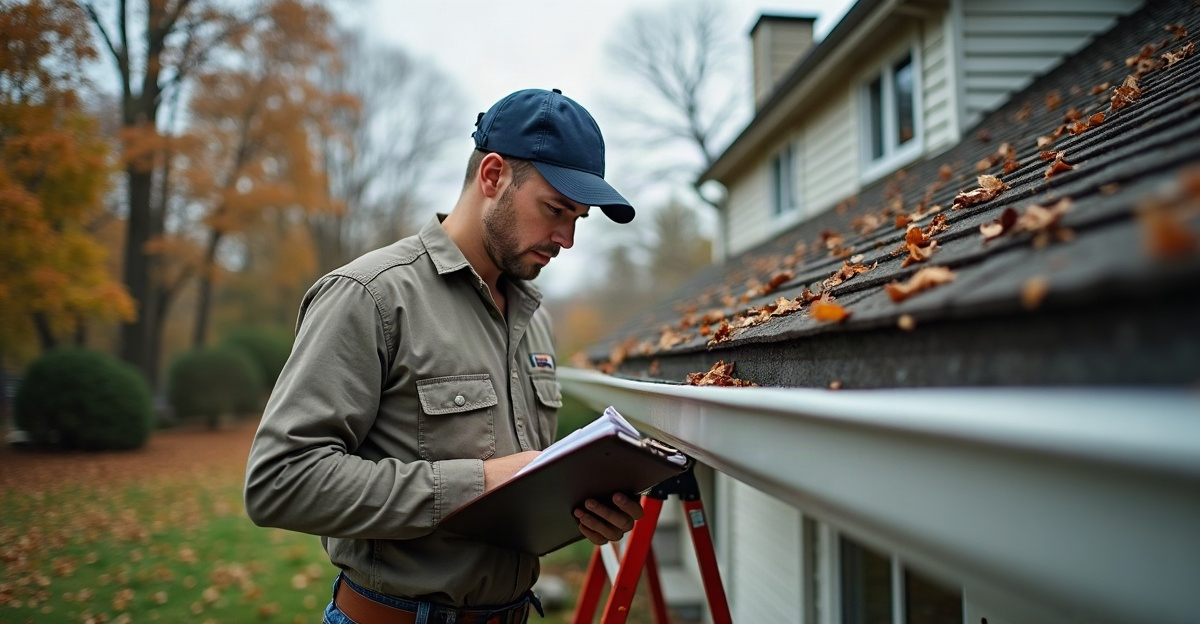
Signs you need new windows

Knowing the signs we need new windows helps us catch seal failure, moisture intrusion, and structural wear before they drive up energy bills or damage our walls. We watch for drafts, fog between panes, rotting frames, and operational issues because they signal declining performance. These problems affect comfort, safety, and long-term property value if we ignore them.
Key Takeaways
- Drafts, rising energy bills, and condensation between panes often signal seal failure and reduced energy efficiency.
- Difficulty opening or locking windows can create safety risks and point to frame shifting or hardware wear.
- Rot, corrosion, cracked glass, and water stains indicate structural deterioration that can spread beyond the window itself.
- Windows nearing 15–30 years old are more prone to leaks, inefficiency, and recurring repair issues.
- Minor problems may be repairable, but widespread damage or repeated moisture intrusion usually calls for full replacement.
Clear Warning Signs Your Windows May Be Failing
Drafts around closed windows usually mean air is slipping through gaps in seals or frames. Small leaks drive up energy use and make rooms uncomfortable throughout the year.
Below are 10 signs that you need new windows and what each one likely means for your home or building:
10 signs that you need new windows
Before jumping to replacement, understand what these symptoms are telling you.
- Drafts or noticeable air leaks – If we feel air movement even when windows are closed and locked, seals or frames have likely failed. This leads to energy loss and uneven indoor temperatures.
- Rising energy bills – Heating and cooling costs that increase year over year without other changes often point to failing windows losing conditioned air, as explained by U.S. Department of Energy guidance on energy-efficient windows.
- Condensation between panes – Fog or moisture trapped between glass layers means the insulated glass seal has failed. Once that barrier breaks, energy efficiency drops significantly.
- Difficulty opening, closing, or locking – Balance failure, frame shift, or worn hardware signals structural wear. Operational issues can create safety and security risks.
- Frame rot, warping, or corrosion – Wood rot and metal oxidation weaken structural integrity. Left alone, damage spreads into surrounding framing.
- Cracked or broken glass – Even small cracks compromise safety and reduce insulation performance.
- Water infiltration after rain – Staining, bubbling drywall, or damp sills show that flashing or seals are failing. Moisture intrusion can damage walls and insulation and increase the risk of mold growth from prolonged moisture exposure.
- Excess outside noise – Older single-pane or failed double-pane units allow road and neighborhood noise inside, which affects comfort and tenant satisfaction.
- Fading furniture or flooring – UV exposure through outdated glazing can discolor interiors over time.
- Age nearing 15–30 years – Most windows fall within this lifespan depending on material, according to ENERGY STAR guidance on window performance and replacement. Units at the upper end are often less efficient and more prone to failure.
Each of these is one of the clear signs you need new windows. Some point to simple repairs. Others suggest it’s time to plan for replacement.
Repair or Replace? How to Tell the Difference
Every window issue doesn’t require a full replacement. We look at the specific failure, its cause, and its broader impact before making any recommendation.
Minor issues we often repair:
- Worn or broken hardware
- Small weatherstripping gaps
- An isolated cracked pane
- Minor flashing adjustments
These fixes can extend service life and restore function without major expense.
Full replacement is usually the right call when we see structural frame rot, recurring water intrusion, fog between panes from seal failure, widespread operational problems, or multiple units at the end of their lifespan. If several windows show the same issues, patchwork repairs rarely hold up long term.
During an inspection, we check seal integrity, flashing details, framing condition, and moisture intrusion around the rough opening. We look for soft sheathing, staining, or mold risk. That process tells us whether the core structure remains sound.
We’re careful not to overdiagnose normal wear as failure. Sometimes monitoring and budgeting for future replacement makes more sense than acting immediately. The goal is a realistic plan—repair, monitor, or phase in replacement based on condition and risk.
For larger upgrades tied to broader improvements, we coordinate window projects as part of remodeling services so everything integrates properly.
What Happens If You Wait Too Long
Window problems rarely stay isolated. Minor air leaks become moisture issues. Small leaks turn into framing damage.
Delaying replacement can lead to:
- Structural damage from persistent water intrusion affecting framing and exterior sheathing.
- Mold growth due to trapped moisture inside walls, increasing remediation costs.
- Higher energy bills from continued air leakage and seal failure.
- Security concerns if locks fail or frames weaken.
- Tenant complaints in multi-family or commercial properties due to drafts and noise.
Commercial buildings face additional concerns. Energy benchmarking requirements and internal sustainability goals rely on efficient building envelopes. Accessibility standards can also apply if window operability affects ADA compliance. Over time, deferred replacement increases lifecycle costs and can impact property value.
Addressing clear signs you need new windows protects structural integrity and long-term asset performance.
What Window Replacement Means for ROI, Compliance, and Long-Term Value (Commercial Focus)
For property managers, facility directors, developers, and multi-family operators, window replacement is a capital planning decision—not a cosmetic upgrade.
Improved glazing systems reduce energy loss and support efficiency targets. That strengthens benchmarking results and sustainability reporting. Better daylight control also improves occupant comfort, which affects retention and productivity in commercial settings.
Code compliance matters. New units must meet local energy standards and wind ratings where applicable. Operability standards can also impact ADA accessibility in certain building types.
Lifecycle planning across portfolios requires coordination. We structure projects in phases where needed, align schedules with tenant occupancy, and communicate clearly with onsite teams. Multi-site projects demand clear documentation and vendor reliability. Our team handles coordination through commercial construction services with structured timelines and supervision.
Tax incentives or efficiency programs may apply in some cases, depending on jurisdiction and product selection. Those programs should complement a sound capital plan—not drive the decision alone.
Disruption must stay minimal. We sequence installations carefully, protect occupied spaces, and maintain security during the process. Clear planning reduces operational interruptions and supports a stable tenant experience.
What Affects Cost and Project Scope
Cost depends on material, glazing type, access, and project size.
Vinyl, wood, aluminum, and composite frames each carry different price points and performance characteristics. Larger or custom-shaped windows require additional fabrication and labor.
Glazing type plays a major role. Double-pane units are standard in many areas. Triple-pane or low-E coatings improve performance but increase cost.
Labor complexity also matters. High elevations, limited exterior access, or interior finish repairs affect scope. A single-family home differs significantly from a multi-unit building in planning and coordination.
Replacing every window at once isn’t always required. Phased approaches can make sense for budget control or staged renovations. However, full replacement can improve uniform performance and may reduce per-unit labor cost.
Homeowners planning upgrades often pair window work with broader improvements. During projects involving residential construction, we evaluate the building envelope as a whole.
Those budgeting for upgrades should plan carefully. Our guide on how to budget for a home remodel helps set realistic expectations before work begins.
No project instantly erases utility bills. Energy savings depend on the condition of existing windows and the home’s overall insulation and air sealing.
For high-wind regions, impact-rated products provide added protection. We install impact-resistant doors and windows where safety and code requirements demand it.
Practical Next Steps and Common Questions
If signs are minor, monitor them. Track drafts, moisture, or operational issues over time.
Schedule targeted repairs where issues are isolated. Small fixes can restore performance and extend life.
Request a no-pressure inspection if multiple symptoms appear. We evaluate seals, frames, flashing, and surrounding materials. Then we explain what’s happening, what matters now, and what can wait.
Common questions
How long do windows typically last?
Most units last 15–30 years depending on material and climate exposure. Wood requires more maintenance. Vinyl and composite often last longer with less upkeep.
Can foggy windows be repaired?
Fog between panes usually means seal failure. In some cases, we can replace the insulated glass unit. If frames are also deteriorating, full replacement makes more sense.
Do new windows really reduce energy bills?
They can improve performance, especially if current units are drafty or single-pane. Actual savings depend on the rest of the building envelope and HVAC efficiency.
How disruptive is window replacement?
For homes, work is typically done room by room. For multi-family or commercial properties, scheduling and coordination matter. We plan around occupancy to limit disruption.
Is it better to replace windows individually or all at once?
Both approaches work. Full replacement improves consistency and may reduce labor per unit. Phased projects help manage budgets. The right answer depends on condition, timing, and long-term plans.
If several signs you need new windows are showing up, it’s time to look deeper. Reach out through our contact page for a straightforward evaluation. We’ll give clear recommendations based on condition, safety, and long-term reliability—no pressure, just practical guidance.
Frequently Asked Questions
How can I tell if my windows need to be replaced instead of repaired?
If the problem is limited to worn hardware, damaged weatherstripping, or a single cracked pane, repairs are often enough. However, widespread issues such as rotting frames, recurring water leaks, fog between glass panes, or multiple windows with the same problems usually indicate that replacement is the more cost-effective long-term solution.
Why do old windows cause higher energy bills?
Older or damaged windows allow conditioned air to escape through failed seals, gaps, or inefficient glazing. This forces your heating and cooling system to work harder to maintain indoor temperatures. Replacing inefficient windows with modern energy-efficient models can improve comfort and reduce unnecessary energy loss.
Can condensation between window panes be fixed?
Condensation trapped between glass panes usually means the insulated glass seal has failed. In some cases, the insulated glass unit can be replaced while keeping the existing frame. If the frame is also damaged, warped, or deteriorating, replacing the entire window is often the better investment.
When is the best time to replace windows?
Window replacement can be completed year-round, but spring and fall often provide ideal weather conditions. If your windows are leaking, causing drafts, or allowing water intrusion, it’s better to replace them promptly rather than wait, since delaying repairs can lead to structural damage and higher repair costs.
Do new windows increase home value?
New windows can improve curb appeal, energy efficiency, and overall property performance, making a home more attractive to buyers. They may also reduce maintenance needs and improve indoor comfort. While the exact return on investment varies by market and product selection, quality window replacements are generally considered a worthwhile long-term home improvement.