Does a Home Warranty Cover Roof Replacement?
Many homeowners ask whether a home warranty covers roof replacement. We’ve reviewed hundreds of contracts, and the short answer stays the same: most plans pay only for limited leak repairs and rarely fund a full reroof. In nearly every situation, replacement caused by age, widespread wear, or storm damage falls outside home warranty coverage. We typically rely on homeowners insurance or pay out of pocket instead.
Key Takeaways
- Most home warranties do not cover full roof replacement; we usually see coverage limited to minor, active leak repairs.
- Coverage often includes low payout caps that fall far short of real roof replacement costs.
- Common exclusions include pre-existing issues, poor installation, aging materials, storm damage, and structural problems.
- Home warranties cover normal wear and tear on listed systems, while homeowners insurance handles sudden events such as hail, wind, or fallen trees.
- We recommend reviewing our specific contract line by line so we understand coverage limits before we file a claim or plan a replacement.
Most Home Warranties Do Not Pay for Full Roof Replacement
In most cases, home warranty sample contracts limit roof coverage to non-structural leak repairs rather than full roof replacement. They usually cover limited leak repairs and often include payout caps that fall far short of replacement costs.
If we’re asking, does home warranty cover roof issues, the honest answer is sometimes—but only in narrow situations. If we’re asking, does home warranty cover roof replacement, the answer is almost always no.
Most providers limit coverage to minor, accessible leak repairs. They don’t typically pay to replace shingles across large sections, repair roof decking, or install a full roofing system. In our experience, most home warranties only cover leak patching, not full replacement.
Plans vary by provider and contract. One company may offer limited roof leak protection as an add-on. Another may exclude roofing entirely. Every homeowner needs to read their specific agreement line by line. Assumptions lead to expensive surprises.
Setting realistic expectations upfront helps avoid disappointment. A home warranty is not the same as a roofing warranty or an insurance policy. It’s a service contract with tight limits.
What Roof Coverage Usually Includes (and What It Leaves Out)
A home warranty is a service contract that covers certain systems and appliances due to normal wear and tear. Think HVAC, plumbing, and electrical. Roof coverage is often optional and limited.
When roof coverage exists, it typically includes minor, targeted work such as:
- Leak detection and patching in a specific area
- Replacing a small number of shingles directly tied to an active leak
- Limited repairs to components connected to that leak
Coverage usually applies only to active leaks. It does not address cosmetic issues, aging materials, or preventative replacement.
Policies commonly exclude pre-existing conditions, improper installation, maintenance issues, and structural damage under typical home warranty agreements
Those exclusions matter. If a roof is 20+ years old and deteriorating across the entire surface, that’s considered aging—not a covered event. If flashing was installed incorrectly years ago, that can fall under improper installation. If wind tore off a section of shingles, that’s usually storm damage, which belongs under insurance, not a warranty.
So does a home warranty cover roof problems at all? Sometimes, but only in specific leak-related situations. Does a home warranty cover a roof that simply needs replacement due to age? Almost never.
Coverage Limits and Payout Caps You Need to Know
Even when a claim is approved, dollar limits apply. Many plans set low caps per claim or per year specifically for roof leak coverage.
We often see coverage limits ranging from a few hundred to a few thousand dollars. That may sound helpful until we compare it to actual replacement costs.
Roof replacement typically runs into the thousands, and for larger homes or commercial properties, it can reach the tens of thousands. For a deeper breakdown, we encourage reviewing roof cost per square foot to understand how quickly numbers add up based on materials and size.
Most warranties also require a service call fee each time a technician visits. That fee increases out-of-pocket expenses. If multiple visits are needed, those charges stack up.
Before relying on warranty coverage, compare the potential payout to the real cost of repair or replacement. A $1,000 cap will not fund a $15,000 reroof. Full roof replacement is rarely included under these contracts.
Home Warranty vs. Homeowners Insurance: Know the Difference
Many homeowners mix up warranties and insurance. They serve different purposes.
A home warranty covers listed systems and appliances that fail due to wear and tear. Roof coverage, if included, usually applies to limited leak repairs.
Homeowners insurance generally covers sudden and accidental covered losses, including many wind, hail, fire, and fallen-tree claims. That includes hail, high wind, falling trees, or fire. These events can justify partial or full roof replacement if documented and approved.
Storm damage and structural failures usually go through insurance, not a warranty company. We break this down in more detail in does homeowners insurance cover roof leaks, which explains how coverage often applies.
If we suspect storm-related damage, we recommend reviewing your policy and understanding how to file a roof insurance claim step-by-step before moving forward.
Know which contract applies before filing. Submitting a warranty claim for wind damage can waste valuable time if it should have gone through insurance from the start.
Residential vs. Commercial Properties: Important Limitations
Standard home warranties usually apply only to residential properties. Single-family homes and some townhomes may qualify. Multi-family, mixed-use, and commercial properties typically do not.
Commercial property owners usually rely on:
- Commercial insurance policies
- Manufacturer warranties
- Preventative maintenance agreements
Commercial roofing decisions center on compliance, long-term durability, documentation, and return on investment. A warranty-style service contract rarely fits those needs.
Consider these examples.
A small, active leak on a residential asphalt shingle roof might qualify for patching under a home warranty. The payout may cover a limited repair area, subject to a cap.
A 20-year-old roof reaching the end of its lifespan likely won’t qualify. Needing full replacement due to age does not meet most warranty criteria.
A flat roof on a multi-family or commercial building almost always falls outside standard home warranty coverage. Property owners in that situation need inspection reports, maintenance records, and often insurance coordination.
If we own a home and want dependable long-term protection, a dedicated residential roofing strategy makes far more sense than relying on a limited warranty add-on.
What to Do If Your Warranty Falls Short
When coverage doesn’t go as expected, clear steps help us stay in control.
Start here:
- Review your contract carefully and confirm what is actually covered.
- Document visible damage and create a record of leak history.
- File your claim promptly if the issue appears to qualify.
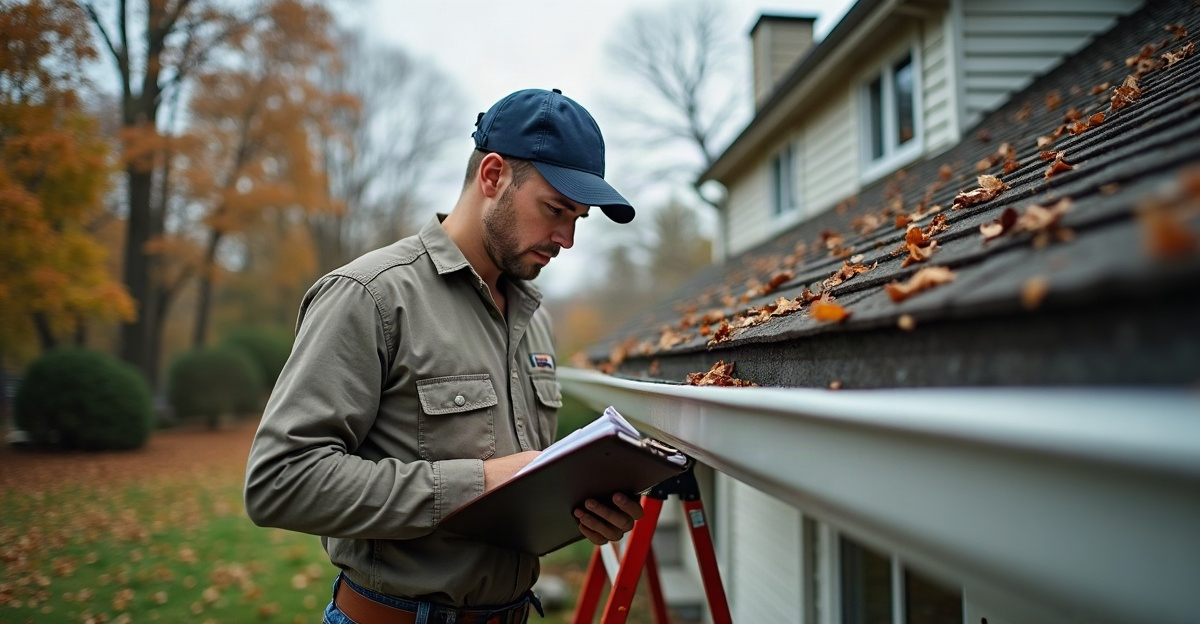
- Schedule a professional roof inspection to determine whether repair is realistic or full replacement is necessary.
- Compare the expected warranty payout to the true project cost.
- Plan your budget based on facts, not assumptions.
Roofing systems age. Patching an old roof can buy time, but it’s often temporary. If leaks continue in multiple areas, replacement may be the smarter investment.
If a warranty claim is denied or only partially approved, we can help clarify next steps. Our team provides detailed inspections and straightforward guidance through our roof repair services and full roof replacement services.
Homeowners often circle back to the same question: does home warranty cover roof replacement in this situation? In most cases, the answer remains no. The key is knowing that early, then making a plan based on real coverage and real costs.
If we need clear answers about the condition of a roof, we can reach out through our contact page. We’ll provide an honest assessment and help decide whether repair, replacement, or an insurance claim is the right path forward.
Frequently Asked Questions
Does a home warranty cover roof leaks?
A home warranty may cover certain roof leaks, but only in limited situations. Most plans pay for minor, active leak repairs rather than extensive damage. Coverage typically excludes leaks caused by storms, poor maintenance, aging materials, or pre-existing issues, so it’s important to review your contract before filing a claim.
Why doesn’t a home warranty cover full roof replacement?
Home warranties are designed to cover repairs for covered systems and appliances that fail from normal wear and tear, not major structural replacements. A full roof replacement is considered a large capital expense and is usually excluded. Most providers instead offer limited reimbursement for qualifying leak repairs, often with strict payout caps.
Can homeowners insurance cover roof replacement instead of a home warranty?
Yes, homeowners insurance may cover roof replacement if the damage results from a covered event such as hail, strong winds, fire, or a fallen tree. Unlike a home warranty, insurance generally protects against sudden and accidental damage rather than gradual deterioration or normal aging.
What exclusions should I look for in roof warranty coverage?
Common exclusions include pre-existing damage, improper installation, lack of maintenance, normal aging, structural issues, cosmetic damage, code upgrades, and weather-related events. Understanding these exclusions helps prevent denied claims and gives you a more accurate expectation of what your home warranty will actually pay for.
Should I file a home warranty claim for roof damage?
You should file a home warranty claim only if the damage appears to meet your contract’s coverage requirements, such as a qualifying active leak. If the roof was damaged by a storm or requires complete replacement due to age, homeowners insurance or a professional roofing evaluation is usually the more appropriate next step.