Roof Vent Cap Replacement: Signs, Costs, and When to Replace It
Roof vent cap replacement protects roofs from water intrusion, pest entry, and ventilation issues after cracks, loose fittings, corrosion, missing parts, or storm damage. We select the right repair based on the vent type, flashing condition, shingles, ducting, and roof materials around the opening.
Key Takeaways
- We recommend prompt roof vent cap replacement after active leaks, missing caps, loose flashing, animal entry, wet attic insulation, ceiling stains, or storm damage.
- Cracks, rust, fading, warped plastic, rattling components, and reduced airflow call for a professional inspection before damage spreads.
- A damaged cap can signal wider issues. Flashing, sealant, shingles, roof decking, and duct connections can also create leaks and moisture concerns.
- Vent type, roof access, pitch, materials, safety requirements, and surrounding repairs drive replacement costs.
- Bathroom, dryer, kitchen, attic, and powered vent systems require the correct termination or repair method to maintain safe airflow and reliable performance.
Replace a Roof Vent Cap When It Stops Protecting the Roof
We recommend roof vent cap replacement when the cap is cracked, missing, rusted through, loose, leaking, allowing pests inside, or no longer protecting the vent opening and surrounding flashing. A damaged cap can look like a small issue, but it can create a direct path for water, wind-driven rain, insects, birds, and animals.
The visible cap may not be the only damaged part. We often find issues with flashing, shingles, sealant, roof decking, duct connections, or the ventilation path below the roofline. A proper inspection identifies the source before a limited repair turns into repeat work.
Use this simple action framework:
- Monitor minor fading or surface wear when the cap has no movement, visible cracks, indoor moisture symptoms, or recent storm damage.
- Schedule a non-urgent inspection for small cracks, rust, aging plastic, suspected ventilation problems, recurring condensation, loose-looking components, or uncertain flashing conditions.
- Seek prompt professional attention for an active leak, a missing cap, a visible roof opening, a loose or storm-damaged vent, animal entry, wet attic insulation, ceiling stains, or damage after hail or high winds.
Our roof inspection checklist can help us spot exterior and interior warning signs before calling for service.
If you see leaking, missing components, loose flashing, or signs of attic moisture, schedule a professional roof inspection before the issue spreads.
Signs Your Roof Vent Cap May Need Replacement
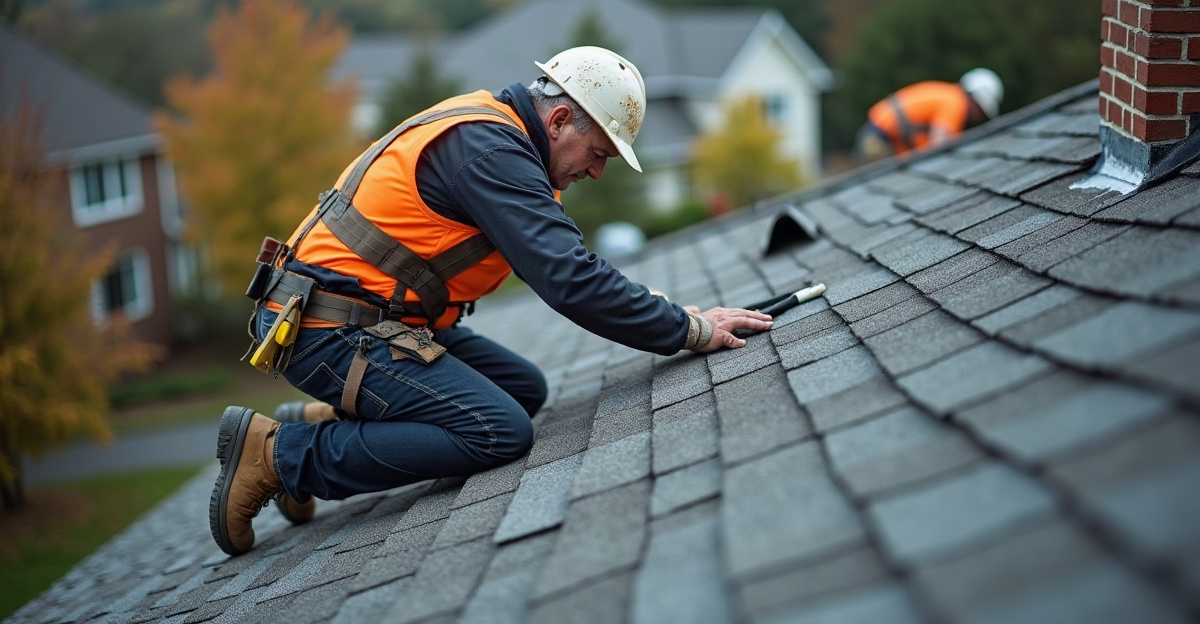
Exterior damage is often visible from the ground. We recommend using binoculars or taking clear photos from a safe location rather than climbing onto the roof. Roof work involves fall risks, and flashing repairs need the right tools and installation method.
Common exterior signs include cracked, brittle, faded, warped, or broken plastic caps. Metal caps may rust, corrode, dent, or develop holes. Wind can lift, tilt, loosen, or completely remove a cap. Rattling components, lifted flashing, failed sealant, and missing, curled, cracked, or displaced shingles around the vent also need attention.
Interior signs can be just as important. From a safely accessible attic area, we can look for damp insulation, condensation, musty odors, water marks on framing, pest activity, or daylight around a roof penetration. Ceiling and wall stains near a vent location may also point to a leak above.
Reduced airflow can signal a problem with bathroom, dryer, kitchen, or attic venting. The issue may involve the roof termination, a disconnected duct, a blocked vent path, or a ventilation design concern.
A roof penetration can leak even if the cap looks intact. Deteriorated flashing, failed sealant, poorly placed nails, damaged shingles, roof-deck decay, poor installation, and ducting issues below the roof can all allow moisture inside. Our roof repair services address the full area around the vent instead of treating the cap as an isolated part.
Not Every Roof Vent Cap Does the Same Job
A roof vent replacement must match the vent’s purpose. Using the wrong termination can restrict airflow, allow water entry, create maintenance issues, or fail to meet applicable installation requirements.
Common Roof Vent Types
Here is how the main vent types differ:
- Plumbing vent caps and stacks: Allow plumbing-system venting. Some plumbing vents do not use a traditional cap.
- Static attic vents: Support passive attic ventilation through fixed openings near the upper roof area.
- Ridge vents: Run along the roof ridge and differ from individual vent caps.
- Turbine vents: Use wind to help move attic air and have moving parts that require condition checks.
- Powered attic fans and roof vent fans: Use electrical equipment and require a different diagnosis than passive vents.
- Bathroom exhaust terminations: Move moist indoor air outdoors.
- Dryer vent terminations: Exhaust hot, lint-bearing air outdoors and need appropriate cleanable components.
- Kitchen exhaust terminations: May require specific materials and configurations because grease and local code requirements matter.
Roof vent fan replacement is different from replacing a passive roof cap. A powered attic fan, bathroom fan, or roof-mounted exhaust fan may require an evaluation of the motor, electrical connection, ducting, flashing, controls, and airflow requirements.
Bathroom, dryer, and kitchen exhaust should generally terminate outdoors instead of discharging into an attic. Dryer and kitchen exhaust parts are not interchangeable with standard attic vent caps because lint, moisture, grease, and local requirements affect the correct termination type.
Local building departments, manufacturer installation instructions, the International Residential Code, and International Mechanical Code, where applicable, can help establish proper installation methods. Requirements vary by location and system type.
What Roof Vent Cap Replacement Costs and What Changes the Quote
Roof vent cap replacement costs depend on the actual component and the condition of the surrounding roof system. A cap-only repair may have a limited scope. Costs increase when the problem includes flashing, shingles, decking, ducting, insulation, or powered fan components.
The quote also depends on the vent type, size, material, roof pitch, roof height, number of stories, access conditions, and safety requirements. Local labor rates, material availability, permit needs, emergency response, and storm conditions can also affect the final scope.
For commercial properties, access planning may involve lifts, fall protection, occupant coordination, multi-unit scheduling, or multi-site work. These details matter because a safe repair plan protects the building, its occupants, and the work crew.
A clear estimate should identify the exact component being replaced. It should also state whether the work includes flashing, adjacent roofing materials, duct connections, ventilation corrections, or moisture-related repairs. Before approving work, review what to ask in a roofing estimate so the scope is clear.
For leaks tied to a vent penetration, our guide on roof leak repair costs explains why identifying the full source matters. After wind or hail damage, our storm damage repair team can inspect affected vents, flashing, and nearby shingles.
Why Waiting Can Turn a Small Vent Problem Into a Larger Repair
A worn cap does not always cause immediate damage. Still, delaying an active leak, missing cap, loose vent, or flashing failure can allow water intrusion to spread. That moisture can damage insulation, stain ceilings, soften roof decking, encourage mold-friendly conditions, and lead to wood rot.
Pest entry can create a separate problem. Birds, insects, and small animals can block vent openings, damage duct connections, leave debris in the attic, and reduce ventilation performance.
Roof ventilation supports moisture management and helps the roof system perform as intended. Replacing one vent cap will not automatically solve high utility bills or create dramatic energy savings. We need to identify whether the issue involves the cap, the full ventilation layout, attic insulation, ducting, or a larger roofing concern.
Wind, hail, UV exposure, corrosion, animal activity, poor installation, and an aging roof system are common underlying causes. During an inspection, a qualified roofer typically checks the cap, flashing, surrounding shingles or membrane, vent connection, attic or interior moisture signs, and overall ventilation path.
Commercial properties benefit from documented inspections, photos, repair records, and warranty reviews. We also coordinate access and disruption management for tenants, employees, students, patients, and customers. For aging roofs, repeated leaks, storm exposure, or multi-building portfolios, inspecting all roof penetrations can help identify recurring causes before they affect more locations. Our roofing services support residential and commercial repair planning based on the actual condition of the roof.
Roof Vent Cap Replacement Questions Property Owners Ask
Can a Roof Vent Cap Cause a Leak?
A roof vent cap can cause a leak when the cap is damaged, but failed flashing, worn sealant, displaced shingles, or poor installation around the penetration can also let water in. The cap itself is only one part of the weatherproofing system.
How Can We Tell Whether a Roof Vent Cap Needs Replacement?
We can determine whether a cap needs replacement by checking for cracks, corrosion, missing pieces, movement, flashing damage, water staining, attic moisture, reduced airflow, or pest entry. Minor surface wear may be monitored. Cracks combined with moisture, movement, storm damage, leaks, or pests need prompt assessment.
Can a Cap Be Replaced Without Replacing the Flashing?
A cap can sometimes be replaced without replacing the flashing. That option only works if the flashing and surrounding roofing materials remain sound. A professional inspection confirms whether a cap-only repair is appropriate.
What Is the Difference Between a Roof Vent Cap and a Roof Vent Fan?
A roof vent cap is generally a passive cover or termination. A roof vent fan is powered equipment that may involve a motor, electrical connection, airflow design, controls, and ducting. Roof vent fan replacement requires a broader evaluation.
Can Standard Attic Vent Caps Be Used for Bathroom, Dryer, or Kitchen Exhaust?
Bathroom and dryer vents need the correct outdoor termination. Kitchen exhaust systems may also require specific materials and configurations. Dryer and kitchen components should not be substituted with standard attic vent caps.
How Long Does a Roof Vent Cap Last?
Roof vent cap lifespan varies by material, sun exposure, storm exposure, corrosion, installation quality, maintenance, and the condition of the overall roof system. For a commercial property, replacing one damaged cap may solve an isolated problem, but a broader inspection is often worthwhile after storms, recurring leaks, deferred maintenance, or across multi-site properties.
RayPro can inspect roof vents, flashing, and surrounding roofing materials to identify the true source of the problem and provide a clear repair recommendation for your home or commercial property.