How much does gutter replacement cost?
How much does gutter replacement cost in 2026? Most homeowners invest $4–$14 per linear foot for common materials like vinyl and aluminum, according to current national installation cost data. Commercial and premium systems, such as copper or box gutters, often range from $20–$45+ per foot. Total project cost depends on linear footage, building height, site access, and drainage layout.
Key Takeaways
- Installed gutter replacement usually falls between $1,000–$5,000 for residential homes and $7,500–$25,000+ for mid-size commercial buildings, based on size and job scope.
- Material selection drives pricing more than any other factor. We often install aluminum for residential homes, while copper and commercial box gutters sit at the premium end of the spectrum.
- Height, roof configuration, accessibility, tear-off work, and code-compliant drainage upgrades can raise labor costs quickly.
- A professional estimate should cover removal, disposal, new materials, correct pitch alignment, required permits, and a clear workmanship warranty. We recommend confirming each item in writing before we begin.
- Minor repairs may cost $150–$600. However, widespread damage, undersized gutters, or recurring leaks often make full replacement the smarter long-term choice.
What Most Homeowners and Property Managers Pay for Gutter Replacement in 2026
Homeowners and property managers ask us every week: how much does gutter replacement cost in 2026? The honest answer depends on material, building height, access, and drainage design—but we can give clear, realistic ranges.
Here’s what we’re seeing for fully installed systems (materials and labor included):
- Vinyl gutters: $4–$8 per linear foot
- Aluminum (K-style, most common residential): $7–$14 per linear foot
- Galvanized steel: $10–$18 per linear foot
- Copper: $25–$40+ per linear foot
- Commercial box gutters: $20–$45+ per linear foot (varies by gauge, size, and engineering requirements)
Total project budgets usually look like this:
- Small single-story home (100–150 linear feet): $1,000–$2,500
- Two-story home (150–250 linear feet): $2,000–$5,000
- Mid-size commercial building: $7,500–$25,000+ depending on footage, height, drainage design, and access
Those numbers reflect real installed pricing. Landing on the low or high end depends on factors we’ll break down next.
Cost also varies by region. Local labor rates, code requirements, and stormwater rules all influence final numbers. A simple single-story home in one city won’t price the same as a three-story mixed-use building in another. If you’re comparing quotes, make sure they’re based on accurate measurements and local conditions—not a vague national average.
If you want a deeper look at install pricing, we’ve broken it out in detail here: gutter installation cost guide.
Key Factors That Drive Gutter Replacement Cost
If you’re wondering how much is gutter replacement for your specific building, these are the variables that matter most.
Material, Size, and System Design
Material choice has the biggest impact on price. Five-inch aluminum K-style costs less than six-inch oversized systems. Copper or commercial box gutters jump significantly because of material cost and fabrication requirements.
Profile matters too. Half-round systems are often more expensive than standard K-style due to brackets and labor. Commercial box systems typically require custom fabrication and precise slope calculations.
Drainage capacity can’t be ignored. Oversized downspouts or additional outlets may be required if your roof collects heavy runoff. That adds materials and labor—but prevents overflow and foundation damage.
If you’re unsure what system fits your roof type, review our overview of roof drainage systems explained.
Labor, Access, and Building Conditions
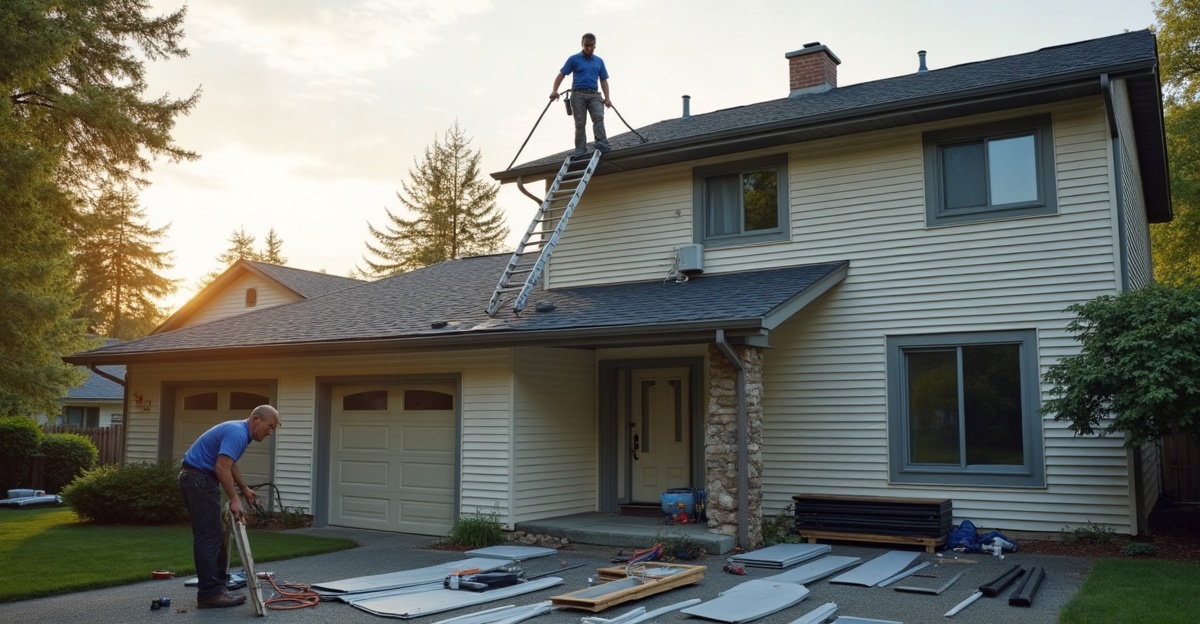
Height changes everything. Two- and three-story homes require more setup time and safety precautions. Commercial multi-story properties often need lift equipment, which increases labor cost.
Roof pitch and design also play a role. Multiple corners, complex lines, and long gutter runs increase fabrication and installation time. More corners mean more end caps, outlets, and hangers.
Other cost drivers include:
- Tear-off and disposal of old gutters
- Fascia damage discovered during removal
- Regional permitting requirements
- Code-compliant slope and drainage spacing
- Tenant coordination on commercial properties
- Stormwater tie-ins or internal roof drain connections
For flat or low-slope buildings, drainage mistakes can be expensive. If you manage that type of property, review common flat roof drainage problems and fixes to understand why proper design matters.
When someone asks how much should gutter replacement cost, we always say this: the price should reflect code compliance, correct drainage capacity, and safe access—not shortcuts.
What a Professional Gutter Replacement Estimate Should Include (and What It May Not)
A solid estimate should be clear and itemized. If it’s vague, that’s a red flag.
Most full replacement quotes typically include:
- Tear-off and removal of existing gutters
- Disposal fees
- New gutters and downspouts
- Hangers, end caps, outlets, and sealants
- Proper pitch alignment and drainage testing
- Basic splash blocks or simple drainage tie-ins
- Permits (if required)
- Workmanship warranty
That covers a standard replacement.
However, lower bids often leave out items that show up later as “extras.” These can include fascia or soffit repairs if rot is uncovered, structural repairs behind old gutters, oversized downspouts, gutter guards, lift rentals for taller buildings, or engineered drainage plans for commercial systems.
We believe transparency matters. A clear estimate lets you compare contractors with confidence. It also prevents surprise invoices halfway through the job. On larger buildings, it protects your operating budget and tenant relationships.
If you’re evaluating proposals for gutter installation services, make sure the scope spells out materials, linear footage, downspout count, and who handles permits.
Repair or Replace? How to Decide Based on Cost and Long-Term Value
Minor gutter repairs usually run between $150–$600 for isolated leaks, resealing joints, or rehanging a loose section.
Repair makes sense when damage is localized and the system is under 10–15 years old, depending on material. If most of the system is in good shape, a targeted fix can extend its life.
Replacement is usually the smarter move when you see:
- Widespread rust or corrosion
- Sagging runs or separation from fascia
- Frequent leaks at multiple seams
- Gutters that are undersized for your roof
- Ongoing service calls adding up year after year
From a commercial perspective, the decision is often financial. If tenant complaints continue or overflow stains the facade, repeated patchwork repairs cost more in the long run. One properly engineered replacement can eliminate service calls and lower liability risk.
We always look at total ownership cost. Sometimes a $4,000 replacement today saves $800–$1,000 per year in maintenance and water damage prevention. Over five years, that’s real money.
Residential vs. Commercial Gutter Systems: Why Pricing Isn’t the Same
Residential systems are typically five-inch aluminum K-style. The goal is simple: protect siding, foundation, and landscaping. Homeowners also care about curb appeal and long-term durability. A clean, properly pitched system gives peace of mind during heavy storms.
Commercial properties operate differently. Box gutters, oversized downspouts, and internal drains are common. Systems are often custom-fabricated and must meet local code requirements for drainage capacity.
Commercial planning also includes:
- Stormwater tie-ins
- Overflow management
- Safety compliance for high-access work
- Scheduling that minimizes tenant disruption
Linear footage alone doesn’t define commercial pricing. Engineering, fabrication, and access drive the numbers. If you manage a retail center or office building, reviewing roof drainage system types can help clarify what your building may require.
Understanding system differences prevents unrealistic budget expectations.
Frequently Asked Questions About Gutter Replacement Cost
How much is a gutter replacement for a 2,000-square-foot house?
Square footage doesn’t directly determine price—linear gutter footage does. A typical 2,000-square-foot home often has 150–200 linear feet of gutters. Using 2026 aluminum pricing of $7–$14 per foot, that places most projects between roughly $1,500 and $4,000, depending on height and complexity.
How much should gutter replacement cost per foot?
In 2026, realistic installed ranges are:
- Aluminum: $7–$14 per linear foot
- Steel: $10–$18 per linear foot
- Copper: $25–$40+ per linear foot
- Commercial box systems: $20–$45+ per linear foot
Material, access, and drainage design determine where your project lands.
Is it cheaper to repair or fully replace gutters?
Short term, repair costs less. Long term, replacement often wins if problems are widespread or recurring.
Do permits matter?
Some municipalities require permits, especially for commercial projects or structural tie-ins, based on local building code requirements. A professional contractor should confirm that before work begins.
How long does installation take?
Most single-story homes take one day. Two-story homes may take one to two days. Commercial timelines vary based on height and access. For a detailed breakdown, see how long gutter installation takes.
If you’re evaluating numbers and want straight answers, we’re here to help. Our team provides detailed inspections and clear estimates without pressure. You can request an on-site assessment through our contact page, and we’ll walk you through real options based on your building, location, and long-term goals.
Frequently Asked Questions
What affects the cost of gutter replacement the most?
The biggest cost factors are gutter material, total linear footage, building height, and installation complexity. Aluminum systems are generally more affordable than copper or commercial box gutters, while multi-story buildings, difficult roof access, and drainage upgrades increase labor costs. An on-site inspection provides the most accurate estimate.
Can I replace only part of my gutters instead of the entire system?
Yes, partial replacement is possible if the damage is limited to one section and the remaining gutters are in good condition. However, if the system has widespread leaks, corrosion, sagging, or frequent repair needs, replacing the entire gutter system is often more cost-effective and reliable over time.
Are seamless gutters worth the extra cost?
Seamless gutters are often worth the investment because they have fewer joints, reducing the risk of leaks and lowering maintenance requirements. They are custom-fabricated to fit your home, which improves performance and appearance. Although they cost more upfront than sectional gutters, many homeowners benefit from their longer service life.
How often should gutters be replaced?
Most gutter systems last between 20 and 50 years, depending on the material, climate, and maintenance. Aluminum gutters commonly last 20–30 years, while copper systems can last much longer. Regular cleaning, prompt repairs, and proper drainage help maximize the lifespan of any gutter system.
Does gutter replacement increase home value?
A professionally installed gutter system can improve curb appeal and help protect your home’s foundation, siding, fascia, and landscaping from water damage. While it may not dramatically increase resale value on its own, buyers often view a well-maintained drainage system as a sign the property has been properly cared for and is less likely to have hidden moisture issues.